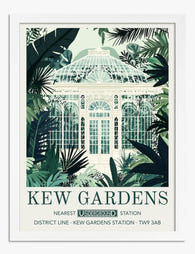
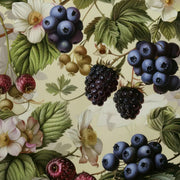
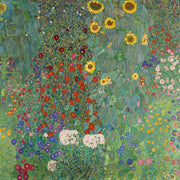
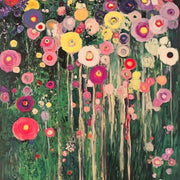
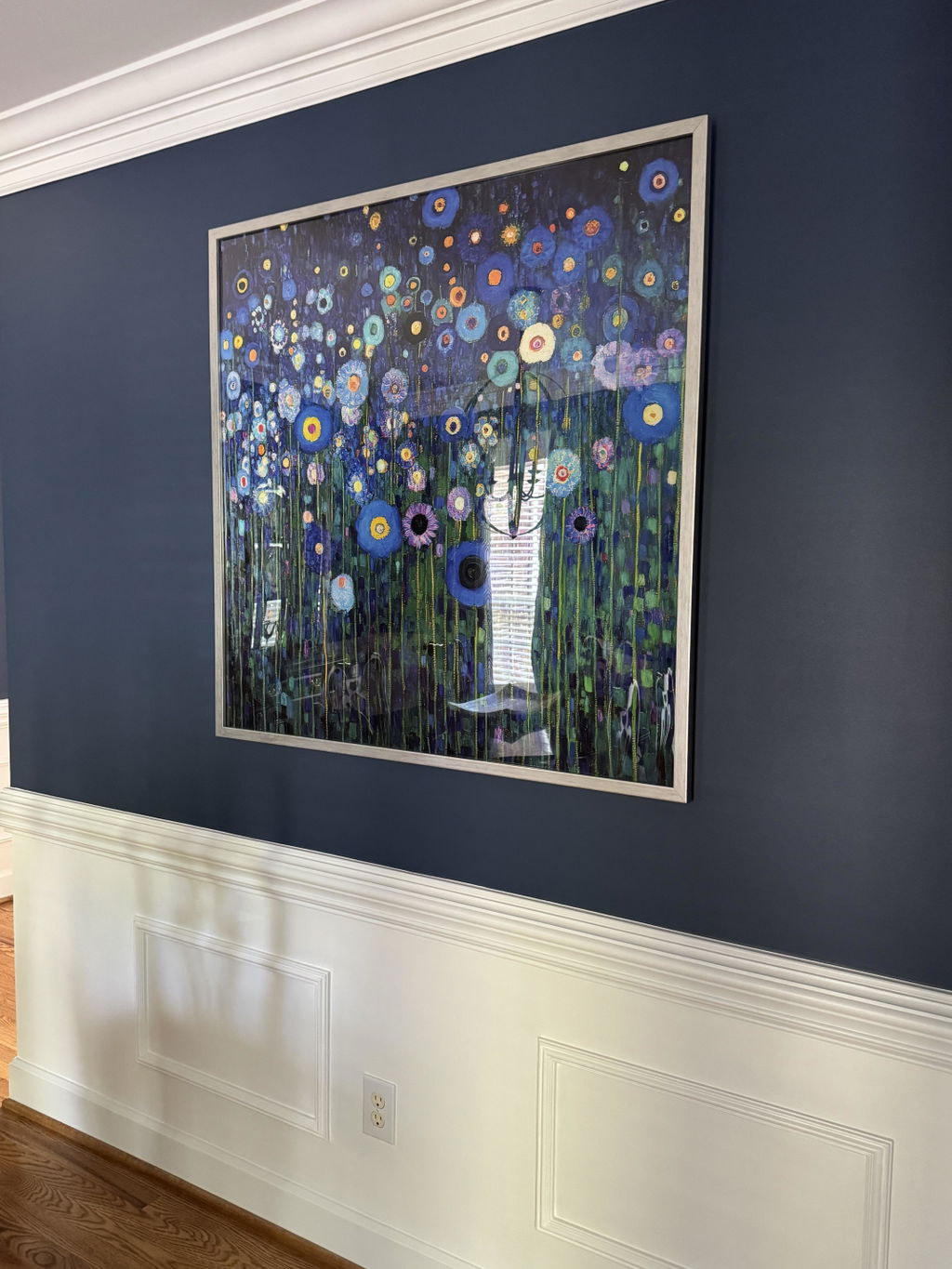
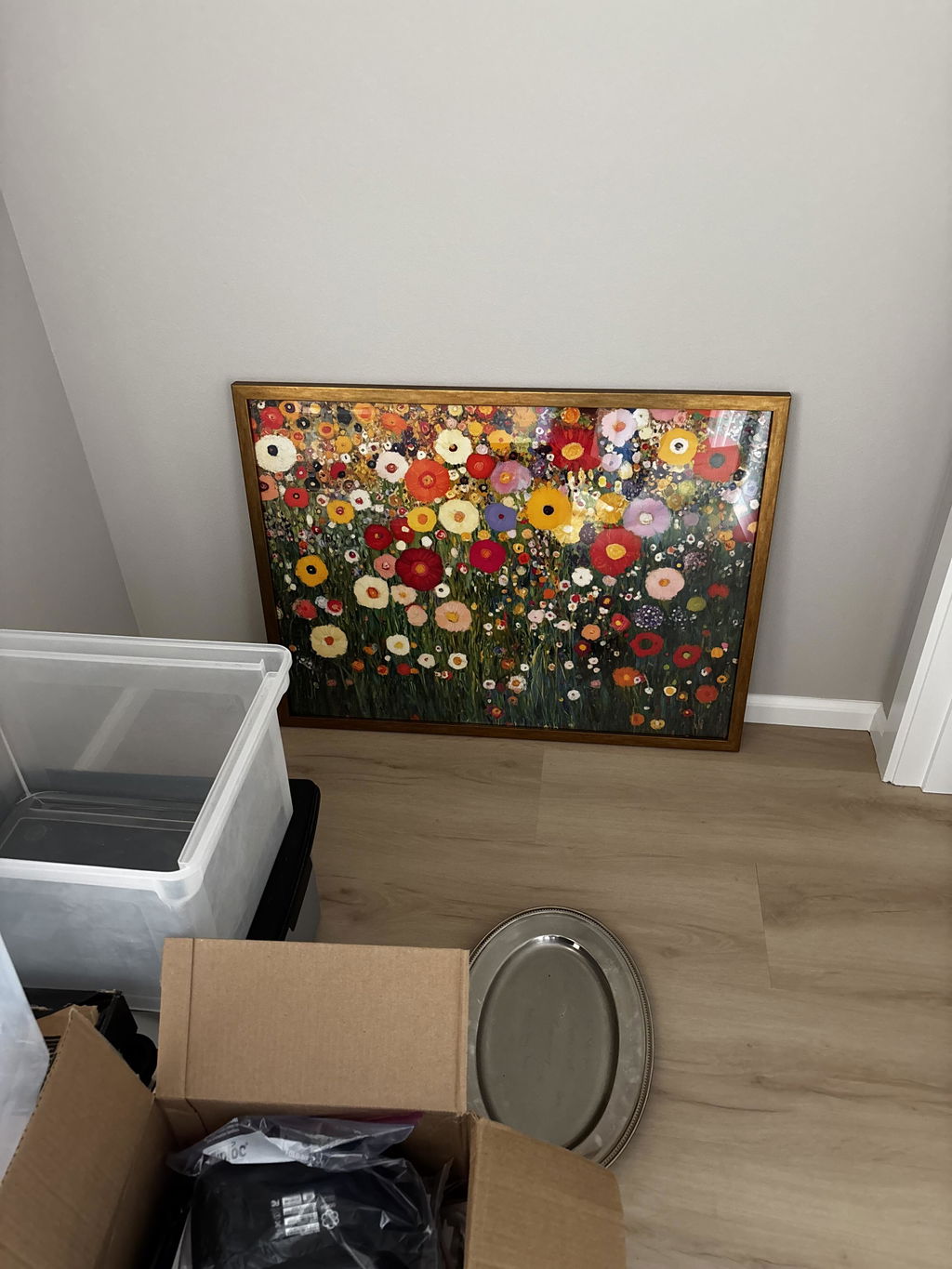
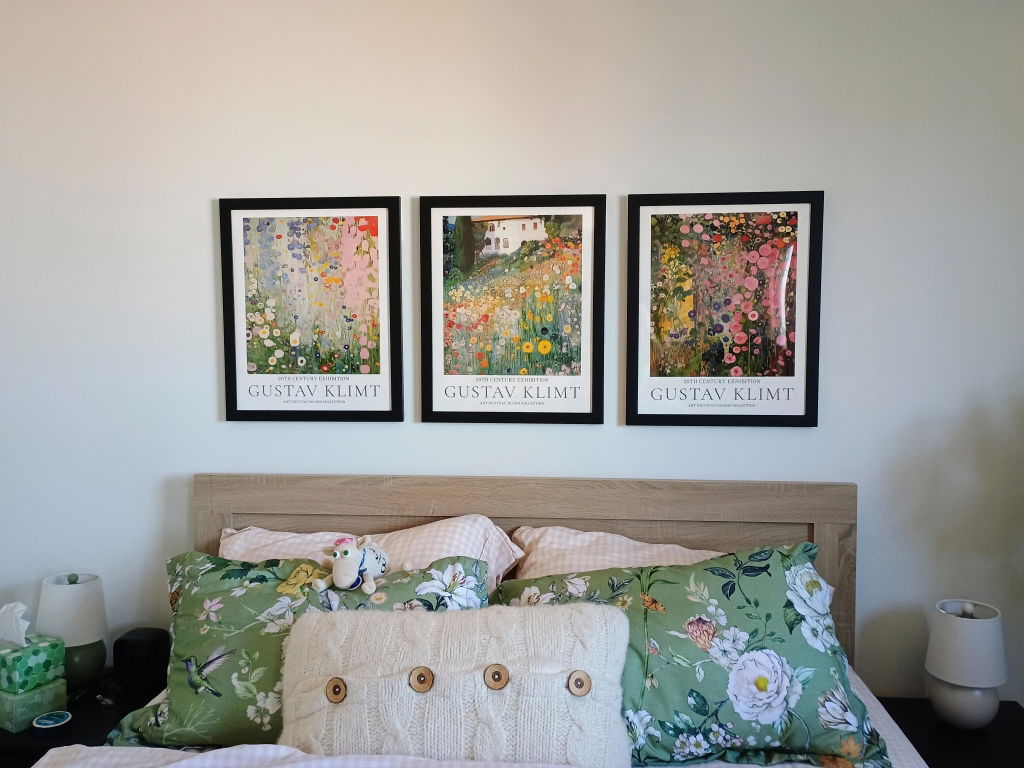
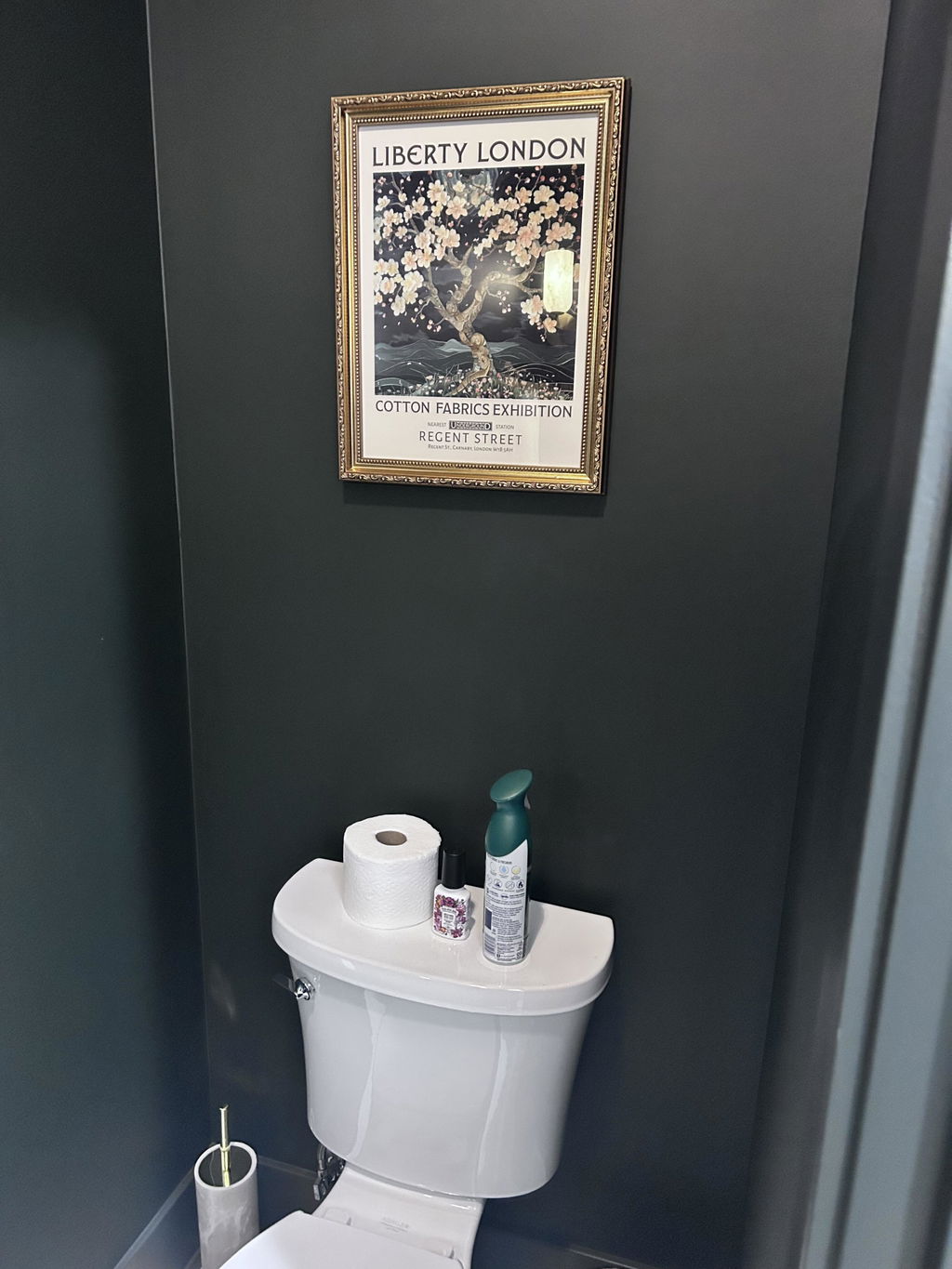
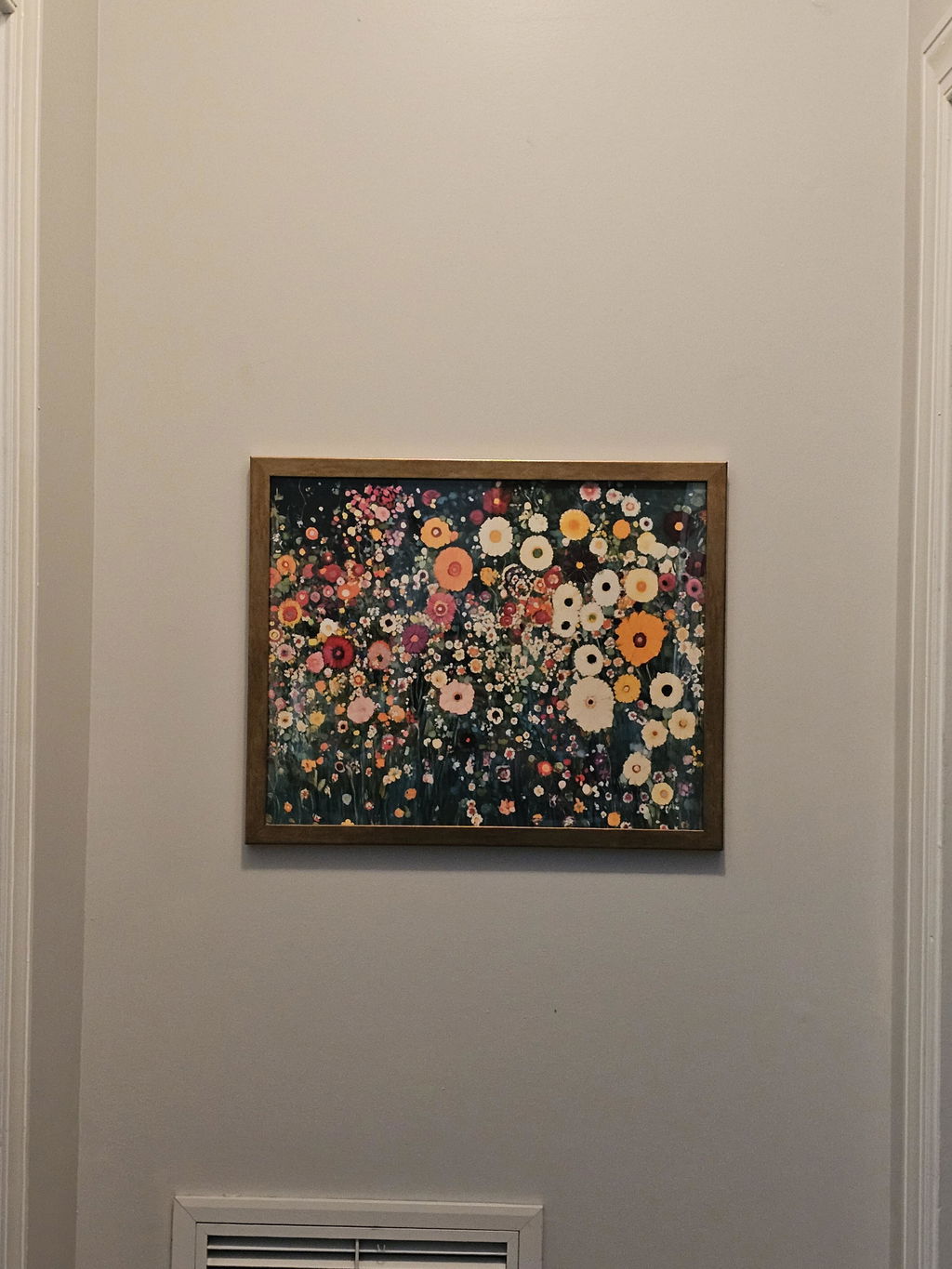
Solid wood. Professionally framed. Arrives ready to hang.
Make your print ready to hang.
Botanical Garden Art Prints
4.8
Botanical garden art covers a lot of ground: labelled specimen studies, palm houses under glass, borders in full flower, quiet paths between planted beds. Some are precise and scientific, others loose and painterly. If the architecture pulls you more than the plants, the glasshouse art prints lean that way, while English garden art prints stay closer to lawns, roses and rambling borders. Choose by mood first, then by the colours already in your room.
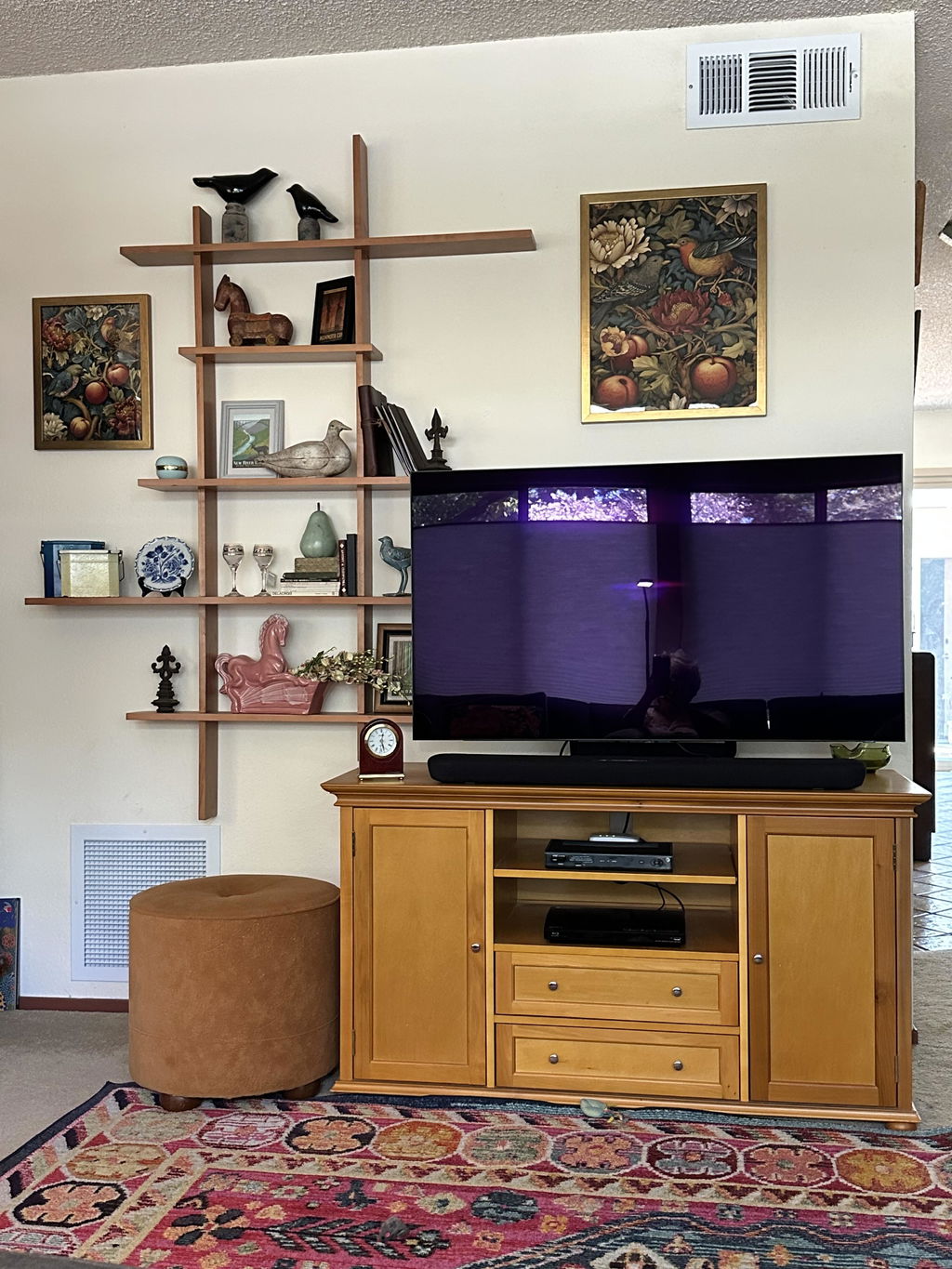
I love the colors and the birds with the gold frame
I love the colors and the birds with the gold frame. I had previously bought a similar print from you, William Morris birds with fruit in a small smaller size the two of them together look stunning.
Botanical prints are the most forgiving art category in your living room. They work with almost any colour palette, never feel try-hard, and age better than abstract prints or photography....
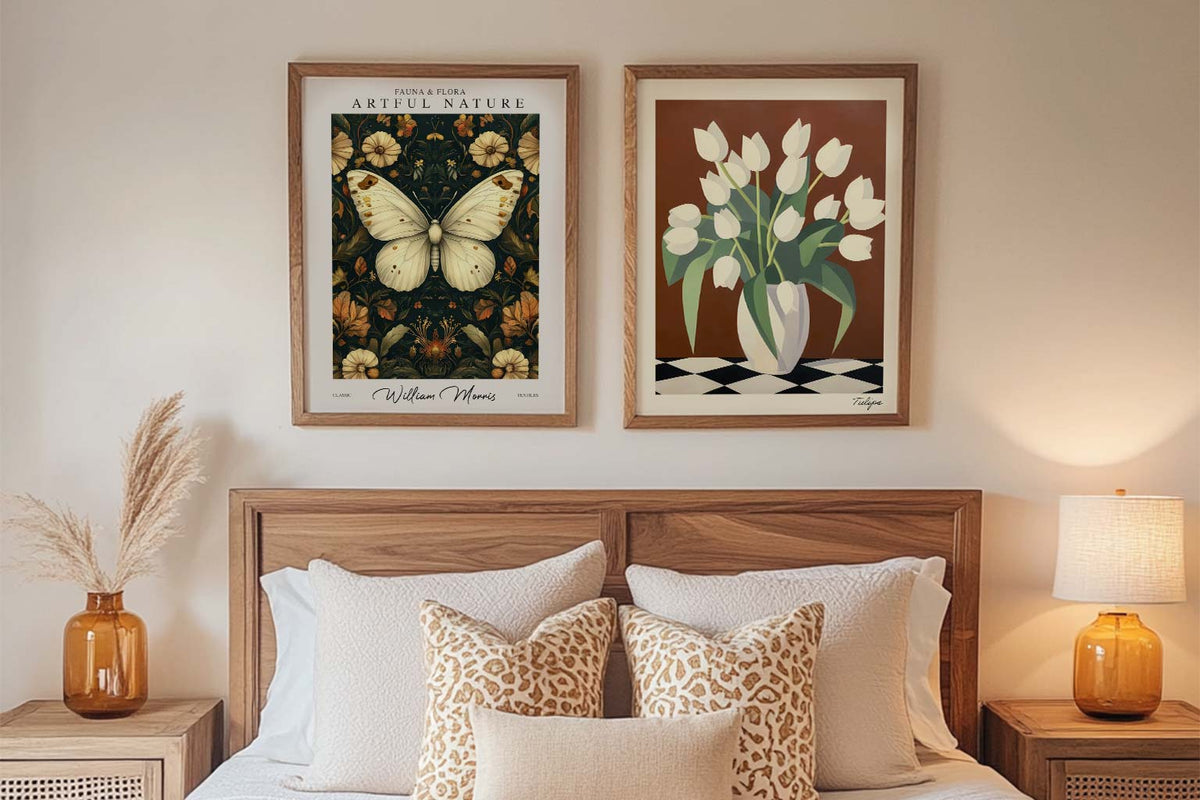
A blank wall can be intimidating. You know you want art, but where do you even start? You scroll through endless options online, walk through galleries feeling lost, or stare...
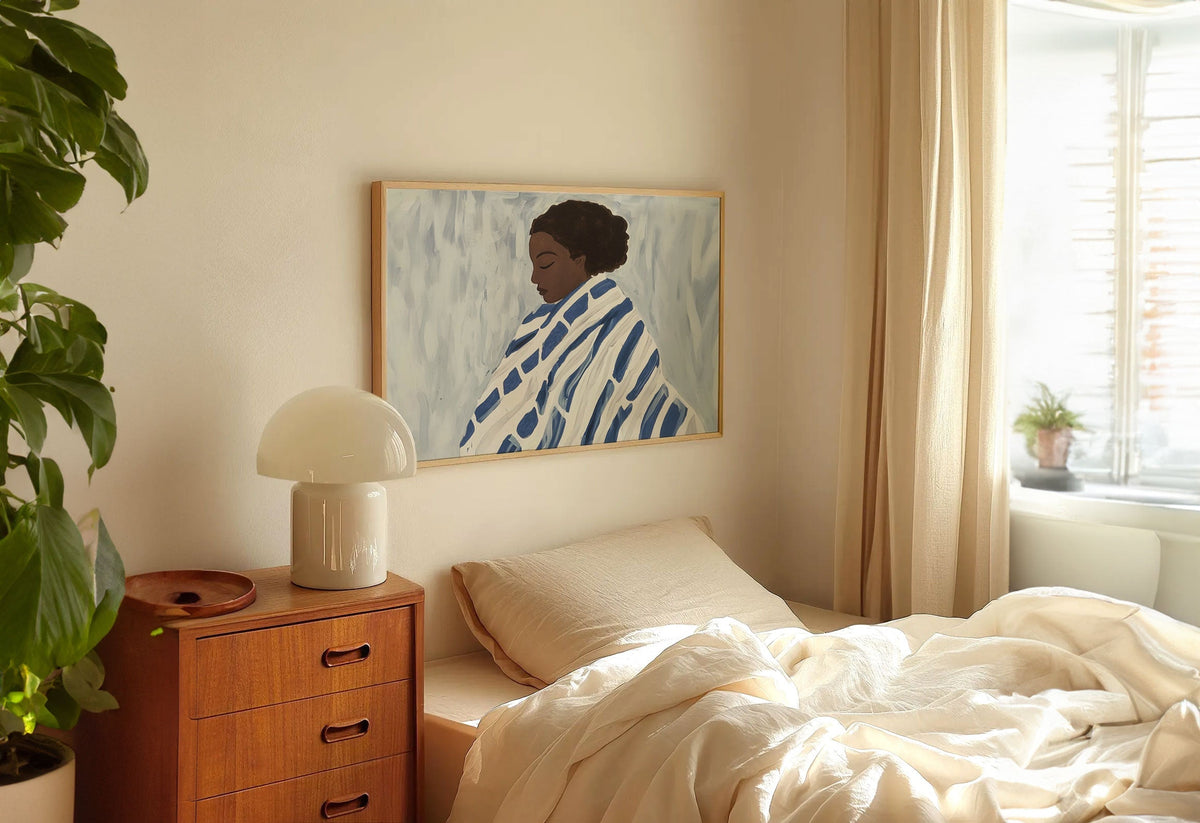
Your bedroom is the most personal room in your home. It's where you start and end each day, where you retreat when you need space, where you go to feel...
Choosing your botanical print
Short answers on framing choices, picking colours that suit your walls, and where these prints hang well
Why do botanical prints often include Latin plant names and handwritten annotations?
Because most botanical prints descend from scientific publishing, where the picture was a record, not just decoration. Since Linnaeus standardized two-part Latin names in 1753, genus and species labels gave botanists worldwide one unambiguous reference, unlike common names that vary by region and language. Plates in horticultural journals were paired with descriptive text, so engravers added binomials, plate numbers, collector notes and dissection details of seeds or stamens. Reproductions keep that lettering because it signals authenticity and adds a quiet, studious layer that suits libraries, offices and kitchens. You may also like our Botanical Art Prints.
Who were the famous botanical illustrators behind classic vintage-style garden prints?
The vintage botanical look traces back to a handful of celebrated naturalist artists. Maria Sibylla Merian (1647-1717) pioneered studies pairing plants with insects and their life cycles; Georg Dionysius Ehret (1708-1770) produced precise plates tied to Linnaeus and his classification system; and Pierre-Joseph Redoute (1759-1840), court painter to Marie Antoinette and Empress Josephine, earned the nickname Raphael of Flowers for his roses and lilies. Curtis's Botanical Magazine, launched in 1787, popularized hand-colored plates by James Sowerby, Sydenham Edwards, Walter Hood Fitch and Matilda Smith, shaping the framed garden print style collectors still love. For a related option, explore our Floral Art Prints.
How do I mix botanical prints with stripes, checks and other patterns without clashing?
Mix them by keeping one shared color thread and varying scale. Treat botanical wall art as the organic, larger-scale note, then bring in geometry at different sizes: a wide stripe on upholstery, a small check pillow, a fine geometric on curtains. Pull two or three hues from the artwork and repeat them across textiles so nothing competes. Three patterns per room is a safe cap, and solid surfaces such as plain walls, a neutral rug or solid seating give the eye rest. Framed pieces also give a clean edge against busy walls. For another take, browse our Botanical Nature Art Prints.
What frame color and style works best with botanical garden prints?
Natural wood is the safest and most flattering choice: oak, walnut or a warm mid-tone stain echoes the organic subject matter and keeps the focus on the plant forms. Slim matte black frames suit modern or monochrome spaces and sharpen fine linework, while thin brushed gold or brass adds a classic, slightly antique feel that flatters vintage-style plates. A white or off-white mat gives the image breathing room. Current framing trends favor warmer, deeper woods and understated metallics, so either direction reads fresh. Framed options arrive ready to hang, no assembly needed.
Do your botanical garden art prints come framed and ready to hang?
Yes, every framed botanical garden art print ships as one piece, with the print already fitted into a solid wood frame and fixtures attached on the back. You literally hang it on the wall the day it arrives. Our frames are made from FSC-certified wood (not MDF), and we use UV-protective acrylic glazing so the colours won't fade even on a sun-drenched hallway wall. If you've been burned by cheap frames that warp or prints that arrive with bubbling, this is the fix.
What's the difference between botanical prints and floral prints?
Floral prints are decorative first. They're about pattern, colour, and mood. Botanical prints have roots (pun intended) in scientific illustration, so they tend to show the whole plant with real structural detail: stems, leaves, seed heads, root systems. That's what gives botanical garden art prints their distinctive, slightly scholarly feel. They work brilliantly in spaces where you want visual interest without it feeling overtly feminine or trendy, like a study, a hallway, or a modern kitchen-diner.
What size botanical garden print should I choose for above a sofa?
For the wall above a standard UK sofa (roughly 180-200cm wide), we'd go for a single large botanical garden print at 70x100cm. It fills the space properly without looking like an afterthought. If you prefer a set of botanical garden prints, three 30x40cm pieces hung in a tight row with about 5cm between each frame looks intentional and balanced. Anything smaller than these sizes and you'll be left with that awkward 'postage stamp on a big wall' look.
Are botanical prints still in style for 2025 interiors?
Botanical prints have been a constant in interior design for literally centuries, and they're not going anywhere. What has shifted is how people use them. Right now, the strongest look is oversized single botanicals in a simple black or natural wood frame, rather than the clustered vintage gallery walls that were everywhere a few years ago. Our botanical garden art prints are giclée-printed on thick matte paper, so you get that rich, museum-quality depth that holds up next to natural textures like linen, rattan, and raw timber that dominate current interiors.
What does 'botanical' actually mean in art?
In art, 'botanical' refers to work that depicts plants with scientific accuracy rather than pure artistic interpretation. Think detailed leaf veins, precise colour matching, and plants shown at specific life stages. The tradition started with illustrators documenting specimens for botanical gardens and scientific texts, which is exactly why botanical garden art prints have that unmistakable mix of beauty and precision. You don't need to be a plant lover to appreciate them. They bring a grounded, natural calm to any room, and they pair especially well with minimalist or Scandi-inspired spaces where you want warmth without clutter.
Choosing a selection results in a full page refresh.