
 Order today for delivery by
 Optical Illusion Art Prints
Art that refuses to sit still: warping grids, pulsing checkerboards, spirals that seem to turn the moment you glance away. Op art earns its place on a flat, plain wall, so a hallway or stairwell where people pass and look twice can suit it well. If you want the trick built on maths, try geometry art prints; for impossible staircases and tessellating birds, MC Escher art prints tell more of a story, while psychedelic art prints push the colour much further.


Bauhaus Waves Art Print
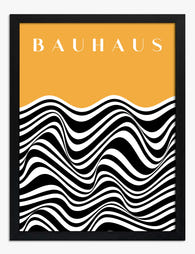
Bauhaus Waves in Mustard Art Print

Crossin' the Madmoon Art Print

Stacked Cubes in Orange and Pink Art Print

Bauhaus 1919 Geometric Grid Art Print

Daydreaming Op Art Waves Art Print

Sleep Drifting Monochrome Poster Art Print

Tulip on Checkered Floor Art Print

Stacked Blocks in Pink and Lime Art Print

Perception Optical Illusion Art Print

Bauhaus Frankfurt Exhibition 1923 Art Print

Daydream Psychedelic Waves Art Print

Crossin' the Madmoon Art Print

Stacked Cubes in Coral and Mustard Art Print

Poppy & Pattern Play Art Print

Stacked Cubes in Orange and Pink Art Print
More Fab art curations


Illusions, Ideas And Advice From The Frame
More on scale, placement and living with high-contrast pattern from The Frame, Fab's blog.
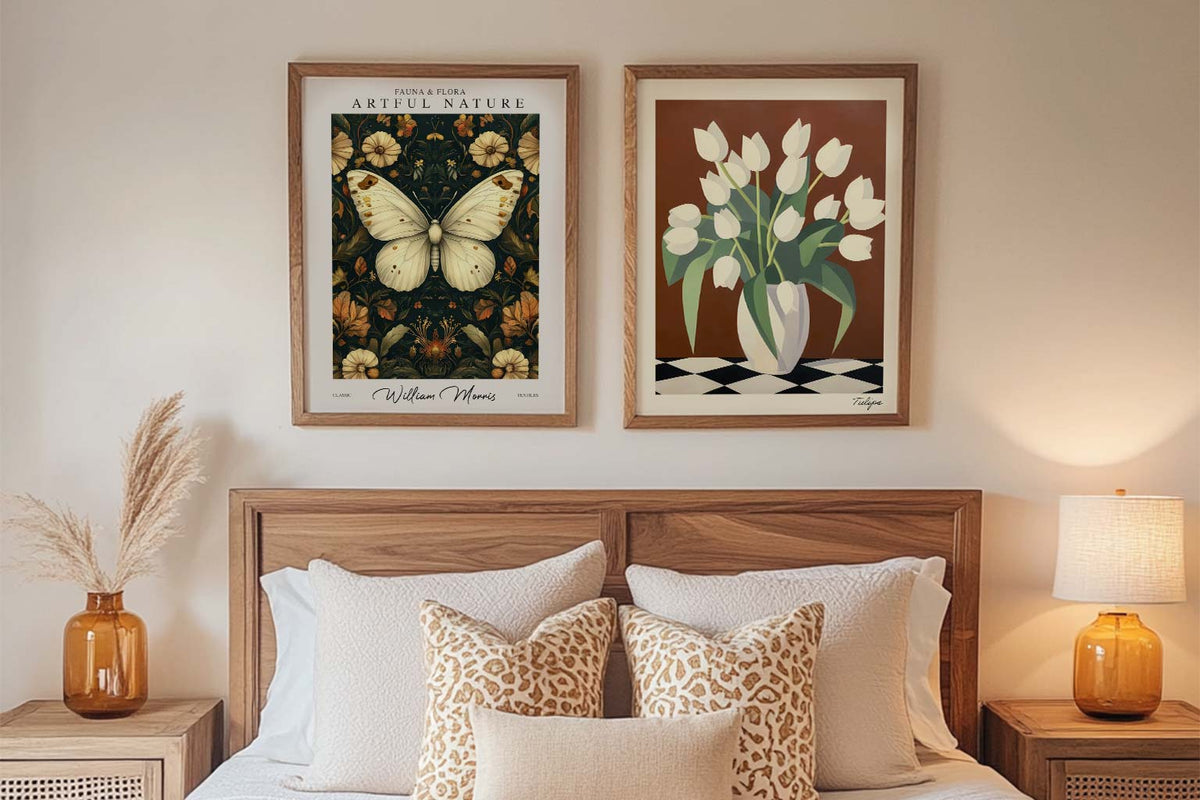
Starter Art Prints for First-Time Buyers
A blank wall can be intimidating. You know you want art, but where do you even start? You scroll through endless options online, walk through galleries feeling lost, or stare...

Discover Gustav Klimt Art Prints with Fab
Gustav Klimt wasn’t just an artist — he was a master of seduction through pattern, color, and symbolism. At Fab, we celebrate his work not just as art history, but...
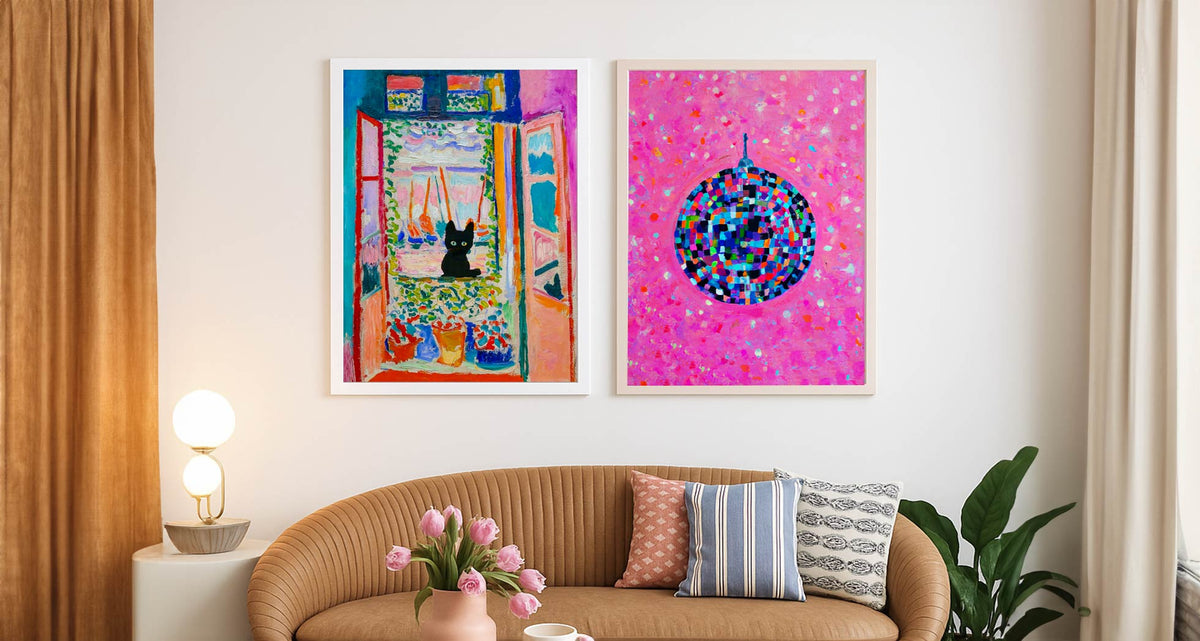
How to Personalise a Rented Home with Wall Art
You're staring at beige walls that scream "rental property" and wondering how to make this place feel like you actually live here. You love art, but the lease says no...
 Where does op art work best



Short answers on picking a pattern, framed or unframed, hanging spots, delivery and returns