
 Order today for delivery by
 Photorealism Canvas Prints
Photorealism pushes detail past the point where your eye stops arguing: rain on glass, chrome, skin, fruit lit like it's about to be eaten. Work like this rewards a second look, so it tends to earn its place in a hallway, above a desk, or anywhere people slow down. Want the brushwork a little looser? Try realism canvas prints, or painterly still life canvas prints for something quieter.


No products found
More Fab art curations



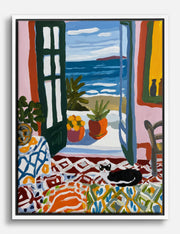


Photorealism Notes From The Frame
More on hanging detailed work, choosing scale and building a wall from The Frame, Fab's blog.
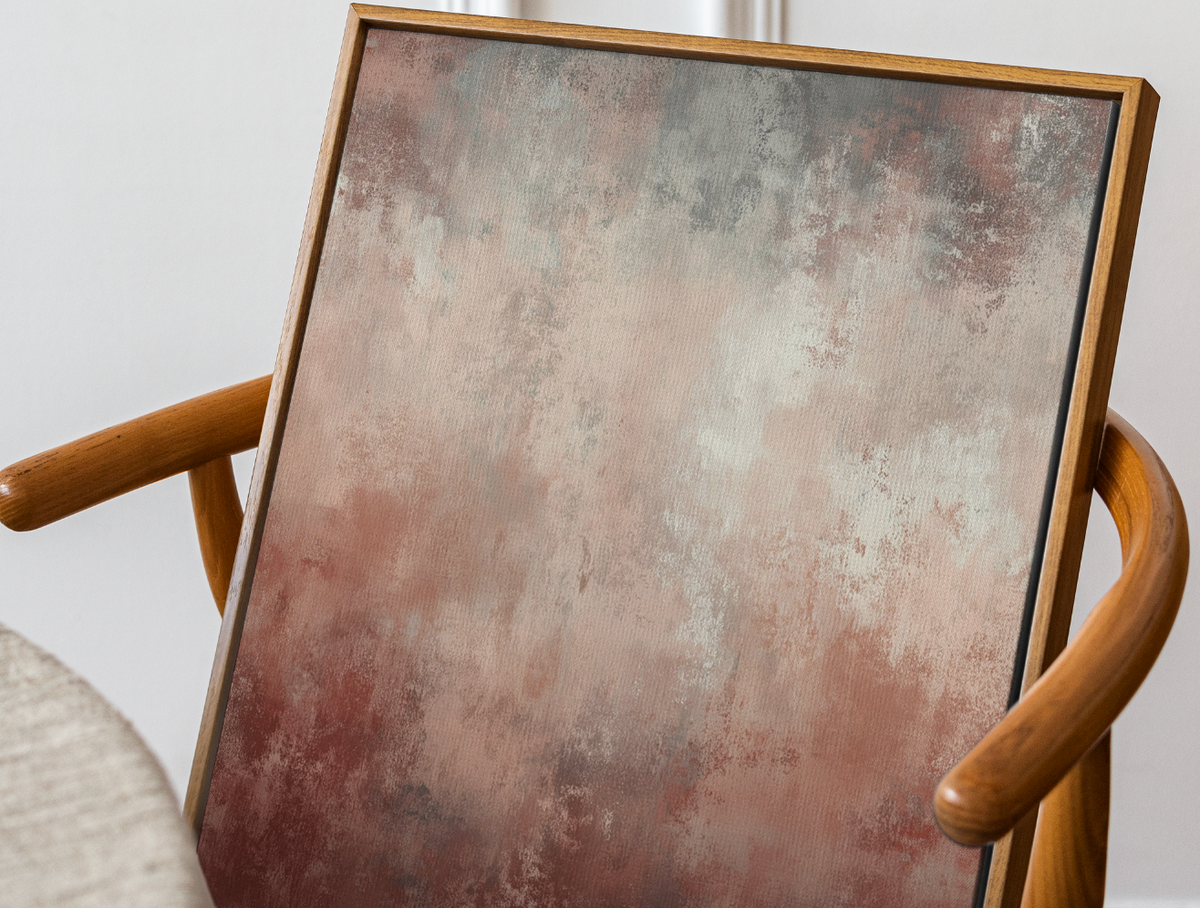
Canvas vs Paper Prints: Pros and Cons
You're looking at the same beautiful image in two different formats. Canvas print or paper print? They look similar in the thumbnail, but you're wondering if one is actually better...
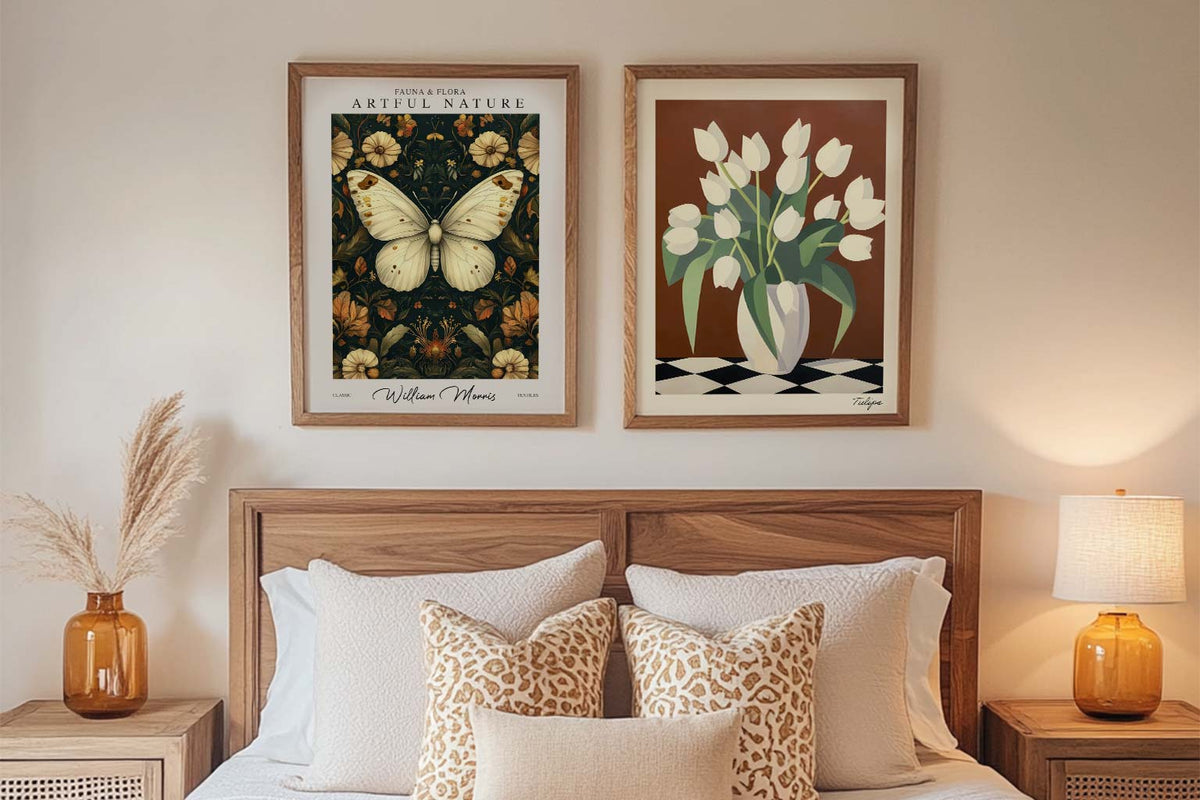
Starter Art Prints for First-Time Buyers
A blank wall can be intimidating. You know you want art, but where do you even start? You scroll through endless options online, walk through galleries feeling lost, or stare...

What Makes an Art Print High Quality?
You found the perfect piece for your wall. The colors are right, the style fits your room, and you can already see it hanging there. But then you pause. How...
 Buying photorealist art: common



Short answers on framed and unframed choices, picking a size, delivery and returning something