
 Order today for delivery by


Morris Floral Rabbit Art Print

William Morris Anemone Art Print

Enchanting Fox by Morris Art Print

Morris Cat Floral Art Print

William Morris Frog Botanical Art Print

William Morris Botanical Art Print

Blue Floral Horse Elegance Art Print
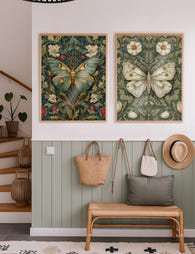
Butterfly Art Nouveau Garden Gallery Wall Art Print Set

William Morris Floral Grey Dog Art Print

Autumn Pumpkins by Morris Art Print

William Morris Fox Botanical Art Print

William Morris Fox & Flora Art Print

William Morris Owl Garden Art Print

William Morris Willow Leaves Art Print

William Morris Winter Bear Art Print

Morris Bird & Berry Art Print

Morris Fox Floral Art Print

William Morris Trellis Art Print

William Morris Botanical Frog Art Print

Elegant Floral Swan William Morris Art Print

William Morris Jasmine Floral Vase Art Print

Burgundy Heritage Blooms Art Print

William Morris Bear Art Print
More Fab art curations
William Morris Botanical Art Print Articles From The Frame
How-to guides, styling inspiration, and design ideas for william morris botanical art prints in your home from The Frame, Fab's blog.

Choosing a Set of 3 William Morris Prints That ...
Buying one Morris print is easy. Buying three that look intentional together, hung at the right height with the right spacing, is where most people get stuck. This guide walks...

Styling William Morris Prints in Modern Homes W...
Morris prints carry baggage. Mention them and people picture floral wallpaper in a Cotswolds B&B, dark wood sideboards, and a doily under every lamp. That reputation is unfair, and easily...

How to Style William Morris Prints in a Modern ...
William Morris designed his patterns in the 1870s and 1880s, but the colour palettes he used (sage, ochre, deep teal, faded terracotta) are almost identical to the ones contemporary paint...
 We’re serious about art, ask away



From sizing to framing and print quality, Fab's art experts break it all down—so you can find the right art for your space.