
 Order today for delivery by
 Cubism Art Prints
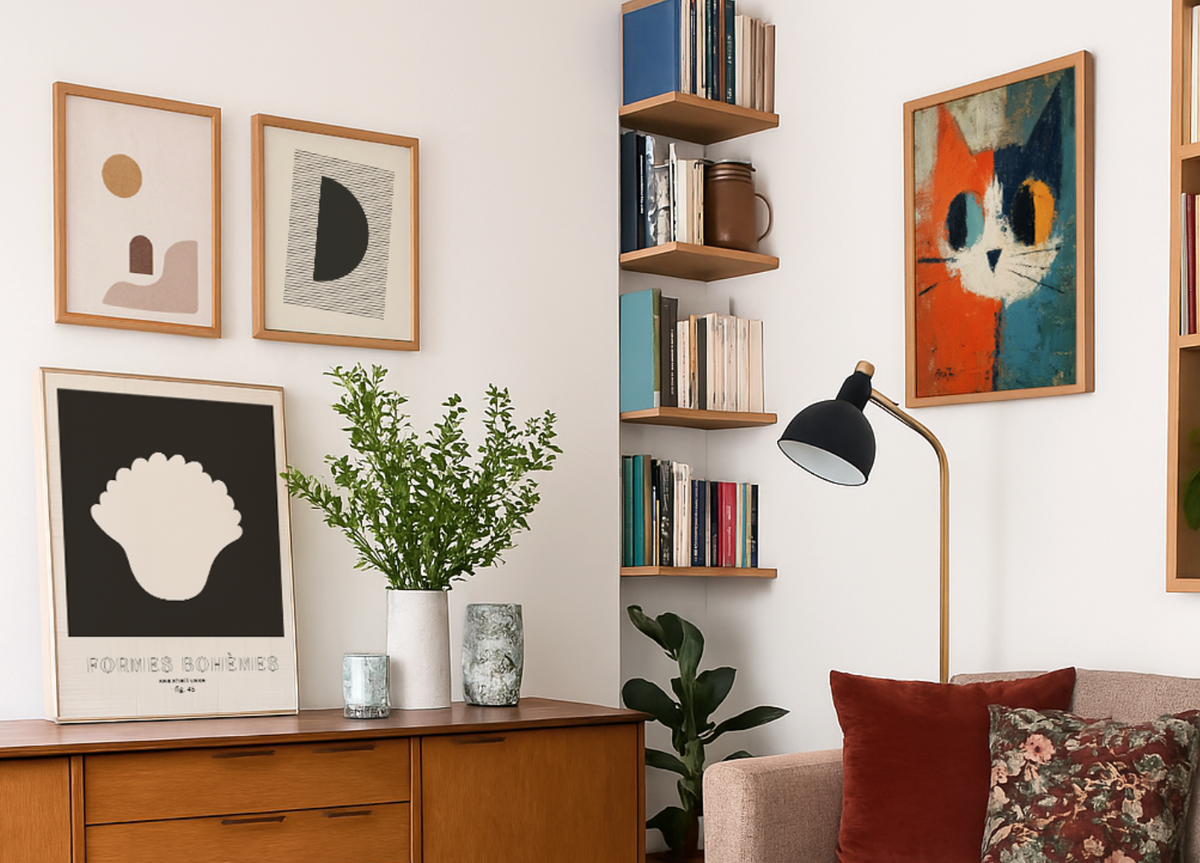
Cubism breaks a face, a guitar or a table into planes and shows you several angles at once. That fractured geometry gives a wall energy without shouting, and the muted browns, greys and ochres of early Cubism sit easily beside wood and warm paint. Bolder colour blocks suit plainer rooms. If you're circling a particular look, compare these with Pablo Picasso art prints, abstract portrait art prints or the cleaner lines of Bauhaus art prints.


No products found
More Fab art curations








Hanging in 100k+ homes
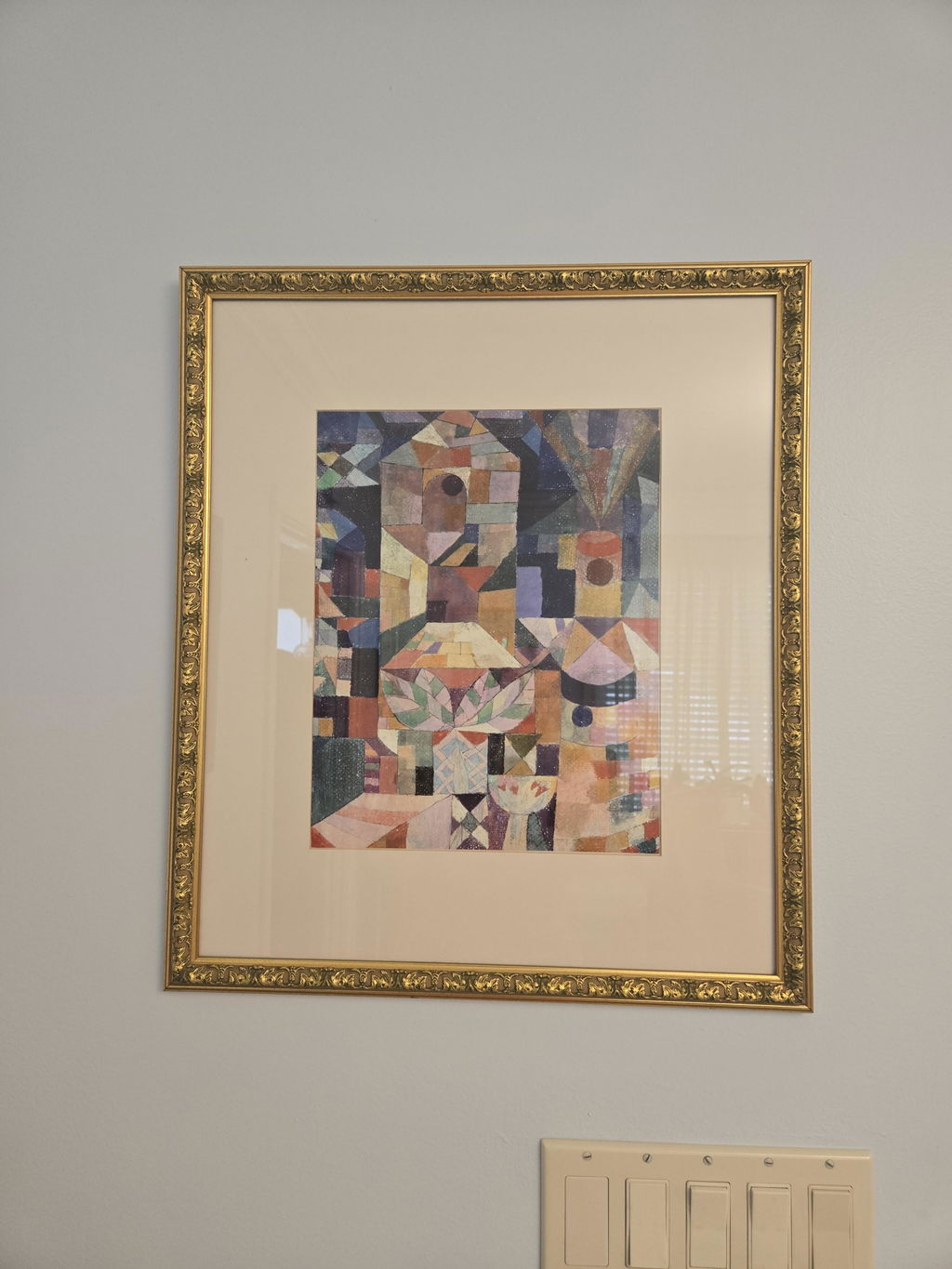
I was very happy with the quality of the paper the prints were on
I was very happy with the quality of the paper the prints were on. Colors were nice & bright. The only aspect that I was not happy with, was that prints did not have an edge around them. I bought a 11x14 cause mat's opening was that size & I basically had to tape it to the mat. I've never encountered this. You should do better in this area.
 Reviewed
Burggarten by Paul Klee Art Print →
Reviewed
Burggarten by Paul Klee Art Print →

I absolutely love this
I absolutely love this picture
 Reviewed
Patchwork Cat in Colour Blocks Art Print →
Reviewed
Patchwork Cat in Colour Blocks Art Print →
Cubism Reading From The Frame
How cubism started, who to collect and where it works at home from The Frame, Fab's blog.
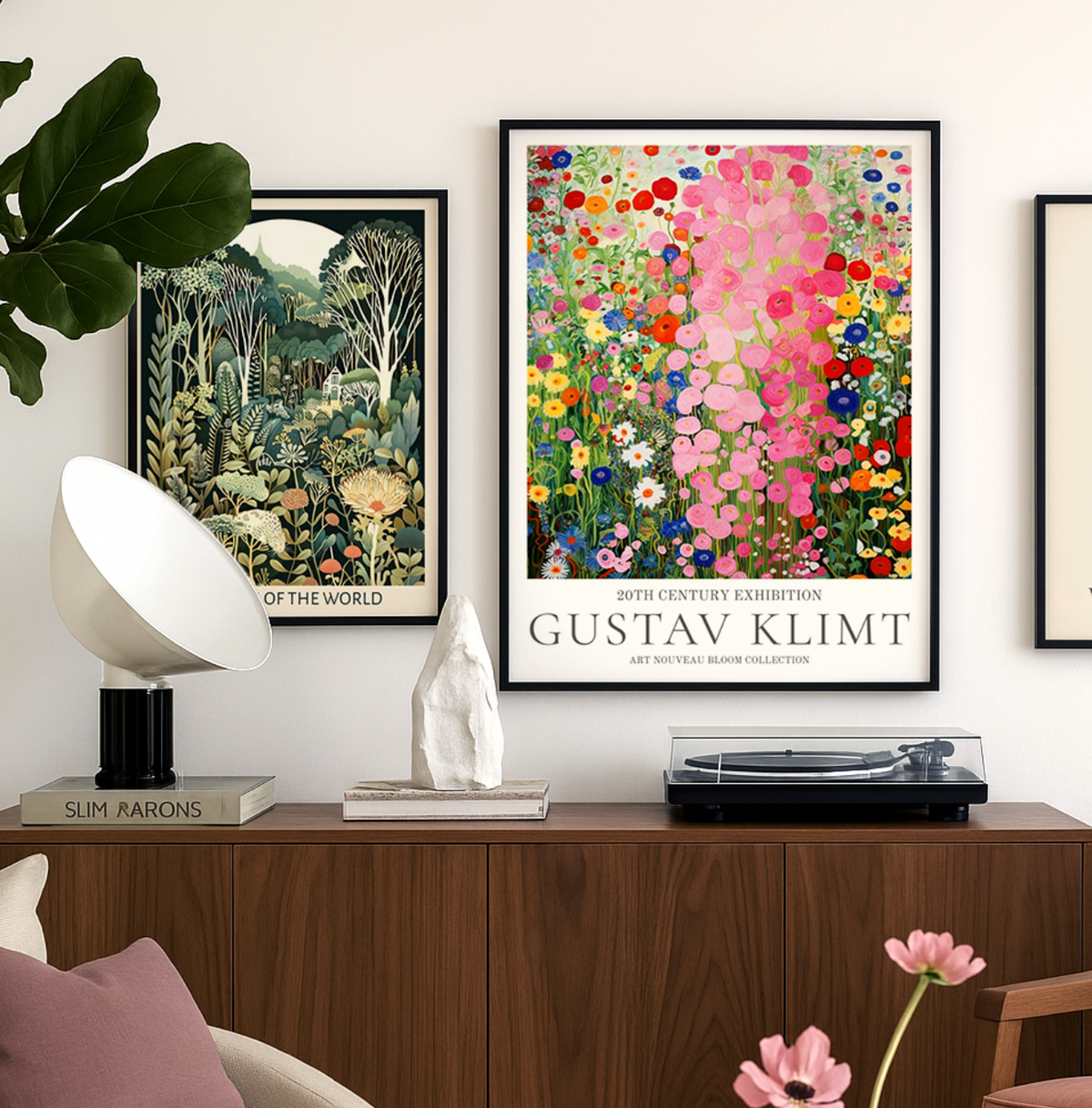
Discover Gustav Klimt Art Prints with Fab
Gustav Klimt wasn’t just an artist — he was a master of seduction through pattern, color, and symbolism. At Fab, we celebrate his work not just as art history, but...

Starter Art Prints for First-Time Buyers
A blank wall can be intimidating. You know you want art, but where do you even start? You scroll through endless options online, walk through galleries feeling lost, or stare...
Find Your Art Style: Minimalist, Maximalist, or...
You know you want art on your walls, but you're stuck scrolling through endless options wondering what actually fits your taste. Maybe you love the clean simplicity you see in...
 Buying Cubist prints: your questions



Short answers on framing choices, where Cubist work tends to hang best, delivery and returns