
 Order today for delivery by
 Sushi Art Prints
Sushi turns up in art as neat rows of nigiri, loose ink brushwork, bold graphic maki rolls and playful character illustration. Colour does most of the work here: salmon orange and tuna red against pale rice and near-black nori. It suits a kitchen wall, a bar corner or a small dining nook. If that mood appeals, ramen art prints and Japanese illustration art prints sit happily beside it.


No products found
More Fab art curations






Sushi Walls, Ideas From The Frame
More on kitchen art, framing choices and hanging small pieces well from The Frame, Fab's blog.
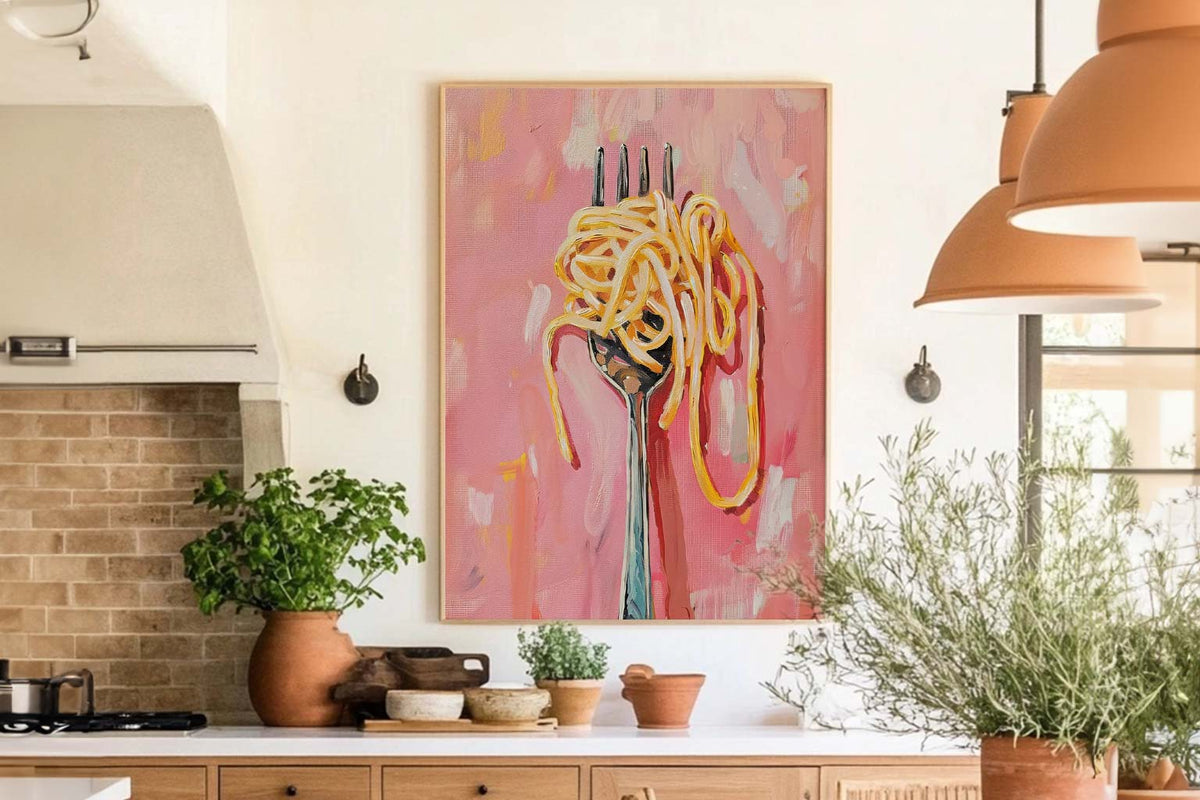
The Best Wall Art for Kitchens and Dining Spaces
Your kitchen isn't just for cooking. Your dining room isn't just for eating. These are the spaces where life happens. Where you have your morning coffee, where friends gather around...
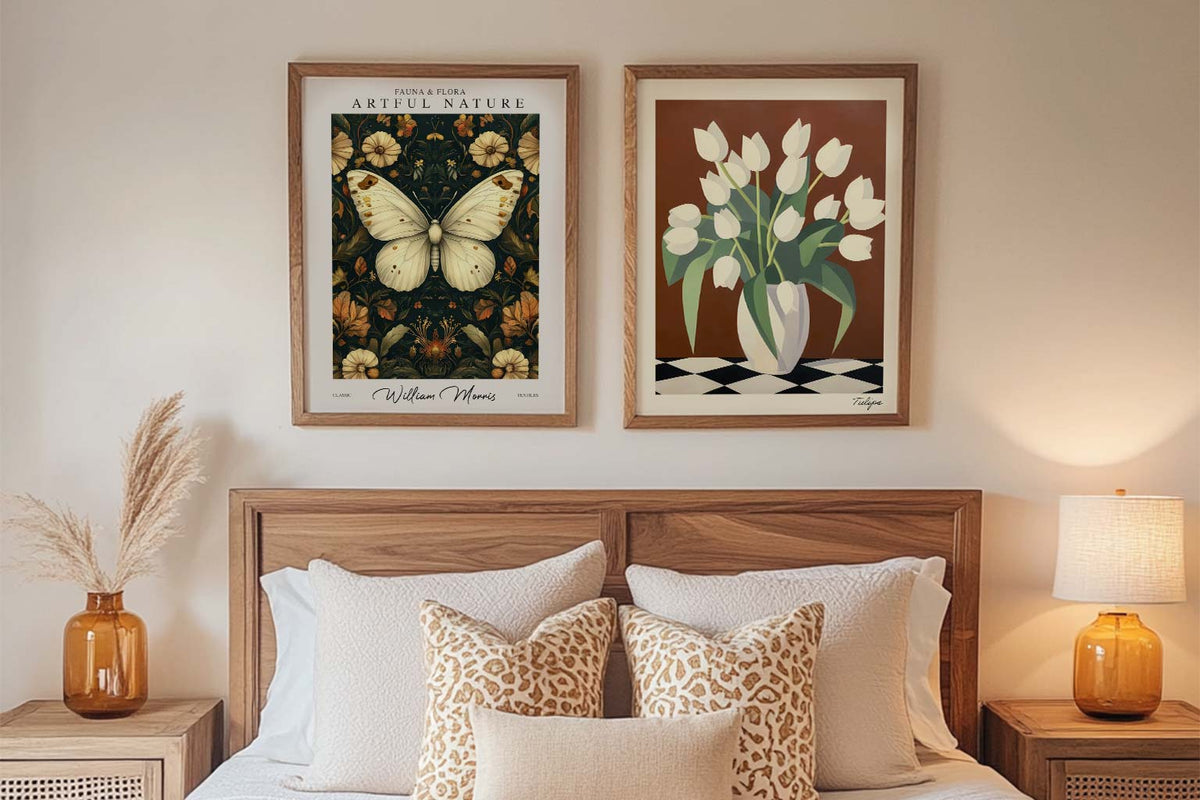
Starter Art Prints for First-Time Buyers
A blank wall can be intimidating. You know you want art, but where do you even start? You scroll through endless options online, walk through galleries feeling lost, or stare...
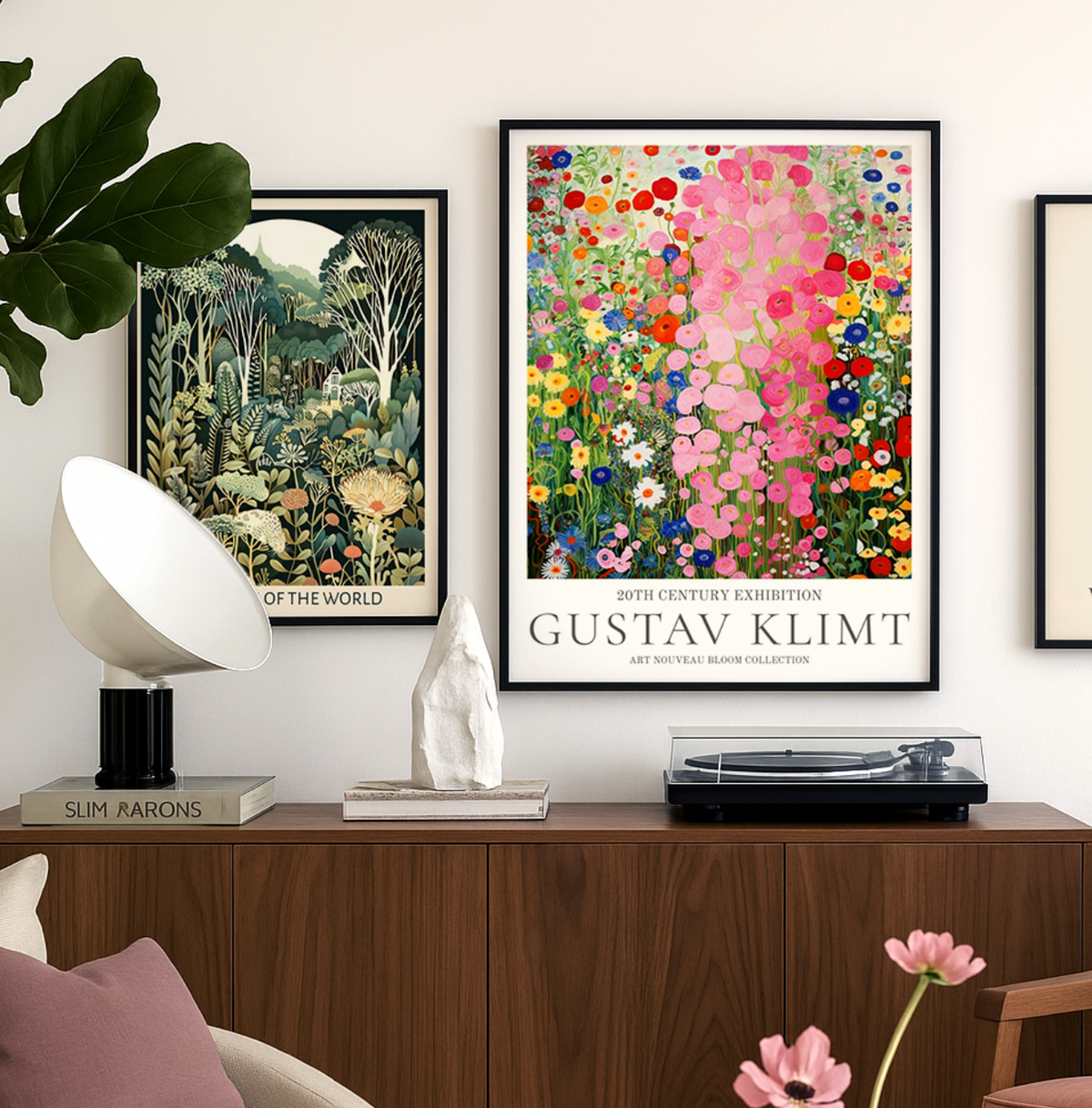
Discover Gustav Klimt Art Prints with Fab
Gustav Klimt wasn’t just an artist — he was a master of seduction through pattern, color, and symbolism. At Fab, we celebrate his work not just as art history, but...
 How do you pick a sushi print



Short answers on framing, sizing for kitchen and dining walls, delivery and our returns window