Tokyo Flower Market Vibes Art Print

Sale price From 186,00 kr 266,00 kr

Waves and Sun by Kamisaka Sekka Art Print

Sale price From 186,00 kr 266,00 kr

Shinjuku Gyoen Garden, Tokyo Art Print

Sale price From 186,00 kr 266,00 kr

Pop Culture Duo Art Print

Sale price From 186,00 kr 266,00 kr

Nikko Pagoda Travel Poster Art Print

Sale price From 186,00 kr 266,00 kr

Cherry Blossoms by Hokusai Art Print

Sale price From 186,00 kr 266,00 kr

Deer by Kamisaka Sekka Art Print

Sale price From 186,00 kr 266,00 kr

Poem by Chunagon Yakamochi by Hokusai Art Print
Sale price From 186,00 kr 266,00 kr

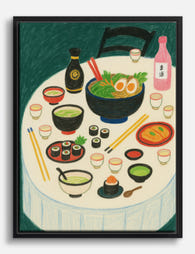
Cozy Japanese Supper Canvas Print

Sale price From 743,00 kr 1 061,00 kr

Flower Market by Owen Jones Art Print

Sale price From 186,00 kr 266,00 kr

Cosy Ramen Bowl Art Print

Sale price From 186,00 kr 266,00 kr

Graceful Cranes Soar Art Print

Sale price From 186,00 kr 266,00 kr

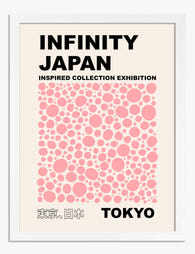
Infinity Japan Tokyo Exhibition Poster Art Print

Sale price From 186,00 kr 266,00 kr

Asazuma in Her Boat by Sekka Canvas Print

Sale price From 743,00 kr 1 061,00 kr
4.8 out of 5

What people say about Japanese Art Collection

Auto-generated

Rich colours, good print quality and sturdy framing make these pieces easy additions to bedroom walls.

PERFECTIOIN AND A GREAT ADDITION TO MY BEDROOM

PERFECTIOIN AND A GREAT ADDITION TO MY BEDROOM WALL.

Rosalie W. · Verified shopper
Elegant Geisha by Hokusai Art Print Gold Reviewed Woman with Koto by Katsushika Hokusai Art Print →

First order was flawless

This was my first order with Fab and all went well. The website worked beautifully, my print was well packed, and the paper and print quality are great. Recommended.

Sharon H. · Verified shopper
Matsumoto Hoji Frog Trio Art Print - Black Reviewed Meika Gafu Frogs by Matsumoto Hoji Art Print →

Love this

The colors are so pretty!

elizabeth K. · Verified shopper
Tranquil Tokyo Retreat Art Print - White Reviewed Shinjuku Gyoen Garden, Tokyo Art Print →

We’re serious about art, ask away

From sizing to framing and print quality, Fab's art experts break it all down—so you can find the right art for your space.

Need more help? Contact our team here

What are traditional Japanese prints called?

Traditional Japanese woodblock prints are known as ukiyo-e, meaning "pictures of the floating world." The style flourished from the 17th through the early 20th centuries, covering landscapes, actors, beauties and nature studies. Later movements, shin hanga and sosaku hanga, carried the tradition into the modern era with softer light and more personal, painterly compositions. Reproductions sold as wall art let you enjoy these styles without hunting antique impressions.

What is the most famous Japanese print?

Hokusai's The Great Wave, made around 1830–1832, is widely considered the most famous Japanese print ever produced. It was among the first to borrow techniques and materials from the West, with Hokusai using Dutch landscape prints as inspiration for scale-based perspective. Its deep Prussian blues and dramatic curl make it one of the most recognizable images in art, which is why it remains a favorite as a decorative reproduction.

What's the difference between traditional ukiyo-e and modern Japanese wall art?

Traditional ukiyo-e reproductions carry flat color areas, bold outlines and classic motifs such as waves, Mount Fuji, cranes and cherry blossom, so they read as vintage and detailed. Modern and Japandi-style Japanese art leans on minimal shapes, muted neutrals and lots of negative space. Choose ukiyo-e when you want a strong focal point with rich color, and modern styles when you want calm walls that recede into a pared-back room.

Which Japanese art prints work best in a living room?

For a living room, we'd steer you toward ukiyo-e landscapes or serene nature scenes rather than busier figurative prints. A single large framed print (70x100cm) of a classic wave or mountain scene above a sofa creates an instant focal point without overwhelming the space. If your room leans neutral or Japandi in style, look for prints with muted indigos, soft greens, and warm creams. Our framed Japanese art prints arrive ready to hang with solid wood frames and UV-protective glazing, so you can place them even on a sun-facing wall without worrying about fading.

How should I display Japanese art prints on my wall?

For a single statement piece, hang it so the centre of the print sits roughly at eye level, around 150cm from the floor, and about 15-20cm above the top of your sofa or sideboard. If you're building a gallery wall with multiple Japanese prints, stick to a tight grid of three or four pieces in matching frames rather than a scattered salon hang. Japanese art benefits from breathing room, so leave at least 5cm between each frame. Our framed prints come with fixtures already attached, so you literally just need a nail and a spirit level.

Are traditional Japanese prints like ukiyo-e a good gift?

Honestly, they're one of the safest art gifts you can buy. Ukiyo-e prints like Hokusai's Great Wave or Hiroshige's rain scenes are universally recognised, visually striking, and don't require the recipient to be an art history buff to appreciate them. We'd recommend going for a framed print so the person receiving it doesn't have to sort out framing themselves. Our Japanese art prints are made to order on museum-grade paper with solid wood frames, so they arrive looking like something from a gallery, not a poster shop. With our 99-day returns policy, there's zero risk if you're not sure about size or style.

Do your Japanese art prints look as good in person as they do on screen?

Better, actually. That's one of the most common things our customers tell us. We use giclée printing on thick matte paper, which gives the prints a depth and texture you simply can't get from a standard photo print or a rolled poster. The matte finish is particularly important for Japanese art because it avoids the glare that cheapens delicate linework and subtle colour gradients. If you've been burned before by prints that arrived with flimsy frames, warped mounts, or colours that looked nothing like the listing, our prints are a different experience entirely. Frame and print ship together, properly fitted, ready to go on your wall.

What are the main types of Japanese art you can buy as prints?

The most popular category by far is ukiyo-e, the woodblock print tradition from the Edo period that gave us Hokusai, Hiroshige, and Utamaro. Within ukiyo-e you'll find landscapes, nature studies (birds, flowers, waves), kabuki actor portraits, and beautiful scenes of daily life. Beyond ukiyo-e, there's sumi-e (ink wash painting with bold, minimal brushwork) and shin-hanga, a 20th-century revival that blends traditional Japanese techniques with Western light and colour. If you're drawn to clean lines and calm compositions, traditional Japanese art prints in any of these styles will feel right at home in a modern interior.