Maple River View by Hiroshige Art Print Brown

Maple Trees beside a River by Hiroshige Art Print

Sale price From 192,00 kr 275,00 kr
Plum Orchard in Winter – Hiroshige Art Print Oak

Plum Orchard in Winter by Hiroshige Art Print

Sale price From 192,00 kr 275,00 kr
Hokusai Waterfall Serenity Art Print - Black

Kirifuri Waterfall by Hokusai Art Print

Sale price From 192,00 kr 275,00 kr
Snowy Village by Hiroshige Art Print Oak

Snowy Mount Fuji by Hiroshige Art Print

Sale price From 192,00 kr 275,00 kr
Blue Sea Islands by Hiroshige Art Print White

Islands in a Blue Sea by Hiroshige Art Print

Sale price From 192,00 kr 275,00 kr
Hiroshige Spring Landscape Art Print Oak

Temple Gardens at Nippori by Hiroshige Art Print

Sale price From 192,00 kr 275,00 kr
Gamecocks by Hokusai Art Print Black

Gamecocks by Hokusai Art Print

Sale price From 192,00 kr 275,00 kr
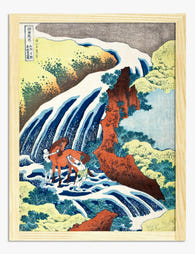
Hokusai’s Tranquil Falls Art Print Oak

Yoshitsune Horse-Washing Falls by Hokusai Art Print

Sale price From 192,00 kr 275,00 kr
Hiroshige’s Serene Harbor View Art Print Oak

Snowy Harbour by Hiroshige Art Print

Sale price From 192,00 kr 275,00 kr
Snowy Mountain Journey by Hiroshige Art Print Brown

Travelers in a Snowy Pass by Hiroshige Art Print

Sale price From 192,00 kr 275,00 kr
Peacock and Maple Leaves by Hiroshige Art Print Brown

Peacock and Maple Leaves by Hiroshige Art Print

Sale price From 192,00 kr 275,00 kr
Evening on the River by Hiroshige Art Print Brown

Evening on the River by Hiroshige Art Print

Sale price From 192,00 kr 275,00 kr

More Fab art curations

Buying ukiyo-e prints: your questions

Short answers on framing choices, picking a subject, hanging spots, delivery and returns

Need more help? Contact our team here

What is the most famous ukiyo-e print?

Katsushika Hokusai's "Under the Wave off Kanagawa," widely known as "The Great Wave," is the most recognized ukiyo-e image in the world. It comes from his landscape series featuring Mount Fuji, made during the height of Japanese woodblock printing in the Edo period. Hiroshige's travel and road scenes are close runners-up, and wave, water and Mount Fuji motifs remain the most requested subjects for decorative reproductions today.

What does "ukiyo" mean in Japanese?

"Ukiyo" translates roughly as "floating world," and "e" means picture, so ukiyo-e means "pictures of the floating world." The name refers to the fashionable pleasure districts, theaters and everyday urban life of Japan's Edo period (1603–1868), a prosperous era of peace. That focus on daily life, entertainment, travel and the seasons is why the imagery still feels lively and approachable on a wall.

How do I style ukiyo-e prints in a modern room?

Ukiyo-e reproductions pair naturally with Japandi and minimalist interiors, where pale wood, linen and off-white walls let the flat color areas and fine outlines stand out. Use one large piece above a sofa or bed as a calm focal point, or group two or three related scenes in matching frames for a gallery-style run. Slim black or natural-wood frames echo the original woodblock line work without competing with it.

Are ukiyo-e reproductions a good alternative to original woodblock prints?

For decorating, yes. Original Edo-period woodblock prints are sold through specialist galleries and are limited in supply and condition, while reproductions let you enjoy the same iconic imagery at wall-art prices and in the size that suits your room. Fab offers decorative reproductions rather than originals or collectible editions, with free shipping and 99 days to return anything that doesn't work in your space.