
 Bestel vandaag, levering vóór
 Recepten posters
Recepten als wanddecoratie: het zuurdesemrecept van de familie, oma’s taartmethode, een cocktail netjes uitgeschreven. De ene poster oogt als een pagina uit een oud kookboek, de andere lijkt meer op posters met handlettering, met ingrediënten die sierlijk langs de randen lopen. Hang er een bij het fornuis zodat je ’m ook echt leest, of combineer met posters met foodillustraties voor een keukenmuur met een boodschap.


Geen producten gevonden
Meer Fab kunstcollecties




Ideeën voor je keukenmuur van The Frame
Artikelen over receptwanden, letteringstijlen en kunst ophangen in de keuken from The Frame, Fab's blog.
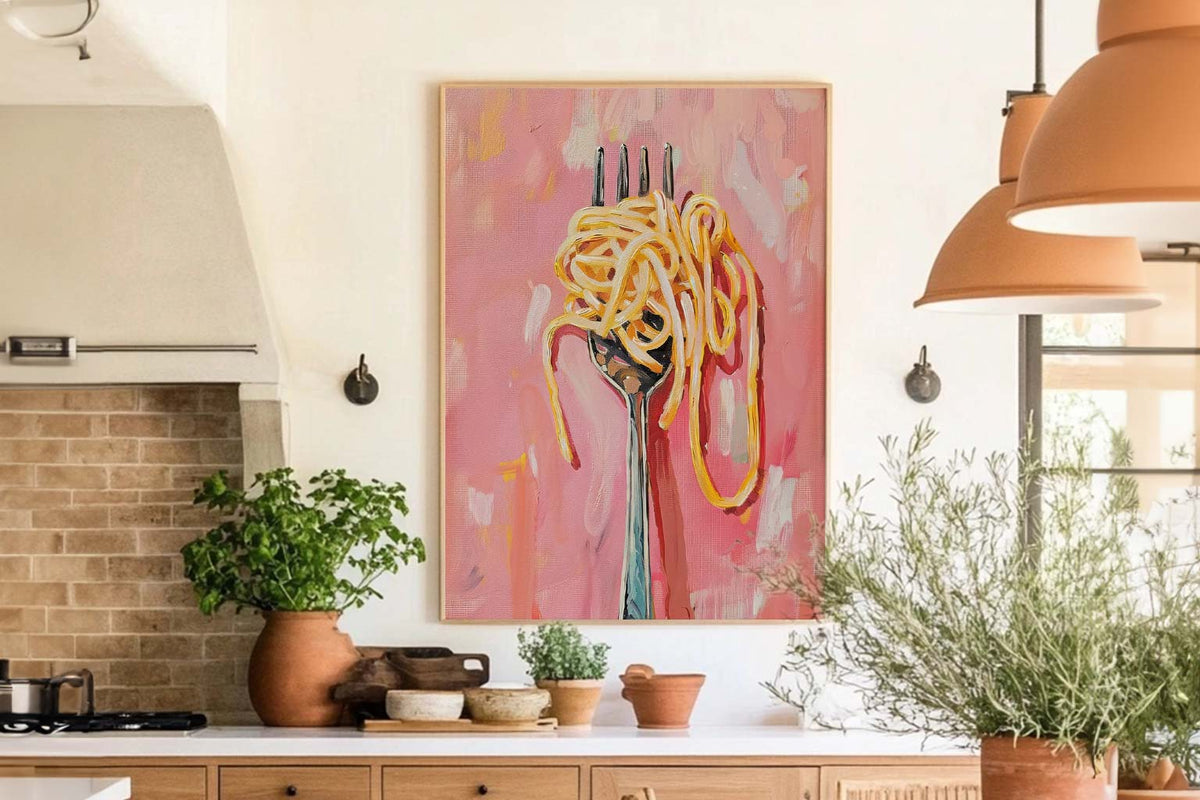
De beste wandkunst voor keukens en eetruimtes
Geef je keuken en eetruimte dezelfde aandacht als de rest van je huis. Inspiratie voor thema’s, kleur, plaatsing, formaat en praktische keuzes die warmte brengen zonder rommel.
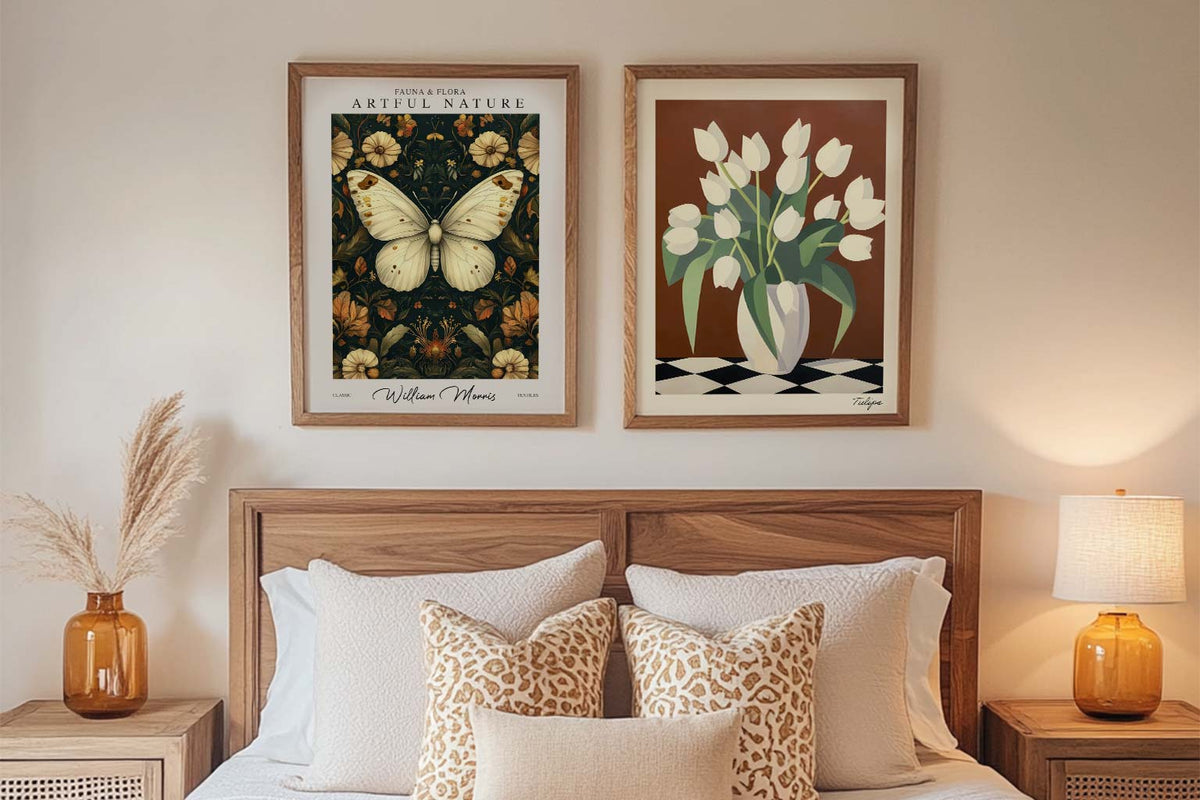
Je eerste kunstprints: een gids voor beginners
Begin zonder keuzestress: praktische tips om je eerste kunstprints te kiezen op kleur, plek en budget — zodat je huis meteen meer als thuis voelt.
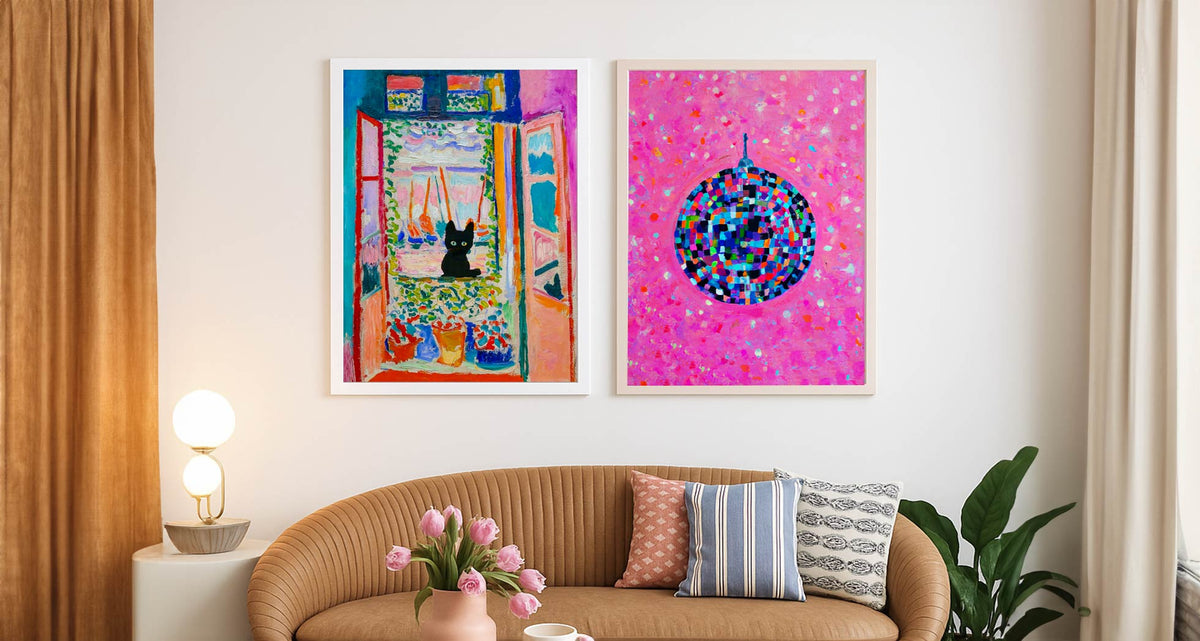
Zo personaliseer je een huurwoning met wandkunst
Maak je huurwoning eigen met wandkunst, zonder boren of gedoe: van Command-strips en schilderijenplanken tot leunen, lijsten en slimme keuzes die met je meeverhuizen.
 Vragen over receptposters



Korte antwoorden over inlijsten, de plek bij kookzones, en de keuze tussen handgeschreven en gezette stijlen.