
 Heute bestellen, Lieferung bis
 Häuser-Kunstdrucke stilvoll dekorieren: Ideen, die in jedem Raum funktionieren
How to decorate with the prints you actually love without turning your lounge into a property brochure.


Du hast dir einen schönen Kunstdruck eines georgianischen Stadthauses gekauft – oder vielleicht eine Reihe pastellfarbener Lissaboner Fassaden –, weil du Architektur wirklich liebst. Sechs Monate später sind zwei weitere dazugekommen und jetzt sieht dein Flur verdächtig nach dem Schaufenster eines Maklerbüros aus. Die Lösung ist nicht: weniger Häuser-Kunstdrucke. Sondern: klüger auswählen, besser arrangieren, bewusst mischen.
Warum Häuser-Kunstdrucke wirken (und manchmal nicht)
Häuser-Kunstdrucke haben einen unmittelbaren emotionalen Sog. Sie wecken Urlaubsgefühle, Erinnerungen an das Elternhaus, den Tagtraum, eines Tages ein schiefes Cottage in Cornwall zu besitzen. Architekturmotive leisten außerdem etwas, was viele andere Kunst nicht tut: Sie geben dem Auge Struktur. Fenster, Dachlinien, Türen – all diese Geometrie lässt ein Bild an der Wand geerdet und überlegt wirken.
Das Problem: Sie können auch sehr wörtlich wirken. Ein Haus ist ein Haus. Hängst du drei in eine Reihe, hört dein Gehirn auf, Kunst zu sehen, und beginnt, ein Immobilienexposé zu lesen. Diese Kategorie kippt schneller ins Thema als Landschaften oder Botanicals, weil das Sujet so spezifisch und so häuslich ist.
Genau diese Spannung löst dieser Guide. Du musst die Motive, die du liebst, nicht aufgeben. Du musst nur aufhören, sie wie eine Sammlung zu behandeln – und anfangen, sie als Teil eines größeren visuellen Gesprächs zu sehen.

Wähle den passenden Haus-Stil zur Persönlichkeit deines Raums
Nicht alle Häuser-Kunstdrucke lesen sich gleich. Der Darstellungsstil ist viel wichtiger als das Motiv selbst – und genau hier geht die Zuordnung am häufigsten schief.
Linienzeichnungen und Tusche-Illustrationen
Klares Schwarz-Weiß-Linework fühlt sich zeitgemäß, fast grafisch an. Das passt zu modernen Interieurs, Homeoffices und Räumen mit viel Weißfläche. Es sitzt großartig neben Typografie-Prints oder minimalistischen Abstraktionen. Ein lineargezeichneter Pariser Häuserblock kann – gut gerahmt – so cool wirken wie jedes abstrakte Werk.
Aquarell und Gouache
Weichere, malerische Häuser-Motive strahlen Behaglichkeit und Persönlichkeit aus. Sie funktionieren in Schlafzimmern, Kuschelecken und Leseplätzen, wo Wärme statt Statement gefragt ist. In Kombination mit Vintage-Botanicals oder gedeckten Landschaften singen sie.
Fotografie
Architekturfotografie ist die kniffligste Stilrichtung, ohne ins Makler-Territorium zu rutschen. Am besten wirkt sie, wenn das Bild ungewöhnlich ist: ein enger Schnitt auf eine farbige Tür, ein einzelnes Fenster mit herabhängender Wäsche, ein Luftbild pastellfarbener Dächer. Breite, frontale Aufnahmen ganzer Häuser sind die Gefahrenzone.
Abstrakt und stilisiert
Kubistisch angehauchte, flächige oder geometrische Interpretationen von Gebäuden sind unsere Favoriten für größere Formate. Sie liefern das geliebte Thema ohne Wörtlichkeit. Ein abstraktes Stadtbild in 70x100cm wird zuerst als Kunst gelesen – und erst dann als Architektur.
Stöbere in Architektur-Kunstdrucken mit einem kritischen Blick für den Darstellungsstil, nicht nur fürs Motiv. Dieselbe toskanische Villa in Aquarell statt als Foto wirkt an deiner Wand vollkommen anders.
Die goldene Regel: Häuser-Kunstdrucke mit anderen Motiven mischen
Hier ist die Formel, zu der wir immer wieder zurückkehren: In einem Wandarrangement oder in einem einzelnen Raum sollten höchstens die Hälfte der Drucke Häuser zeigen. Idealerweise weniger.
Ein praktikables Verhältnis für eine Dreier-Galeriewand ist ein Häuser-Kunstdruck und zwei Nicht-Haus-Motive. Bei einer Fünferhängung maximal zwei Häuser. Die anderen Motive durchbrechen das visuelle Muster, verhindern, dass dein Auge Immobilien katalogisiert, und lassen das Hausmotiv tatsächlich bewundert werden.
Das passt dazu:
- Botanicals. Blätter, gepresste Blumen und Herbarium-Studien sind das natürliche Gegengewicht zu architektonischen Linien. Die organischen Formen soften die Geometrie. Eine Pothos-Studie neben einer Stadthaus-Fassade ist eine perfekte Kombi.
- Abstrakte Formen oder Farbfelder. Ein gedecktes Abstraktes in Tönen, die du deinem Häuser-Motiv entnimmst, verbindet das Arrangement, ohne das Thema zu wiederholen.
- Landschaftsdrucke. Weite Horizonte und offene Landschaften geben dem Auge Ruhe. Sie spielen auch inhaltlich mit der Idee vom Haus als geschützter Struktur in der Natur.
- Stillleben oder Objektstudien. Eine einzelne Vase, eine Schale Zitronen, ein Bücherstapel. Ruhig, häuslich – und ein brillanter tonaler Partner.
Wovon du Häuser-Kunstdrucke lieber fernhältst: noch mehr Häuser in anderem Stil. Zwei Aquarell-Cottages neben einem lineargezeichneten Brownstone aus Brooklyn wirken wie Unentschlossenheit. Lege dich innerhalb eines Arrangements auf eine Richtung fest.
Botanische Drucke und Landschaftsdrucke sind die beiden Kollektionen, zu denen wir raten, wenn uns jemand fragt, was zu Häusern passt. Funktioniert immer.
Layout-Ideen für Arrangements aus zwei oder drei Drucken (mit Maßen)
Vage Ratschläge wie „Misch die Größen“ helfen nicht. Hier sind Layouts, die wirklich funktionieren – mit konkreten Maßen, die du bestellen kannst.
Der Blickfang plus zwei
Ein größerer Häuser-Kunstdruck, flankiert von zwei kleineren, thematisch ergänzenden Motiven. Das ist das verzeihendste Layout überhaupt.
- Zentral: 50x70cm Häuser-Kunstdruck (stilisiert oder Aquarell funktioniert in dieser Größe am besten)
- Links und rechts: 30x40cm botanische Studien, auf Höhe der Mittellinie des zentralen Drucks aufgehängt
- Abstand: 5–7cm zwischen den Rahmen
Die flankierenden Drucke sollten ruhiger sein als der mittlere. Ist dein Hausmotiv farbig, wähle an den Seiten Monochrom. Ist es schwarz-weiß, kannst du beidseits gedämpfte Farbe einführen.
Das asymmetrische Trio
Drei Drucke in unterschiedlichen Größen, versetzt angeordnet. Besser für schmalere Wände und zeitgemäßere Räume.
- Größter Druck: 60x80cm Abstrakt oder Landschaft, leicht links der Mitte gehängt
- Mittel: 40x50cm Häuser-Kunstdruck, rechts davon höher gehängt
- Kleinster: 30x40cm Botanical oder Stillleben, unten rechts unterhalb des mittleren
Der Häuser-Druck sitzt in der mittleren visuellen Gewichtung, nicht an der Spitze. Das ist Absicht. So liest der Raum nicht „Hausbild plus ein bisschen Beiwerk“.
Das Paar
Zwei Drucke, nebeneinander, gleiche Größe. Einfach und leise selbstbewusst.
- Zwei 50x70cm Drucke – einer Haus, einer nicht –, mit 8cm Abstand
- Hänge den Mittelpunkt zwischen den beiden Rahmen auf etwa 145cm ab Boden (tiefer, als man instinktiv geht, aber für die meisten Betrachter auf Augenhöhe)
Funktioniert über einem Sideboard, einem Konsoltisch oder einer niedrigen Bank im Flur.

Über dem Sofa
Die meistgestellte Frage: Welche Bildgröße über dem Sofa? Die Gesamtbreite deiner Kunst sollte etwa zwei Drittel der Sofabreite betragen. Bei einem 200cm-Dreisitzer sind das rund 130–140cm Gesamtbreite. Das ist entweder ein 100x70cm Häuser-Kunstdruck im Querformat oder ein Trio aus 40x50cm Drucken mit Abstand.
Hänge die Unterkante 15–20cm über die Sofalehne. Näher wirkt schwebend; weiter weg wirkt abgekoppelt.
Farbpaletten, die Häuser-Kunstdrucke aufwerten
Bei Farbe entscheidet sich, ob Häuser-Motive in die Kunstabteilung aufsteigen oder ins Kitschige abrutschen. Ein paar Regeln, auf die wir schwören.
Ton-in-Ton innerhalb des Arrangements bleiben
Hat dein Hausmotiv salbeigrüne Fensterläden und Terrakotta-Dachziegel, greife genau diese Töne in den umliegenden Drucken auf. Ein Botanical mit Salbeiblättern, ein Abstraktes mit Terrakotta-Flächen. Das Arrangement liest sich als eine Komposition statt als drei Einzelentscheidungen.
Umgebung zurücknehmen
Am edelsten wirken Häuser-Kunstdrucke vor sanft zurückgenommenen Wandfarben: warmes Weiß, Lehm, Mushroom, pudriges Putzrosa, tiefes Salbei. Strahlend weiße Wände können Architektur-Prints klinisch erscheinen lassen. Kräftige Akzentwände konkurrieren oft. Ziel ist ein Wandton, der dem Motiv Raum zum Atmen gibt.
Auf drei Farben begrenzen
Über eine Wand hinweg beschränkst du dich auf drei dominante Farben plus Neutraltöne. Hat dein Hausmotiv Marineblau, Ocker und Creme, dann sind das deine drei. Alles andere an dieser Wand – inklusive Rahmen – sollte sie unterstützen.
Rahmenfarbe ist wichtiger, als man denkt
Eine schmale schwarze Leiste lässt einen Häuser-Kunstdruck wie ein grafisches Kunstwerk wirken. Natur-Eiche macht dasselbe Motiv weicher und wohnlicher. Ein weißer Rahmen kann selbst eine schöne Illustration so aussehen lassen, als wäre sie mit dem Raum gekommen. Unsere Präferenz bei Häusern ist meist eine schmale schwarze oder warme Eichenleiste – je nachdem, ob der Raum moderner oder natürlicher wirkt. Breite weiße Rahmen bei diesem Thema vermeiden.
Räume, in denen Häuser-Kunstdrucke glänzen: Flure, Schlafzimmer und Homeoffice
Manche Räume vertragen mehr Hausmotive als andere. Die Regel ist simpel: Je weniger Zeit du in einem Raum verbringst, desto mehr Thema kann er tragen.
Flure
Flure sind Übergangszonen. Man geht durch. Man sitzt nicht eine Stunde und schaut die Wände an. Deshalb können sie eine stärker thematische Hängung tragen, ohne zu erdrücken. Im Flur würden wir durchaus drei Häuser-Kunstdrucke in einer Reihe hängen – vorausgesetzt, sie teilen sich Stil und Farbfamilie.
Lange Flure stehen Serien gleich großer Drucke (zum Beispiel vier 30x40cm gerahmte Linienzeichnungen europäischer Haustüren) mit gleichmäßigem Abstand. Das wirkt überlegt, fast galeristisch.
Schlafzimmer
Schlafzimmer wollen Weichheit. Ein einzelner großer Aquarell-Häuser-Kunstdruck über dem Bett, kombiniert mit einem kleinen Botanical an der Bettwand, ist völlig ausreichend. Vermeide hier Fotografie. Die Realistik eines fotografischen Hauses kann im Schlafraum aufdringlich wirken.
Homeoffices
Arbeitszimmer profitieren von der Struktur, die Häuser-Motive mitbringen. Architektonische Linien fördern Fokus und Ordnung. Ein Paar lineargezeichneter Architektur-Prints über dem Schreibtisch oder ein einzelnes großes abstraktes Stadtbild an der gegenüberliegenden Wand gibt dem Raum Intention ohne Ablenkung.
Wohnzimmer und Küchen
Hier ist die meiste Zurückhaltung gefragt. Ein Häuser-Kunstdruck, maximal, sauber eingebettet in einen breiteren Motivmix. Im Wohnzimmer sitzen Gäste und schauen. In der Küche verbringst du Stunden. Beide danken Subtilität.

Häufige Fehler – und wie du den Makler-Look vermeidest
Der Makler-Look ist sehr spezifisch: mehrere fotografische Häuser-Drucke, alle ungefähr gleich groß, sauber im Raster gehängt, alle zeigen Häuser frontal. Vermeide jedes einzelne dieser Elemente – und du bist fein raus.
Fehler eins: alles Fotografie
Fotografische Häuser-Motive sind die wörtlichste Variante. Verwende pro Raum maximal eines – und schneide lieber eng als weit. Ein Close-up eines Rundbogenfensters schlägt eine komplette Hausfront jedes Mal.
Fehler zwei: gleiche Größen im Raster
Vier gleich große Häuser-Drucke im 2x2-Raster sind der schnellste Weg zu „Immobilienkatalog“. Varriere die Größen, brich das Raster – oder setze konsequent auf eine lange, einzelne Linie.
Fehler drei: nur wörtlich, keine Abstraktion
Wenn jeder Häuser-Druck ein erkennbares, naturgetreu wiedergegebenes Gebäude zeigt, wirkt die Summe dokumentarisch statt dekorativ. Mische mindestens eine stilisierte oder abstrakte Interpretation dazu.
Fehler vier: Maßstab verkehrt
Kontraintuitiv, aber wahr: Große Häuser-Drucke sollten abstrakter sein, kleinere dürfen detailreicher. Ein 100x70cm Hausfoto dominiert den Raum mit seiner Wörtlichkeit. Ein 100x70cm abstraktes Stadtbild beansprucht denselben Platz als Kunst. Detailreiche, illustrative Häuser-Motive sparst du dir für 30x40cm oder 40x50cm auf.
Fehler fünf: die Frage nach der persönlichen Verbindung ignorieren
Ein Druck deines tatsächlichen Elternhauses oder des Ferienhauses, in dem du geheiratet hast, darf mehr Wörtlichkeit tragen – weil Bedeutung mitschwingt. Ein generisches Stock-Cottage nicht. Sei ehrlich zu dir selbst, was bei dir zutrifft.
Fehler sechs: zu hoch hängen
Die meisten hängen Kunst 15–20cm zu hoch. Die Mitte deines Arrangements sollte etwa 145–150cm ab Boden liegen – das fühlt sich erst niedrig an, nach einer Woche aber für immer richtig.

Die Abkürzung für all das: Behandle Häuser-Kunstdrucke als eine Zutat, nicht als das Rezept. Stöbere in Häuser-Kunstdrucken nach dem Stück, das du wirklich liebst, und baue den Rest der Wand darum herum, es zu zügeln. Die besten Architektur-Arrangements, die wir bei Kundinnen und Kunden gesehen haben, lassen ein starkes Häuser-Motiv sprechen und alles andere spielt Nebenrollen. Das ist der Unterschied zwischen einem Zuhause, das Architektur liebt, und einem, das aussieht, als stünde es zum Verkauf.

In diesem Blog vorgestellte Fab-Produkte
-

Poster Sonnenuntergang am Meer mit Segelboot
Verkaufspreis Ab €16,95€23,95 -

Poster Londoner Stadthaus in Pastellrosa
Verkaufspreis Ab €16,95€23,95 -

Poster Willkommen im Irrenhaus – Schwarz-Weiß-Statement
Verkaufspreis Ab €16,95€23,95 -

Poster Moderne geometrische Formen in Gelb und Grün
Verkaufspreis Ab €16,95€23,95 -

Poster Mi Casa Su Casa – Willkommen in Schwarz-Weiß
Verkaufspreis Ab €16,95€23,95 -

Poster Willkommen im verrückten Haus
Verkaufspreis Ab €16,95€23,95 -
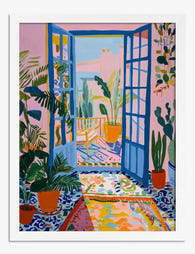
Poster Matisse-inspirierter Wintergarten in Pink und Blau
Verkaufspreis Ab €16,95€23,95 -

Poster Londoner Reihenhäuser in Pastellfarben
Verkaufspreis Ab €16,95€23,95 -

Poster 'House of Fun' – Typografie in Blau
Verkaufspreis Ab €16,95€23,95 -

Leinwandbild Modernes Bauhaus-Refugium
Verkaufspreis Ab €65,95€93,95 -

Poster Pastellfarbene Pariser Häuser
Verkaufspreis Ab €16,95€23,95 -
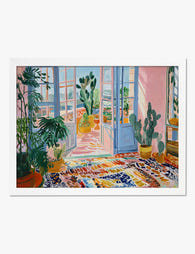
Poster Wintergarten im Matisse-Stil
Verkaufspreis Ab €16,95€23,95 -

Poster Bunte Pop-Art-Illustration fürs Wohnzimmer
Verkaufspreis Ab €16,95€23,95 -

Poster Bunte Reihenhäuser in der Stadt
Verkaufspreis Ab €16,95€23,95 -

Poster Sonnendurchfluteter moderner Raum
Verkaufspreis Ab €16,95€23,95 -

Poster Blaues Stadthaus mit Gartenpflanzen und schwarzer Katze
Verkaufspreis Ab €16,95€23,95 -

Poster Pastellfarbener Reihenhaus-Charme
Verkaufspreis Ab €16,95€23,95


Mehr aus The Frame

Rom vs. Venedig vs. Florenz: Die richtigen Ital...
Rom, Venedig und Florenz sind traumhafte Fotomotive – an der Wand verhalten sie sich jedoch ganz unterschiedlich. Jede Stadt hat ihre eigene Farbpalette, ihren eigenen emotionalen Ton und die Räume,...

Katzenkunst, die deiner Katze wirklich ähnelt: ...
Irgendwo zwischen einem 300 € teuren Auftragsporträt und einem zufälligen Druck einer generischen roten Tabby-Katze liegt die goldene Mitte: fertige Katzenkunst, die deiner Katze wirklich ähnlich sieht. Dieser Guide zeigt...

Die erwachsene Art, verspielte Wandkunst im Woh...
Verspieltheit hat ein Imageproblem. Sie wird gedanklich neben Kinderzimmer-Mobiles und Studentenzimmer-Postern abgelegt, dabei stützen sich gerade viele der spannendsten, erwachsenen Interieurs auf spielerische Kunst. Der Unterschied zwischen charmant und kindlich...