
 Lächeln garantiert
 Heute bestellen, Lieferung bis
 How to Hang Abstract Art Prints: Sizing, Spacing, and Placement Rules That Actually Work
The exact measurements, formulas and placement rules that turn a blank wall into something that actually looks intentional.


Most art looks wrong on the wall because it's hung too high, sized wrong for the furniture below it, or spaced like an accident. The rules below fix all three. Use them once and you'll never eyeball a hanging job again.
The 57-inch rule: why centre-of-eye-line hanging changes everything
Galleries and museums hang work so the centre of each piece sits 57 to 60 inches (roughly 145 to 152cm) from the floor. That's the average human eye level. Hang higher and the art floats away from the room. Hang lower and it looks like it's sliding off the wall.
The mistake almost everyone makes is hanging too high, often because they line the top of the frame up with a door frame or shelf. Don't. Anchor to the centre, not the top.
Here's the maths for finding your hook position. You need three numbers: artwork height, distance from the top of the frame to the hanging wire when pulled taut, and your target centre point (57 inches as standard).
Hook height = 57 + (artwork height ÷ 2) − (distance from top of frame to taut wire)
Example: a 70x100cm print (so 100cm tall, around 39 inches) with a wire that pulls 2 inches below the top of the frame. Hook height = 57 + 19.5 − 2 = 74.5 inches from the floor. Mark, drill, done.
If you have very high ceilings (over 3 metres) or unusually tall furniture below the art, you can push the centre line up to 60 to 65 inches. That's the only good reason to break this rule.

The 2/3 rule: sizing your print to your furniture
Art hung above furniture should be roughly two-thirds the width of the piece below it. Not the same width (looks heavy), not half (looks lost). Two-thirds reads as deliberate.
Quick examples:
- 220cm sofa: aim for art around 145 to 150cm wide. A 100x150cm canvas works perfectly.
- 180cm sideboard: aim for around 120cm wide, or a pair of 60x80cm prints hung side by side.
- 120cm console table: aim for around 80cm wide. A single 60x80cm framed print is right.
- 160cm headboard (double bed): aim for around 105cm wide. A 70x100cm print landscape, or two portraits.
The rule works because it creates a visual anchor. The furniture and the art read as one composition rather than two separate objects competing for attention. If you're sizing up large wall art for a big sofa, this is the formula that stops you under-buying.
A common error: putting a 40x50cm print above a three-seater sofa. It looks like a postage stamp. If the only print you love is small, hang it elsewhere or build a gallery wall around it.
The 3-5-7 rule for grouping abstract prints on one wall
Odd numbers look balanced. Even numbers look formal and a bit stiff. For gallery walls, use three, five, or seven pieces.
Three prints: the easiest grouping. Hang in a horizontal row above a sofa or sideboard, or stack vertically in a narrow space like a stairwell or beside a doorway. Keep the centre of the middle print on the 57-inch line.
Five prints: classic gallery wall territory. Try a 2-1-2 layout (two prints, one centred below, two more) or a loose grid. Pick one "anchor" print that's larger than the others and build around it.
Seven prints: for big walls only. Aim for an asymmetrical cluster where no two prints are the same size. Vary orientation (mix portrait and landscape) so the eye keeps moving.
Geometric and abstract shapes are particularly good for groupings because the visual language is consistent even when the compositions differ. A circle, a triangle, and a stripe pattern from the same palette will hang together effortlessly. Browse abstract shapes art prints if you want a coherent set without spending hours matching.
If you don't want to design from scratch, pre-curated wall art sets take the pairing decisions off your hands.
Spacing between frames: the 5-8cm sweet spot
For gallery walls, leave 5 to 8cm (around 2 to 3 inches) between frames. Closer than 5cm and the prints feel crammed. Wider than 8cm and the grouping breaks apart into individual pieces with no relationship to each other.
Stick to one spacing measurement across the whole arrangement. If your prints are 6cm apart horizontally, they should also be 6cm apart vertically. Inconsistent gaps are what make a gallery wall look like it happened by accident.
Abstract geometric prints are unforgiving here. Clean lines and hard edges make every misalignment obvious. A 1cm difference in spacing between two prints with strong vertical lines will jump out at you every time you walk past. Measure twice.
A useful trick: cut paper templates the exact size of each print, tape them to the wall with painter's tape, and live with the layout for a day. Move things around. Take a photo and look at it on your phone (the camera flattens the wall and reveals problems your eye misses). Only then drill.

Single statement piece vs gallery wall: how to decide
A single large print works best when:
- The wall is the focal point of the room (above a sofa, bed, or fireplace).
- The room already has a lot of pattern, texture, or visual activity. One bold piece calms it down.
- You want the art itself, not the arrangement, to do the talking.
A gallery wall works best when:
- The wall is wider than 2.5 metres and a single print would have to be enormous to fill it.
- You collect art and want to show range rather than commit to one piece.
- The room is otherwise minimal and could use the visual energy.
For abstract art specifically, single statement pieces are often the stronger choice. Strong geometric compositions are designed to hold a wall on their own. Cluttering them up with neighbours can dilute the impact. If the print you've fallen for has presence, give it space.
Hanging above a sofa, bed, console table, and mantelpiece
Each piece of furniture has its own rule for the gap between the top of the furniture and the bottom of the art frame.
Above a sofa: 15 to 20cm (6 to 8 inches) between the top of the sofa back and the bottom of the frame. Less than 15cm and the art feels swallowed by the sofa. More than 25cm and it floats off into the wall. The art should be roughly two-thirds the sofa's width.
Above a bed: 15 to 20cm above the headboard. If you don't have a headboard, drop to the 57-inch centre line as if the bed weren't there. The art should sit within the width of the mattress, never wider than the bed.
Above a console table: 15 to 25cm above the table surface, depending on what's on the table. If you've got tall lamps or a vase of stems, leave more room so the art sits above the clutter, not behind it. Width should be two-thirds of the console.
Above a mantelpiece: 10 to 15cm above the mantel. This is the one place you can break the 57-inch rule, since the mantel itself dictates the height. Width should be slightly narrower than the mantel, around 70 to 80% of its width, never wider.
For dining rooms, where people are mostly seated, you can drop the centre line slightly to 54 to 56 inches so the art reads correctly when you're at the table.
Tools you actually need (it's fewer than you think)
You don't need a laser level or a stud finder for most jobs. Here's the actual list:
- Tape measure (a metal one, not fabric)
- Spirit level (a small 30cm one is plenty)
- Pencil
- Painter's tape for marking and templating
- Drill with a masonry bit if you're going into brick or plaster, a wood bit if into stud
- Wall plugs and screws sized for the artwork weight, or picture hooks for lighter prints
For walls under 5kg of art, a single nail or picture hook is fine. For framed prints over 5kg, use two fixings spaced apart, which also keeps the frame perfectly level over time. Plasterboard with no stud behind it needs a proper plasterboard anchor (the metal self-drilling kind) for anything heavier than a small unframed print.
If you're not sure what's behind your wall, tap it. A hollow sound means plasterboard. A dull thud means brick or solid plaster. Drill accordingly.

Why ready-to-hang framing saves you the biggest headache
The single biggest hanging frustration isn't the maths. It's frames that arrive separately from the print, prints that warp during shipping, glass that breaks in transit, or fixtures you have to attach yourself.
This is where buying framed art prints that arrive ready to hang changes the job from a two-hour project to a fifteen-minute one. Frame and print ship in one box, properly fitted, with the hanging fixtures already attached. You measure, mark, drill, hang. That's it.
A few details worth knowing if you're buying framed work:
- UV-protective acrylic glaze instead of glass means no risk of shattering and no glare on the print. It's also lighter, which matters when you're hanging anything over 70cm.
- Solid wood frames (real FSC-certified wood, not MDF or veneer) hold their shape over time and don't bow at the corners after a humid summer.
- Matte giclée printing on thick paper keeps colours accurate and avoids the shiny, plasticky look cheaper prints have under directional lighting.
Lighting matters more for abstract geometric work than almost any other style. Directional light from a wall sconce or picture light will throw shadows across raised paper texture and make shapes feel three-dimensional. Flat overhead light flattens everything. If you're investing in a statement piece, think about how it'll be lit before you hang it.
A quick reference cheat sheet
| Furniture | Typical width | Aim for art width | Gap above furniture |
|---|---|---|---|
| 3-seat sofa | 220cm | ~145cm | 15-20cm |
| 2-seat sofa | 160cm | ~105cm | 15-20cm |
| Sideboard | 180cm | ~120cm | 15-25cm |
| Console table | 120cm | ~80cm | 15-25cm |
| Double bed headboard | 160cm | ~105cm | 15-20cm |
| King bed headboard | 180cm | ~120cm | 15-20cm |
| Mantelpiece | varies | ~75% of mantel | 10-15cm |
When to break the rules
Rules are starting points, not commandments. High ceilings over 3 metres can take a centre line of 60 to 65 inches. Asymmetrical abstract compositions sometimes look better hung slightly off-centre on purpose. Corner arrangements and stairwell galleries follow their own logic (the centre line should track the line of the stairs, not stay flat).
The rule to never break: don't hang too high. If you only remember one number from this article, remember 57 inches.

Final thought
Get the centre line right, get the proportion to your furniture right, and the rest is detail. Most hanging mistakes come from skipping the measuring tape, not from a lack of design instinct. Spend ten minutes with a pencil and a spirit level before you spend two minutes with a drill, and the wall will look like you knew what you were doing all along.

In diesem Blog vorgestellte Fab-Produkte
-

Leinwandbild Abstrakte Geometrie im Bauhaus-Stil
Translation missing: de.products.product.sale_price Ab €64,95€92,95 -

Poster/Leinwandbild Bauhaus-Geometrie in Blau und Weiß
Translation missing: de.products.product.sale_price Ab €64,95€92,95 -

Poster moderne geometrische Formen in neutralen Erdtönen
Translation missing: de.products.product.sale_price Ab €16,95€23,95 -

Poster/Leinwandbild Bauhaus-Geometrie in Grün und Creme
Translation missing: de.products.product.sale_price Ab €64,95€92,95 -

Poster Bauhaus-Geometrie in Schwarz auf Beige
Translation missing: de.products.product.sale_price Ab €16,95€23,95 -

Poster Bauhaus geometrische Komposition
Translation missing: de.products.product.sale_price Ab €16,95€23,95 -

Poster Bauhaus-Geometrie in Schwarz auf Beige
Translation missing: de.products.product.sale_price Ab €16,95€23,95 -

Poster Geometrische Bauhaus-Komposition in Pink
Translation missing: de.products.product.sale_price Ab €16,95€23,95 -

Poster moderne Bauhaus-Geometrie in Beige und Schwarz
Translation missing: de.products.product.sale_price Ab €16,95€23,95 -

Poster modernes geometrisches Design
Translation missing: de.products.product.sale_price Ab €16,95€23,95 -

Poster Geometrisches Bauhaus-Design
Translation missing: de.products.product.sale_price Ab €16,95€23,95 -

Poster moderne Bauhaus-Geometrie
Translation missing: de.products.product.sale_price Ab €16,95€23,95 -

Poster Elegante Balance – Line Art in Schwarz-Weiß
Translation missing: de.products.product.sale_price Ab €16,95€23,95 -
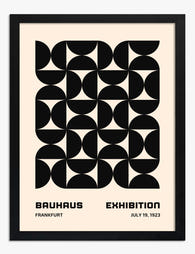
Poster Modernes Bauhaus-Raster in Schwarz und Beige
Translation missing: de.products.product.sale_price Ab €16,95€23,95 -

Poster Minimalistische Geometrie in Schwarz auf Beige
Translation missing: de.products.product.sale_price Ab €16,95€23,95 -

Poster Geometrische Grafik im Bauhaus-Stil
Translation missing: de.products.product.sale_price Ab €16,95€23,95 -

Poster Abstrakte Formen in Schwarz und Beige
Translation missing: de.products.product.sale_price Ab €16,95€23,95 -

Poster Abstrakte Formen im Matisse-Stil
Translation missing: de.products.product.sale_price Ab €16,95€23,95 -

Poster Minimalistische Balance – Geometrisch in Schwarz-Beige
Translation missing: de.products.product.sale_price Ab €16,95€23,95 -

Poster Moderne Geometrie im Bauhaus-Stil
Translation missing: de.products.product.sale_price Ab €16,95€23,95


Mehr aus The Frame

How to Build a Traditional Art Gallery Wall Tha...
Most gallery wall guides assume you're working with abstract prints and quirky line drawings. Traditional art is a different beast: heavier subjects, richer palettes, more formal frames. Done wrong, you...

Modern vs Classical Architecture Prints: A Side...
Architecture prints are one of the few wall art categories that work in almost any room, but the difference between a Pantheon dome and a Brutalist concrete facade isn't just...

How to Decorate With Fashion Prints: A Room-by-...
Fashion prints are the most underused category in wall art. People think they belong in dressing rooms or nowhere, then default to landscapes and abstracts everywhere else. This is a...