
 Heute bestellen, Lieferung bis
 Pop-Art-Galeriewand: Der Guide für kuratierte Layouts, die funktionieren
A dimension-specific playbook for building a pop art gallery wall that feels deliberate, not chaotic.


Pop-Art ist wie gemacht für Bilderwände. Die kräftigen Farben, wiederholten Motive und grafischen Formen liefern die halbe Kohärenz von selbst – genau deshalb lässt sich dieser Stil am einfachsten auf einer einzigen Wand gruppieren. Im Folgenden finden Sie einen praktischen, maßbezogenen Leitfaden, mit dem Sie sie wirklich umsetzen.
Warum Pop-Art der einfachste Stil für Bilderwände ist
Die meisten Bilderwände scheitern, weil die Drucke nichts miteinander zu tun haben. Eine düstere Landschaft, eine Line-Art-Zeichnung und ein botanischer Druck teilen weder Palette noch Energie – die Wand wirkt dann nach Kram statt nach Sammlung.
Pop-Art löst dieses Problem von Haus aus. Das Genre lebt von satten Primärfarben, flächigen Farbblöcken, Wiederholung und einem kontrastreichen Grafikstil. Das bedeutet: Fast zwei beliebige Pop-Art-Motive teilen sich bereits visuelle DNA, bevor Sie überhaupt mit dem Abstimmen beginnen.
Sie haben außerdem die Lizenz, laut zu sein. Bei zurückhaltenden Drucken fragen Sie sich ständig, ob der Raum noch mehr Farbe verträgt. Mit Pop-Art-Kunstdrucken ist Lautstärke das Programm – Sie können das Zweifeln lassen und mit dem Arrangieren beginnen.
Das einzige echte Risiko ist Übertreibung – deshalb geht es im Rest dieses Guides vor allem um Zurückhaltung.

Die richtige Wand wählen: Mindestgröße und die besten Räume für eine Pop-Art-Gruppe
Eine Pop-Art-Gruppe braucht Luft zum Atmen. Als arbeitsfähiges Minimum sollten Sie sich eine Wand mit mindestens 1,8 Metern Breite und 2,2 Metern Höhe geben – idealerweise ohne konkurrierende Kunst an den angrenzenden Wänden. Enger wird es schnell gedrängt, und genau das wollen Sie vermeiden.
Am besten eignen sich Räume, in denen Sie eher soziale als stille Zeit verbringen. Wohnzimmer, Flure, Küchen, Esszimmer und Arbeitszimmer funktionieren alle. Schlafzimmer sind heikler, weil die Farbenergie gegen Ruhe arbeiten kann – eine einzelne Akzentwand hinter dem Kopfteil kann jedoch großartig sein, wenn der Rest des Zimmers ruhig bleibt.
Vermeiden Sie es, eine Pop-Galeriewand gegenüber einem anderen lauten Feature zu platzieren. Wenn Sie bereits gemusterte Tapeten, ein leuchtend bezogenes Sofa oder einen sehr belebten Teppich haben, ist die Wand hinter dem ruhigsten Möbelstück Ihre beste Wahl. Weiß, Off-White, Hellgrau und warmes Beige funktionieren hervorragend als Hintergründe. Dunkles Marineblau oder Anthrazit kann ebenfalls gut aussehen und die Farben sogar verstärken – meiden Sie jedoch Wandtöne aus derselben Farbfamilie wie Ihre Drucke.
Wie viele Drucke Sie wirklich brauchen (Spoiler: weniger, als Sie denken)
Die Instinktreaktion bei Bilderwänden ist, immer weiter hinzuzufügen. Speziell bei Pop-Art ist das der schnellste Weg zu einer Wand, die an ein Teeniezimmer von 2007 erinnert.
Für die meisten Räume sind fünf Drucke der Sweet Spot. Drei wirken für die visuelle Wucht von Pop-Art oft zu wenig. Sieben kippt ins Hektische, außer die Wand ist wirklich riesig. Neun oder mehr gehören in einen gewerblichen Raum, nicht ins Zuhause.
Die Regel lautet: Je lauter das Werk, desto weniger Stücke brauchen Sie. Ein Raster aus neun zurückhaltenden Line-Arts wirkt bedacht. Ein Raster aus neun Pop-Art-Drucken wirkt wie ein Pop-up-Shop. Vertrauen Sie darauf, dass ein großer Anker plus drei oder vier begleitende Drucke dem Raum mehr geben als ein dichter Salon-Cluster.
Wenn das Budget eine Rolle spielt, starten Sie mit drei. Eine Bilderwand lässt sich jederzeit erweitern – ein durchdacht gesetztes Trio ist tatsächlich wirkungsvoller als ein gequetschtes Quintett, das Sie im Eiltempo gekauft haben.
Die Anker-Print-Methode: mit einem großen Stück starten und aufbauen
Die beste Einzelentscheidung: Wählen Sie einen Druck als Anker und bauen Sie den Rest der Wand darum herum auf.
Ihr Anker sollte der größte Druck sein, idealerweise etwa 70 x 100 cm, und leicht außermittig auf der Wand sitzen statt genau in der Mitte. Dieses Off-Centre platziert schafft die Asymmetrie, die eine Bilderwand kuratiert statt corporate wirken lässt.
Der Anker setzt die Palette. Die zwei bis drei dominanten Farben dieses Drucks definieren die Regeln für alles Weitere. Wenn Ihr Anker ein Lichtenstein-artiges Comic-Panel in Rot, Gelb und Schwarz ist, muss jeder Begleitdruck mindestens zwei dieser drei Farben enthalten. Keine Ausnahmen, kein „Aber dieses Blaue wäre doch witzig“. Disziplin an dieser Stelle trennt die bewusst gestaltete Wand von der verwirrten.
Rund um den Anker planen Sie zwei mittlere Drucke (ca. 50 x 70 cm) und zwei kleinere (30 x 40 cm oder 40 x 50 cm). Die Größenvariation erzeugt Rhythmus. Fünf Drucke in derselben Größe wirken schnell wie ein Kontaktabzug.

Farb-Kohärenz: Motive wählen, die mindestens zwei Töne teilen
Die Zwei-Ton-Regel ist der nützlichste Tipp in diesem Guide. Jeder Druck an der Wand muss mindestens zwei Farben mit dem Anker teilen.
Nicht ähnliche Farben. Dieselben Farben. Wenn der Anker ein bestimmtes Kirschrot und ein bestimmtes Zitronengelb verwendet, müssen Ihre anderen Drucke genau dieses Rot und dieses Gelb aufgreifen – nicht Burgunder und Senf. Pop-Art funktioniert über satte, deutliche Farbe; sobald Sie tonale Cousins mischen, verliert die Wand ihre Wucht.
Hier dürfen Sie auch Variation im Sujet einführen. Wenn die Farbe steht, können Sie Porträts, Typografie, Food-Motive, abstrakte Formen und grafische Illustration frei mischen. Die gemeinsame Palette hält alles zusammen.
Das Stöbern in farbigen Kunstdrucken ist hilfreich, selbst wenn Sie Ihren Anker schon haben. Legen Sie potenzielle Drucke neben Ihrem Anker auf dem Bildschirm an und kneifen Sie die Augen leicht zusammen. Wenn die Farben nicht sofort zusammenklicken, werden sie es an der Wand auch nicht tun.
Ein schneller Fehlerfall: Vermeiden Sie es, in einem Arrangement Drucke mit weißem Hintergrund und Drucke mit farbigem Hintergrund zu mischen. Der Weißraum verhält sich anders und das Auge bleibt hängen. Wählen Sie eine Herangehensweise und bleiben Sie dabei.
Abstände und Layout: eine konkrete Vorlage für ein Fünf-Print-Arrangement
Hier ist eine Vorlage, die fast überall funktioniert. Benötigte Wandfläche: etwa 2 Meter breit und 1,5 Meter hoch.
Die Drucke:
- 1 Anker in 70 x 100 cm (Hochformat)
- 2 mittlere in 50 x 70 cm (einer Hochformat, einer Querformat)
- 2 kleine in 40 x 50 cm (beide Hochformat)
Die Anordnung:
Platzieren Sie den Anker auf der linken Seite Ihres Wandabschnitts, mit seinem Zentrum auf standardisierter Augenhöhe (mehr dazu unten). Rechts daneben stapeln Sie zwei Drucke vertikal: oben den 50 x 70 cm im Querformat, darunter den 40 x 50 cm im Hochformat. Rechts davon stapeln Sie den verbleibenden 50 x 70 cm im Hochformat über dem zweiten 40 x 50 cm im Hochformat.
Abstände:
Lassen Sie 5 bis 7 cm (ca. 2 bis 3 Zoll) zwischen allen Rahmenkanten. Unter 5 cm wirkt es gequetscht. Über 7 cm liest die Wand nicht mehr als eine Komposition, sondern als einzelne Drucke, die zufällig dieselbe Wand teilen.
Der visuelle Trick: Die rechten Drucke orientieren sich locker an einer unsichtbaren vertikalen Mittellinie, während der Anker links das Ganze verankert. Das Auge landet zuerst auf dem Anker und wandert dann über die Begleitdrucke – genau die Reise, die eine gute Bilderwand bieten sollte.
Vor dem Bohren testen. Schneiden Sie Zeitungspapier oder Kraftpapier exakt auf die Größe jedes Rahmens, beschriften Sie die Vorlagen und kleben Sie sie mit Malerkrepp an die Wand. Leben Sie 24 Stunden damit. Schieben Sie um. Dieser Schritt dauert zehn Minuten und bewahrt Sie vor einer Wand voller überflüssiger Löcher.
Rahmen-Konsistenz: Warum einheitliche Rahmen laute Kunst gezielt wirken lassen
Speziell bei Pop-Art ist Rahmen-Matching nicht verhandelbar.
Wenn die Kunst ruhig ist, können gemischte Rahmen Charakter geben. Wenn die Kunst laut ist, erzeugen gemischte Rahmen Chaos. Ihre Drucke leisten bereits die visuelle Arbeit – die Rahmen sollten sich zurücknehmen.
Wählen Sie eine Rahmenoberfläche für die gesamte Wand und bleiben Sie dabei. Drei Finishes, die mit Pop-Art am stärksten arbeiten:
- Schwarz: schärft die grafischen Kanten von Pop-Art und wirkt galeriehaft
- Weiß: hellt das Gesamtbild auf und lässt die Farben strahlen
- Eiche natur: bringt Wärme hinein und verhindert sterile Kühle
Vermeiden Sie Gold, verschnörkelte oder „distressed“ Rahmen bei Pop-Art. Das Genre lebt von grafischer Modernität – dekorative Rahmen arbeiten dagegen.
Rahmenqualität ist wichtiger, als viele denken. Billige Rahmen verziehen sich, Drucke rutschen im Passepartout, und die ganze Wand wirkt nach einem Jahr leicht schief. Massive Holzrahmen halten die Form, und Acrylglas (statt Glas) vermeidet den Glanz, der Fotos ruiniert – und wenn ein Rahmen einmal fällt, zersplittert nichts auf dem Boden. Wenn Sie in fünf Drucke investieren, die zusammen hängen, ist dies der Punkt, an dem Sie nicht sparen sollten.
Für koordinierte Sets, bei denen die Rahmung bereits passt, stöbern Sie in Wandkunst-Sets – sie nehmen Ihnen auch das Größen-Pairing ab.

Richtig aufhängen: Werkzeuge, Höhen und das eine Maß, das zählt
Das eine Maß, das zählt: 145 bis 152 cm (ca. 57 bis 60 Zoll) vom Boden bis zur Mitte Ihrer Bilderwand-Komposition. Das ist die galerieübliche Augenhöhe und der mit Abstand größte Grund, warum viele heimische Bilderwände „leicht daneben“ wirken. Man hängt zu hoch. Fast immer.
Bei einer Fünfer-Anordnung messen Sie zur Mitte der gesamten Komposition, nicht zur Mitte des Ankers. Zeichnen Sie Ihre Drucke zuerst auf Papier (oder mit Vorlagen an der Wand) ein, bestimmen Sie den visuellen Mittelpunkt und nutzen Sie diesen als 145- bis 152-cm-Referenz.
Wenn die Wand über Möbeln sitzt, lassen Sie 15 bis 20 cm zwischen der Oberkante von Sofa, Sideboard oder Konsole und der Unterkante des niedrigsten Rahmens. Weniger, und die Kunst wirkt, als würde sie auf dem Möbel stehen. Mehr, und Möbel und Kunst verlieren den Bezug zueinander.
Werkzeuge, die Sie wirklich brauchen:
- Maßband
- Wasserwaage (eine Smartphone-App geht im Notfall, eine echte ist besser)
- Bleistift
- Papierschablonen und Malerkrepp
- Geeignete Befestigungen für Ihren Wandtyp (Bilderhaken für Putzwände, Dübel und Schrauben für Mauerwerk)
Markieren Sie die Position jedes Aufhängepunkts mit Bleistift, bevor Sie sich festlegen. Zweimal die Waage prüfen. Hängen Sie den Anker zuerst, dann arbeiten Sie nach außen. Wenn ein Druck 2 bis 3 mm aus der Waage ist, merkt es niemand. Wenn er 1 cm schief hängt, sehen es alle – für immer.
Gut zu wissen: Fachgerecht gerahmte Drucke kommen hängefertig mit vormontierter Aufhängung – das erspart den fummeligsten Teil. Wenn Sie aus der modernen Kunstdrucke-Kollektion bestellen, werden Drucke und Rahmen zusammen passgenau geliefert, sodass Sie nicht am Küchentisch Papier in einen Rahmen montieren müssen.

Fehlerbehebung
Die Wand wirkt zu unruhig. Nehmen Sie einen Druck ab – fast immer den kleinsten oder farbintensivsten. Leben Sie einen Tag mit der Lücke, bevor Sie entscheiden, ob Sie sie schließen.
Die Wand wirkt zu leer. Fügen Sie keinen weiteren Druck hinzu – vergrößern Sie zuerst die Rahmen. Ein größerer Anker behebt „Leere“ oft besser als zusätzliche Stücke.
Die Farben beißen sich trotz Regeln. Prüfen Sie die Hintergründe. Gemischte weiße und farbige Hintergründe sind meist der Übeltäter – nicht die Vordergrundfarben.
Es sieht okay, aber langweilig aus. Die Sujets sind vermutlich zu ähnlich. Behalten Sie die Farbregeln bei, aber bringen Sie mehr Vielfalt in die Motive.
Bauen Sie langsam auf, verankern Sie klug, matchen Sie die Rahmen und respektieren Sie die 145-cm-Regel. Pop-Art belohnt Selbstbewusstsein – aber nur, wenn die Struktur darunter präzise ist.

In diesem Blog vorgestellte Fab-Produkte
-

Poster Verspielte Pop-Art fürs Wohnzimmer
Verkaufspreis Ab £11.95£19.95 -

Poster Grafischer Pop-Blumenstrauß in Pink und Grün
Verkaufspreis Ab £11.95£19.95 -
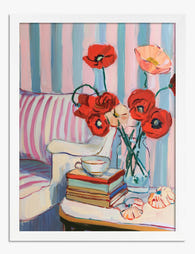
Poster Rote Mohnblumen & Pastellstreifen fürs Wohnzimmer
Verkaufspreis Ab £11.95£19.95 -

Poster Bunte Pop-Art-Illustration fürs Wohnzimmer
Verkaufspreis Ab £11.95£19.95 -

Poster Modernistischer Raum in Color-Pop-Farben
Verkaufspreis Ab £11.95£19.95 -

Poster Mohnblumen-Pop für das Wohnzimmer
Verkaufspreis Ab £11.95£19.95 -

Poster Blütenrausch in Pink und Grün
Verkaufspreis Ab £11.95£19.95 -

Poster Mohnblüte & Muster-Mix mit optischer Illusion
Verkaufspreis Ab £11.95£19.95 -

Poster Abstrakte Pop-Formen in Pink und Orange
Verkaufspreis Ab £11.95£19.95 -
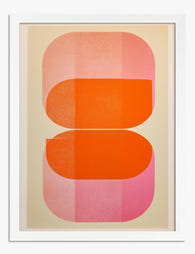
Poster Abstrakte Formen in Pink und Orange
Verkaufspreis Ab £11.95£19.95 -
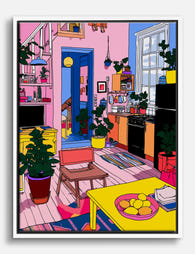
Leinwandbild farbenfrohe Pop-Art-Wohnszene
Verkaufspreis Ab £49.95£74.95 -

Leinwandbild Mohnblumen in gestreifter Vase mit Büchern & Teetasse
Verkaufspreis Ab £49.95£74.95 -

Poster Bunte Rennwagen auf der Rennstrecke
Verkaufspreis Ab £11.95£19.95 -

Poster Feige Pop-Art – Pink, Blau und Grün
Verkaufspreis Ab £11.95£19.95 -

Poster Botanische Pop-Art in Grün und Pink
Verkaufspreis Ab £11.95£19.95 -

Leinwandbild Verspieltes Pop-Porträt
Verkaufspreis Ab £49.95£74.95 -

Leinwandbild Pop-Art Wohnzimmer – farbenfrohe Illustration
Verkaufspreis Ab £49.95£74.95 -

Poster Pop-Art Sneaker-Duo vor rotem Hintergrund
Verkaufspreis Ab £11.95£19.95 -
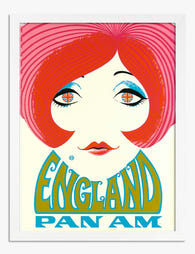
Poster Pop-Art mit Retro-England-Flair
Verkaufspreis Ab £11.95£19.95


Mehr aus The Frame

Der große Guide zur Rom-Galeriewand: Layouts, M...
Rom ist eine der wenigen Städte, die dir gleich drei ganz unterschiedliche Bildsprachen an die Hand geben: monumentale antike Architektur, warme Terrakotta-Dächer und die grafische Wucht von Mid-Century-Reisepostern. Kombinierst du...

Der vollständige Leitfaden für deine William‑Mo...
Eine William‑Morris‑Galeriewand steht und fällt mit Zurückhaltung. Die Muster leisten bereits viel – deine Aufgabe ist es, ihnen Raum, Struktur und eine konsequente Rahmung zu geben. Stimmt das Verhältnis, wirken...

Der größte Fehler bei Hunde-Wandbildern – und w...
Der größte Fehler bei Hunde-Wandkunst ist, sie als eigene Kategorie zu behandeln. Du würdest ja auch keine ganze Wand nur „Menschenporträts“ oder „Bilder von Gebäuden“ widmen – warum also verwandeln...