
 Order today for delivery by
 What to Put on a Big Blank Wall
A decision framework for the wall that's been staring at you blankly for months.


Big blank walls feel impossible because they multiply your options instead of narrowing them. Every idea seems plausible, nothing feels right, and the wall stays empty for another six months. This guide gives you a framework to eliminate the wrong answers fast so you can commit to the right one.
Why big walls paralyse you
A small wall makes the decision for you. A 60x80cm print, hung at eye level, done. A big wall offers infinite combinations of scale, layout, framing, colour, and budget, and most people freeze somewhere between "one giant piece" and "gallery wall of twelve things."
The fix is to stop browsing ideas and start eliminating them. Before you look at a single image, answer three questions: what type of wall is it, what room is it in, and what's your budget tier. Those three answers cut your viable options from hundreds down to two or three.
Step 1: Identify your wall type
Not all big walls are the same problem. Here are the four you'll most likely have.
Wall behind a sofa or bed. The furniture anchors the composition. Your art needs to relate to the piece below it, which means proportion matters more than anything else.
Hallway or stairwell wall. Long, often narrow, viewed at an angle and from close range. This is gallery wall territory, or a series of three to five pieces in a row.
Two-storey or double-height wall. Usually in entryways or open-plan living rooms. Eye level is meaningless here. You're decorating for a viewer standing across the room, often looking up.
Standalone feature wall. No furniture, no architectural anchor. The wall is the whole composition. Hardest of the four, because you have nothing to react to.

Step 2: Apply the 2/3 rule (properly)
Everyone mentions the 2/3 rule. Almost nobody explains how to actually use it.
Above furniture, your art (or grouping of art) should be roughly two-thirds the width of the piece below it. Not the wall, the furniture.
- Sofa is 220cm wide? Your art should span 140-160cm.
- Bed is 150cm wide (a standard UK double)? Aim for 100-110cm of art width.
- Console table is 120cm? You want 75-85cm.
For a single piece, that means one large print. For a pair, it means two prints with a 5-10cm gap that together hit the target width. For a gallery wall, it means measuring the outer edges of the whole arrangement, not each individual frame.
The most common mistake is hanging one small piece centred over a big sofa. A 50x70cm print above a 220cm sofa looks like a postage stamp. It's not too small in isolation. It's too small in context.
Step 3: Sizing formulas for blank walls (no furniture below)
If there's no furniture to react to, you size against the wall itself. A rough working formula:
- Wall 2-2.5m wide: main piece or grouping should be 120-160cm wide
- Wall 2.5-3.5m wide: aim for 160-220cm wide
- Wall 3.5m or more: you're looking at 220cm+ or a multi-piece composition
For height, the centre of your composition should sit at around 145-150cm from the floor. That's the gallery standard, and it works for most ceiling heights up to about 3m. Above that, raise the centre point slightly so it doesn't feel anchored to the skirting board.
Step 4: Pick a format
You have four realistic formats for a big wall. Most articles list ten. Most of those ten are variations of these four.
One oversized statement piece
The cleanest, most confident option. One large framed print up to 70x100cm, or a canvas print up to 100x150cm if you want something even bigger.
Best for: walls behind sofas, walls behind beds, anywhere you want the room to feel calm and intentional. Works in almost any style of home.
The trade-off: one piece carries all the visual weight. If you don't love it, you'll feel it every day.
A diptych or triptych
Two or three large prints hung side by side, usually with a 5-10cm gap. Same visual impact as one giant piece, but you can break the composition across the wall.
Best for: very wide walls (3m+) where a single piece would need to be impractically large. Also good if you want a sense of movement or progression.
A structured gallery wall
Four to nine pieces in a grid or balanced arrangement. Frames matched or deliberately varied.
Best for: hallways, stairwells, dining rooms, anywhere people will linger close to the wall. Less good above sofas, where it can feel busy.
A salon hang
Loose, layered, eclectic. Twelve-plus pieces of varying sizes, arranged organically. The "lived-in collector" look.
Best for: characterful older homes, creative spaces, people who genuinely collect art over time. Hard to fake. If you assemble all twelve pieces in one weekend from one shop, it shows.

Step 5: Match the format to the room
Living room
A standalone hero piece above the sofa is almost always the right answer. It reads from across the room, doesn't compete with the TV, and gives the space a clear focal point. Go big. The 2/3 rule is non-negotiable here.
If you have two big walls in your living room, do not put gallery walls on both. One feature wall, one quieter wall. Otherwise the room argues with itself.
Bedroom
Above the bed, calm wins. Soft tones, abstract or landscape work, nothing too high-contrast. A single large piece or a diptych works best. Avoid sharp geometric prints right above where you sleep. You won't notice consciously, but your nervous system does.
Browse abstract art or landscape prints for bedrooms specifically.
Hallway and stairwell
This is the natural home of the gallery wall. People walk past slowly, close to the wall, with time to look at each piece. A row of five matching prints along a hallway, or a stepped arrangement following a staircase, both work beautifully.
Dining room
Dining rooms reward bold choices. People are seated, facing the wall, often for an hour or more. Strong, characterful pieces hold up to that scrutiny. This is one of the few rooms where you can go louder than the rest of the house.
Two-storey wall
The hardest brief. Standard-sized art looks lost. Your options are: one enormous canvas (the 100x150cm size is built for this), a vertical stack of two or three large pieces aligned, or a tall arrangement that follows the rising line of a staircase. Hang the centre of the composition higher than usual, around 180-200cm from the floor, because viewers will mostly see it from across the room rather than up close.
Step 6: Budget tiers (be honest about cost)
Big art on a big wall is the one area of décor where going cheap is visible from the door.
Under £150. Realistic for one good-quality unframed print at A1 or 50x70cm size. You'll need to frame it yourself, which adds £40-80 if you want it to look polished. Honest assessment: this budget works for a bedroom or a secondary room. It will not fill a large living room wall properly.
£150-500. The sweet spot for most homes. A single 70x100cm framed print, or two or three medium pieces as a diptych or triptych. This is enough to get a museum-quality finish, proper framing in solid FSC wood, and a piece that holds the wall.
£500+. Lets you go to the largest sizes (100x150cm canvas or multiple 70x100cm framed prints) or commission something custom. Worth it for a hero wall in a room you spend hours in every day.
A point worth making: the failure mode for big wall art is almost always framing, not the print itself. Cheap frames warp, prints arrive separately and need fitting, mounts buckle in humid rooms. If you're going to spend on one upgrade, spend it on framing that arrives ready to hang, properly fitted, in one box. That's what makes a wall look finished rather than DIY.

Step 7: Avoid the five common mistakes
Going too small. Covered above. If in doubt, size up. A piece that's slightly too big looks intentional. A piece that's slightly too small looks like you ran out of money.
Hanging too high. Centre of the composition should sit around 145-150cm from the floor for standard rooms. Most people hang 15-20cm too high because they're standing up while doing it. Sit on the sofa and look at the wall before you commit.
Mismatched proportions in a gallery wall. If you mix frame sizes, the outer edge of the whole arrangement still needs to form a clean rectangle or a deliberate shape. Random placement looks like clutter.
Too many competing focal points. One big wall, one statement. If you put a feature pendant, a patterned wallpaper, and a huge artwork on the same wall, none of them win.
Choosing art to match the sofa. Art should relate to the room, not match it. A piece chosen purely because it picks up the cushion colour usually feels forced within a year. Choose something you'd love if the sofa changed tomorrow.
Canvas or framed: which for a big wall?
Both work. The choice depends on the room and the look.
Choose canvas if: you want maximum size for the budget, the room gets humid (bathrooms, kitchens, conservatories), you want a softer, more relaxed feel, or you don't want the visual weight of a frame.
Choose framed if: you want a more polished, gallery look, the wall is the main feature of a formal room, or you want UV protection for art in direct sunlight. Solid wood frames with UV-protective acrylic glaze keep colours from fading even on sun-facing walls, which matters more than people realise for a piece you'll own for a decade.
Canvas is lighter, easier to hang on plasterboard without heavy fixings, and forgiving in less formal rooms. Framed is heavier, more formal, and harder to get wrong because the frame does some of the visual work for you.
Renters: non-permanent options
If you can't drill, you have fewer options but they're not bad ones.
Heavy-duty adhesive strips will hold framed prints up to about 3kg, which covers most pieces up to 50x70cm. For anything larger, lean it. A 100x150cm canvas leaned against the wall behind a low console or sideboard looks deliberate, not improvised, and it's increasingly the way galleries display work themselves.
Picture rails, if your flat has them, take all the weight you need with no drilling. Underused.
You don't have to fill every wall
The most important permission in this entire article. Big blank walls don't all need filling. A room with one strong feature wall and three quiet walls feels considered. A room where every wall is shouting feels exhausting.
If you're decorating an open-plan living and dining area, pick one wall to be the hero. Let the others breathe. Empty wall space is not a failure. It's the visual rest that makes the filled walls land.

When to actually hire help
Most blank walls don't need a designer. They need a decision. But there are two situations where professional help genuinely pays off: double-height walls over 4m tall, and rooms where you've tried three times and nothing has worked. In both cases you're paying for someone to commit on your behalf, which is the hardest part.
For everything else, the framework above is enough. Identify the wall type, apply the proportion rule, pick a format, match it to the room, and choose a budget tier you can actually spend. The wall has been blank for months. Give yourself a weekend, not another six.

Fab products featured in this blog
-

Who We Have In Our Life Quote Canvas Print
Translation missing: en.products.product.sale_price From €64,95€92,95 -

Who We Have In Our Life Quote Art Print
Translation missing: en.products.product.sale_price From €16,95€23,95 -

Warhol Fantasy Quote Canvas Print
Translation missing: en.products.product.sale_price From €64,95€92,95 -
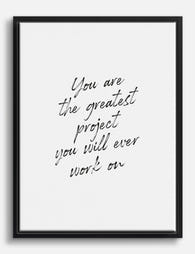
Greatest Project Quote Canvas Print
Translation missing: en.products.product.sale_price From €64,95€92,95 -

Modern Blah Typography Canvas Print
Translation missing: en.products.product.sale_price From €64,95€92,95 -

Bold Linear Statement Art Print
Translation missing: en.products.product.sale_price From €16,95€23,95 -
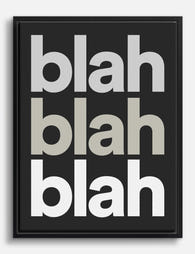
Bold Neutral Typography Canvas Print
Translation missing: en.products.product.sale_price From €64,95€92,95 -

Bold Strokes, Unique Vibes Canvas Print
Translation missing: en.products.product.sale_price From €64,95€92,95 -
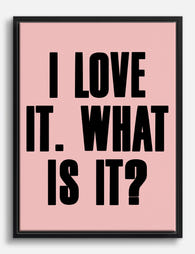
Love It, Ask Later Canvas Print
Translation missing: en.products.product.sale_price From €64,95€92,95 -

Bold Typography Statement Canvas Print
Translation missing: en.products.product.sale_price From €64,95€92,95 -

Bold Sign Statement Canvas Print
Translation missing: en.products.product.sale_price From €64,95€92,95 -

Empowering Words Canvas Print
Translation missing: en.products.product.sale_price From €64,95€92,95 -

Wonderwall Lyric Statement Art Print
Translation missing: en.products.product.sale_price From €16,95€23,95 -

Bold Typography Statement Canvas Print
Translation missing: en.products.product.sale_price From €64,95€92,95 -

Warhol Fantasy Quote Print Art Print
Translation missing: en.products.product.sale_price From €16,95€23,95 -
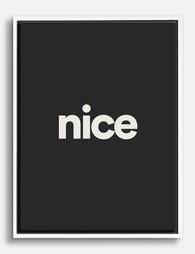
Bold Minimal Nice Typography Canvas Print
Translation missing: en.products.product.sale_price From €64,95€92,95


More from The Frame

What to Hang in Awkward Corners
Corners are the dead zones of most homes. Your eye skims past them, furniture refuses to sit flush against them, and you end up with a triangular patch of wall...

Art for Narrow Walls and Hallways
Narrow walls are the most under-decorated surfaces in most homes. Not because they're hard to style, but because most advice treats every awkward space as the same problem when really...

Art for Above a Console Table
A console table without art on the wall above it always looks unfinished. Get the art right and the whole vignette clicks into place. Get it wrong (too small, too...