Solid wood. Professionally framed. Arrives ready to hang.
Make your print ready to hang.
Botanical Art Prints
4.8
Botanical art covers a lot of ground: precise Victorian-style studies of stems and seed heads, loose ink drawings, big graphic blooms, pressed specimens and fallen plant debris rendered in fine detail. Ferns and foliage suit a hallway or bathroom; a single flower study holds its own above a bed. If you want something looser, browse leaf art prints, or move outdoors with garden art prints and tree art prints.
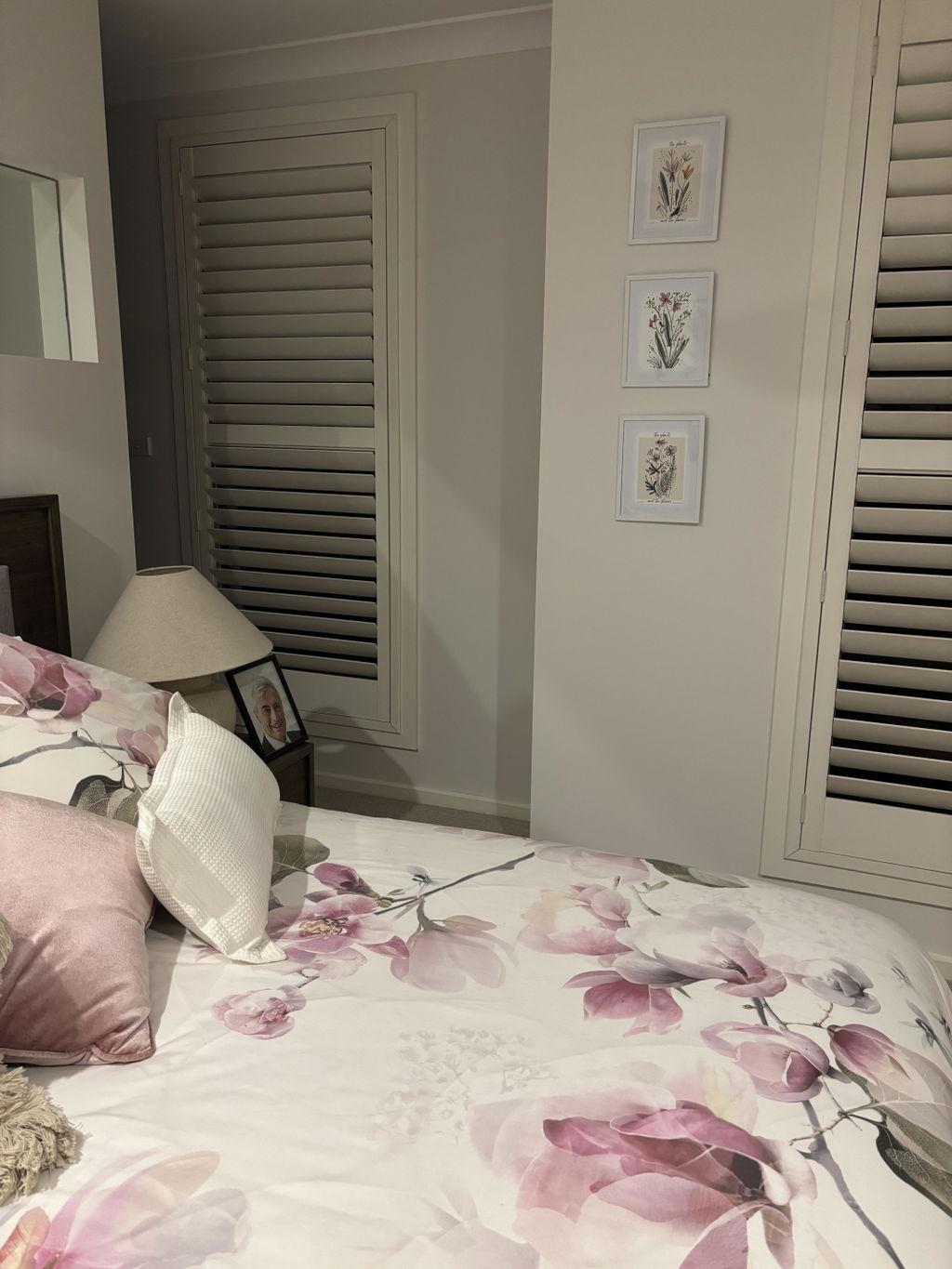
I purchased three botanical sketches and displayed them in white frames. I positioned them one under the other and they look wonderful. Really pleased with the effect.
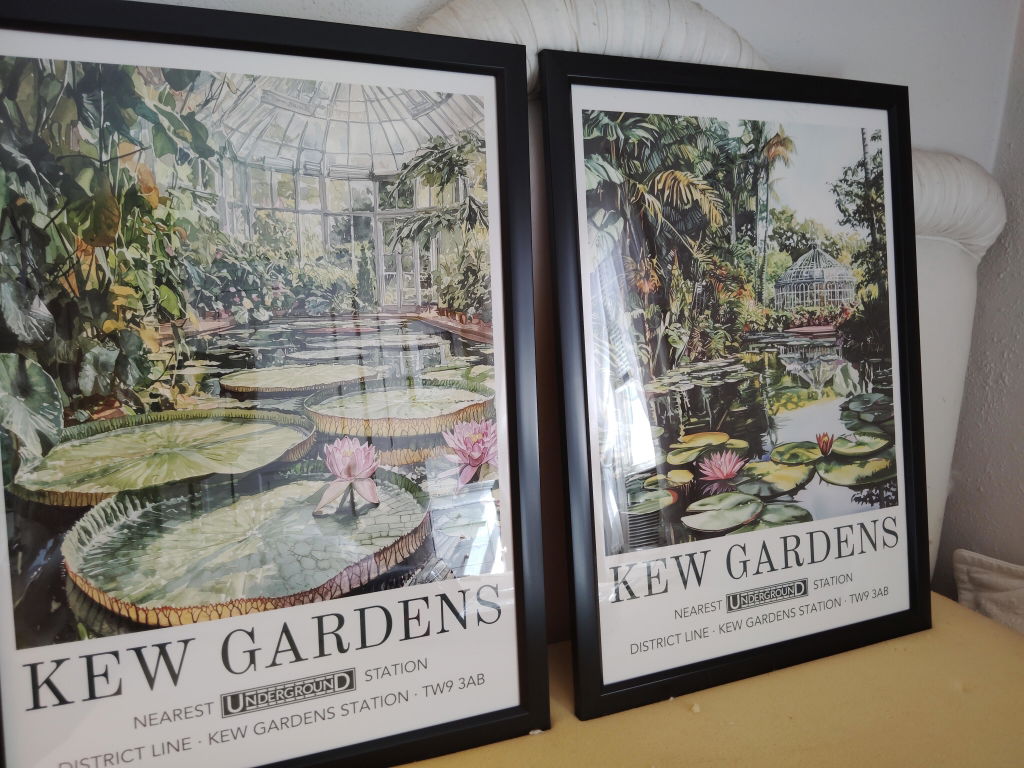
I am overjoyed with this beautiful poster print and it's companion of the Kew gardens
I am overjoyed with this beautiful poster print and it's companion of the Kew gardens. It is a masterpiece and the colors are more vibrant than online. I couldn't be happier.
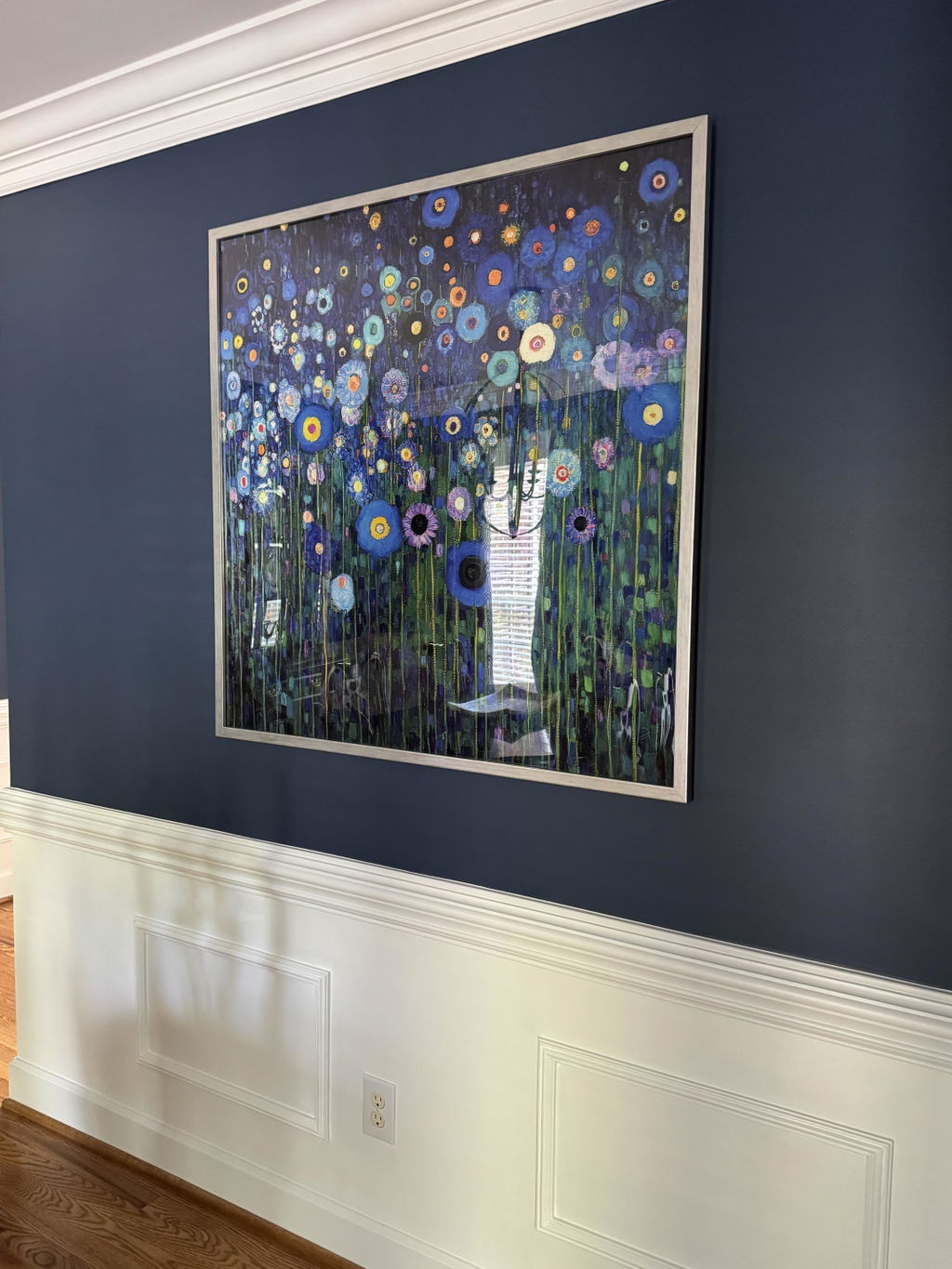
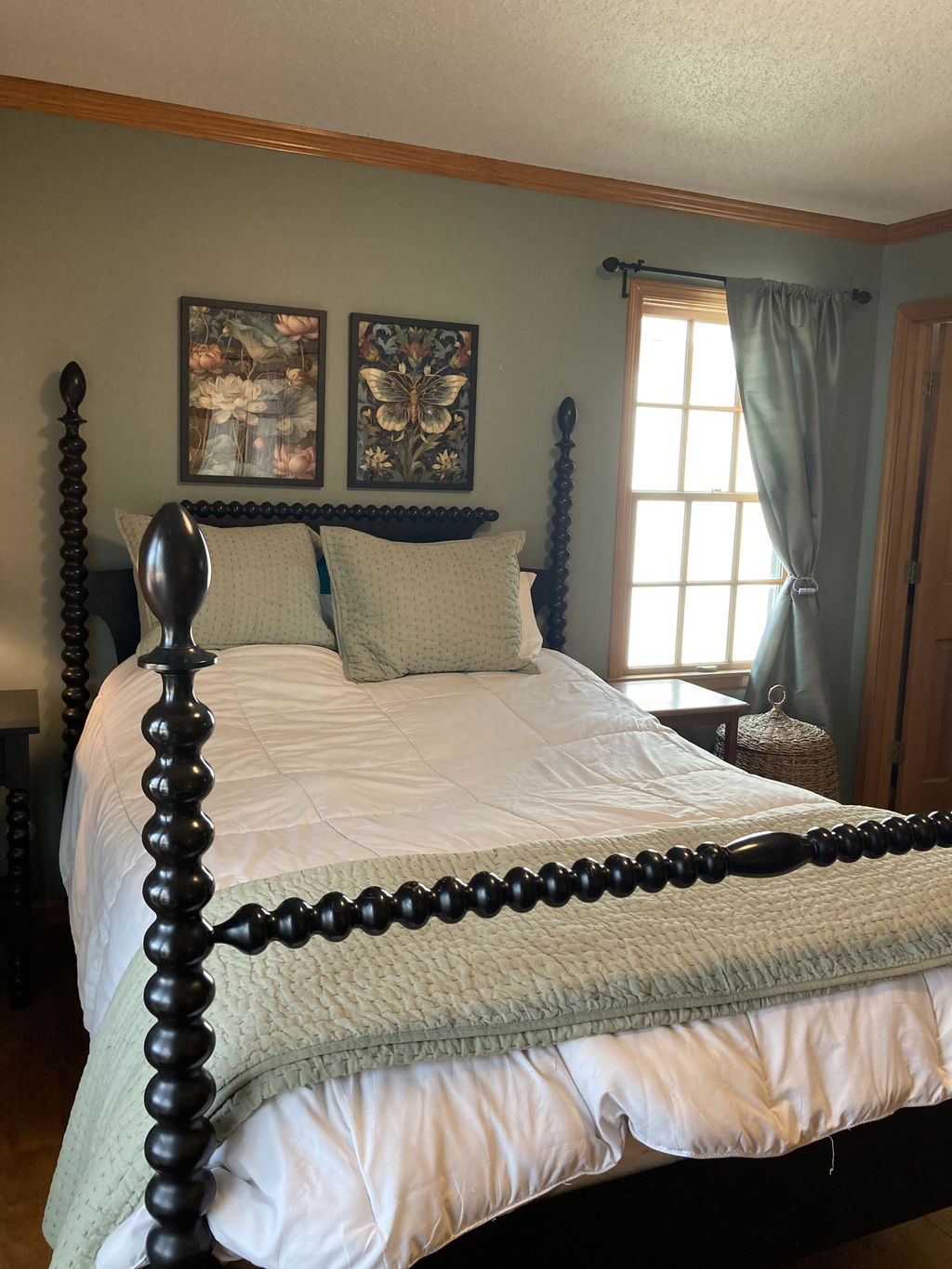
I was in the process of redecorating a master bedroom newly painted Evergreen Fog. Searching for prints to use above the bed, I happened upon William Morris botanical prints. So stunning. They bring luscious color and detail to a serene space.
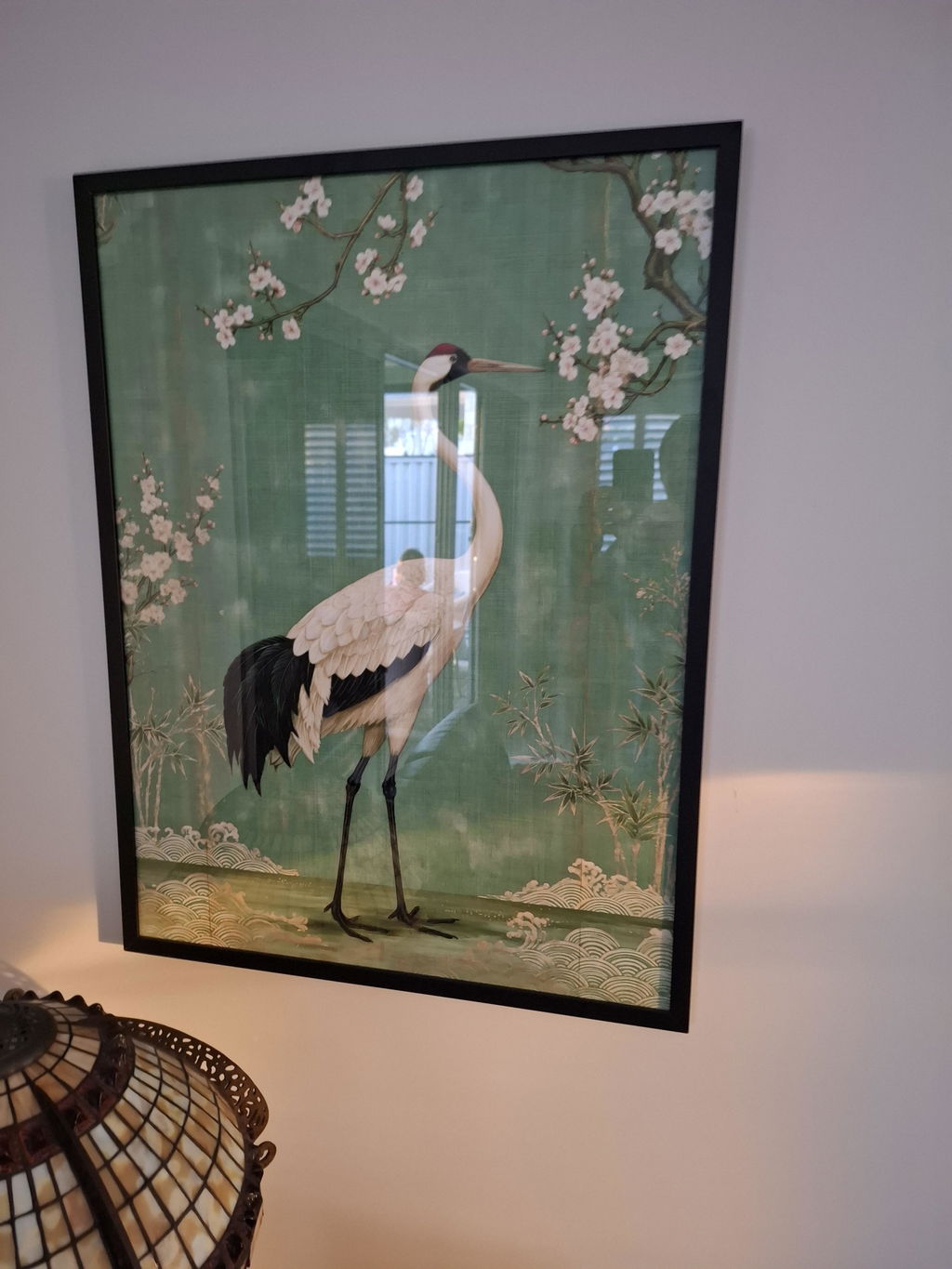
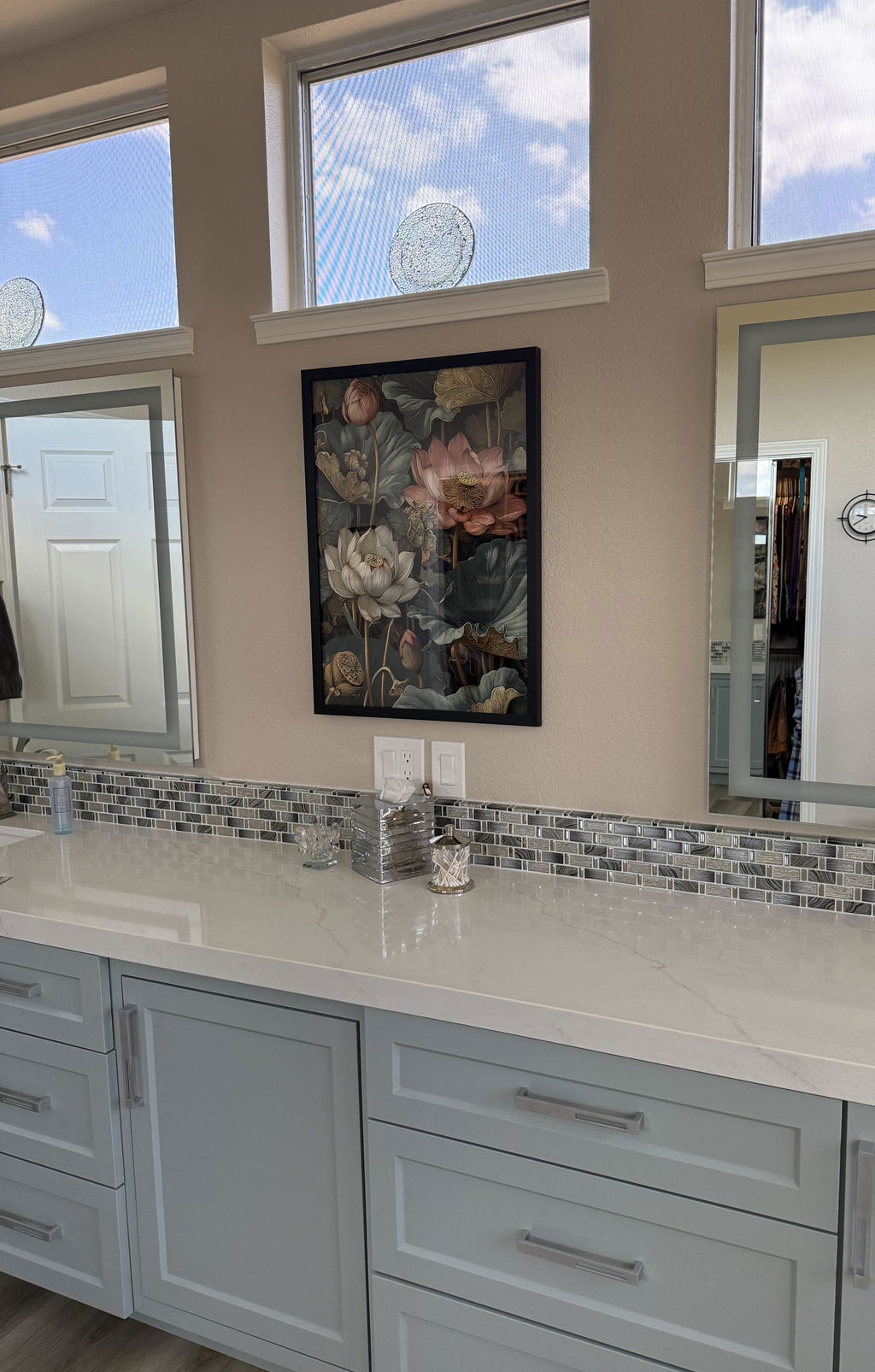
The William Morris art piece was fabulous! The colors were vibrant and bold. The website color description was accurate. It fit my room exactly as I envisioned it. I couldn’t be happier. The black frame really made the whole picture pop.
Botanical prints are the most forgiving genre of wall art you can buy. That doesn't mean every leaf-on-paper works in every room, or that hanging them is intuitive. This guide...
Botanical prints are the most forgiving art category in the home. They suit almost every room, but "almost every room" is not a styling plan. Here's where botanicals work hardest,...
Botanical prints have been a decorating mainstay for over two centuries, and they're having another major moment in 2026. But "botanical" covers two very different aesthetic worlds, and choosing the...
Buying botanical prints: your questions

Short answers on framing choices, where botanical prints tend to work, and how delivery and returns run
Which historic artists created the classic botanical illustrations sold as prints today?
Most vintage-style botanical prints trace back to Europe's golden age of plant illustration, roughly 1750 to 1850. The best known names are Pierre-Joseph Redouté, famed for roses and lilies painted for Marie Antoinette and Empress Josephine; Georg Dionysius Ehret, who worked alongside Linnaeus; the Austrian brothers Franz and Ferdinand Bauer, both tied to Kew Gardens; and Maria Sibylla Merian, who paired flowers with insects. You will also see plates after Basilius Besler, Elizabeth Blackwell, Mark Catesby and Curtis's Botanical Magazine. Fab offers these as decorative reproductions, framed or unframed, with free shipping. For flower-focused plates in this tradition, browse our floral art prints.
What are botanical prints called, and what is a herbarium plate?
Botanical prints are most often called botanical illustrations or botanical art, and individual images from old plant books are known as botanical plates or flora plates. Shoppers also search for plant portraits, botanist prints, or herbarium prints. A herbarium plate, more accurately a herbarium sheet, is a real pressed and dried plant specimen mounted on paper with a label giving the species, collector, date and location. Wall art in that look mimics those scientific specimen sheets, with a single stem, leaves and roots centered on a pale background and handwritten-style naming. You can find specimen-style botanical plant prints in this scientific tradition among our botanical plant prints.
Which botanical prints are most calming for a bedroom?
For a bedroom, choose botanicals with muted color, delicate line work and plenty of open background: single-stem studies, eucalyptus, ferns, olive branches, grasses and wheat, or soft pressed wildflowers in sage, cream and gray-green. Soft greens are a favorite bedroom direction right now because they read as restful warm neutrals next to wood and linen. Skip high-contrast tropical leaves and hot pink or bright red florals, which add energy instead of calm. A matched pair hung symmetrically above the headboard keeps the focal point quiet and balanced. Calm single-stem studies like eucalyptus and olive branches appear throughout our plant and tree prints.
Do your botanical prints come framed and ready to hang?
Yes, every framed botanical print ships as a complete unit: the print is professionally fitted into a solid wood frame with UV-protective acrylic glaze, and hanging fixtures are already attached. You literally open the box and put it on the wall. This matters more than you might think, because poorly fitted prints (or frames shipped separately for you to assemble) are the number one reason botanical wall art ends up looking cheap. Ours arrive gallery-ready, and our customers regularly tell us the framing quality is better than they expected.
Which botanical prints work best in a bathroom?
Go for something bold and singular rather than delicate or overly detailed. A single large fern, monstera, or eucalyptus print in a 40x50cm or 50x70cm frame looks fantastic above a freestanding bath or beside a mirror. Botanical prints for bathrooms work especially well in our oak or natural wood frames to keep things warm against tiles and cool surfaces. Our prints use UV-protective glazing, so they won't fade even in a bright, sun-facing bathroom. Stick to greens and neutral tones rather than florals to avoid the space feeling fussy.
Are botanical prints still in style?
Botanical prints have never really gone out of style because they're rooted (pun intended) in a 300-year tradition of scientific illustration and fine art. What has changed is how people use them. Right now, the trend is towards oversized modern botanical prints with clean compositions and muted colour palettes, rather than the busy vintage herbarium look that peaked a few years ago. A single large botanical art print at 70x100cm makes more of a statement than a cluster of small ones, and it feels current without being trendy in a way you'll regret.
How do I create a botanical gallery wall without it looking cluttered?
The trick is constraint. Pick three framed botanical prints in the same frame colour and stick to a tight vertical or horizontal line rather than a scattered salon hang. We'd suggest three 30x40cm prints in a horizontal row with 5cm gaps, centred above a sideboard or sofa. Keep the prints within one colour family (all greens, or all muted earth tones) and vary the subject: one leaf, one stem, one seed head. This gives you rhythm without visual chaos. Matching frames do the heavy lifting here, so don't mix frame finishes.
What's the difference between vintage botanical prints and modern botanical prints?
Vintage botanical prints draw from the tradition of scientific illustration, often featuring labelled specimens on aged or cream backgrounds with intricate detail and muted, earthy colour. Modern botanical prints tend to be bolder, more abstract, and use cleaner compositions with contemporary colour palettes. Both look great as wall art, but they suit different spaces. Vintage botanical prints feel at home in period properties, studies, and rooms with warm wood tones. Modern botanical prints work better in minimal interiors, Scandi-leaning spaces, and rooms where you want art that feels fresh rather than nostalgic. We carry both styles, so you can browse and see which speaks to your room.
Choosing a selection results in a full page refresh.