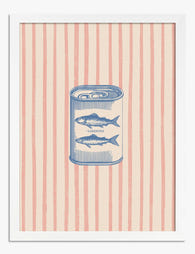
Sardine Tin Pop Art Print White

Sardine Tin on Pink Stripes Art Print

Sale price From €16,95 €23,95
Fresh Market Harvest Art Print - Oak

Vintage Vegetable Basket Still Life Art Print

Sale price From €16,95 €23,95
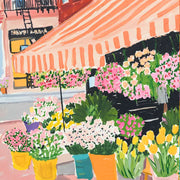
Borough Market Fresh Finds Art Print - Oak

Borough Market Fresh Finds Art Print

Sale price From €16,95 €23,95
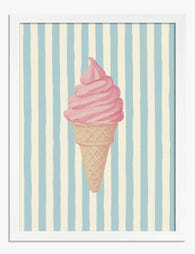
Strawberry Swirl Cone Art Print White

Strawberry Swirl Cone Art Print

Sale price From €16,95 €23,95
Matisse Style Oysters & Bubbly Art Print - Gold

Oysters and Champagne, Matisse-Inspired Art Print

Sale price From €16,95 €23,95
Amalfi Coast Feast Art Print - Oak

La Dolce Vita — Amalfi Coast Feast Art Print

Sale price From €16,95 €23,95
Renoir’s Mediterranean Harvest Art Print Gold

Fruits of the Midi by Renoir Art Print

Sale price From €16,95 €23,95
Summer Day Ice Cream Stop Art Print - White

Summer Day Ice Cream Stop Art Print

Sale price From €16,95 €23,95
Cat’s Sweet Celebration Art Print - Black

Cat's Sweet Celebration Art Print

Sale price From €16,95 €23,95
Sea Ghosts by Marsden Hartley Art Print - Brown

Sea Ghosts by Marsden Hartley Art Print

Sale price From €16,95 €23,95
Pasta Lover’s Manifesto Art Print - Brown

Say Yes to Pasta Art Print

Sale price From €16,95 €23,95

More Fab art curations

Thinking it through before you buy

Short answers on framing choices, hanging vintage botanicals in kitchens, and how ordering works

Need more help? Contact our team here

Which artists are known for vegetable and produce illustration?

Historic vegetable imagery is most associated with botanical illustrators rather than gallery painters. Adolphe Millot, who illustrated French Larousse dictionaries, is one of the best-known names, and the Vilmorin-Andrieux seed catalogs produced another widely loved body of French vegetable plates. Antique horticultural society plates are a third familiar source. Reproductions in this style share the same flat, labeled, specimen-on-white look, so pieces from different sources tend to hang together comfortably.

How do I style vintage vegetable prints in a kitchen or dining room?

Hang them where food actually happens: above a sideboard, along a breakfast nook wall, or in a narrow column beside a pantry door. A grid of three or six similarly sized pieces looks tidier than scattered singles, and matching frames keep a busy kitchen from feeling cluttered. Warm woods, cream walls and farmhouse or cottage-style cabinetry flatter the aged paper tones; simple black frames sharpen the look in a more modern space.

Should I mix vegetable prints with fruit or herb prints?

Yes, and it's a common approach because these motifs come from the same illustration traditions and share a palette of greens, earthy reds and faded paper backgrounds. Mixing vegetables with fruit or herbs gives a set more variety while keeping it coherent. To keep it deliberate, hold one thing constant, such as a single frame finish, a consistent print size, or a repeating background tone across every piece.