Sushi Celebration Art Print

Sale price From 185,00 kr 264,00 kr

Rooster (Chabo) by Kamisaka Sekka Art Print

Sale price From 185,00 kr 264,00 kr

Japanese Butterfly by Kamisaka Sekka Art Print

Sale price From 185,00 kr 264,00 kr

Nozawa Onsen Snowy Village Art Print

Sale price From 185,00 kr 264,00 kr

Cranes by Kamisaka Sekka Art Print

Sale price From 185,00 kr 264,00 kr

Leaping Horse by Hokusai Art Print

Sale price From 185,00 kr 264,00 kr

Misty Lake with Yellow Songbirds Art Print

Sale price From 185,00 kr 264,00 kr

Pine, Cliff and Waterfall Art Print

Sale price From 185,00 kr 264,00 kr

Retro Japanese Daffodil Art Print

Sale price From 185,00 kr 264,00 kr

Meika Gafu Frogs by Matsumoto Hoji Art Print

Sale price From 185,00 kr 264,00 kr

Misty Blue Hills Watercolour Art Print

Sale price From 185,00 kr 264,00 kr

Village with Cherry Blossoms by Sekka Art Print

Sale price From 185,00 kr 264,00 kr

Wabi-Sabi Paper Blocks in Cream Art Print

Sale price From 185,00 kr 264,00 kr

Kanpai Sushi Set Art Print

Sale price From 185,00 kr 264,00 kr

Nonomiya by Kamisaka Sekka Art Print

Sale price From 185,00 kr 264,00 kr

Pine Trees by Katsushika Hokusai Art Print

Sale price From 185,00 kr 264,00 kr

Wabi Sabi Mountains Art Print

Sale price From 185,00 kr 264,00 kr

Asakusa Ricefields by Utagawa Hiroshige Art Print

Sale price From 185,00 kr 264,00 kr

Pine and Waterfall Mist Art Print

Sale price From 185,00 kr 264,00 kr

Red Birds by Hokusai Art Print

Sale price From 185,00 kr 264,00 kr

Dragon (Ryu) by Kamisaka Sekka Art Print

Sale price From 185,00 kr 264,00 kr

Infinity Dots Tokyo — Kusama Inspired Art Print

Sale price From 185,00 kr 264,00 kr

Indigo Rhythm by Taguchi Tomoki Art Print

Sale price From 185,00 kr 264,00 kr

Fan by Kamisaka Sekka Art Print

Sale price From 185,00 kr 264,00 kr

Striped Tiger in Motion Art Print

Sale price From 185,00 kr 264,00 kr

Bamboo in Snow by Kamisaka Sekka Art Print

Sale price From 185,00 kr 264,00 kr

Birds and Sunset by Hokusai Art Print

Sale price From 185,00 kr 264,00 kr

Onigiri Delight Art Print

Sale price From 185,00 kr 264,00 kr

Moon Flight Migration Art Print

Sale price From 185,00 kr 264,00 kr

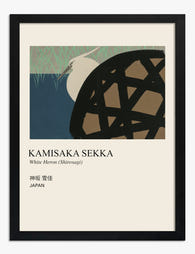
White Heron by Kamisaka Sekka Art Print

Sale price From 185,00 kr 264,00 kr

Suspension Bridge by Hokusai Art Print

Sale price From 185,00 kr 264,00 kr

Court Guard by Kamisaka Sekka Art Print

Sale price From 185,00 kr 264,00 kr

Fine Wind, Clear Morning by Hokusai Art Print

Sale price From 185,00 kr 264,00 kr

White Phoenix by Kamisaka Sekka Art Print

Sale price From 185,00 kr 264,00 kr

Kasuga Plain by Kamisaka Sekka Art Print

Sale price From 185,00 kr 264,00 kr

Hydrangea (Ajisai) by Kamisaka Sekka Art Print

Sale price From 185,00 kr 264,00 kr

Cranes in Snow by Hokusai Art Print

Sale price From 185,00 kr 264,00 kr

Red Roses and Bird by Hokusai Art Print

Sale price From 185,00 kr 264,00 kr

Blue Sumi-e Study II Art Print

Sale price From 185,00 kr 264,00 kr

Fans (Senmen) by Kamisaka Sekka Art Print

Sale price From 185,00 kr 264,00 kr

Woman with Koto by Katsushika Hokusai Art Print

Sale price From 185,00 kr 264,00 kr

The Great Wave by Hokusai Art Print

Sale price From 185,00 kr 264,00 kr

Kanpai! Sushi Spread Art Print

Sale price From 185,00 kr 264,00 kr

Sparrow by Kamisaka Sekka Art Print

Sale price From 185,00 kr 264,00 kr

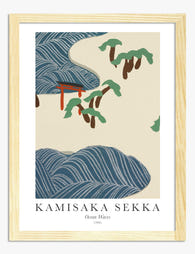
Ocean Waves by Kamisaka Sekka Art Print

Sale price From 185,00 kr 264,00 kr

Asazuma in Her Boat by Sekka Art Print

Sale price From 185,00 kr 264,00 kr

Chrysanthemum and Paulownia by Sekka Art Print

Sale price From 185,00 kr 264,00 kr

More Fab art curations

How do you choose a Japandi print

Short answers on tone, framing choices, scale and the rooms Japandi pieces tend to settle into

Need more help? Contact our team here

Do traditional Japanese prints like ukiyo-e woodblocks or sumi-e ink paintings count as Japandi art?

Not strictly, but many of them work beautifully in a Japandi room. Japandi is a modern hybrid of Japanese aesthetics and Scandinavian simplicity, so the pieces that fit best are the quiet ones: sumi-e ink washes with wide negative space, Ohara Koson bird and branch studies, and softer Hiroshige landscapes or monochrome views. Busy, high-color ukiyo-e scenes with crowds or bold reds tend to read as maximalist Japanese instead. For a Japandi wall, favor muted ink, black, gray and warm neutral tones, and hang one calm piece rather than a dense grouping. You may also like our Traditional Japanese Art Prints.

What does wabi-sabi mean in Japandi wall art, and how does it show up in a print?

Wabi-sabi is the Japanese aesthetic of finding beauty in things imperfect, impermanent and incomplete, shaped by Zen thought and the tea ceremony culture of the 15th century. In a Japandi print it shows up as visible traces of hand and time: loose or uneven brushwork, weathered and cracked-looking surfaces, asymmetry, soft undefined edges, and earthy clay, stone and ink tones. Generous empty space matters just as much, so the composition reads calm rather than busy. To play up that quiet mood, give one piece an uncluttered wall; a simple wood frame keeps the feeling warm and grounded. For a related option, explore our Minimalist Art Prints.

Which Japandi print colors work with sage green, clay or terracotta accents?

Prints built on warm neutrals work best: off-white, oatmeal, warm sand, greige and soft taupe let sage, clay and terracotta accents stay the focus. With sage green, choose art with muted olive, moss or gray-green notes plus walnut or oak wood tones, and pick soft black or charcoal ink details rather than bright brass-toned metallics. With clay and terracotta, look for ochre, dusty rust and warm brown washes echoing unglazed pottery. Sage and terracotta also read beautifully together in one print, balanced by cream space. Choose framed or unframed to match your wood tones.

What subjects and motifs are most common in Japandi art prints?

Nature reduced to its simplest form dominates Japandi art prints. Expect single-stem ikebana style branches, cherry blossom and bamboo, leaves and grasses, plus lone mountain peaks, misty landscapes, quiet seascapes and solitary trees held in wide open space. Bird and flower studies in the kacho-e tradition are popular, as are ink wash brushstrokes, calligraphic marks, enso circles, arches and soft organic shapes borrowed from Scandinavian abstraction. Look for one clear focal subject, generous negative space and muted earth tones. Prints and canvases come framed or unframed, so choose light oak or soft black for the calmest result. For another take, browse our Modern Nature Art Prints.

Which frame colour works best with Japandi art prints?

Go with a natural oak frame. It bridges the warmth of Scandinavian wood tones and the organic simplicity of Japanese design better than anything else. Black frames can work if you want a slightly sharper, more graphic feel against a white wall, but natural oak is the Japandi sweet spot. All our frames are solid FSC-certified wood with UV-protective acrylic glazing, so they'll look just as good in five years, even on a sun-facing wall.

How do I pick the right size Japandi print for above my sofa?

For a standard three-seater sofa (around 200cm wide), a single 70x100cm print creates a calm, intentional focal point, which is exactly what Japandi style calls for. Resist the urge to go smaller or to cluster lots of small frames; Japandi is about breathing room, not filling every gap. If your wall is particularly large, a pair of 50x70cm prints spaced about 10cm apart keeps things balanced without feeling cluttered. Our framed prints arrive ready to hang, so you won't be fiddling with fitting or alignment.

Will these prints work in a bedroom with warm neutral walls?

Absolutely, and honestly bedrooms are where Japandi wall art shines brightest. Warm neutrals like greige, soft clay, or warm white pair beautifully with the muted tones you'll find in this collection. We'd suggest hanging a single print centred above the headboard rather than a gallery wall; bedrooms should feel restful, not busy. Our prints are on thick matte paper with no glare, so they won't reflect lamplight back at you when you're trying to wind down.

Can I mix Japandi prints with art I already own?

You can, but be selective. Japandi style has a very clear visual language of muted tones, natural textures, and quiet compositions, so a bold pop-art piece next to it will fight for attention and both will lose. The prints that sit happily alongside Japandi work tend to be simple line drawings, soft abstract pieces, or nature-inspired photography in a similar tonal range. If you're replacing a few cheap prints that came with misaligned frames or warped edges, swapping them for our Japandi art prints is a quick way to bring the whole wall together since everything arrives properly fitted and ready to hang.

How is Japandi style art different from just minimalist or Scandi prints?

Scandi minimalism tends towards bright whites, clean geometry, and a certain crispness. Japandi art prints layer in the Japanese concept of wabi-sabi, an appreciation for imperfection and organic form, so you'll see softer brushstrokes, asymmetry, natural textures, and a warmer, earthier palette. Think the difference between a perfectly white Ikea shelf and a hand-thrown ceramic bowl. It's still minimal, but it has soul and warmth, which is why this Japanese Scandinavian design crossover has resonated so deeply with people decorating real homes.