Sage Leaf Sumi e Study Art Print Oak

Sage Leaf Sumi-e Study Art Print

Sale price From 189,00 kr 269,00 kr
Sumi e Tiger in Black Ink Art Print Black

Sumi-e Tiger in Black Ink Art Print

Sale price From 189,00 kr 269,00 kr
Sumi e Sparrows in Flight Art Print Black

Sumi-e Sparrows in Flight Art Print

Sale price From 189,00 kr 269,00 kr
Carp Leaping Out of Water by Tsukioka Settei Art Print Black
Sumi e Tiger Study Art Print Black

Sumi-e Tiger Study Art Print

Sale price From 189,00 kr 269,00 kr
Flock of Sparrows in Ink Art Print Black

Flock of Sparrows in Ink Art Print

Sale price From 189,00 kr 269,00 kr
Falling Cherry Blossom Ink Study Art Print Black

Falling Cherry Blossom Ink Study Art Print

Sale price From 189,00 kr 269,00 kr
Bamboo Brushstrokes in Black and White Art Print Black

Bamboo Brushstrokes in Black and White Art Print

Sale price From 189,00 kr 269,00 kr
Cloud Temple Mountain Art Print Black

Cloud Temple Mountain Art Print

Sale price From 189,00 kr 269,00 kr
Misty Sunrise Lake Art Print Oak

Misty Sunrise Lake Art Print

Sale price From 189,00 kr 269,00 kr
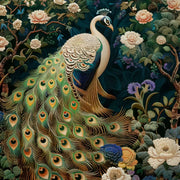
Green Ink Peacock Art Print Black

Green Ink Peacock Art Print

Sale price From 189,00 kr 269,00 kr
Spiny Lobster by Itō Jakuchū Art Print Black

Spiny Lobster by Itō Jakuchū Art Print

Sale price From 399,00 kr 673,00 kr

More Fab art curations

Buying sumi-e ink art: your questions

Short answers on choosing a piece, hanging it, and how ordering and returns work at Fab

Need more help? Contact our team here

What subjects are most associated with sumi-e painting?

Traditional sumi-e draws almost entirely on nature: bamboo, pine trees, plum and other blossoms, birds and misty landscape scenes are the classic motifs taught and repeated across centuries of practice. Modern sumi-e also brings in colour alongside the shades of black. As wall art, these subjects work well because they suggest space and stillness without adding visual clutter to a room.

Sumi-e is traditionally painted on rice paper, so does it work as a canvas print?

Yes. Original sumi-e is painted with brush and ink on thin absorbent washi, or "rice paper," and that softness is part of its appeal. A canvas reproduction translates the look differently: the weave gives a matte, textural surface that suits washed greys and open negative space, while the fine gradations of the brushwork stay legible. If you want a crisper, flatter finish closer to paper, a print on paper is the better match.

How do I style sumi-e canvas prints at home?

Sumi-e suits rooms where you want quiet: bedrooms, hallways, reading corners and Japandi-leaning living spaces. Because the imagery is mostly black, grey and unpainted background, it sits comfortably against off-white, warm plaster or pale wood walls and pairs well with linen, rattan and light timber furniture. Give each piece generous breathing room rather than crowding a wall, and keep any grouping to a shared tonal palette so the negative space still does its work.