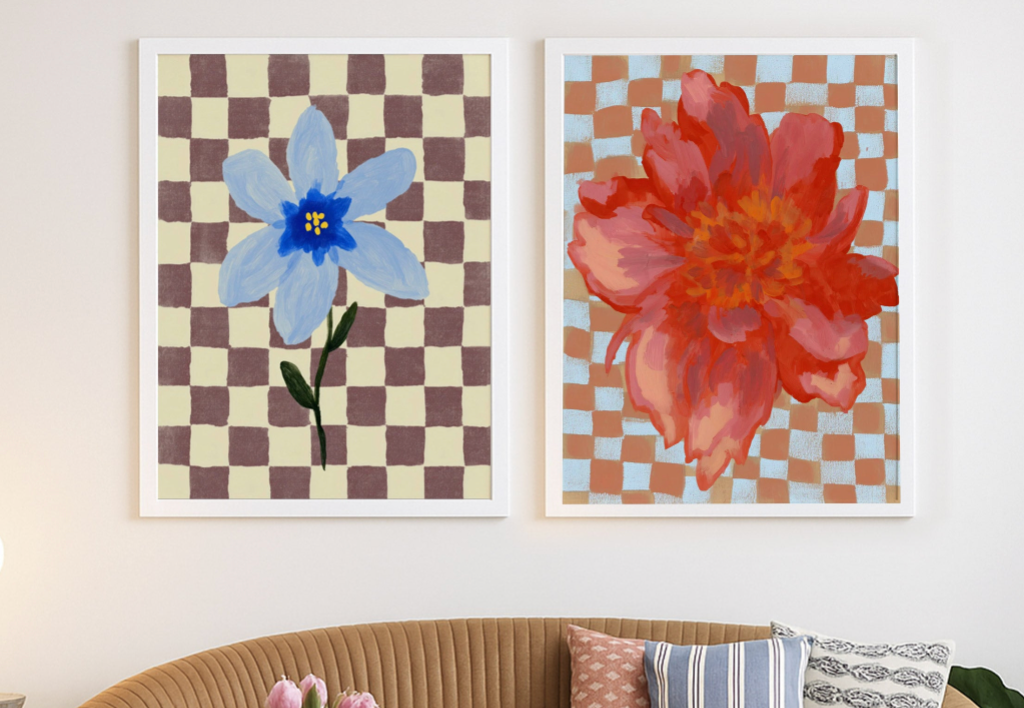
Matsumoto Hoji Canvas Prints
Elevate your space with Matsumoto Hoji Canvas Prints, where timeless elegance meets personal expression. Each piece captures the essence of refined artistry, transforming your walls into a canvas of your own story. No renovation needed—just a touch of sophistication that speaks volumes. Ready to hang and made to order, these prints offer an affordable way to distinguish your home from the ordinary, making it a true reflection of your unique style.
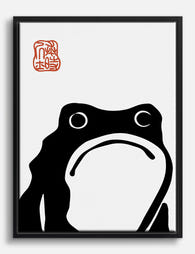
Big Frog by Matsumoto Hoji Canvas Print
Sale price
From 749,00 kr
1 070,00 kr
Resting Cat by Matsumoto Hoji Canvas Print
Sale price
From 749,00 kr
1 070,00 kr
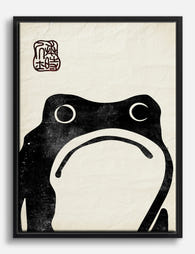
Grumpy Frog by Matsumoto Hoji Canvas Print
Sale price
From 749,00 kr
1 070,00 kr
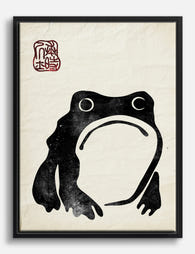
Blue Marigold by William Morris Canvas Print
Sale price
From 749,00 kr
1 070,00 kr
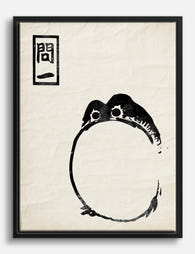
Grumpy Frog by Matsumoto Hoji Canvas Print
Sale price
From 749,00 kr
1 070,00 kr
Frog by Matsumoto Hoji Canvas Print
Sale price
From 749,00 kr
1 070,00 kr
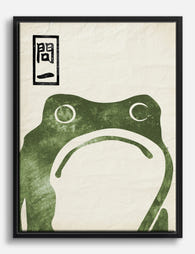
Big Frog by Matsumoto Hoji Canvas Print
Sale price
From 749,00 kr
1 070,00 kr
Grumpy Frog by Matsumoto Hoji Canvas Print
Sale price
From 749,00 kr
1 070,00 kr
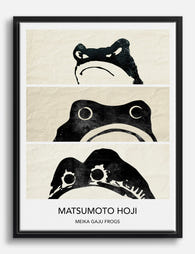
Meika Gafu Frogs by Matsumoto Hoji Canvas Print
Sale price
From 749,00 kr
1 070,00 kr
Hoji-Inspired Frog with Gooseberries Canvas Print
Sale price
From 749,00 kr
1 070,00 kr
Frog with Blueberries, after Hoji Canvas Print
Sale price
From 749,00 kr
1 070,00 kr
Ink Frog with Red Currants, after Hoji Canvas Print
Sale price
From 749,00 kr
1 070,00 kr
We’re serious about art, ask away
From sizing to framing and print quality, Fab's art experts break it all down—so you can find the right art for your space.
Need more help? Contact our team here
Who was Matsumoto Hoji, and why are his frogs so famous?
Matsumoto Hoji was a Japanese artist working in the early 19th century, best known for woodblock images published in Meika Gafu around 1814. His small, sad-faced frogs have become internet favorites because they feel surprisingly modern: loose brushwork, a lot of empty space, and a dry sense of humor. Note that many designs circulated online under his name have uncertain attribution, so reproductions are best enjoyed as classic Japanese-style decor rather than documented single works.
Which rooms suit Matsumoto Hoji wall art best?
These inky, minimal Japanese designs work beautifully in calm, low-clutter spaces: hallways, home offices and studies, reading corners, bathrooms and bedrooms. The warm cream grounds and black line work sit naturally in Japandi, wabi-sabi and Scandinavian schemes, and they also add a witty note to otherwise serious rooms. Because the imagery is quiet and small in scale, it reads best at eye level where people pass close by rather than high above a large sofa.
Should I choose a canvas print or a paper art print?
Canvas has a soft woven surface and a matte, low-glare finish, so it suits relaxed, textural interiors and rooms with strong daylight. Paper art prints hold crisp lines and the pale cream tones typical of Japanese woodblock imagery, which flatters delicate brushwork; a slim frame with a mount adds gallery formality. Both are available framed or unframed here, and a framed canvas arrives as one finished piece with no separate frame or assembly.
Do Japanese frog prints look better as a set of three?
Groups of two or three are a popular way to display these designs, and sets of three are widely sold for exactly that reason. A triptych in matching sizes and frames turns simple, sparse imagery into a deliberate feature, which helps in narrow spots like hallways or above a desk. Keep spacing tight, around 2–3 inches between frames, so the trio reads as one composition rather than three separate pictures.