
 Pide hoy, entrega el
 Las mejores Láminas de flores para cada estancia de tu casa (con recomendaciones concretas)
A practical room-by-room guide to choosing floral art that actually suits the space, not just the Pinterest board.


Las flores son de esos motivos que casi siempre funcionan en interiores… y justo por eso muchas Láminas florales acaban pasando desapercibidas. La clave está en ajustar estilo, escala y marco a la estancia, no comprar lo primero que te entra por los ojos en la pantalla. Aquí tienes cómo hacerlo bien.
Por qué las Láminas florales funcionan en casi todas las estancias (y en la única donde no)
La imagen floral aporta una suavidad orgánica que atenúa líneas arquitectónicas duras, equilibra muebles minimalistas y suma color sin comprometerte con una pared protagonista. Además, la psicología ambiental señala que ver plantas y flores tiene un efecto calmante medible, de ahí que los florales aparezcan tanto en hoteles y spas.
La única estancia donde suelen fallar es un despacho serio en casa, de esos para llamadas con clientes o trabajo concentrado. Los florales pueden leerse como puramente decorativos y un ramo muy llamativo detrás de ti en Zoom rara vez ayuda. Si teletrabajas con perfil profesional, deja las flores para otras zonas y elige algo más arquitectónico para la pared del despacho.
En el resto, vía libre. El resto de esta guía va de cómo hacerlo con acierto.

Salón: a lo grande o en pareja
En el salón casi todo el mundo se queda corto de tamaño. Una Lámina de 30x40 cm flotando sobre un sofá de tres plazas parece un sello. Como regla, tu arte (o composición) debería ocupar aproximadamente dos tercios del ancho del sofá o aparador que tenga debajo. Para un sofá estándar de 200 cm, eso significa una pieza de unos 100x70 cm o 70x100 cm, o bien un par de Láminas de 50x70 cm colgadas en paralelo con unos 5 cm entre ambas.
Este es el lugar para ser valiente: florales de gran formato, amapolas sobredimensionadas, bodegones dramáticos con fondo oscuro, florales abstractos con pinceladas potentes. Las mejores Láminas florales para el salón tienen suficiente peso visual para anclar la zona de asientos sin competir con el sofá por protagonismo.
Si tu salón es mayormente neutro (sofá color avena, suelos de roble, paredes crema), una sola pieza floral rotunda y saturada rinde más que tres discretas. Si ya tienes mucho estampado y color, un estudio botánico de aire sobrio con fondo verde oscuro o casi negro ayuda a asentar el conjunto.
Un truco que casi siempre funciona: dos Láminas del mismo artista o serie, colgadas como díptico sobre el sofá. Se ve más intencionado que una pieza suelta y evita el efecto “lámina solitaria”. Echa un vistazo a toda la gama de arte de pared para salón aplicando esta regla de los dos tercios y verás cómo acotas opciones rápido.
Dormitorio: tonos suaves y composiciones sencillas
En el dormitorio casi nunca te equivocas si optas por la contención. Tonos suaves significa rosa empolvado, verde salvia, avena, ocre desgastado, azul pálido, lavanda apagada. Composiciones sencillas significa uno o dos tallos sobre fondo limpio, una sola flor en primer plano o una acuarela suelta en lugar de un ramo denso y recargado.
Evita los contrastes fuertes o rojos intensos. Aquí buscamos bajar pulsaciones, y un rojo carmesí potente es el equivalente visual de un triple espresso. Resérvalo para el comedor.
Medidas sobre el cabecero: una sola pieza debería medir aproximadamente el ancho del cabecero menos 20 cm; así, para una cama doble de 150 cm, elige una Lámina apaisada de 100x70 cm o un formato vertical de 70x100 cm si tienes techos altos. En camas king (180 cm de ancho), un tríptico de tres Láminas de 40x50 cm con separaciones de 5 cm queda precioso y te da un frente de 130 cm.
Las acuarelas florales y los botánicos a tinta suelta funcionan especialmente bien aquí porque la suavidad del medio refuerza la calidez del espacio. En nuestra colección de Láminas de flores tienes muchas opciones en este registro, y también puedes mirar Láminas botánicas si prefieres algo más estructurado e ilustrativo.
Una nota rápida sobre la diferencia, porque importa. Las Láminas botánicas son tradicionalmente científicas o ilustrativas: una especie concreta representada con detalle y precisión, a menudo con su nombre en latín. El arte floral es más pictórico y expresivo: ramos, bodegones, estudios abstractos. Ambos encajan en dormitorios, pero si tu estilo tira a clásico o campestre, lo botánico se ve más meditado; si tu estilo es contemporáneo o romántico, suele ganar el arte floral.

Pasillo: el poder infravalorado de una sola Lámina botánica
Los pasillos son estrechos, a menudo con poca luz, y suelen quedar olvidados. Muchos los dejan vacíos o cuelgan una fila de piezas pequeñas que parecen puestas “por cumplir”. Hay una opción mejor: una sola Lámina botánica bien enmarcada a la altura de los ojos, idealmente donde te detienes de forma natural (sobre una consola, al fondo del pasillo o frente a la puerta de entrada).
Una ilustración botánica estructurada —un helecho bien dibujado, una rama de eucalipto o de magnolia sobre fondo claro— funciona especialmente bien porque se “lee” de un vistazo. En un pasillo no te entretienes; quieres algo que el ojo resuelva al pasar.
En pasillos estrechos, apuesta por formato vertical (50x70 cm es un gran comodín) y usa horizontal solo si hay una consola o un cubre-radiador debajo que equilibre proporciones. Las ilustraciones botánicas de aire vintage con passepartout crema y marcos negros finos son un clásico por algo: dan apariencia de calidad sin esfuerzo.
Si tu pasillo es largo y de verdad quieres más de una pieza, cuélgalas como serie de tres o cuatro botánicas del mismo tamaño, mismo marco y espaciado regular. Mismo artista o mismo estilo. No es el lugar para mezclar y combinar.
Cocina y comedor: florales vintage que aguantan el ajetreo
La cocina es visualmente intensa: azulejos, electrodomésticos, estantes abiertos, ese montón de cartas en la encimera… El arte sutil se pierde. La respuesta no es subir el volumen, sino elegir arte con estructura e historia.
Los florales de aire vintage (ilustraciones botánicas de los siglos XVIII y XIX, carteles antiguos de mercados o floristerías, arte de sobres de semillas) funcionan de maravilla en cocina porque tienen peso visual “de fábrica” por su época de referencia. Un par de litografías antiguas de rosas en marcos finos dorados sobre un banco corrido de cocina sobrevivirá a cualquier moda.
En el comedor puedes ir más lejos. Este es el lugar para bodegones holandeses oscuros, peonías sobredimensionadas, fondos profundos, claroscuro dramático. El comedor se usa a menudo de noche con luz suave, y los florales ricos y saturados cobran vida ahí como no lo hacen bajo luz blanca directa.
El tamaño aquí es más flexible porque el comedor tiende a estar más ordenado formalmente. Una sola pieza vertical de 70x100 cm sobre el aparador, o un par de Láminas de 50x70 cm enmarcando un espejo, funcionan muy bien.
Nota práctica: en cocinas y comedores hay más grasa y partículas en el aire de lo que imaginamos. El acrílico con protección UV (el que usamos en todas nuestras Láminas enmarcadas) se limpia más fácil que el cristal y no se astilla si el marco sufre un golpe de una puerta de armario.

Baño: qué tener en cuenta con la humedad y la luz
El baño es la estancia más olvidada y también la que más condicionantes prácticos tiene. La humedad es la principal. Las Láminas enmarcadas estándar con trasera de papel y cristal tradicional pueden condensar, alabearse e incluso desarrollar puntitos de moho con el tiempo en baños mal ventilados.
Hay tres cosas que de verdad importan:
Los Lienzos toleran mejor la humedad que las Láminas enmarcadas en papel. Un Lienzo tensado a mano sobre bastidor de madera maciza no atrapa la humedad como un marco sellado, y la mezcla poliéster-algodón es más estable con cambios de temperatura. Si tu baño apenas se ventila, el Lienzo es la opción más segura.
Si eliges Láminas enmarcadas, mejor acrílico que cristal. El acrílico (metacrilato) pesa menos, no se astilla y genera menos diferencia de condensación que el vidrio. Nuestras Láminas enmarcadas usan acrílico con filtro UV de serie, algo clave en baños con ventana orientada al sur: la luz directa apaga los colores sin protección antes de lo que crees.
Mantén las piezas fuera de la zona de salpicaduras. Sobre el inodoro, en la pared opuesta a la bañera o sobre el mueble del lavabo, perfecto. Justo encima de la bañera o junto a la mampara, mala idea uses el material que uses.
En estilo, el baño pide fotografía botánica en blanco y negro, dibujos de líneas de tallos y hojas o acuarelas pálidas de una sola flor. Cuanto más limpio, mejor. Los florales recargados compiten con los azulejos. En tamaño, sé comedido: 30x40 cm o 40x50 cm suele ser lo ideal salvo que tengas un baño muy grande.
Cómo elegir el acabado de marco para cada espacio
El acabado del marco hace más trabajo del que parece. Aquí va una lista corta y segura.
Roble o fresno natural: el más versátil. Funciona en dormitorios, pasillos y en cualquier espacio con suelos de madera o mobiliario de estética nórdica. Suave, no compite con la obra.
Blanco: ideal en dormitorios de paredes muy claras, baños y galerías donde quieres que el marco desaparezca y hable el arte.
Negro: la elección para salones, comedores y piezas con presencia. Aporta peso gráfico y funciona especialmente bien con florales intensos o fotografía en blanco y negro.
Dorado cálido o latón: comedores, salones formales y espacios con florales tradicionales o de aire vintage. Evita el dorado con florales modernos de tonos fríos: las temperaturas chocan.
Principio general: los marcos de madera maciza mantienen su forma con los años y no se alabean como los de MDF o chapa. Esto importa más en casas antiguas con cambios estacionales, y por eso todos nuestros marcos son de madera maciza con certificación FSC, con la Lámina montada correctamente antes de salir de nuestro taller, en una sola caja y lista para colgar.

Guía de tamaños: chuleta rápida por estancia
Una referencia aproximada para los casos más comunes:
- Sobre un sofá de 200 cm: una Lámina apaisada de 100x70 cm, o un par de verticales de 50x70 cm
- Sobre una cama doble de 150 cm: una vertical de 70x100 cm, o un par de Láminas de 40x50 cm
- Sobre una cama king de 180 cm: una apaisada de 100x70 cm, o un tríptico de tres Láminas de 40x50 cm
- Consola en pasillo: una vertical de 50x70 cm a la altura de los ojos (aprox. 145 cm al centro de la obra)
- Sobre el aparador del comedor: una vertical de 70x100 cm, o una apaisada de 60x80 cm
- Baño (sobre lavabo o inodoro): una Lámina de 30x40 cm o 40x50 cm
- Pared de cocina sobre banco corrido o estante: un par de Láminas de 30x40 cm, o una de 50x70 cm
Cuelga los centros a unos 145–150 cm del suelo cuando la pared esté libre. Si cuelgas sobre mueble, deja 15–20 cm de “aire” entre la parte superior del mueble y el borde inferior del marco.
Una última palabra
Elige primero la estancia y luego la pieza. La mayoría de malas compras pasan al revés: alguien se enamora de una imagen, la pide en el tamaño que “se veía bien” en la pantalla y llega algo que no encaja ni en la pared ni en el ambiente. Empieza por las medidas, la luz y la paleta existente, y la Lámina adecuada se vuelve evidente. Los florales perdonan mucho, pero no hacen magia. Trátalos como cualquier decisión de diseño y sujetarán la estancia, discretamente, durante años.

Productos Fab destacados en este blog
-

Lámina jardín de flores de Gustav Klimt
Precio de oferta Desde €16,95€23,95 -

Lámina prado de flores silvestres inspirada en Klimt
Precio de oferta Desde €16,95€23,95 -

Lámina sueño floral de Klimt
Precio de oferta Desde €16,95€23,95 -

Lámina jardín de flores de Klimt
Precio de oferta Desde €16,95€23,95 -
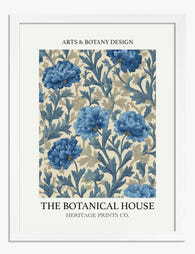
Lámina floral azul clásica
Precio de oferta Desde €16,95€23,95 -

Lámina jardín de flores de Klimt
Precio de oferta Desde €16,95€23,95 -

Lámina flores de jardín vintage
Precio de oferta Desde €16,95€23,95 -
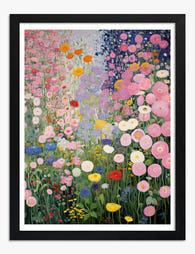
Lámina armonía floral de Klimt
Precio de oferta Desde €16,95€23,95 -

Lámina paraíso floral de Klimt
Precio de oferta Desde €16,95€23,95 -

Lámina botánica morada vintage
Precio de oferta Desde €16,95€23,95 -

Lámina sinfonía floral de Klimt
Precio de oferta Desde €16,95€23,95 -

Lienzo jardín de flores estilo Klimt
Precio de oferta Desde €65,95€93,95 -

Lámina escena animada de mercado de flores
Precio de oferta Desde €16,95€23,95 -

Lámina damero en blanco y negro con flor surrealista
Precio de oferta Desde €16,95€23,95 -

Lámina armonía floral en azul
Precio de oferta Desde €16,95€23,95 -

Lámina rosas de Vincent van Gogh
Precio de oferta Desde €16,95€23,95 -

Lámina flores del jardín de Gustav Klimt
Precio de oferta Desde €16,95€23,95 -

Lámina bosque de flores silvestres inspirada en Klimt
Precio de oferta Desde €16,95€23,95 -

Lienzo jardín de flores de Klimt
Precio de oferta Desde €65,95€93,95 -

Lámina jarrones con flores de estilo moderno
Precio de oferta Desde €16,95€23,95


Más de The Frame

Tres decisiones de enmarcado para que tus lámin...
La mayoría de las láminas florales no parecen baratas por la imagen en sí. Parecen baratas por lo que las rodea: un paspartú demasiado estrecho, un marco que pelea con...

Guía completa para tu pared de galería de Roma:...
Roma es una de las pocas ciudades que te regala tres lenguajes visuales completamente distintos con los que jugar: arquitectura antigua monumental, cálidos tejados de terracota y el golpe gráfico...

La guía definitiva para montar una pared-galerí...
Una pared-galería de William Morris vive o muere por la contención. Los estampados ya hacen gran parte del trabajo, así que tu papel es darles aire, estructura y un marco...