
 Pide hoy, entrega el
 Dónde colocar láminas de libélulas en casa (y cómo acertar con el estilo en cada estancia)
Room-by-room placement, sizing and styling advice for getting your dragonfly print right the first time.


Las láminas de libélulas son discretamente versátiles. Reúnen el simbolismo de la transformación y la ligereza visual del arte botánico, así que encajan en muchas más estancias que la mayoría de motivos de naturaleza. La clave está en saber qué habitaciones las potencian más y cómo elegir tamaño, marco y altura para que realmente destaquen (si prefieres textura, un lienzo bien tensado también funciona genial).
Por qué el arte de libélulas funciona en casi cualquier estancia (pero en algunas aún mejor)
Hay tres razones que facilitan su ubicación. Sus alas son translúcidas y a la vez gráficas, de modo que se perciben con detalle de cerca y limpias desde lejos. Su paleta natural (azules iridiscentes, verde salvia, bronce, negro tinta) combina con prácticamente cualquier esquema de interior. Y transmiten movimiento, algo que a veces falta en las láminas botánicas más estáticas.
Dicho esto, las libélulas brillan especialmente en estancias que ya sugieren calma, naturaleza o referencias al agua. Dormitorios, baños y jardines de invierno son apuestas seguras. Salones y pasillos requieren un poco más de reflexión, sobre todo en la escala y el acabado del marco. Cocinas y despachos en casa también pueden funcionar, pero rara vez son el mejor lugar si el resto del ambiente no acompaña.
Si estás empezando desde cero, echa un vistazo a nuestras láminas de libélulas para hacerte una idea antes de decidir la estancia. Algunas son anatómicas y científicas; otras, pictóricas y abstractas. El estilo que elijas condiciona todo lo demás.

Dormitorios: crea un punto focal sereno y natural sobre la cama
La pared sobre el cabecero es el mejor lugar de la casa para una lámina de libélula. Es una superficie que pide una pieza contundente, la habitación agradece imágenes calmadas y las libélulas aportan el simbolismo justo (transformación, ligereza, cambio) sin caer en lo cursi.
Acertar con el tamaño
Sobre una cama doble estándar (135 cm de ancho), busca una lámina de al menos 60 x 80 cm. En una king (150 cm) o super king (180 cm), sube a 70 x 100 cm o coloca una pareja de 50 x 70 cm en paralelo dejando 5 cm entre ellas. Cualquier cosa menor de 50 x 70 cm sobre la cama quedará perdida: es el error más habitual.
El borde inferior del marco debería quedar a unos 20–25 cm por encima del cabecero. Más alto y la lámina se “despega”; más bajo y compite con los cojines.
Paletas que funcionan
Para un dormitorio con aire de hotel: paredes blanco roto, ropa de cama de lino en tono avena o piedra, y una lámina de libélula en tonos salvia, gris paloma o verde azulado suave. Enmárcala en roble natural o negro.
Para un dormitorio más rico y envolvente: paredes azul marino o verde bosque, detalles en latón o dorado envejecido, y una lámina con notas bronce o ámbar. Un marco negro con un passepartout blanco generoso eleva el conjunto.
Evita combinar libélulas con florales muy saturados en la misma pared. Las alas ya tienen mucha información; si compiten, se aplanan ambas piezas. Si quieres superponer, usa textiles lisos y deja que la lámina respire. En nuestra colección de arte para dormitorio puedes ver ejemplos en contexto.
Baños: por qué las láminas de libélulas se sienten en casa cerca del agua y los materiales naturales
Las libélulas viven la mayor parte del tiempo junto al agua, por eso la combinación con baños resulta tan natural. Coloca una sobre la bañera exenta o junto al espejo del lavabo y el espacio pasará de “temático” a pensado y con intención.
Cuestiones prácticas
Los baños son húmedos, y aquí la calidad del enmarcado importa de verdad. Los marcos baratos se comban, los traseras de cartón se arquean y en las láminas aparecen cercos de humedad en pocos meses. Elige marcos de madera maciza (no MDF ni chapa) y láminas en papel mate de alto gramaje que no se abombe. Nuestras láminas enmarcadas llegan montadas y selladas correctamente: justo donde muchas tiendas fallan.
Si entra sol directo por una ventana, el otro riesgo es el desvanecimiento del color. El acrílico con protección UV lo evita y, además, es más ligero y seguro que el vidrio en un espacio húmedo.
Escala según el espacio
Aseos de cortesía: una única lámina de 30 x 40 cm o 40 x 50 cm funciona de maravilla en la pared frente a la puerta, para que sea lo primero que veas.
Baños familiares: 50 x 70 cm sobre la bañera o junto al lavabo. Si tienes una pared larga y vacía, una tríada vertical de 30 x 40 cm (libélula, botánica, motivo de agua) aporta ritmo sin saturar.
Baño principal en suite con bañera exenta: atrévete con más. Un 70 x 100 cm convierte la bañera en un foco visual y no en simple fontanería.
Combinaciones de color
Verde salvia y blanco es el clásico ganador, y no por casualidad. Añade grifería en latón y piedra natural y la libélula encaja sin esfuerzo. Si buscas algo menos esperado, prueba con baldosas de terracota o una pared en azul tinta profundo: ambos favorecen los azules iridiscentes de la mayoría de imágenes de libélulas.
Para más opciones que resisten bien la humedad, echa un ojo a nuestra colección de arte para baño.

Salones: elige el tamaño y el acabado del marco adecuados para tu pared principal
En el salón, las láminas de libélulas pueden convertirse en un punto focal tranquilo y con intención… o perderse por completo. La diferencia está casi siempre en la escala.
Sobre el sofá
La lámina (o composición) debería medir aproximadamente dos tercios del ancho del sofá. Para un tres plazas estándar (unos 200 cm de ancho), eso significa una única lámina de 70 x 100 cm o una pareja de 50 x 70 cm en paralelo. Más pequeño y la pieza parece pedir perdón.
Cuelga la obra de forma que el centro quede a unos 145–150 cm del suelo. El borde inferior debería situarse a 15–20 cm por encima del respaldo.
Una sola pieza contundente vs. galería
En un salón moderno y calmado, una única lámina grande de libélula aporta más que una pared en galería. Las alas ya ofrecen suficiente detalle; no necesitas más piezas compitiendo por la atención.
Si prefieres una galería, construye alrededor de la libélula para que no se diluya. Una lámina de 50 x 70 cm como ancla, flanqueada por dos o tres láminas botánicas o abstractas más pequeñas en marcos a juego. Mantén la paleta acotada (dos colores y un neutro) o la pared empezará a parecer un mercadillo.
Acabados de marco según estilo
- Interiores modernos y minimalistas: marcos finos negros con passepartout blanco.
- Mid-century (mediados de siglo) o nórdico: roble natural, sin passepartout o uno estrecho en crudo.
- Viviendas de época y esquemas más ricos: marcos en latón o maderas cálidas.
- No uses marcos cromados ni plateados fríos con libélulas: chocan con los tonos iridiscentes cálidos de las alas.
Pasillos y recibidores: una primera impresión con láminas de libélulas
Los pasillos suelen ser estrechos, a menudo oscuros, y rara vez reciben el arte que merecen. Una lámina de libélula al fondo del pasillo guía la mirada y hace que toda la casa se sienta más intencionada.
Dónde colgar
Al final de un corredor, centrada a la altura de los ojos (unos 150 cm hasta el centro de la lámina). Si tienes una consola, cuélgala a 20–30 cm por encima y con un ancho aproximado de dos tercios respecto a la mesa.
En paredes de escalera, sigue la línea de los peldaños con una serie de tres láminas a juego, cada una centrada a la altura de los ojos según el peldaño que tenga debajo. Mezclar libélulas con otros estudios botánicos o de insectos funciona especialmente bien.
Tamaño y paleta
Pasillos estrechos: 40 x 50 cm o 50 x 70 cm. No te pases de escala: no tendrás suficiente distancia para verla bien.
Recibidores amplios con doble altura: este es uno de los pocos lugares donde un 70 x 100 cm —o incluso una pareja vertical— luce de verdad.
Los pasillos suelen tener poca luz natural, así que prioriza fondos claros (crema, blanco roto, gris perla) frente a láminas oscuras o dramáticas, que pueden desaparecer. Si quieres algo complementario, nuestras láminas botánicas acompañan de maravilla a las libélulas en series de pasillo.

Jardines de invierno y galerías acristaladas: láminas resistentes al sol que no se desvanecen
Estas estancias son donde gran parte del arte va a “morir”. La exposición directa a los rayos UV apaga los pigmentos en uno o dos años, especialmente azules y rojos: justo lo que no quieres perder en una libélula.
Aquí la calidad de impresión importa más que en cualquier otro lugar de la casa. Las impresiones giclée de calidad museística con tintas pigmentadas resisten siglos incluso a pleno sol, y el acrílico con protección UV enmarcado añade otra capa de defensa. Si cuelgas en una galería orientada al sur, no escatimes en ninguno de los dos.
Cómo estilizar un jardín de invierno
Suelen tener mucho vidrio y poca pared, así que cada lámina cuenta. Elige una pared (normalmente la ciega que da al jardín) y haz que destaque con una lámina de libélula de 70 x 100 cm, o una pareja de 50 x 70 cm en vertical si el techo lo permite.
Acompaña con ratán, lino y mucha vegetación. Las libélulas se ven en su elemento cuando hay hojas reales cerca: uno de los pocos casos en los que coordinar arte y plantas no resulta cursi.
Evita los marcos blancos en estas estancias: con el sol terminan amarilleando y el contraste con la lámina se degrada de forma irregular. Roble, nogal o negro envejecen mucho mejor.
Tamaños y marcos: nuestras recomendaciones específicas por estancia
Una guía rápida si compras pensando en una habitación concreta.
Dormitorio
- Sobre una cama doble: mínimo 60 x 80 cm, pieza única
- Sobre una king o super king: 70 x 100 cm, o pareja de 50 x 70 cm
- Marco: negro o roble natural; passepartout blanco generoso para un aire de hotel
- Altura: borde inferior a 20–25 cm del cabecero
Baño
- Aseo de cortesía: 30 x 40 cm o 40 x 50 cm
- Baño familiar: 50 x 70 cm
- Baño principal en suite: 70 x 100 cm sobre la bañera
- Marco: madera maciza (no MDF), acrílico en lugar de vidrio
- Evita: marcos baratos que se deforman con la humedad
Salón
- Sobre un sofá de tres plazas: 70 x 100 cm único, o dos de 50 x 70 cm en paralelo
- Sobre un dos plazas: 50 x 70 cm único
- Centro de la obra a 145–150 cm del suelo
- Marco: negro para moderno, roble para nórdico, latón o madera cálida para viviendas de época
Pasillo
- Estrecho: 40 x 50 cm o 50 x 70 cm en la pared del fondo
- Recibidor amplio: 70 x 100 cm, o pareja vertical
- Escalera: tres láminas a juego de 40 x 50 cm, cada una centrada respecto a su peldaño
- Prioriza fondos claros en espacios con poca luz natural
Jardín de invierno o galería acristalada
- Pared protagonista: 70 x 100 cm
- Techo alto: pareja apilada de 50 x 70 cm
- Marco: roble, nogal o negro (evita el blanco)
- Imprescindible: tintas pigmentadas y acrílico con protección UV

Errores frecuentes que conviene evitar
Ir demasiado pequeño es el fallo número uno. En caso de duda, sube un tamaño. Una lámina que parece un poco grande casi siempre se ve mejor que una que se queda corta.
Colgar demasiado alto es el segundo. La mayoría coloca el arte a la altura que resulta natural de pie y olvida que pasamos mucho tiempo sentados. En zonas de estar, apunta a que el centro quede a 145–150 cm del suelo y ajusta hacia abajo en estancias donde estarás sobre todo sentado o tumbado.
No tematices en exceso. Una lámina de libélula en el baño es elegante. Tres láminas, un jabonero de libélulas y toallas con libélulas es una tienda de souvenirs. Deja que la lámina haga su trabajo y mantén el resto en calma.
Y no subestimes el enmarcado. Una imagen preciosa en un marco endeble luce peor que una imagen normalita en un buen marco. Madera maciza, montaje correcto y acrílico que proteja contra los UV: estos detalles separan el arte que perdura del que dura un año.
Acertar con el tamaño, colgar a la altura adecuada y elegir un marco que dialogue con la habitación (y no pelee con ella). Con eso, tienes la mayor parte del trabajo hecho.

Productos Fab destacados en este blog
-

Lámina botánica de libélula vintage
Precio de oferta Desde €16,95€23,95 -

Lienzo libélula Dragonfly Textiles
Precio de oferta Desde €65,95€93,95 -
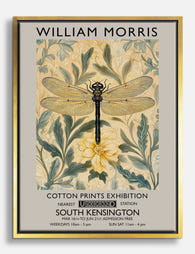
Lienzo elegancia de la libélula
Precio de oferta Desde €65,95€93,95 -

Lámina libélula elegante Morris
Precio de oferta Desde €16,95€23,95 -

Lámina libélula de William Morris
Precio de oferta Desde €16,95€23,95 -

Lámina de libélula inspirada en William Morris
Precio de oferta Desde €16,95€23,95 -

Lienzo jardín de libélulas de William Morris
Precio de oferta Desde €65,95€93,95 -
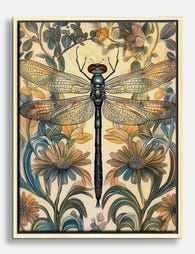
Lienzo de libélula y flores silvestres vintage
Precio de oferta Desde €65,95€93,95 -
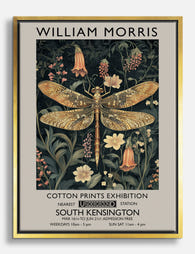
Lienzo libélula inspirado en William Morris
Precio de oferta Desde €65,95€93,95 -

Lámina con libélula de William Morris
Precio de oferta Desde €16,95€23,95 -

Lienzo libélula elegante de Morris
Precio de oferta Desde €65,95€93,95 -

Lámina libélula botánica vintage
Precio de oferta Desde €16,95€23,95 -
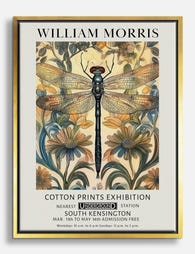
Lienzo libélula y flores silvestres estilo William Morris
Precio de oferta Desde €65,95€93,95 -

Lámina libélula y peonías elegantes
Precio de oferta Desde €16,95€23,95 -

Lienzo libélula de William Morris
Precio de oferta Desde €65,95€93,95 -

Lámina libélula y peonías en armonía
Precio de oferta Desde €16,95€23,95 -

Lámina libélula y flores de William Morris
Precio de oferta Desde €16,95€23,95 -

Lienzo libélula y peonías elegantes
Precio de oferta Desde €65,95€93,95 -

Lienzo libélulas de William Morris
Precio de oferta Desde €65,95€93,95 -

Lámina de libélula de William Morris
Precio de oferta Desde €16,95€23,95


Más de The Frame

Roma vs Venecia vs Florencia: cómo elegir Lámin...
Roma, Venecia y Florencia son fotogénicas, pero no se comportan igual en la pared. Cada ciudad tiene su paleta, su registro emocional y sus estancias naturales. Esta guía desglosa las...

Cómo elegir láminas y lienzos de gatos que se p...
En algún punto entre un retrato por encargo de 300 € y una lámina al azar de un atigrado naranja genérico está el punto dulce: arte de gatos listo para...

Cómo decorar tu salón con láminas divertidas (s...
Lo lúdico tiene mala prensa. Se asocia a móviles de cuna y pósters de dormitorio universitario, cuando en realidad muchos de los interiores más interesantes de adultos se apoyan en...