Affiche mont Fuji, cerisiers en fleurs au printemps

Prix promotionnel À partir de CHF 16.00 CHF 23.00

Affiche passage à niveau à Tokyo

Prix promotionnel À partir de CHF 16.00 CHF 23.00

Affiche Infinity Dots de Kusama rouge et blanc

Prix promotionnel À partir de CHF 16.00 CHF 23.00

Affiche grues et fleurs de saule, papier d'origami japonais

Prix promotionnel À partir de CHF 16.00 CHF 23.00

Affiche tour Tokyo Skytree style timbre vintage

Prix promotionnel À partir de CHF 16.00 CHF 23.00

Affiche collection de timbres de Tokyo

Prix promotionnel À partir de CHF 16.00 CHF 23.00

Affiche six grues en vol

Prix promotionnel À partir de CHF 16.00 CHF 23.00

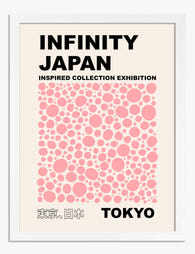
Affiche pois roses à l'infini inspirée par Yayoi Kusama

Prix promotionnel À partir de CHF 16.00 CHF 23.00

Affiche farandole de sushis

Prix promotionnel À partir de CHF 16.00 CHF 23.00

Affiche matin paisible avec chat

Prix promotionnel À partir de CHF 16.00 CHF 23.00

Affiche méli-mélo de sushis en aquarelle

Prix promotionnel À partir de CHF 16.00 CHF 23.00

Affiche grue à couronne rouge en vol

Prix promotionnel À partir de CHF 14.00 CHF 23.00

Affiche chat à pois inspirée par Yayoi Kusama

Prix promotionnel À partir de CHF 16.00 CHF 23.00

Affiche cascade paisible de Hiroaki Takahashi

Prix promotionnel À partir de CHF 16.00 CHF 23.00

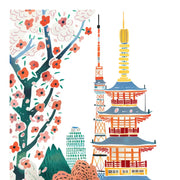
Affiche horizon lumineux de Tokyo

Prix promotionnel À partir de CHF 16.00 CHF 23.00

Affiche grues au-dessus des vagues

Prix promotionnel À partir de CHF 16.00 CHF 23.00

Affiche duo pop culture

Prix promotionnel À partir de CHF 16.00 CHF 23.00

Plus de sélections d'art Fab

Questions sur l’illustration japonaise

Réponses courtes sur l’encadrement, les formats, l’harmonisation des couleurs et le contenu du colis à la livraison

Besoin d'aide supplémentaire ? Contactez notre équipe ici

What are Japanese prints called?

The best-known tradition is ukiyo-e, the woodblock print style that flourished from the 17th to early 20th centuries. Later movements include shin hanga, which revived traditional subjects with a modern feel, and sosaku hanga, the creative-print movement in which artists designed and cut their own blocks. Illustrated works in a Japanese style are also broadly described as Nihonga or simply Japanese illustration, and decorative reproductions today cover all of these looks.

What's the difference between traditional and modern Japanese wall art?

Traditional pieces draw on woodblock printing conventions: layered flat color, visible linework, and subjects like waves, Mount Fuji, birds and figures. Modern Japanese wall art leans graphic and pared back, with abstract shapes, minimal palettes and a Japandi sensibility that suits contemporary interiors. Traditional prints bring warmth and narrative detail; modern designs work better when you want quiet, uncluttered walls. Mixing one bold traditional image with two simpler modern prints balances both.

Should I choose a framed or unframed Japanese illustration print?

Framed is the easier route if you want a finished piece without sourcing a molding yourself, and a framed print or framed canvas arrives ready to hang with no assembly. Unframed suits anyone who already has frames, wants a custom mount, or plans to swap prints seasonally. Either way, shipping is free and you have 99 days to return it, so you can see how the piece sits on your wall before committing.