
 Commandez aujourd'hui, livré le
 Mur galerie d’affiches botaniques : la méthode infaillible pour un rendu maîtrisé
A foolproof system for hanging ferns, florals, and foliage prints so they feel curated, not chaotic.


Les affiches botaniques sont la catégorie d’art la plus facile à aimer… et la plus facile à rater au mur. Les sujets sont variés (fougères, palmiers, fleurs des champs, champignons, cactus), ce qui signifie que la cohésion doit venir de la composition et de l’encadrement, pas des affiches elles‑mêmes. Ce guide vous propose une méthode qui fonctionne aussi bien pour trois affiches au‑dessus d’un canapé que pour neuf le long d’un escalier.
Avant d’accrocher quoi que ce soit : planifier votre composition avec des gabarits en papier
La plus grande erreur consiste à planter des clous avant d’avoir visualisé la composition au mur. La méthode des gabarits en papier règle ce problème, et prend une vingtaine de minutes.
Découpez une feuille de papier (papier journal, papier kraft ou feuilles A4 scotchées entre elles) aux dimensions exactes de chaque cadre. Indiquez l’orientation sur le devant. Au dos, marquez l’emplacement de la fixation. C’est l’étape que la plupart des guides omettent, alors qu’elle est cruciale : vous ne marquez pas le contour du cadre au mur, vous marquez l’emplacement du clou.
Pour trouver ce point, posez le cadre face contre table, tendez le fil vers le haut comme s’il était accroché et mesurez la distance entre le bord supérieur du cadre et le point le plus haut du fil. Reportez cette mesure sur votre gabarit, en partant du bord supérieur. Voilà votre repère pour le clou.
Fixez ensuite les gabarits au mur avec un ruban de masquage à faible adhérence. Déplacez‑les, vivez avec un jour ou deux. Prenez du recul, regardez depuis l’entrée, depuis le canapé. Quand la composition vous plaît, enfoncez le clou directement à travers le papier sur votre repère, puis déchirez le gabarit.

La règle des 2/3 pour la hauteur d’accrochage (et quand l’ignorer)
Dans les galeries, on accroche les œuvres pour que le centre se situe à environ 145 à 152 cm du sol. C’est la hauteur moyenne du regard et la base du consensus professionnel.
Pour un mur galerie, considérez l’ensemble comme une seule pièce. Trouvez le centre visuel de votre composition et placez ce point autour de 150 cm.
La règle des 2/3 s’applique au‑dessus d’un meuble : l’œuvre (ou la composition) doit occuper environ les deux tiers de la largeur du meuble. Ainsi, un canapé de 200 cm appelle une composition d’environ 130 à 150 cm de large.
Ignorez la hauteur « au niveau des yeux » quand un meuble s’interpose. Au‑dessus d’un canapé, d’une console ou d’un lit, placez le bord inférieur du cadre le plus bas à 20 à 25 cm du meuble. Plus proche, cela paraît à l’étroit ; plus haut, l’art « flotte » et se déconnecte de ce qui se trouve en dessous.
Les nombres impairs gagnent : pourquoi 3 ou 5 affiches botaniques semblent équilibrées
Les ensembles impairs paraissent plus dynamiques parce que l’œil ne peut pas les scinder parfaitement en deux. Avec un nombre pair, le cerveau fait des paires et la composition semble statique. Avec trois, cinq ou sept, un centre tient l’ensemble pendant que les pièces extérieures créent du mouvement.
C’est aussi pour cela que la règle des tiers fonctionne en photographie et que les fleuristes composent par nombres impairs de tiges. Rien de mystique : une asymétrie au sein d’un cadre équilibré paraît intentionnelle, tandis qu’une symétrie parfaite évoque soit le formel, soit l’accidentel.
Pour les botanique en particulier, trois est le point d’entrée. Un ensemble botanique de 3 affiches au‑dessus d’un canapé ou d’un lit offre l’impact idéal sans saturer l’espace. Cinq donnent plus de rythme et fonctionnent à merveille en ligne horizontale dans un couloir. Sept à neuf créent un mur façon salon, parfait pour les grands aplats muraux au‑dessus d’une table de salle à manger ou dans une cage d’escalier.
Si vous débutez et préférez la prudence, trois est votre nombre. Si votre mur dépasse 200 cm de large et que vous assumez l’effet galerie, visez cinq ou plus. Moins, sur un grand mur, paraît simplement esseulé.
Espacement, alignement, et la règle des 5 cm qui sauve tous les murs galerie
L’espacement est souvent le point faible, car les conseils en ligne oscillent entre 5 et 15 cm… sans expliquer quand choisir quoi.
Voici notre cadre de référence :
- 5 cm entre les cadres pour un mur galerie moderne et cohérent. C’est notre valeur par défaut : assez serrée pour que l’ensemble lise comme une seule composition, assez aérée pour que chaque affiche respire.
- 2 à 3 cm pour un rendu plus dense, traditionnel ou formel. Idéal si tous les cadres sont de taille identique en grille stricte.
- 7 à 10 cm seulement si vous mélangez des formats très différents et avez besoin d’un peu plus d’air autour des grandes pièces.
La régularité prime sur la valeur exacte. Si vous choisissez 5 cm, chaque interstice doit faire 5 cm, horizontalement comme verticalement. Des écarts irréguliers rendent un mur brouillon, même quand les affiches sont superbes.
Côté alignement, choisissez une ligne d’ancrage et tenez‑vous‑y : alignez soit les sommets, soit les bases, soit l’axe horizontal passant par le centre de la composition. Pour les grilles, alignez les deux. L’œil perçoit ces lignes invisibles, même s’il ne sait pas toujours expliquer pourquoi une composition « sonne juste ».

Choisir un style de cadre cohérent pour unifier des sujets végétaux variés
C’est le principe qui distingue un mur galerie botanique intentionnel d’un ensemble chaotique, et il est trop rarement mentionné.
Quand vos sujets varient (une fougère près d’une rose, d’un cactus, d’un monstera), les affiches offrent déjà beaucoup de diversité visuelle. Les cadres doivent jouer l’unificateur. Choisissez un seul style de cadre et une couleur de passe‑partout, et utilisez‑les pour chaque pièce.
Pour les botanique, trois options de cadres fonctionnent particulièrement bien :
- Bois de chêne ou de frêne naturel pour une chaleur organique qui complète le végétal sans le concurrencer.
- Bois noir pour un rendu graphique et contemporain qui donne du poids aux illustrations botaniques délicates.
- Bois blanc pour une sensation lumineuse et fraîche, surtout dans les pièces claires ou sur murs colorés.
Évitez les métallisés pour les botanique : les cadres dorés ou laiton dominent des illustrations délicates et entraînent l’ensemble vers un registre trop ornemental. Évitez aussi de mélanger les finitions : un noir, un chêne, un blanc peuvent sembler « éclectiques » en théorie mais paraîtront indécis au mur.
Le choix du passe‑partout fait partie de la cohérence. Des passe‑partout blancs ou crème conviennent à presque toutes les affiches botaniques. Les couleurs, plus engageantes, limitent vos futurs échanges d’affiches : à éviter, sauf certitude.
Si vous explorez des options, nos affiches d’art botaniques et notre collection plus large d’affiches de plantes sont encadrées en bois massif certifié FSC avec une glace acrylique anti‑UV : pas de reflets et pas de décoloration, même en plein soleil.
Mélanger les formats sans que cela paraisse aléatoire
Des cadres de même format en grille constituent la voie la plus sûre : l’intention est immédiatement lisible. Mais le mélange des formats rend un mur galerie plus vivant ; deux approches sont fiables.
La méthode de l’ancre visuelle. Choisissez une pièce plus grande (disons 50 × 70 cm) comme ancre et disposez des pièces plus petites (30 × 40 cm) autour. L’ancre se place légèrement décentrée, jamais au milieu. Idéal au‑dessus des canapés et des lits.
La ligne horizontale centrée. Alignez une série de cadres de formats mixtes sur une ligne horizontale imaginaire qui traverse leur centre. Les sommets et les bases ne coïncident pas, mais les centres, si : c’est ce qui crée la cohésion.
Le piège ? Trop de formats. Limitez‑vous à deux formats pour un premier mur galerie. Trois, c’est possible mais plus exigeant. Quatre formats ou plus paraissent presque toujours accidentels.
Quand vous mélangez les formats, augmentez légèrement l’espacement : passez de 5 cm à 6 ou 7 cm pour donner de l’air aux grandes pièces. Et gardez une logique d’orientation : évitez de placer un portrait juste à côté d’un paysage, sauf si vous les avez pensés comme un duo.

Les outils vraiment utiles (moins que vous ne pensez)
Oubliez le niveau laser et les kits sophistiqués. Il vous faut :
- Un mètre ruban
- Un crayon
- Un niveau à bulle (petit, 20 cm suffisent)
- Du ruban de masquage
- Du papier pour les gabarits
- Un marteau et des clous ou crochets adaptés à la nature de votre mur
C’est tout.
Deux astuces vraiment utiles :
L’astuce du dentifrice. Si vos cadres ont un crochet fixe au dos plutôt qu’un fil, déposez une minuscule noisette de dentifrice sur le crochet, plaquez le cadre au mur à l’emplacement souhaité puis retirez‑le : le dentifrice laisse une marque précise, exactement là où planter le clou. Essuyez ensuite avec un chiffon humide.
La méthode du ruban de masquage. Tendez une longue bande de ruban de masquage sur le mur, le long de votre ligne d’alignement. Marquez tous vos points de clou sur le ruban, plantez à travers, puis retirez le ruban. Cela garantit un alignement parfait sur une large composition.
Si vos murs ne sont pas parfaitement d’aplomb (maisons anciennes, enduits irréguliers), fiez‑vous à votre niveau plutôt qu’aux bords. Un cadre accroché « de niveau » malgré un plafond en pente paraîtra plus juste qu’un cadre aligné sur une ligne de bâti qui penche.
Pourquoi un encadrement prêt à accrocher simplifie tout
La plupart des projets de mur galerie s’abandonnent en cours de route, non pas au stade de la planification, mais au moment d’ouvrir un colis d’affiches et de cadres séparés : il faut tout assembler, espérer que l’affiche se place bien, que le cadre ne vrille pas, que la quincaillerie soit incluse…
Les affiches que nous créons chez Fab arrivent encadrées, montées et prêtes à accrocher, dans un seul colis. Les fixations sont déjà en place. L’affiche est correctement positionnée dans un cadre en bois massif, derrière une glace acrylique anti‑UV plutôt que du verre : pas de reflets, pas de décoloration, et aucun risque de casse si vous réagencez.
C’est capital pour un mur galerie, car chaque souci potentiel se multiplie par le nombre d’affiches. Trois affiches avec trois cadres séparés, c’est trois risques de vrillage, trois risques d’alignement imparfait, trois après‑midis de réglages. Trois affiches encadrées prêtes à poser ? Vous êtes au mur en moins d’une heure.
Si l’engagement vous inquiète, la méthode des gabarits papier vous laisse toute latitude avant de percer le moindre trou. Et si une affiche ne fonctionne pas une fois posée, notre politique de retour sous 99 jours vous laisse le temps d’apprécier. Parcourez nos ensembles d’art mural si vous préférez démarrer avec une sélection pré‑curatée plutôt que de composer de zéro.

Le pense‑bête pour démarrer vite
Si vous hésitez sur le point de départ, associez votre mur à l’un de ces cas de figure :
- Au‑dessus d’un canapé ou d’un lit : 3 à 5 affiches, même format, en ligne horizontale ou en grille 2 × 2 + 1. Espacement de 5 cm. Bord inférieur à 20 à 25 cm du meuble.
- Couloir étroit : Une pile verticale de 3, ou une ligne horizontale de 5 affiches de même format à hauteur du regard.
- Grand mur nu (plus de 2 m de large) : 7 à 9 affiches en accrochage façon salon avec une pièce d’ancrage, ou une grille 3 × 3 pour un ordre maximal.
- Cage d’escalier : Suivez l’angle des marches avec une ligne « en escalier » de 5 à 7 affiches, chacune centrée sur la montée de la marche suivante.
Planifiez sur papier, accrochez à la bonne hauteur, gardez un espacement constant de 5 cm et laissez les cadres unifier l’ensemble. Les botanique feront le reste.

Produits Fab présentés dans cet article
-

Toile escalier végétal
Prix promotionnel À partir de €65,95€93,95 -

Affiche botanique, plantes sur étagère, fond jaune
Prix promotionnel À partir de €16,95€23,95 -
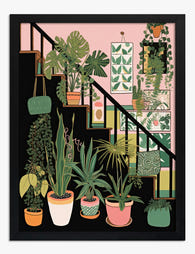
Affiche escalier botanique
Prix promotionnel À partir de €16,95€23,95 -

Toile escalier végétal
Prix promotionnel À partir de €65,95€93,95 -
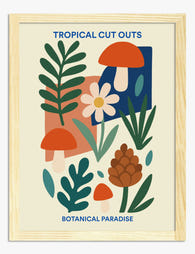
Affiche botanique tropicale en collage
Prix promotionnel À partir de €16,95€23,95 -

Toile botanique rose aux courbes fluides
Prix promotionnel À partir de €65,95€93,95 -

Affiche collection botanique minimaliste au trait
Prix promotionnel À partir de €16,95€23,95 -

Affiche jardin en découpage végétal
Prix promotionnel À partir de €16,95€23,95 -

Affiche botanique jardin d'herbes sauvages
Prix promotionnel À partir de €16,95€23,95 -

Affiche vases bohèmes aux motifs botaniques
Prix promotionnel À partir de €16,95€23,95 -
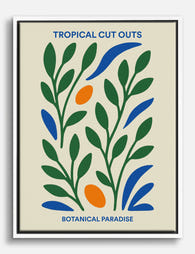
Toile paradis botanique aux formes découpées
Prix promotionnel À partir de €65,95€93,95 -

Toile harmonie botanique
Prix promotionnel À partir de €65,95€93,95 -
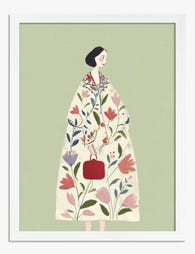
Affiche muse botanique
Prix promotionnel À partir de €16,95€23,95 -

Toile botanique vibrante
Prix promotionnel À partir de €65,95€93,95 -

Affiche plantes sur escalier
Prix promotionnel À partir de €16,95€23,95 -

Affiche botanique moderne aux pétales graphiques
Prix promotionnel À partir de €16,95€23,95 -

Affiche paysage botanique britannique
Prix promotionnel À partir de €16,95€23,95 -
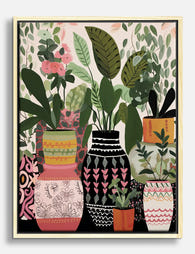
Toile vases bohèmes à motifs botaniques
Prix promotionnel À partir de €65,95€93,95


Plus de The Frame

Le guide complet pour créer une galerie murale ...
Une galerie murale de chats se joue dans sa mécanique, pas dans son sujet. Des cadres assortis, un espacement précis et une pièce maîtresse bien choisie feront davantage pour votre...

Galerie murale d’oiseaux en 6 cadres : nos ense...
Six, c’est le juste milieu pour une galerie murale d’oiseaux. Assez de cadres pour une composition réfléchie et présente, pas trop pour pouvoir tout accrocher en une après-midi sans s’arracher...

Comment encadrer vos Affiches William Morris : ...
Morris a conçu des motifs pour des pièces entières, pas pour des cartes postales. Cela compte au moment d’encadrer son œuvre, car le mauvais cadre peut transformer un chef‑d’œuvre botanique...