
 Sourires garantis
 Commandez aujourd'hui, livré le
 Why Art Prints Make Better Gifts Than You Think
The honest case for gifting art, including how to dodge the taste-mismatch trap that puts everyone off.


Art has a strange reputation as a gift. People love receiving it, but almost nobody dares to give it. The risk feels too high, the choice too personal, and the alternatives (candles, vouchers, another bottle of something) feel safer. We think that calculation is wrong, and here's why.
The gift nobody buys themselves (and why that makes it perfect)
Most people walk past art they like for years without buying it. They'll spend £80 on a takeaway weekend without blinking, but a £60 print stays in the basket for six months. There's something about art that triggers the "do I really need this?" response in a way that wine, scented candles, and gadgets never do.
That's exactly what makes it the perfect gift. The best presents are things people quietly want but can't quite justify to themselves. A nice candle is something you'd buy yourself next Tuesday. A framed print for the lounge wall is something you've been meaning to do for two years.
Art occupies that sweet spot of "permissible luxury." It feels generous because it is generous, but not in a flashy or awkward way. The recipient doesn't need to perform gratitude for something showy. They just get to live with something beautiful for the next twenty years.
That permanence matters. Most gifts are designed to be consumed and forgotten. Art is designed to be looked at every day, in passing, while making coffee or walking to the bathroom. It accrues meaning the longer it stays on the wall.

Addressing the big fear: "What if they hate it?"
Here's the conversation nobody in the art world wants to have honestly. Yes, taste is personal. Yes, you might pick something they politely thank you for and never hang. This is the reason most people default to a voucher, and we understand why.
But the fear is bigger than the actual risk, and it's worth interrogating. You probably know more about the recipient's taste than you think. You've been in their home. You know whether they lean Scandinavian and pared back, or maximalist with colour everywhere, or somewhere in the middle. You know if they have plants on every surface or prefer clean lines and negative space. That's already 80% of the decision.
The other 20% is having a safety net, which is exactly where modern art gifting differs from the past. A flexible returns policy means a "wrong" choice isn't a permanent mistake. We'll come back to this properly later, because it genuinely changes the maths.
Worth saying too: there's a confidence trick in giving art. The recipient takes their cue from you. If you've thought about it, chosen carefully, and presented it well, most people receive it with the seriousness it deserves. The taste-mismatch fear is partly a fear of looking presumptuous, and the cure for that is a handwritten note explaining why you chose it. More on that below.
Art vs candles, vouchers, and the usual suspects
Let's actually compare. The default gift list for most people is: candle, voucher, wine, flowers, something for the kitchen, or a "nice" hand cream set. Each of these has a clear ceiling.
Candles burn out. The good ones do it slowly while smelling lovely, but they're consumables. In six weeks, the gift is gone, and what remains is an empty glass jar the recipient feels weirdly guilty about throwing away.
Vouchers are honest about what they are: an admission that you didn't know what to get. They work fine for distant relatives or colleagues, but for someone you actually care about, they communicate "I outsourced this." Wine gets drunk. Flowers die. Kitchen gadgets get used twice and live in a drawer.
Art does none of these things. It hangs on the wall, gets noticed by every visitor, and quietly anchors the room. Years later, the recipient still associates it with you. That's a gift doing its job properly.
The strongest argument for art is its visibility. Most gifts get put away. Art is on display by definition, which means the recipient sees it constantly and is reminded, quietly and without obligation, of the person who gave it to them.
The quality problem: why most gifted prints disappoint
Here's where we need to be honest, because the reason people are nervous about gifting art is partly that they've received bad art before. The category has been polluted by genuinely poor products: thin paper that warps in the post, frames that arrive cracked, prints that don't actually fit the frame they came with, colours that look murky compared to the website photo.
If your only experience of "art prints as gifts" is unpacking something that needed assembly, came with a separate frame in a different box, and looked nothing like the listing image, then yes, you'd be wary of giving one to someone you love. That's a reasonable response to a real problem.
The fix isn't to avoid gifting art. It's to gift art that's actually been made properly. The difference between a budget print and a museum-grade one is not subtle. You can see it from across the room and feel it the moment you handle it.

What museum-grade printing and proper framing actually means for the recipient
Specifics matter here. We print on thick matte paper using giclée printing, which is the same process used by galleries and museums for archival reproductions. The inks are designed to last hundreds of years even in direct sunlight, which sounds like marketing language but is actually the standard professional benchmark for archival quality.
The matte paper is the unsung hero. Glossy prints look impressive in catalogues but show every fingerprint and reflect every lamp in the room. Matte paper has depth, holds colour beautifully, and looks expensive without trying. It's what serious art looks like.
Framing is where most "gift prints" fall apart, literally. We use solid FSC-certified wood (no MDF, no veneers) and a UV-protective acrylic glaze rather than glass. Acrylic is lighter, safer in transit, and won't shatter if a frame gets knocked off the wall during a house move. The print arrives already fitted into the frame, with fixtures attached, ready to hang.
That last part is genuinely important for gifting. An unframed print rolled in a tube creates homework for the recipient. They have to find a frame, buy the frame, fit the print, find a hammer, find the right wall. Most don't bother. The print lives in the tube on top of a wardrobe for two years.
A properly framed print, fitted and ready, removes every excuse not to hang it. They open the box, look at it, and decide where it goes that afternoon. That's the difference between a gift that gets used and a gift that gets stored.
Occasions where art is the standout gift
Different occasions call for different thinking, and treating them all the same is why so much gifting feels generic.
Birthdays
Birthdays are about the person. The art should reflect something specific to them: a place they love, a colour palette that suits their flat, a subject they've talked about, an artist whose work they've admired. This is where smaller, considered pieces work brilliantly. A 30x40cm or 50x70cm print on a wall they walk past every day quietly says "I paid attention." Browse our Fab favourites if you want a starting point of pieces that work across a wide range of tastes.
Weddings
Wedding gifts are different because you're giving to a couple, often to a home you haven't seen yet, and the gift will live in shared space. Avoid anything too personal to one of them. Lean towards subjects with broad appeal: landscapes, abstracts in neutral or earthy palettes, botanical work, considered photography. A larger format works here because weddings are a moment for a "statement" piece in the new home together.
Housewarmings
Housewarmings are arguably the best art-gifting occasion of all. Empty walls are intimidating, and most people delay decorating for months because choosing art under pressure is overwhelming. A well-chosen print solves a real problem. Aim for something that suits the dominant rooms (lounge, hallway, bedroom) and err on the side of versatility.
Holidays and milestones
Christmas, anniversaries, retirement, the birth of a child. These are moments where people want to mark something, and art does that better than almost anything else because it sits in the home long after the moment has passed. Browse the gifts collection for pieces curated specifically for this purpose.

How our 99-day returns policy takes the pressure off
This is the part that should genuinely change your thinking, so we'll be direct about it. We offer 99 days to return any piece. Not 14, not 30. Ninety-nine.
That window exists specifically because we know art is a considered purchase, and gifted art doubly so. If you give something and the recipient politely indicates it's not quite right (or you can tell from their face), there's plenty of time to swap it for something that suits them better. They get to be involved in the choice, you get to feel good about giving them something they'll actually love, and nobody has to pretend.
Practically, this turns gifting art from a high-stakes guess into a low-risk thoughtful gesture. You're not betting £100 on perfectly reading someone's taste. You're starting a conversation: "I saw this and thought of you. If it's not quite right, we'll find something that is."
That framing changes everything. It removes the pressure of being right first time, which is the single biggest reason people don't gift art. It also gives you permission to be braver with your choice, to pick something with personality rather than defaulting to the most inoffensive thing on the page.
Affordable art prints that look anything but budget
Price is the other thing people don't talk about honestly. Art has historically been priced opaquely (gallery markups, "investment" framing, original-vs-print confusion) and most people assume serious-looking work costs serious money. It doesn't have to.
A properly printed, properly framed piece at 30x40cm or 50x70cm sits in a price range that's competitive with a decent bottle of champagne or a high-end candle set. The difference is what you get for it. The candle is gone in six weeks. The print is on the wall in twenty years.
We'd point you towards our affordable art collection specifically because it's a useful answer to the "I want this to feel generous without spending a fortune" problem. The materials are the same as our larger pieces. The printing process is identical. The framing is the same solid wood and acrylic glaze. You're not getting a budget version of the product, you're getting a smaller version.
Smaller is also strategically smart for gifting. A 30x40cm or 50x70cm piece fits comfortably in most rooms, doesn't dominate a wall the recipient might have other plans for, and feels considered rather than imposing. Statement-sized pieces (think 70x100cm and up) are wonderful when you know the space, but as a gift to someone whose walls you haven't seen, smaller is almost always the right call.
If you want to lean into seasonal or current work, new arrivals is worth a browse. Newer pieces tend to feel fresher and avoid the "every flat has this print" problem.
A practical note on the handwritten card
Whatever you choose, write something with it. Not "Happy Birthday, love X." Something specific about why you chose this particular piece for this particular person. "I saw this and it reminded me of that weekend in Cornwall." "The colours made me think of your kitchen." "You mentioned you wanted to do something with that empty wall."
That note is what turns a print into a gift. It's the difference between "they bought me art" and "they thought about me, and chose this, and here's why." It also pre-empts any taste anxiety on the recipient's part. They know it was considered, which means even if it's not perfect, it's meaningful.
The bottom line
Gift art. Pick something that suits the person and the room. Go smaller than you think unless you know the space. Frame it properly so they can hang it the day it arrives. Write a card explaining why you chose it. And know that if you've got it slightly wrong, there's a generous return window to put it right.
The fear of choosing wrong has kept good gifts from being given for too long. The fix isn't to play it safe with another candle. It's to choose with care, present it properly, and trust that thoughtfulness lands.


Produits Fab présentés dans cet article
-

Affiche liens qui comptent
Translation missing: fr.products.product.sale_price À partir de £11.95£19.95 -

Affiche bûches et couronne, chaleur rustique de Noël
Translation missing: fr.products.product.sale_price À partir de £11.95£19.95 -

Affiche typographique cœur rouge
Translation missing: fr.products.product.sale_price À partir de £11.95£19.95 -

Affiche couronne de Noël rustique
Translation missing: fr.products.product.sale_price À partir de £11.95£19.95 -

Affiche esprit casanier en typographie noir et blanc
Translation missing: fr.products.product.sale_price À partir de £11.95£19.95 -

Affiche portrait contemplatif
Translation missing: fr.products.product.sale_price À partir de £11.95£19.95 -

Affiche portrait de muse matinale
Translation missing: fr.products.product.sale_price À partir de £13.99£19.99 -

Affiche câlins bienvenus ici
Translation missing: fr.products.product.sale_price À partir de £11.95£19.95 -

Toile ce qui compte le plus, ce sont les gens
Translation missing: fr.products.product.sale_price À partir de £44.95£74.95 -

Affiche lueur de Noël vintage
Translation missing: fr.products.product.sale_price À partir de £11.95£19.95 -

Toile étreinte chaleureuse
Translation missing: fr.products.product.sale_price À partir de £44.95£74.95 -

Affiche l’étreinte de l’amitié
Translation missing: fr.products.product.sale_price À partir de £11.95£19.95 -

Affiche fenêtre de Noël chaleureuse
Translation missing: fr.products.product.sale_price À partir de £11.95£19.95 -

Affiche Mi Casa Su Casa noir et blanc
Translation missing: fr.products.product.sale_price À partir de £11.95£19.95 -

Affiche fêtes de fin d’année en ville
Translation missing: fr.products.product.sale_price À partir de £11.95£19.95 -

Toile voiture vintage rouge avec cadeaux et sapin de Noël
Translation missing: fr.products.product.sale_price À partir de £44.95£74.95 -

Affiche bienvenue à la maison rose et jaune
Translation missing: fr.products.product.sale_price À partir de £11.95£19.95 -

Affiche bouquet de tulipes roses
Translation missing: fr.products.product.sale_price À partir de £11.95£19.95 -
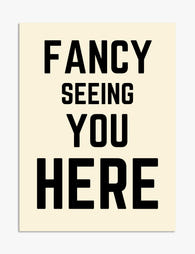
Affiche typographique message d'accueil chic
Translation missing: fr.products.product.sale_price À partir de £11.95£19.95 -
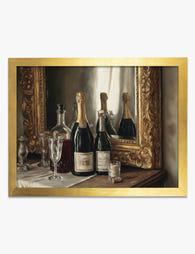
Affiche champagne et reflets
Translation missing: fr.products.product.sale_price À partir de £11.95£19.95


Plus de The Frame

How to Build a Calming Gallery Wall That Actual...
Most gallery walls promise serenity and deliver visual static. The fix isn't softer colours or gentler subjects, it's restraint, repetition, and a few specific measurements that almost nobody gets right....

How to Build a French-Themed Gallery Wall That ...
A French-themed gallery wall sits on a knife edge. Done well, it reads like a well-travelled friend's flat in the 6th arrondissement. Done badly, it looks like the back wall...

How to Build a Meadow-Themed Gallery Wall That ...
Gallery walls intimidate people because they require dozens of small decisions to land right. Meadow art quietly removes most of those decisions for you, because the colour palette and mood...