
 Sorrisi garantiti
 Ordina oggi, consegna il
 How to Display Botanical Prints: Layouts, Frames, and Sizes That Actually Work
Exact measurements, frame choices, and layout rules for hanging botanical art that looks considered, not cluttered.


Botanical prints are some of the easiest art to buy and some of the hardest to hang well. The detail rewards close looking, the proportions are often unusual, and the wrong frame can drain the life out of a beautiful illustration. This guide is for anyone standing in front of a blank wall with prints in hand, wondering exactly where the nail goes.
Why botanical prints need a different approach
Most decorating advice treats art as one undifferentiated category. Botanicals are a special case for three reasons.
First, the linework is fine and the colour palette is usually restrained. Cream backgrounds, muted greens, soft ochres. This means a heavy or shiny frame will overwhelm the artwork in a way it wouldn't with a bold abstract or a high-contrast photograph.
Second, botanical illustrations were historically scientific documents, designed to be studied. They look best with breathing room around them, generous mats, and enough space between prints to let each specimen read clearly. Cram them and they turn into wallpaper.
Third, they almost always come in series. Plate 24 of a fern study wants to live near plates 23 and 25. The format invites pairs, trios, and grids more than any other genre, which means the rules of arrangement matter more than usual.

Single statement print: getting the size right
If you're hanging one print, size is everything. Too small and it looks like an afterthought. Too large and it crowds the space.
The two-thirds rule is the most reliable starting point. Your art should be roughly two-thirds the width of the furniture beneath it, or two-thirds the width of the wall if it's hanging in open space.
For a standard three-seater sofa around 200cm wide, that means a print (or arrangement) covering about 130 to 140cm horizontally. A 70x100cm framed botanical in portrait orientation hits this beautifully when paired with a generous mat. For a 120cm sideboard, aim for art around 80cm wide. For a 90cm console in a hallway, a 60x80cm print is about right.
Hang the centre of the print at 145cm from the floor in a living space. This is gallery height, calibrated for someone standing or seated, and it works for almost every room except hallways (more on that later).
If your wall is taller than it is wide, choose a portrait print and let it run vertically. Botanical illustrations of single stems, ferns, or palm fronds are made for this. Browse botanical art prints in portrait formats first if you're working with a narrow wall between two windows or beside a doorway.
Symmetrical pairs: flanking beds, fireplaces, and windows
Pairs are the easiest botanical layout to get right. They suit the genre because plates were often produced as facing pages or matched specimens.
Above a standard 150cm double bed, two 40x50cm or 50x70cm framed prints hung side by side look balanced. Leave 5 to 8cm between the frames. Centre the pair over the bed, with the bottom of the frames sitting roughly 20 to 25cm above the headboard.
Either side of a fireplace, hang one print on each side at equal distance from the chimney breast. Match the centre height of each print to the centre of the mantelpiece if there's space, or hang them slightly above. Aim for at least 15cm of clear wall between the print and the edge of the chimney breast.
Flanking a window, the same logic applies. Match the top edge of the frames to the top of the window architrave for the most polished result. This is a small detail that separates a thoughtful arrangement from a casual one.
For pairs, identical frames are non-negotiable. Same finish, same width, same mat. The pleasure of a symmetrical pair is the symmetry. Sets of two or three matched Kew Gardens botanical prints are particularly suited to this treatment because the illustrations were originally produced as series.
Building a botanical gallery wall: the grid that always works
Gallery walls intimidate people because most advice is hopelessly vague. Here is a grid layout that works every time with botanicals.
Choose six prints in matching frames. Three across, two down. Each print 30x40cm with a 5cm gap between frames horizontally and vertically. Total footprint: roughly 100cm wide by 90cm tall. This sits beautifully above a sofa, a bed, or a long sideboard.
For a larger wall, go to nine prints in a 3x3 grid. For a narrower wall, three prints stacked vertically. The key is consistent spacing. Botanical illustrations have a scientific, ordered quality, and a rigid grid honours that. Organic, salon-style arrangements tend to fight the artwork rather than support it.
If you must mix sizes (often the case with vintage prints from different sources), pick one alignment line and stick to it. Either align the tops of all frames, or align the centres horizontally. The eye needs one consistent line to read the arrangement as deliberate.
A useful trick: cut newspaper or kraft paper to the size of each framed print, tape them to the wall with masking tape, and live with the layout for a day before drilling. You'll catch spacing errors that look fine on the floor but wrong on the wall.

Frame colours that complement botanical illustration
Frame choice is where most botanical displays go wrong. The instinct is to reach for ornate gold or heavy black. Both can work, but they're rarely the best answer.
Natural oak or ash is the most flattering frame for botanicals. The warm wood tone picks up the cream of the paper and the earthy greens of foliage without competing. It feels contemporary without being sterile.
Matte black works for high-contrast botanicals (ink-heavy fern studies, dark backgrounds, stark silhouettes) but can look too aggressive against soft watercolour palettes. Use it sparingly and match the mat carefully.
Soft, brushed gold suits traditional and vintage botanicals beautifully, especially vintage art prints with hand-tinted colour. Avoid anything shiny or yellow-toned. You want patina, not bling.
White frames can work in very minimal, modern spaces but tend to disappear, which defeats the purpose of framing. Use only if the wall colour itself is doing the contrast work.
What to avoid: shiny chrome, polished silver, dark mahogany, anything ornately carved. Glossy metallic finishes reflect light in a way that fights the matte paper most botanical prints are printed on.
A note on construction: cheap frames warp, especially when shipped separately from the print and assembled at home. Solid wood frames hold their shape, sit flat against the wall, and don't bow at the corners after a year. It's worth paying for proper joinery, particularly at larger sizes where any warping becomes obvious immediately.
Matte vs glossy: why paper and glazing matter
Botanical prints almost always look better on matte paper. The detailed linework gets obscured by glare on glossy stock, and the traditional aesthetic of botanical illustration was built around uncoated paper.
Thick, matte giclée paper holds fine detail, doesn't reflect overhead lighting, and ages gracefully. Glossy or semi-gloss stocks can make a botanical print look like a cheap reproduction, even when the underlying file is identical.
Glazing matters too. Standard glass is reflective and adds weight. UV-protective acrylic glazing is lighter, doesn't shatter, and crucially blocks the light wavelengths that fade pigments over time. For any botanical hanging in a sunny room, this is non-negotiable. Direct sunlight will eventually bleach inks, and once colour is gone it's gone.
Mat width is the other detail people get wrong. Botanicals want generous mats, traditionally 5 to 8cm wide on all sides. The white space isn't wasted. It frames the illustration the way a museum vitrine frames a specimen, giving the eye room to focus on the detail. Skinny 2cm mats look stingy on botanical work.
Room-by-room placement
Living room
Above the sofa is the obvious spot, and the two-thirds rule applies. Diffused, ambient lighting suits botanicals better than direct spotlights. A picture light angled across the surface (not at it) brings out the texture of the paper and the depth of the inks without creating glare.
Hallway
Hallways are viewed in motion, often at closer range than living spaces. Hang prints slightly lower, with centres at around 140cm rather than 145cm, so they read naturally as you walk past. A long horizontal series of three or five prints suits a corridor better than a single statement piece.
Kitchen
Botanicals (especially herb and vegetable studies) are made for kitchens. Keep them away from the hob and sink, where grease and steam will work against any print over time. A wall opposite the cooking zone, or above a dining table within the kitchen, is ideal. UV-protective glazing matters here because kitchens often have the brightest light in the house.
Bathroom
Counterintuitively, bathrooms can work for botanicals if ventilation is decent. Canvas prints handle humidity better than paper in a frame, since there's no enclosed air space behind glazing where condensation can form. If you have your heart set on a framed print in a bathroom, choose a smaller size, hang it well away from the shower, and crack the window after baths. For more flexibility, browse wall art sets that include canvas options.

Common mistakes that make good prints look cheap
Hanging too high. The single most common error. The centre of the artwork should be at 145cm in living spaces, not 160cm or 170cm. People consistently overestimate.
Skinny mats. A beautiful botanical squeezed into a 2cm mat looks like a budget reproduction. Generous matting transforms the same print.
Mismatched frames in a series. If you're hanging botanicals as a set, the frames must match. Three different finishes turns a curated series into a yard sale.
Spacing too wide on a gallery wall. Anything more than 8cm between frames starts to feel disconnected. Stick to 5cm for tight grids, 7 to 8cm for larger pieces.
Ignoring the descriptive text. Vintage botanical book pages often come with descriptive text on a facing page. You can frame these as companion pieces (they look surprisingly good as the second print in a pair) or trim them away. What you shouldn't do is leave them visible at the edge of an otherwise clean composition.
Wrong scale for the room. A 30x40cm print floating above a three-seater sofa looks lost. A 100x70cm print in a small downstairs loo looks comical. Measure the wall, apply the two-thirds rule, and trust it.
Buying the print but skimping on the frame. A great print in a warped, flimsy frame looks worse than a modest print framed properly. If budget is tight, prioritise the frame and the mat over print size. You can always upgrade the print later.

Where to start
If you're staring at a blank wall right now, do this. Measure the width of the furniture or wall section. Multiply by two-thirds. That's your target art width. Decide whether you want a single print, a pair, or a grid of six. Pick a frame in natural oak or matte black. Choose generous matting. Hang the centre at 145cm.
That's the entire system. The rest is taste.

Prodotti Fab presentati in questo blog
-

Poster botanico con piante in vaso su mensola
Translation missing: it.products.product.sale_price A partire da CHF 16.00CHF 22.00 -

Poster botanico moderno con fiori grafici su verde intenso
Translation missing: it.products.product.sale_price A partire da CHF 16.00CHF 22.00 -

Tela scala con piante d'appartamento
Translation missing: it.products.product.sale_price A partire da CHF 61.00CHF 87.00 -

Poster vasi e piante boho
Translation missing: it.products.product.sale_price A partire da CHF 16.00CHF 22.00 -

Tela curve botaniche
Translation missing: it.products.product.sale_price A partire da CHF 61.00CHF 87.00 -

Poster forme botaniche boho
Translation missing: it.products.product.sale_price A partire da CHF 16.00CHF 22.00 -
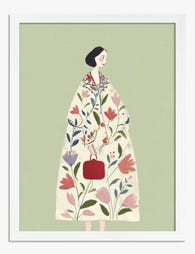
Poster musa botanica
Translation missing: it.products.product.sale_price A partire da CHF 16.00CHF 22.00 -

Poster tavola botanica vintage
Translation missing: it.products.product.sale_price A partire da CHF 16.00CHF 22.00 -

Poster botanico boho
Translation missing: it.products.product.sale_price A partire da CHF 16.00CHF 22.00 -

Poster botanico moderno nei toni neutri
Translation missing: it.products.product.sale_price A partire da CHF 16.00CHF 22.00 -
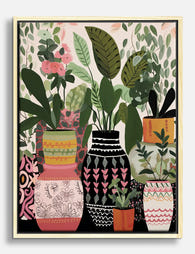
Tela vasi boho botanici
Translation missing: it.products.product.sale_price A partire da CHF 61.00CHF 87.00 -
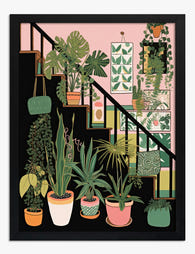
Poster scala botanica eclettica
Translation missing: it.products.product.sale_price A partire da CHF 16.00CHF 22.00 -

Poster collage botanico del giardino
Translation missing: it.products.product.sale_price A partire da CHF 16.00CHF 22.00 -

Poster botanico verde con maxi foglie
Translation missing: it.products.product.sale_price A partire da CHF 16.00CHF 22.00 -

Tela botanica verde heritage
Translation missing: it.products.product.sale_price A partire da CHF 61.00CHF 87.00 -

Tela botanica vibrante
Translation missing: it.products.product.sale_price A partire da CHF 61.00CHF 87.00 -
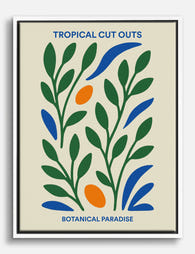
Tela paradiso botanico con sagome
Translation missing: it.products.product.sale_price A partire da CHF 61.00CHF 87.00 -

Tela botanica di grande impatto
Translation missing: it.products.product.sale_price A partire da CHF 61.00CHF 87.00 -

Poster collage botanico tropicale
Translation missing: it.products.product.sale_price A partire da CHF 16.00CHF 22.00 -

Poster della collezione line art botanica
Translation missing: it.products.product.sale_price A partire da CHF 16.00CHF 22.00


Di più da The Frame

How to Build a Gallery Wall With People Art Pri...
Putting one portrait on a wall is easy. Putting six on the same wall, all staring out at you and your dinner guests, is where things get awkward. This is...

How to Build a Gallery Wall with Watercolor Cit...
You love watercolour cityscapes, but you've seen the gallery walls where Paris, Tokyo and New York fight each other for attention like postcards on a fridge. The problem isn't the...

How to Build a French-Themed Gallery Wall That ...
A French-themed gallery wall can go one of two ways: refined Left Bank apartment, or first-year student dorm with a beret problem. The difference is not the prints you choose....