
 Ordina oggi, consegna il
 La guida completa per disporre stampe botaniche sulla tua parete
A decision-making framework for choosing plant prints that actually work together, not just how to hang them.


Le stampe botaniche sono indulgenti. Condividono una famiglia di colori, un soggetto e una sensibilità, il che le rende una delle categorie più semplici da raggruppare su una parete. Il trucco non è appenderle. È scegliere quelle giuste fin dall’inizio e poi lasciare loro abbastanza respiro perché appaiano curate, non stipate.
Parete a galleria vs set coordinato: quale approccio si adatta al tuo spazio
Un set coordinato è composto da tre o più stampe pensate per vivere insieme: stesso artista, stessa palette, stessa scala, spesso lo stesso fondo. È l’opzione più sicura e la via più rapida verso una parete finita. Se ti è mai capitato di restare bloccato davanti a una parete del soggiorno vuota, un set coordinato risolve il problema con un’unica decisione.
Una parete a galleria è un mix curato di stampe diverse composte come un’unità. Sembra più personale e collezionata, ma richiede più attenzione: stai bilanciando colore, scala, cornici e soggetto tutto insieme.
La nostra posizione sincera: se è la tua prima parete, inizia con un set di 3. È quasi impossibile sbagliare e potrai sempre ampliare verso l’esterno in seguito. Se possiedi già una o due stampe che ami e vuoi costruirci attorno, una parete a galleria ha più senso.
I set coordinati funzionano benissimo sopra divani, letti e consolle, dove l’ingombro rettangolare rispecchia il mobile sottostante. Le pareti a galleria si adattano a vani scala, angoli difficili e pareti lunghe e vuote dove un singolo rettangolo risulterebbe troppo rigido.

La composizione a 3 stampe: la parete botanica più facile da realizzare
Tre è la misura perfetta. Due sembra casuale. Quattro invita agli errori. Tre appare intenzionale senza richiedere una laurea in matematica.
Ci sono tre layout che vale la pena conoscere.
La fila orizzontale
Tre stampe della stessa dimensione, appese affiancate alla stessa altezza e a distanza regolare. È la configurazione ideale sopra divani, letti e madie della sala da pranzo. Per un divano tre posti standard (circa 200 cm di larghezza), tre stampe 40x50 cm o 50x70 cm funzionano benissimo. Per un divano componibile più lungo, passa a 60x80 cm.
La colonna verticale
Tre stampe impilate una sopra l’altra, utile per pareti strette tra passaggi, accanto a librerie alte o nei corridoi. Usa formati più piccoli, di solito 30x40 cm o 40x50 cm, e mantieni una spaziatura più stretta rispetto a una disposizione orizzontale.
La forma a L o trio asimmetrico
Una stampa più grande (ad esempio 70x100 cm) fa da ancora alla composizione, con due stampe più piccole (40x50 cm) impilate accanto. Funziona negli angoli, accanto ad arredi alti o in spazi dove un rettangolo perfetto risulterebbe troppo formale. È la più insidiosa delle tre, ma ripaga con un aspetto più progettato.
La fila orizzontale è la variante che consigliamo se vuoi rischio zero. Sfoglia le stampe d’arte botaniche e scegli tre soggetti che condividano una stessa tonalità prima ancora di prendere le misure.
Come scegliere stampe botaniche che stanno bene insieme (colore, stile e scala)
La maggior parte dei disastri di composizione nasce in fase di acquisto, non di montaggio. Le stampe semplicemente non appartengono allo stesso gruppo. Ecco come assicurarti che le tue sì.
La regola del colore: scegli un approccio e rispettalo
Ci sono tre strategie cromatiche che funzionano con costanza per le botaniche.
Monocromo nei toni del verde. Tutte e tre le stampe rientrano nella stessa famiglia di verdi: salvia, oliva, felce, eucalipto. Fondi neutri (crema, bianco caldo, beige morbido). È l’opzione più a prova di errore e comunica calma e cura.
Palette analoga. Verdi con colori adiacenti: verde e oro caldo, verde e terracotta, verde e rosa polveroso. Due stampe virano al verde, una introduce il colore secondario. Aggiunge calore senza rompere la coesione.
Neutri con un solo accento. Illustrazioni botaniche in bianco e nero o studi a matita, con una stampa che introduce un unico colore (un singolo fiore corallo, una foglia in borgogna profonda). È l’approccio più editoriale.
Cosa non funziona: verdi caldi (a base gialla, come l’oliva) mescolati a verdi freddi (a base blu, come lo smeraldo). Si scontrano tra loro in modo percepibile anche se non sai come definirlo. Scegli una temperatura e restaci.
La regola dello stile: allinea il linguaggio artistico
Un’illustrazione botanica d’epoca con nomi latini scritti a mano non si abbina bene a una fotografia tropicale satura. Parlano linguaggi visivi diversi. Gli stili da raggruppare tra loro:
- Illustrazioni scientifiche vintage con altre illustrazioni vintage
- Disegni minimalisti a linea con altri disegni a linea
- Fotografia tropicale con altra fotografia tropicale
- Studi ad acquerello con altri acquerelli
Puoi talvolta fare da ponte tra stili se la palette è identica, ma è un rischio calcolato. Più sicuro impegnarsi in un solo stile per tutte e tre le stampe.
La regola della scala: allinea il peso visivo
Se una stampa mostra una singola, delicata fronda di felce e un’altra una densa scena di giungla colma di fogliame, risulteranno disomogenee anche se i colori coincidono. Cerca stampe con livelli simili di densità visiva. Tre stampe ariose funzionano tra loro. Tre stampe ricche funzionano tra loro. Mescolare le due crea una gerarchia indesiderata.

Spaziature e altezze precise per file orizzontali e griglie
Qui molte guide restano vaghe. Noi no.
Spaziatura tra le stampe
Per le stampe botaniche, 5–8 cm tra le cornici è l’intervallo che funziona. Più stretto di 5 cm e le stampe iniziano a sembrare un’unica immagine schiacciata. Più ampio di 8 cm e l’occhio smette di percepirle come set.
Il nostro standard: 6 cm. Sembra intenzionale quasi in ogni stanza.
Per griglie da quattro o sei stampe, scendi a 4 cm. Una spaziatura più stretta aiuta la griglia a leggere come un unico blocco grafico.
Altezza da terra
Il consenso professionale è di centrare il punto medio della composizione a 145–152 cm da terra (circa 57–60 pollici). È lo standard da galleria, tarato sull’altezza media degli occhi.
Quando appendi sopra i mobili, la regola cambia. Il bordo inferiore delle stampe dovrebbe stare 18–25 cm sopra la sommità di divano, testiera o consolle. Più vicino di 18 cm e le stampe sembrano appoggiate al mobile. Più lontano di 25 cm e la parete appare scollegata dall’ambiente sottostante.
Spaziatura per una fila orizzontale sopra un divano
Per un divano da 200 cm con tre stampe 50x70 cm:
- Larghezza totale della composizione: (50 x 3) + (6 x 2) = 162 cm
- Centra rispetto al divano
- Bordo inferiore delle stampe: 20 cm sopra lo schienale del divano
Per una colonna verticale tra due passaggi:
- Tre stampe 30x40 cm con 5 cm di spaziatura
- Altezza totale: (40 x 3) + (5 x 2) = 130 cm
- Punto centrale a 150 cm da terra
Annota questi numeri prima di prendere in mano la matita. Andare a occhio è il modo più rapido per sbagliare parete.
Come mixare monstera, palme e stampe di foresta senza caos visivo
È la domanda a cui nessuno risponde davvero: eccola.
Puoi assolutamente mescolare tipi di piante diversi nella stessa composizione. La chiave è un DNA visivo condiviso.
Abbinamenti che funzionano
Trio tropicale: monstera, palma e foglia di banano. Tutte a foglia grande, tutte lucide, condividono un livello simile di drammaticità. Stessa palette di verdi, stessa energia.
Trio botanico soft: eucalipto, ramo di ulivo e felce. Tutti delicati, tutti verde-argento, condividono un sapore mediterraneo.
Trio da foresta: pino, betulla e quercia (spesso fotografati o illustrati come alberi interi o rami). Tutto boschivo, tutto temperato, palette più cupa.
Foglie miste con colore condiviso: monstera + palma + eucalipto. Forme e scale diverse, ma se rientrano negli stessi verdi con fondi neutri, l’occhio le raggruppa.
Abbinamenti che creano caos
Monstera + cactus + rosa. Tre climi completamente diversi, tre mood visivi diversi. L’occhio non trova il filo.
Incisione forestale vintage + fotografia tropicale moderna + acquerello di fiori di campo. Tre stili, tre epoche, tre temperature cromatiche.
Scena di giungla densa + singola foglia minimalista + floreale movimentato. I pesi visivi sono troppo diversi.
La regola che ti diamo: scegli un elemento condiviso in tutte e tre le stampe. Stessa famiglia di piante, OPPURE stessa palette di colori, OPPURE stesso stile artistico. Se riesci a spuntarne solo uno, probabilmente le stampe non appartengono allo stesso gruppo. Se ne spunti due, sei a posto. La collezione piante e alberi è organizzata per stile visivo, non solo per soggetto.

Perché la coerenza delle cornici conta più della coerenza delle stampe
Ecco l’asso nella manica di cui si parla troppo poco: cornici identiche salveranno quasi ogni combinazione di stampe.
Puoi appendere tre stampe senza legami botanici e, finché le cornici combaciano, la parete risulterà intenzionale. Puoi appendere tre stampe perfettamente coordinate in cornici discordanti e la parete sembrerà disordinata.
La coerenza delle cornici crea il ritmo visivo che fa apparire curata una parete a galleria. L’occhio registra prima la cornice ripetuta, poi le stampe.
Cosa significa coerente
- Stesso colore della cornice (tutte nere, tutte bianche, tutte in rovere naturale)
- Stessa larghezza del profilo (un profilo sottile accanto a uno massiccio rompe il ritmo)
- Stessa finitura (tutte opache o tutte con la stessa lucentezza)
- Stesso stile di passepartout (tutte con bordi bianchi, o tutte senza)
Se acquisti più stampe, comprale incorniciate e dallo stesso fornitore. Mischiare cornici di produttori diversi quasi mai funziona davvero. Persino il “nero” varia molto: nero caldo, nero freddo, satinato, lucido. Le differenze sono sottili da sole ma evidenti una accanto all’altra.
È anche per questo che spediamo le nostre stampe incorniciate già montate in una solida cornice in legno certificato FSC, finite e pronte da appendere. I profili sono coerenti tra le dimensioni, così una 30x40 cm e una 50x70 cm appese insieme sembrano sorelle.
Come scegliere il colore della cornice per le botaniche
- Rovere naturale è la scelta più sicura. Richiama il soggetto organico e funziona in quasi ogni stanza.
- Nero definisce le stampe e aggiunge contrasto. Ideale per fotografia tropicale audace o disegni grafici a linea.
- Bianco scompare sulla parete e lascia tutto il lavoro alle stampe. Perfetto per illustrazioni vintage e acquerelli morbidi.
Scegline uno e usalo per tutta la composizione.
Consigli di montaggio: dritto al primo colpo
La fase di montaggio è quella che si complica più spesso. Ecco come evitarlo.
Usa sagome di carta
Ritaglia fogli alle esatte dimensioni di ogni stampa. Fissali alla parete secondo la disposizione prevista. Vivici per un giorno. Passaci davanti al mattino, guardali con la luce della sera. Regola prima di fare buchi.
Questo singolo passaggio evita il 90% dei pentimenti post-montaggio.
Misura dal centro, non dagli angoli
Quando segni dove va il chiodo, misura dal punto centrale in cui vuoi che arrivi la stampa, poi compensa della metà dell’altezza della stampa. La maggior parte dei ganci si trova qualche centimetro sotto il bordo superiore della cornice: tienine conto.
Usa una livella vera
Le app del telefono funzionano all’occorrenza, ma una livella a bolla da 30 cm è più affidabile. Appoggiala sul bordo superiore della stampa dopo averla appesa.
Per composizioni con più stampe, parti dal centro e vai verso l’esterno
Appendi per prima la stampa centrale all’altezza corretta. Poi misura la spaziatura verso l’esterno da quella stampa. Così eviti che piccoli errori si sommino lungo la fila.
Quando la parete non è perfettamente piana
Le case più datate hanno pareti imbarcate. Se la composizione sembra storta anche dopo misurazioni accurate, fidati dell’occhio più che della livella. Le stampe devono risultare in bolla rispetto alla linea del soffitto e al battiscopa, anche se questo significa essere tecnicamente fuori di un millimetro. Il soffitto è ciò che si percepisce per primo.

Alcune note finali
Acquista tutte le stampe in un’unica soluzione, non nel tempo. Esposizione alla luce, lotti di carta e finiture delle cornici variano leggermente tra un ordine e l’altro, e le differenze si notano quando le stampe sono affiancate. I set di wall art coordinati aggirano completamente il problema.
Appendile leggermente più in basso di quanto ti sembrerebbe giusto. La maggior parte delle persone tende istintivamente ad appendere troppo in alto. Se esiti tra due altezze, scegli quella inferiore.
E concediti il permesso di toglierle e riprovare. I buchi si stuccano facilmente. Una parete che valga la pena guardare merita qualche chiodo in più.

Prodotti Fab presentati in questo blog
-

Tela scala con piante d'appartamento
Prezzo scontato A partire da CHF 63.00CHF 90.00 -

Poster botanico con piante in vaso su mensola
Prezzo scontato A partire da CHF 16.00CHF 23.00 -
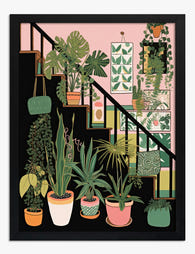
Poster scala botanica eclettica
Prezzo scontato A partire da CHF 16.00CHF 23.00 -

Tela scala con piante in verde e terracotta
Prezzo scontato A partire da CHF 63.00CHF 90.00 -
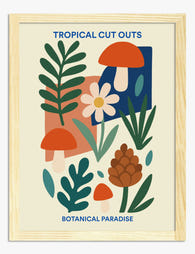
Poster collage botanico tropicale
Prezzo scontato A partire da CHF 16.00CHF 23.00 -

Poster vasi e piante boho
Prezzo scontato A partire da CHF 16.00CHF 23.00 -

Poster veduta botanica inglese
Prezzo scontato A partire da CHF 16.00CHF 23.00 -

Poster botanico giardino di erbe selvatiche
Prezzo scontato A partire da CHF 16.00CHF 23.00 -
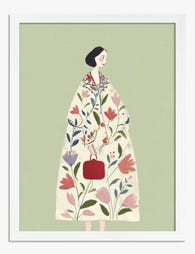
Poster musa botanica
Prezzo scontato A partire da CHF 16.00CHF 23.00 -

Poster botanico con scalinata
Prezzo scontato A partire da CHF 16.00CHF 23.00 -
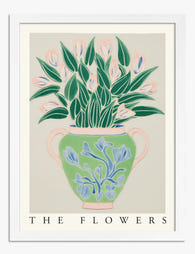
Poster fiori botanici in vaso
Prezzo scontato A partire da CHF 16.00CHF 23.00 -

Poster botanico con piante verdi su sfondo giallo
Prezzo scontato A partire da CHF 16.00CHF 23.00 -

Poster della collezione line art botanica
Prezzo scontato A partire da CHF 16.00CHF 23.00 -

Tela curve botaniche
Prezzo scontato A partire da CHF 63.00CHF 90.00 -
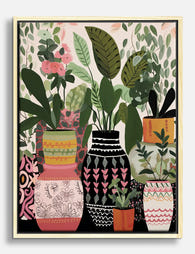
Tela vasi boho botanici
Prezzo scontato A partire da CHF 63.00CHF 90.00 -

Poster eleganza botanica verde scuro
Prezzo scontato A partire da CHF 16.00CHF 23.00 -

Tela sfumature botaniche
Prezzo scontato A partire da CHF 63.00CHF 90.00 -

Poster botanico moderno con fiori grafici su verde intenso
Prezzo scontato A partire da CHF 16.00CHF 23.00 -

Poster tavola botanica vintage
Prezzo scontato A partire da CHF 16.00CHF 23.00


Di più da The Frame

Incorniciare le stampe di William Morris: legno...
Morris progettava motivi per intere stanze, non per cartoline. Questo conta quando incornici le sue opere, perché la cornice sbagliata può trasformare un capolavoro del design botanico vittoriano in rumore...

Idee di arte floreale da parete per ogni stanza
L'arte floreale ha un problema di reputazione. Se la azzecchi, la stanza sembra curata, calda e viva. Se la sbagli, ti ritrovi a fissare le tende chintz della nonna reincarnate...

Dipinti famosi di Roma e dove vederli
Roma è stata dipinta più spesso di quasi qualsiasi altra città al mondo. Non solo le sue persone o i suoi santi, ma la città stessa: fori in rovina, cupole...