
 Ordina oggi, consegna il
 Che misura di stampa per il corridoio? Dimensioni esatte per ogni layout
Exact dimensions for narrow corridors, wide foyers, console tables and stairwells, with no vague percentages in sight.


I corridoi mandano all'aria le regole standard sulle dimensioni dell'arte. La solita matematica del 'due terzi del divano' non funziona quando il divano non c'è, la parete è interrotta da porte e interruttori, e le persone sfilano davanti alla tua arte invece di starci sedute di fronte. Questa guida ti dà misure esatte per ogni scenario tipico di corridoio.
Perché i corridoi sono la stanza più difficile per scegliere la misura dell'arte
Tre fattori rendono i corridoi particolarmente ostici. Primo, lo spazio di parete raramente è un rettangolo pulito. Devi fare i conti con stipiti, interruttori, termostati, tubi dei radiatori e battiscopa, tutti elementi che riducono l'area realmente utilizzabile. Secondo, la distanza di visione è breve e in movimento. La maggior parte dei corridoi misura da 90 a 120 cm in larghezza: significa che si guarda l'opera da circa 60 a 80 cm, spesso di sbieco, e quasi mai restando fermi.
Terzo, i corridoi sono spazi di passaggio. Qui l'arte deve funzionare a colpo d'occhio, non per lunghe contemplazioni. Questo cambia quali dimensioni, complessità e orientamenti funzionano davvero nello spazio.
La soluzione è smettere di pensare in percentuali e iniziare a ragionare in centimetri reali. Misura bene la parete: larghezza nel punto più stretto, altezza dal top del battiscopa al soffitto e distanza tra ogni interruzione architettonica (stipiti, interruttori, punti luce). Lo spazio tra queste interruzioni è la tua vera area di lavoro.

Corridoio stretto: la misura giusta per passaggi sotto 1 m di larghezza
Se il corridoio è sotto 1 m di larghezza, c'è una priorità: non affollare lo spazio. Non si può fisicamente fare un passo indietro, quindi tutto ciò che supera circa 60 cm in larghezza inizia a risultare claustrofobico e si perde la lettura dell'immagine nel suo insieme.
Misure esatte per corridoi stretti:
- Larghezza corridoio 80–100 cm: larghezza opera massimo 40–60 cm
- Larghezza corridoio sotto 80 cm: larghezza opera massimo 30–50 cm
- Orientamento: verticale, quasi sempre
Il verticale funziona perché guida lo sguardo verso l'alto e sfrutta lo spazio in altezza senza sporgere nella zona di passaggio. Una stampa verticale 50x70 cm sta comodamente in un corridoio da 90 cm. Una 70x50 cm orizzontale nello stesso corridoio sembra sbarrare il passaggio, anche se in realtà non lo fa.
Per serie di stampe lungo un corridoio stretto e lungo, mantieni formati identici (30x40 cm o 40x50 cm funzionano benissimo) distanziati di 15–20 cm, appesi con una linea centrale costante a 145–150 cm dal pavimento. È leggermente più bassa della classica altezza da galleria (150–155 cm), pensata per un visitatore seduto. Chi attraversa un corridoio cammina e spesso guarda leggermente verso il basso, quindi abbassare la linea centrale di qualche centimetro si legge meglio.
Per ispirazioni a misura di corridoi stretti, la nostra collezione di stampe per corridoi stretti è filtrata su formati verticali adatti agli spazi più compatti.
Il problema della distanza dalla porta
Lascia almeno 15–20 cm tra il bordo della cornice e qualsiasi cornice porta. Più vicino sembra compresso e l'opera si fonde visivamente con lo stipite. Se hai solo 50 cm di parete tra due porte, lì non c'è spazio per un'opera. Passa al tratto successivo di parete.
La sfida dell'interruttore della luce
Se un interruttore è a 110 cm dal pavimento (altezza standard nel Regno Unito) e il bordo inferiore dell'opera cadrebbe a 115 cm, quel gap di 5 cm sembrerà un errore. O appendi più in alto in modo che lo stacco risulti intenzionale (minimo 15 cm sotto la cornice), oppure scegli un tratto di parete senza ostacoli. Non provare a nascondere un interruttore dietro l'opera: risulta peggio che ammetterlo.
Ingresso ampio: andare in grande senza sovraccaricare lo spazio
I foyer ampi (oltre 1,5 m di larghezza, o ingressi open-plan) ribaltano il problema. Ora il rischio è appendere qualcosa di troppo piccolo e vederlo galleggiare sconsolato su una parete enorme.
Misure esatte per ingressi ampi:
- Larghezza parete 1,5–2,5 m: larghezza opera 70–100 cm
- Larghezza parete 2,5–4 m: larghezza opera 100–150 cm (territorio tela)
- Larghezza parete oltre 4 m: larghezza opera 150 cm+, oppure una composizione multipla
Qui le stampe di grande formato danno il meglio. Una stampa incorniciata 70x100 cm o una tela 100x150 cm creano il punto focale che un ingresso generoso richiede. Sotto i 70 cm di larghezza su una parete da 3 m, l'opera sembrerà un francobollo.
Sulla tela a questa scala contano anche i vantaggi pratici: una 100x150 cm pesa molto meno di una stampa incorniciata della stessa misura, è più facile da appendere su cartongesso e, con il bordo specchiato avvolto, non perdi porzioni dell'immagine per il rifilo. Le stampe incorniciate fino a 70x100 cm offrono una finitura più curata, da museo, se il tuo ingresso è più formale.
La distanza di visione in un foyer è di solito 2–3 m quando si entra, più vicina a quella di una normale stanza. Qui puoi usare opere più dettagliate: botaniche, ritratti e illustrazioni intricate reggono perché chi guarda ha spazio e tempo per osservare.

Sopra una consolle: la regola dei 15 cm e le proporzioni ideali
Le consolle sono l'arredo più comune all'ingresso e richiedono una logica di dimensionamento dedicata. La consolle è stretta (di solito 25–40 cm di profondità) e lunga (90–150 cm di larghezza), quindi il rapporto proporzionale tra arte e mobile differisce da quello con un divano o un letto.
La regola dei 15 cm: lascia circa 15 cm (6 pollici) di parete libera tra il top della consolle e il bordo inferiore della cornice. Meno di 10 cm e l'opera sembra appoggiata al tavolo. Più di 25 cm e i due elementi risultano scollegati.
La proporzione dei due terzi: la larghezza dell'opera dovrebbe essere circa due terzi della larghezza della consolle. Quindi:
- Consolle da 90 cm: larghezza opera 55–65 cm
- Consolle da 120 cm: larghezza opera 75–85 cm
- Consolle da 150 cm: larghezza opera 95–110 cm
Questa regola si può infrangere in un solo verso. Un unico pezzo che corre per tutta la larghezza della consolle (quindi 100% invece di due terzi) appare deciso e intenzionale. Ciò che non funziona è qualsiasi cosa tra i due terzi e la larghezza piena: si legge semplicemente come leggermente sbagliata.
Pezzo singolo vs coppia vs trittico sopra la consolle
Un'unica stampa orizzontale è l'opzione più sicura e quasi sempre equilibrata. Una coppia di verticali affiancati funziona su consolle da 120 cm in su, con circa 5–8 cm tra le cornici. Un trittico di tre stampe più piccole (ad esempio 30x40 cm ciascuna) si adatta a consolle più lunghe, da 140 cm in su.
Se stai arredando una consolle, la nostra collezione di set da parete propone coppie e trittici coordinati, dimensionati sulle misure standard delle consolle.
Pareti del vano scala: misure e spaziature per composizioni ascendenti
I vani scala sono il progetto da corridoio più ambizioso e quello che più spesso si sbaglia. L'astuzia sta nel fatto che la parete non è inclinata, ma l'occhio legge la linea della scala come il nuovo orizzontale. La tua composizione deve salire in passo con quella linea.
Pezzo singolo nel vano scala: se appendi una sola stampa, posiziona il centro a 145–155 cm sopra il gradino centrale (non il pavimento sottostante). Per una scala tipica del Regno Unito è circa a un terzo dell'altezza della parete.
Spaziatura per composizioni ascendenti:
- L'angolo della scala è tipicamente 35–42 gradi
- Spaziatura centro-centro tra cornici: 50–60 cm in orizzontale, con ogni cornice rialzata per seguire la linea della scala
- Salto verticale tra i centri: circa 30–40 cm (a seconda dell'inclinazione)
- Gap tra i bordi delle cornici: 8–12 cm
L'approccio più semplice è usare stampe di dimensioni identiche (40x50 cm verticali funzionano particolarmente bene) e alzare ciascuna di uguale incremento verticale e orizzontale. Immagina una linea diagonale che va dal basso a sinistra all'alto a destra, con lo stesso angolo del corrimano. Il punto centrale di ogni cornice dovrebbe cadere su quella linea.
Allineamento delle linee di vista: fermati ai piedi della scala e guarda in su. Il pezzo più basso dovrebbe essere visibile all'altezza degli occhi (circa 150–160 cm dal primo gradino). Il pezzo più alto dovrebbe risultare visibile senza dover alzare troppo il collo quando arrivi in cima. Se non riesci a vedere comodamente l'elemento in alto da nessun punto della scala, è appeso troppo in alto.
Per vani scala più ampi, valuta di mixare i formati. Un pezzo ancora 70x100 cm all'inizio della sequenza, con stampe più piccole 30x40 cm che salgono a fianco, crea ritmo senza risultare ripetitivo. Mantieni coerenti gli stili delle cornici anche quando le dimensioni variano.

Pezzo singolo di impatto o gallery wall: cosa si adatta al tuo corridoio
Decidi in base alla lunghezza effettiva della parete del corridoio.
Corridoi sotto 2 m: un singolo pezzo statement. Non c'è abbastanza lunghezza per far risultare una gallery intenzionale invece che affollata. Una stampa ben dimensionata (50x70 cm o 60x80 cm verticale) rende più di tre piccole che si contendono l'attenzione.
Corridoi da 2 a 4 m: due o tre pezzi. O una coppia o una terna di formati identici distanziati in modo uniforme, oppure un singolo pezzo più grande (70x100 cm) con respiro. Entrambe le opzioni funzionano, a seconda che tu preferisca ritmo o punto focale.
Corridoi oltre 4 m: potenziale da gallery wall. Hai la lunghezza per supportare da sei a dodici pezzi in una griglia strutturata o in disposizione salon-style. Mantieni un elemento unificante (colore delle cornici, palette delle immagini o soggetto) così si legge come una collezione e non una collisione.
Dimensionamento di una gallery wall in un corridoio
Se opti per la gallery, pianifica un ingombro complessivo pari a circa il 60–70% della lunghezza della parete, centrato. Quindi, su una parete da 4 m, la tua gallery dovrebbe estendersi per circa 2,5–2,8 m in orizzontale. L'altezza verticale della composizione dovrebbe essere 80–120 cm, appesa in modo che il centro dell'insieme stia a 150 cm dal pavimento.
Distanza cornice-cornice in una gallery: 5–8 cm. Più stretto risulta caotico, più ampio i pezzi smettono di leggere come gruppo.
Il compromesso onesto: le gallery wall richiedono più tempo per essere progettate e appese bene. Disporre tutto prima a terra, scattare una foto, regolare e poi trasferire a parete. Improvvisare direttamente sul muro quasi mai funziona.
Le nostre misure consigliate per le stampe da ingresso
Se vuoi una scorciatoia, ecco cosa funziona nella maggior parte dei corridoi reali:
Corridoio stretto (sotto 1 m di larghezza):
- Pezzo singolo: 40x50 cm o 50x70 cm, verticale
- Serie: tre-cinque stampe 30x40 cm, verticali, distanziate 15–20 cm
Corridoio standard (da 1 a 1,5 m di larghezza):
- Pezzo singolo: 50x70 cm o 60x80 cm, verticale o orizzontale
- Coppia: due stampe 40x50 cm, verticali
Ingresso ampio o foyer:
- Pezzo statement: stampa incorniciata 70x100 cm o tela 100x150 cm
- Trittico: tre stampe 50x70 cm
Sopra una consolle da 120 cm:
- Pezzo singolo: 70x50 cm orizzontale, appeso a 15 cm sopra il piano
- Coppia: due verticali 40x50 cm, distanziate 5–8 cm
Vano scala:
- Tre-cinque verticali 40x50 cm, in salita con 50–60 cm centro-centro in orizzontale
Per tutte queste soluzioni, le stampe incorniciate offrono una finitura più curata, da galleria, e arrivano pronte da appendere con i fissaggi montati. La tela funziona meglio per le misure molto grandi (sopra i 100 cm) per via di peso e facilità di installazione. Entrambe le opzioni sono realizzate su misura e spedite in un unico collo, correttamente montate, senza imbarcamenti o bolle all'arrivo.

Misura due volte, segna con del nastro carta sulla parete prima di fissare i chiodi e fidati del formato verticale negli spazi stretti. I corridoi premiano la misura precisa più di qualsiasi formula a percentuali. Se le misure sono giuste, sarà l'arte a fare il resto.

Prodotti Fab presentati in questo blog
-

Tela ingresso urbano vivace
Prezzo scontato A partire da CHF 63.00CHF 90.00 -
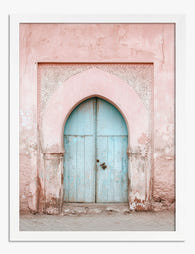
Poster porta azzurra con arco rosa cipria
Prezzo scontato A partire da CHF 16.00CHF 23.00 -
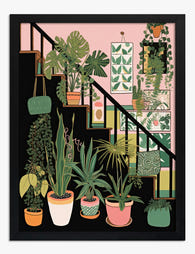
Poster scala botanica eclettica
Prezzo scontato A partire da CHF 16.00CHF 23.00 -

Tela solitudine sulla soglia
Prezzo scontato A partire da CHF 63.00CHF 90.00 -

Poster con scritta benvenuti a casa rosa e giallo
Prezzo scontato A partire da CHF 16.00CHF 23.00 -

Poster benvenuto in giardino floreale
Prezzo scontato A partire da CHF 16.00CHF 23.00 -

Poster serenità dei girasoli
Prezzo scontato A partire da CHF 16.00CHF 23.00 -

Tela con scala colorata
Prezzo scontato A partire da CHF 63.00CHF 90.00 -

Poster oasi verde sulla scala
Prezzo scontato A partire da CHF 16.00CHF 23.00 -

Poster passeggiata invernale nel bosco innevato
Prezzo scontato A partire da CHF 16.00CHF 23.00 -

Poster sentiero nel bosco baciato dal sole
Prezzo scontato A partire da CHF 16.00CHF 23.00 -

Tela scala con piante d'appartamento
Prezzo scontato A partire da CHF 63.00CHF 90.00 -

Poster porta blu del Marocco
Prezzo scontato A partire da CHF 16.00CHF 23.00 -

Poster compagni di passeggiata invernale
Prezzo scontato A partire da CHF 16.00CHF 23.00 -

Tela arco d’ingresso rosa cipria con porta azzurro polvere
Prezzo scontato A partire da CHF 63.00CHF 90.00


Di più da The Frame

I nostri set preferiti per pareti galleria con ...
Sei è il punto di equilibrio per una parete galleria a tema uccelli. Abbastanza cornici da sembrare curata e importante, ma abbastanza poche da poter appendere tutto in un pomeriggio...

Incorniciare le stampe di William Morris: legno...
Morris progettava motivi per intere stanze, non per cartoline. Questo conta quando incornici le sue opere, perché la cornice sbagliata può trasformare un capolavoro del design botanico vittoriano in rumore...

Idee di arte floreale da parete per ogni stanza
L'arte floreale ha un problema di reputazione. Se la azzecchi, la stanza sembra curata, calda e viva. Se la sbagli, ti ritrovi a fissare le tende chintz della nonna reincarnate...