
 Ordina oggi, consegna il
 Stampe d'arte XL vs Large: quale formato ti serve davvero?
The honest guide to choosing between 50x70cm and 70x100cm prints, with real UK room dimensions and zero guesswork.


La maggior parte delle persone acquista stampe d'arte troppo piccole. Misurano a occhio, vanno sul sicuro e si ritrovano con una 30x40 cm che galleggia goffamente sopra un divano a tre posti. La soluzione è di solito più semplice, e più grande, di quanto pensi.
Le misure di stampa più comuni e come appaiono davvero su una parete
Le misure delle stampe vengono spesso presentate in categorie vaghe ("medium", "large", "oversized") che significano cose diverse su siti diversi. Ecco come appaiono davvero una volta appese alla parete.
A4 (21x30 cm) è piccolo. È un foglio di carta da ufficio. Su qualsiasi parete più grande di un bagno di servizio al piano terra, scompare.
A3 (30x42 cm) e 40x50 cm sono le misure a cui la maggior parte ricorre per default. Funzionano in coppia o in trio, ma come pezzo singolo su una parete protagonista sembrano quasi sempre sottodimensionate.
50x70 cm è ciò che il settore chiama "large". È all'incirca quanto un quotidiano in grande formato aperto. Questo è il formato tuttofare per sopra una consolle, accanto al letto o in corridoio.
70x100 cm è dove inizia l'XL. È una scala che cambia davvero la stanza. È circa all'altezza di un piano di lavoro della cucina ed è visibilmente più grande di un 50x70 cm dal vivo, anche se i numeri su carta non sembrano così diversi.
100x150 cm (solo tela) è territorio da dichiarazione. Una stampa, una parete, fine della conversazione.
Il salto da 50x70 cm a 70x100 cm non sembra drammatico, ma la superficie raddoppia circa. È la parte che i numeri nascondono.

Quando basta un 50x70 cm (e quando no)
Un 50x70 cm basta quando la parete intorno fa il resto del lavoro. Se hai una stampa sopra il comodino accanto a una lampada alta, con una testiera materica e una pila di libri sul pavimento, il 50x70 cm regge. L'occhio legge l'intera composizione, non solo la stampa.
È anche la scelta giusta per pareti strette: la striscia accanto a una porta, la parete sopra un termosifone, una sezione sottile tra due finestre. Con più di circa 80 cm di parete libera inizi a sembrare sotto tono.
50x70 cm non basta quando:
- È l'unica cosa su una parete larga più di 1,8 m
- È appeso sopra un divano a tre posti senza nulla ai lati
- Il soffitto è alto (case vittoriane ristrutturate, ampliamenti in mansarda, qualsiasi cosa oltre 2,6 m)
- È il punto focale di un living open space
In queste situazioni, un 50x70 cm risulta titubante. Sembra che non fossi sicuro e abbia giocato sul sicuro. Che, a onor del vero, probabilmente è così.
Perché le stampe XL (70x100 cm e oltre) trasformano una stanza
I designer parlano di "peso visivo", che è solo un modo breve per dire quanta della tua attenzione comanda un oggetto. Una stampa 70x100 cm ha circa il doppio del peso visivo di una 50x70 cm e occupa la parete con sicurezza invece che con timidezza.
C'è un motivo se hall di hotel, ristoranti e appartamenti ben curati su Instagram usano arte oversize. Comunica intenzione. La stanza sembra finita, pensata, leggermente più costosa di quanto sia in realtà. Una singola stampa XL fa più per una stanza di tre stampe piccole disposte in una griglia accurata, ed è molto meno lavoro.
Le stampe XL risolvono anche il problema dell'affitto. Se non puoi forare più pareti, o non vuoi impegnarti in una gallery wall che poi dovrai stuccare, una grande stampa statement ti dà il massimo impatto con un solo punto di fissaggio.
L'altro vantaggio silenzioso: le stampe XL sono più belle da vicino. Una giclée ad alta risoluzione a 70x100 cm premia l'ispezione. Vedi pennellate, texture, grana della carta. Le stampe più piccole sono pensate per essere guardate da lontano. Le grandi ti invitano ad avvicinarti.
Dimensioni per stanza: soggiorno, camera da letto, sala da pranzo, corridoio
Qui è dove la maggior parte delle guide online diventa vaga. Ecco raccomandazioni specifiche basate su dimensioni reali degli arredi nel Regno Unito.
Soggiorno
Un divano a tre posti standard nel Regno Unito è largo tra 200 e 220 cm. La regola di design dice che l'arte dovrebbe misurare dai due terzi ai tre quarti della larghezza del mobile sottostante. Ciò significa che la tua stampa (o composizione) dovrebbe essere larga circa 130-165 cm.
Un singolo 50x70 cm sopra quel divano sembrerà isolato. Hai due vere opzioni:
- Una stampa XL da 70x100 cm (orientata in verticale) o 100x70 cm (orizzontale). È la scelta più pulita e sicura.
- Una coppia o una trilogia di 50x70 cm appese vicine in modo che leggano come un'unità larga circa 150 cm.
Per un due posti (circa 160 cm), una 70x100 cm funziona benissimo da sola. Per un divano angolare o un modulare più grande, passa direttamente alla tela 100x150 cm. Qualsiasi cosa più piccola sottodimensiona il punto focale della stanza.
Camera da letto
Un letto matrimoniale UK misura 135 cm di larghezza; un king 150 cm. Le testiere in genere sporgono un po' oltre. Sopra il letto, vuoi che l'arte abbracci all'incirca la larghezza della testiera.
Per un matrimoniale standard, 70x100 cm in verticale oppure 100x70 cm in orizzontale è il punto giusto. Per un king o super king, sali alla tela 100x150 cm o appendi due 50x70 cm affiancate.
Un 50x70 cm sopra un matrimoniale, appeso da solo, è l'errore di misura più comune che vediamo. Sembra un francobollo su un piumone.

Sala da pranzo
Sopra un tavolo da pranzo, hai spazio verticale con cui giocare. Il riferimento qui non è il tavolo, ma la parete. Una parete da pranzo tipica in una casa nel Regno Unito è larga 2,4-3 m.
Per una parete protagonista dietro il tavolo, vai XL. Una 70x100 cm in verticale, oppure due 50x70 cm impilate, funzionano entrambe. Se la zona pranzo è in una cucina open space, considera la parete come parte dello spazio più ampio e dimensiona di conseguenza. Più grande comunica intenzione.
Corridoio
I corridoi vittoriani stretti misurano in genere 90-110 cm di larghezza. Non hai la profondità per arretrare e apprezzare pezzi grandi, quindi 50x70 cm o 40x50 cm sono di solito la scelta giusta qui, appesi in serie lungo il corridoio.
L'eccezione è la parete in fondo al corridoio, che funge da fermo visivo. Quella vuole qualcosa di più grande. Una 70x100 cm in fondo a un corridoio lungo ti attira verso di sé e fa sembrare lo spazio intenzionale, non solo di passaggio.
Il test della parete: come misurare e scegliere con sicurezza
Prima di ordinare qualsiasi cosa, fai questo. Richiede dieci minuti e ti evita il momento imbarazzante del "è troppo piccolo?" quando arriva il pacco.
Il trucco della sagoma di carta. Unisci fogli A4 con del nastro per creare rettangoli nelle misure che stai considerando. Fissali al muro con del nastro carta. Cammina dall'altra parte della stanza. Siediti sul divano. Preparati un tè e torna. La dimensione giusta ti sembrerà ovvia dopo circa cinque minuti di convivenza.
La maggior parte di chi lo fa finisce per salire di misura. Quasi nessuno scende.
La regola della percentuale di parete. La tua arte (o composizione) dovrebbe riempire il 60%-75% dello spazio di parete disponibile sopra il mobile. Misura la larghezza della parete, moltiplica per 0,65 ed ecco, all'incirca, la larghezza che dovrebbe avere la stampa.
Esempi rapidi:
- Divano da 200 cm: punta a arte larga circa 130-150 cm
- Madia da 160 cm: punta a arte larga circa 100-120 cm
- Nicchia da 90 cm: punta a arte larga circa 55-70 cm
La prova dell'apertura delle braccia. Mettiti contro la parete e stendi le braccia. Sono all'incirca 150-170 cm. Se la tua stampa è significativamente più stretta della tua apertura quando è appesa sopra un divano, probabilmente è troppo piccola.
Con cornice o senza: come la cornice cambia la dimensione effettiva
È l'aspetto che la maggior parte delle guide salta, e conta più di quanto pensi.
Una cornice aggiunge 4-8 cm per lato, a seconda del profilo. Una 70x100 cm in una sottile cornice in rovere diventa circa 78x108 cm complessivi. Con una cornice più larga, più vicino a 82x112 cm. È un salto di presenza visiva percepibile.
In pratica, questo significa che una stampa 50x70 cm con cornice può reggere una parete dove una 50x70 cm senza cornice non reggerebbe. La cornice estende l'impronta visiva e dà all'occhio qualcosa su cui atterrare. Se sei deciso sul 50x70 cm ma temi che sembri piccolo, incornicialo.
Le stampe incorniciate offrono anche una finitura più curata, in stile galleria. Il rovescio della medaglia è il peso. Una 70x100 cm incorniciata è significativamente più pesante di una tela della stessa misura e richiede fissaggi a parete adeguati (due viti su muratura o montanti, non un singolo gancetto su cartongesso).
Le stampe su tela, invece, sono molto più leggere e funzionano bene in ambienti umidi come bagni o cucine, dove le incorniciate con protezione in acrilico possono essere eccessive. Hanno anche il bordo specchiato, il che significa che l'immagine continua sui lati invece di venire tagliata: una tela 70x100 cm si legge quindi come un pieno 70x100 cm senza bordi che ne "mangiano" l'immagine.
Se vuoi la massima scala con il minimo peso, vince la tela. Se vuoi la massima finitura, vince la cornice. Entrambe arrivano in un'unica scatola, montate correttamente, con i sistemi di fissaggio già applicati.

La realtà delle case nel Regno Unito
La maggior parte dei consigli sulle dimensioni online è americana, quindi calibrata su stanze più grandi delle tue. Un "soggiorno grande" in una guida USA è spesso largo 6 m. Un soggiorno tipico in una casa a schiera vittoriana nel Regno Unito è più vicino a 3,5-4 m.
Questo in realtà rende le stampe XL più efficaci, non meno. In una stanza più piccola, il pezzo focale è più vicino a dove ti siedi. Lo vedi più chiaramente, più spesso, con più dettagli. L'argomento per andare più grande è più forte in una casa nel Regno Unito, non più debole.
Spazi "UK" insidiosi da considerare:
- Le nicchie del camino misurano tipicamente 90-120 cm di larghezza. Una singola 70x100 cm in verticale qui sta benissimo.
- Pareti con soffitto spiovente in mansarde richiedono l'orientamento orizzontale, di solito 50x70 cm o 70x50 cm.
- Sopra il termosifone è una posizione comune ma insidiosa. Lascia almeno 20 cm di distanza e scegli l'orientamento orizzontale.
Costo-per-impatto: perché conviene salire di misura
La differenza di prezzo tra una stampa grande e una XL, con cornice, è di solito 20-40 £. Non è poco. Ma non è nemmeno molto, se paragonata al costo di rimanere deluso dalla tua arte ogni volta che entri nella stanza.
Una 50x70 cm di cui ti penti è un acquisto peggiore di una 70x100 cm che ami. La versione più grande non costa il doppio, ma fa all'incirca il doppio del lavoro.
Se sei indeciso tra due misure, l'upgrade vale quasi sempre la pena. Non ci è ancora capitato di sentire un cliente dire che la sua stampa XL era troppo grande. Sentiamo regolarmente chi dice che avrebbe voluto andare più grande.
La nostra raccomandazione: parti più in grande di quanto pensi
Se ti trovi davanti a un divano, a un letto o a una parete da pranzo a scegliere tra 50x70 cm e 70x100 cm, prendi la 70x100 cm. Se stai scegliendo tra 70x100 cm e una tela 100x150 cm per una vera parete protagonista, vai di tela.
La matematica, le sagome e le percentuali portano tutte alla stessa risposta per la maggior parte delle stanze nelle case del Regno Unito. La stampa che stai considerando è probabilmente una misura troppo piccola.
Attacca della carta alla parete. Convivi con lei un pomeriggio. Poi ordina la versione che ti è sembrata giusta, non quella che ti è sembrata prudente. Scopri la nostra selezione XL quando sei pronto, oppure inizia con i nostri pezzi più amati se vuoi vedere cosa hanno davvero appeso gli altri alle loro pareti.


Prodotti Fab presentati in questo blog
-

Poster Hilma af Klint – i dieci più grandi
Prezzo scontato A partire da €16,95€23,95 -

Poster tipografico 'Lovely' ripetuto in arancione
Prezzo scontato A partire da €16,95€23,95 -

Tela tipografica 'LUSH' bianco e nero
Prezzo scontato A partire da €65,95€93,95 -
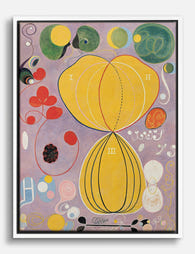
Tela Hilma af Klint – I dieci più grandi
Prezzo scontato A partire da €65,95€93,95 -

Poster Hilma af Klint – le dieci più grandi
Prezzo scontato A partire da €16,95€23,95 -
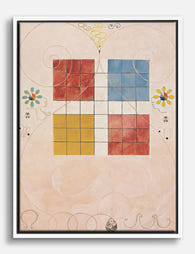
Tela i dieci più grandi di Hilma af Klint
Prezzo scontato A partire da €65,95€93,95 -

Poster la camera da letto di Van Gogh
Prezzo scontato A partire da €16,95€23,95 -

Poster tipografico minimal in bianco e nero
Prezzo scontato A partire da €16,95€23,95 -

Tela tipografica moderna in grassetto, toni marroni
Prezzo scontato A partire da €65,95€93,95 -

Tela tutto ciò di cui hai bisogno è amore
Prezzo scontato A partire da €65,95€93,95 -
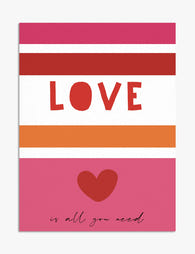
Poster 'All You Need Is Love' rosa e rosso
Prezzo scontato A partire da €16,95€23,95 -

Tela le dieci più grandi di Hilma af Klint
Prezzo scontato A partire da €65,95€93,95 -
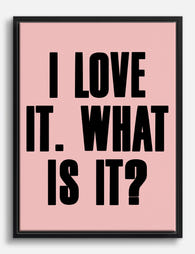
Tela tipografica Love It, Ask Later
Prezzo scontato A partire da €65,95€93,95 -

Tela I dieci più grandi di Hilma af Klint
Prezzo scontato A partire da €65,95€93,95 -

Poster tipografico monocromatico audace
Prezzo scontato A partire da €16,95€23,95 -

Tela tipografica in bianco e nero dal messaggio deciso
Prezzo scontato A partire da €65,95€93,95


Di più da The Frame

La migliore arte a tema uccelli per la camera d...
L’arte con uccelli è una di quelle categorie che possono scivolare nel cliché in fretta. Se eseguita bene, porta movimento, calma e un senso di cielo aperto nella stanza più...

I 12 motivi più famosi di William Morris (e dov...
Morris progettò oltre 50 carte da parati e tessili nel corso della sua vita, ma la maggior parte delle persone riesce a nominarne solo tre o quattro. Questa guida ne...

Roma vs Venezia vs Firenze: come scegliere le s...
Roma, Venezia e Firenze fotografano meravigliosamente, ma sulla parete non si comportano allo stesso modo. Ogni città ha una propria palette, un proprio registro emotivo e un proprio gruppo di...