
 Ordina oggi, consegna il
 Perché la maggior parte delle gallery wall in stile coastal sembrano così affollate?
The logistics-first guide for anyone who's been staring at a blank wall and a saved Pinterest board for months.


Perché nascono dall’ispirazione, non dalla logistica. Si salvano venti esempi bellissimi, si comprano sette stampe in sette formati diversi e tre finiture di cornice, e il risultato sembra un mercatino dell’usato. Questa guida ti dà invece le formule.
Gallery wall o singolo quadro statement? Come decidere per il tuo spazio
Una gallery wall si guadagna il posto quando hai larghezza da riempire e uno sfondo piatto e libero. Se la parete supera 1,5 metri di larghezza, sta sopra un divano, una madia o un letto e non compete con librerie o carte da parati movimentate, sei la persona giusta.
Se la parete è più stretta di 1,2 metri, è interrotta da una porta o confina con un elemento architettonico molto presente, fatti un favore e appendi un unico pezzo grande. Una singola stampa oceanica 70x100 cm incorniciata sembrerà sempre più curata di quattro piccole stipate nello stesso spazio.
L’altro fattore decisivo è la tua tolleranza a misurare. Una gallery wall richiede circa un’ora di pianificazione corretta. Un singolo quadro, cinque minuti. Sii onesto con te stesso.

La regola d’oro: scegli una sola finitura di cornice e non cambiare
Se non ricordi nient’altro di questo articolo, ricorda questo. Le finiture di cornice mescolate sono il principale motivo per cui le gallery wall coastal risultano caotiche. Il rumore visivo di nero, oro, bianco e rovere che lottano sulla stessa parete annulla la calma che volevi ottenere.
Scegli una finitura in base alla tua stanza:
- Rovere o frassino naturale: la scelta predefinita per lo stile coastal. Calda, informale, si abbina a lino, rattan e legni sbiancati. È l’opzione più sicura e funziona nell’80% delle case.
- Bianco: ideale per ambienti luminosi e ariosi con pareti chiare. Si mimetizza e lascia parlare l’opera. Tende più verso Hamptons che verso un cottage della Cornovaglia.
- Nero: solo se nello spazio ci sono altri accenti scuri marcati (infissi neri, un divano scuro, ferramenta nero opaco). Ha un aspetto deciso ma comunica più coastal moderno che coastal rilassato.
Qualunque tu scelga, tutte le cornici sulla parete devono abbinarsi. Stessa finitura, stesso spessore del profilo, stessa vetratura. Le nostre stampe incorniciate includono lastra acrilica con protezione UV e cornici in legno massello certificato FSC con profili coerenti, così non devi andare a tentoni.
Quanti quadri ti servono davvero (in base alla larghezza della parete)
Ecco lo schema rapido. Misura la larghezza della parete, poi scegli il numero di stampe dall’intervallo qui sotto.
| Larghezza parete | Numero di stampe | Combinazione di misure consigliata |
|---|---|---|
| Da 1,2 a 1,5 m | 3 stampe | 1 x 50x70 cm + 2 x 30x40 cm |
| Da 1,5 a 1,8 m | 4–5 stampe | 1 x 70x100 cm + 4 x 30x40 cm, oppure 5 x 40x50 cm in griglia |
| Da 1,8 a 2,4 m | 5–7 stampe | 2 x 50x70 cm + 3 x 30x40 cm, oppure 1 x 70x100 cm + 4 x 40x50 cm |
| Oltre 2,4 m | 7–9 stampe | 3 x 50x70 cm + 4 x 30x40 cm |
L’area complessiva delle opere dovrebbe coprire circa due terzi della larghezza della parete. Meno di così e la parete sembra spoglia. Di più e stai entrando nel territorio del disordine.
Errore comune: comprare tutto della stessa misura. Cinque stampe 40x50 cm identiche in fila ricordano un calendario, non una galleria. Serve almeno un pezzo àncora visibilmente più grande degli altri.
Due schemi di layout che funzionano sempre
La griglia simmetrica
Usala quando vuoi un effetto calmo, ordinato e un po’ più formale. Si adatta a camere da letto, sale da pranzo e a qualsiasi ambiente con linee orizzontali marcate (una madia lunga, un divano basso).
La formula: un numero pari di stampe tutte della stessa misura disposte su due file. Quattro stampe in una 2x2, sei in una 3x2, otto in una 4x2. Tutte della stessa dimensione, stessa cornice, spaziatura uniforme.
Distanza tra le cornici: 5–7 cm. Più strette e sembreranno un unico blocco massiccio. Più larghe e smettono di dialogare tra loro.
La griglia è a prova d’errore perché c’è solo una decisione da prendere: quale stampa va dove. Metti l’immagine più forte in alto a sinistra (dove cade per prima l’attenzione) e bilancia il peso cromatico in diagonale.
Il gruppo organico
Usalo quando vuoi che sembri raccolto nel tempo, informale, leggermente bohémien. Funziona in soggiorni, corridoi e pareti sopra le scale.
La formula: un pezzo àncora (il più grande), due stampe medie e due–quattro stampe più piccole disposte attorno all’àncora. L’àncora si trova leggermente decentrata, di solito a sinistra del centro. Le medie la affiancano in diagonale. Le piccole riempiono i vuoti.
Il trucco è immaginare un rettangolo o un ovale che contenga l’insieme. Ogni stampa deve rientrare in quel perimetro immaginario. Le stampe non devono allinearsi tra loro, ma i bordi esterni del gruppo dovrebbero formare una sagoma pulita.
Spaziatura in un gruppo organico: minimo 5 cm, massimo 8 cm. Varia leggermente le distanze per evitare l’effetto griglia “sballata”.

Mescolare i soggetti senza perdere il filo conduttore costiero
Una gallery wall coastal con sette foto di onde è noiosa. Una gallery wall coastal con onde, un fenicottero, un’auto d’epoca e una stampa con frase è incoerente. L’equilibrio sta nel mezzo.
Segui la regola del 70/30: il 70% delle stampe dovrebbe raffigurare acqua e cielo (oceano aperto, onde che si infrangono, linee d’orizzonte, scene di spiaggia). Il 30% può essere composto da soggetti di contorno dal mondo costiero (erbe di mare, conchiglie, barche, fari, texture sabbiose astratte, un singolo soggetto botanico).
All’interno di quel perimetro, varia il trattamento:
- Una o due stampe fotografiche (mare reale, orizzonte reale)
- Una o due opere pittoriche o astratte (onde in acquerello, campiture cromatiche attenuate)
- Un pezzo illustrato o grafico (un disegno a linea di una barca, una carta in stile vintage)
La coesione deriva da una palette cromatica rigorosa. Resta su azzurri morbidi, neutri sabbia, bianco sporco e un solo colore accento (terracotta, salvia o grigio caldo). Se una stampa ha colori primari squillanti, non appartiene a questa parete. Sfoglia insieme le nostre stampe d’arte oceaniche e le stampe d’arte di spiaggia invece che separatamente, e vedrai che la palette si autodisciplina.
Schema rapido delle misure: quali combinazioni risultano equilibrate
Queste sono le combinazioni che funzionano con costanza. Memorizzane due o tre.
Per 3 stampe:
- 1 x 50x70 cm pezzo àncora + 2 x 30x40 cm ai lati
- 3 x 40x50 cm in fila orizzontale (solo se i soggetti sono chiaramente correlati)
Per 5 stampe:
- 1 x 70x100 cm àncora + 4 x 30x40 cm attorno
- 5 x 40x50 cm in un cluster 3-sopra-2
- 2 x 50x70 cm + 3 x 30x40 cm in un gruppo organico
Per 6 stampe:
- 6 x 40x50 cm in una griglia 3x2
- 2 x 50x70 cm + 4 x 30x40 cm in un cluster asimmetrico
Per 7 stampe:
- 1 x 70x100 cm + 2 x 40x50 cm + 4 x 30x40 cm
- 3 x 50x70 cm + 4 x 30x40 cm
La regola alla base di tutte queste combinazioni: una stampa dovrebbe essere almeno 1,5 volte più grande della misura successiva. Senza quel salto di scala, l’insieme risulta piatto e indeciso.
Se vuoi saltare del tutto i conti, i set di quadri precomposti hanno già i rapporti di misura risolti.
Appenderla dritta al primo colpo: strumenti e trucchi
Fase uno: disponi tutto a terra
Sempre. Libera uno spazio a pavimento all’incirca grande quanto la parete, poi disponi le stampe a faccia in su esattamente come le vuoi sul muro. Fai un passo indietro. Fotografale dall’alto. Ricomponi finché non smetti di voler spostare pezzi.
Questi venti minuti evitano il 90% dei ripensamenti. Una volta fatti i buchi, restano lì.
Fase due: traccia e nastra
Ritaglia sagome di carta delle stesse dimensioni di ogni stampa. La carta da pacco marrone funziona bene. Fissale al muro con nastro carta nella disposizione scelta. Vivici un giorno. Aggiusta.
Qui confermi che il centro dell’insieme sia all’altezza giusta. Lo standard condiviso: il centro del gruppo dovrebbe trovarsi a 145–152 cm dal pavimento (altezza occhi per la maggior parte degli adulti). Sopra un divano o una madia, lascia 15–20 cm di respiro tra il top dell’arredo e il bordo inferiore della cornice più bassa.
Fase tre: segna e fora
Segna il centro superiore di ogni dima di carta, poi indica dove si troverà il sistema di sospensione (di solito qualche cm sotto il bordo superiore della cornice, a seconda dei ganci). Fora attraverso la carta. Togli la carta. Appendi le stampe.
Strumenti davvero utili: un metro, una livella a bolla (o la livella dell’app sul telefono), una matita, nastro carta e un trapano. Salta il laser, a meno che tu non stia realizzando una griglia da sei stampe: lì aiuta davvero.
Le nostre stampe incorniciate arrivano con i ganci già montati e la stampa correttamente inserita in cornice, quindi niente perdite di tempo con ferramenta o schienali imbarcati. Cornice e stampa viaggiano insieme in un’unica scatola, pronte da appendere.

Errori comuni e come evitarli
Comprare tutto della stessa misura. Effetto calendario. Inserisci sempre almeno un pezzo che sia 1,5 volte più grande degli altri.
Spaziatura troppo stretta. Le cornici hanno bisogno d’aria. Almeno 5–7 cm, anche in un cluster compatto.
Appendere troppo in alto. L’errore più comune. Il centro del gruppo dovrebbe stare a 145–152 cm, non vicino al cornicione del soffitto.
Mischiare stampe con e senza passepartout. Il passepartout cambia il peso visivo. O tutte le stampe hanno il passepartout o nessuna.
Trattarla come definitiva. Non lo è. Il bello di una gallery wall modulare è che puoi sostituire una o due stampe a stagione senza rifare tutto. Mantieni l’àncora, ruota i pezzi di contorno.
Passepartout, tela e altre scelte
I passepartout aggiungono formalità e respiro visivo attorno a ogni immagine. Si abbinano alle stampe fotografiche e spostano una gallery wall verso il «curato» e lontano dal «casual». Se il tuo coastal tende a Hamptons o New England, usa i passepartout. Se tende al cottage di un pescatore in Cornovaglia, evitali.
Le stampe su tela possono funzionare in una gallery wall, ma solo se sono tutte su tela. Mescolare stampe incorniciate e tele nello stesso insieme quasi mai funziona perché profondità e bordi sono diversi. Se ami l’effetto morbido e senza cornice della tela per una stanza coastal, adottalo su tutta la parete. La tela inoltre tollera meglio ambienti umidi come bagni e cucine rispetto al vetro incorniciato: dettaglio da ricordare.
Come arredare con arte coastal senza effetto tema
Il confine tra «coastal» e «casa al mare a tema» è più sottile di quanto si pensi. A tema è: ancore ovunque, cornici avvolte nella corda, stampe di castelli di sabbia. Coastal è misura: una linea d’orizzonte, un velo di azzurro, il suggerimento della luce di mare.
Tre regole ti tengono dal lato giusto:
- Niente testi letterali. Niente cartelli «Beach This Way», niente coordinate GPS, niente tipografie su legno di recupero.
- Non più di una barca. Le barche sono un motivo forte. Una è graziosa. Tre sono un porto turistico.
- Almeno un pezzo astratto. Un lavis ad acquerello o una campitura smorzata evita l’effetto cartoline delle vacanze.
Le idee per la casa al mare si sfaldano quando ogni singolo oggetto è a tema. L’arte dovrebbe essere l’elemento più coastal sulla parete. Tutto il resto (cuscini, ceramiche, lampade) può restare tranquillamente neutro.

I nostri soggetti coastal preferiti per le gallery wall in questo momento
Se davanti a migliaia di opzioni ti blocchi, restringi a queste cinque categorie e scegli una stampa per ciascuna:
- Una linea d’orizzonte. L’immagine più semplice e calmante che puoi appendere. Cielo che incontra mare, nient’altro.
- Un dettaglio materico. Trame di sabbia, sassi bagnati, una pozza di marea. Aggiunge tattilità.
- Un astratto morbido. Onde in acquerello, una campitura smorzata, un mare a inchiostro diluito.
- Un singolo oggetto. Una barca, una conchiglia, un ciuffo di erba di mare. Silenzioso, specifico.
- Una scena più ampia. Una scogliera, un tratto di spiaggia vuota, un faro in lontananza.
Cinque stampe, cinque categorie, un’unica finitura di cornice, i giusti rapporti di misura. Ecco la tua gallery wall.
Parola finale
Le gallery wall coastal falliscono perché le si affronta come un progetto artistico quando in realtà sono un progetto logistico. Scegli la finitura delle cornici. Scegli la combinazione di misure dallo schema rapido. Disponi tutto a terra. Traccialo sul muro con la carta. Poi fora. La creatività vive nella scelta delle stampe, non nell’improvvisare l’assemblaggio.

Prodotti Fab presentati in questo blog
-

Tela onde del mare con citazione
Prezzo scontato A partire da €65,95€93,95 -

Poster studio di conchiglie del litorale
Prezzo scontato A partire da €16,95€23,95 -

Poster conchiglie su fondo blu
Prezzo scontato A partire da €16,95€23,95 -

Poster conchiglie marine su sfondo blu
Prezzo scontato A partire da €16,95€23,95 -
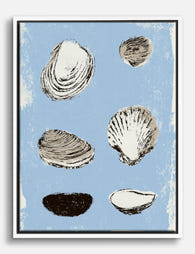
Tela studio di conchiglie marine
Prezzo scontato A partire da €65,95€93,95 -

Tela onde marine calme in blu e beige sabbia
Prezzo scontato A partire da €65,95€93,95 -

Tela conchiglia a spirale stile costiero
Prezzo scontato A partire da €65,95€93,95 -

Poster conchiglia marina beige e azzurro
Prezzo scontato A partire da €16,95€23,95 -

Poster onde serene sulla costa
Prezzo scontato A partire da €16,95€23,95 -

Tela calma marina
Prezzo scontato A partire da €65,95€93,95 -

Tela finestra sul mare con palme
Prezzo scontato A partire da €65,95€93,95 -

Tela onde placide del mare
Prezzo scontato A partire da €65,95€93,95 -

Poster spiaggia colorata
Prezzo scontato A partire da €16,95€23,95 -
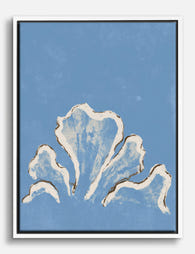
Tela con conchiglie blu su fondo azzurro cielo
Prezzo scontato A partire da €65,95€93,95 -

Tela falesia costiera di Seurat
Prezzo scontato A partire da €65,95€93,95


Di più da The Frame

Roma vs Venezia vs Firenze: come scegliere le s...
Roma, Venezia e Firenze fotografano meravigliosamente, ma sulla parete non si comportano allo stesso modo. Ogni città ha una propria palette, un proprio registro emotivo e un proprio gruppo di...

Abbinare l’arte felina al tuo gatto: mantello, ...
Tra un ritratto su commissione da 300 £ e una stampa qualsiasi di un soriano rosso generico c’è la terra di mezzo perfetta: opere d’arte feline già pronte che somigliano...

Il modo adulto di valorizzare l’arte da parete ...
La dimensione giocosa soffre di un problema d’immagine. La si associa a giostrine da nursery e poster da dormitorio, quando in realtà alcuni degli interni più interessanti per adulti si...