
 Ordina oggi, consegna il
 How to Style William Morris Peacock Prints Without Your Room Looking Like a Museum
Ornate pattern, modern room, zero stuffiness. Here's how to make Morris peacock prints earn their place on your wall.


You love the pattern. You're just worried it'll make your flat look like a National Trust gift shop. Good news: peacock prints behave beautifully in modern rooms when you give them the right surroundings, and most of the "rules" you've heard about Arts and Crafts decor don't apply when you're working with one statement piece rather than wallpapering an entire parlour.
The challenge: ornate pattern in a modern room
Morris peacock designs were built for Victorian houses with picture rails, dado lines and layered textiles. Drop one into a flat with a grey sofa and a Kallax and there's a real risk it reads as "Granny's box room" instead of "considered, slightly maximalist living room."
The fix isn't to dilute the print. It's to give it room to breathe and surround it with quieter shapes. Ornate pattern works in modern interiors when everything around it is calm. The peacock is the soloist. The rest of the room is the orchestra, playing very softly.
You also need to decide what role the print is playing. Is it the focal point above your sofa, the conversation piece in your hallway, or one note in a curated wall? Most people get into trouble by treating it like background decor. It isn't. A william morris peacock wall art print is a hero piece, and your job is to set it up to win.

Wall colours that make peacock prints sing (and ones that fight them)
The wall colour matters more than almost anything else. Morris peacock designs typically pull from a palette of teal, indigo, deep gold, sage, and rust. Your wall needs to either echo one of these tones quietly, or sit far enough away that it acts as a clean stage.
Walls that work brilliantly:
- Off-whites with warmth. Think Farrow & Ball Cornforth White, Slipper Satin, or Wimborne White. These have enough depth to stop the print floating and enough light to keep the room modern.
- Deep, moody backgrounds. Hague Blue, Inchyra Blue, or a charcoal like Down Pipe make peacock prints feel jewel-like and intentional. This is the gallery move, and it works beautifully if you commit to it.
- Sage and soft greens. Mizzle, Pigeon, or Card Room Green echo the botanical undertones in Morris's work without competing.
Walls that fight peacock prints:
- Builder's beige and magnolia. They flatten the print's colour and make the whole thing look dated. If you've inherited beige walls and can't repaint, frame the print in something dark to create its own boundary.
- Cool greys with blue undertones. They clash with the warm golds and rusts in most Morris peacocks.
- Bright, saturated accent walls. A teal feature wall behind a teal-heavy print is just noise.
If you're not ready to repaint, test the print's relationship with your wall before you commit. Tape up a sheet of A1 paper roughly the size of your intended print and live with it for a week. You'll know within days whether the wall colour is working.
Size and placement: why 70x100cm works in most living rooms
The single most common mistake with decorative peacock prints is hanging them too small. Ornate pattern needs scale. A 30x40cm print above a three-seater sofa looks like a postage stamp and makes the whole wall feel apologetic.
The professional rule of thumb is that art above furniture should be roughly two-thirds the width of the piece below it. For a standard 200-220cm sofa, that puts you at around 140cm of art. You can hit that with one large print at 70x100cm hung in portrait orientation, or two prints side by side.
70x100cm is the sweet spot for most UK living rooms because:
- It's large enough to hold a busy pattern without it reading as cluttered.
- It fits above standard-sized sofas, sideboards, and beds without overwhelming.
- The detail in Morris's linework, which is genuinely intricate, has space to be appreciated up close.
Hang the centre of the print at roughly 145-150cm from the floor (gallery height). If it's going above a sofa, leave 15-25cm between the top of the sofa back and the bottom of the frame. Any tighter and the art looks like it's resting on the cushions.
For smaller rooms or narrower walls, drop to 50x70cm rather than going lower. Below that size, the pattern density starts to fight itself.
Framed vs canvas: which finish suits which room style
This is the question nobody answers properly, and it makes a real difference to how the print reads.
Choose framed when:
- The room leans modern, minimal, or polished. A clean black or natural oak frame with UV-protective acrylic glaze gives an arts and crafts peacock print the gallery treatment, which signals "considered choice" rather than "inherited."
- You want crispness. Matte paper behind glaze holds Morris's fine linework with absolute precision, and there's no glare to flatten the colours.
- The print is going in a formal space: dining room, hallway, study.
A framed print is heavier, but it arrives ready to hang with fixtures attached, properly fitted, with no warping or air bubbles between print and mount. That fit is what separates a gallery-quality result from something that looks like a flatpack.
Choose canvas when:
- The room is relaxed, textural, or layered. Canvas softens an ornate pattern and makes it feel less precious.
- You're hanging in a humid room (kitchen extension, bathroom-adjacent hallway), where canvas handles moisture better than framed paper.
- You want a lighter, less formal look. Canvas with mirrored edge wrapping has presence without the weight of glass and frame.
Canvas tends to read warmer and more contemporary. Framed reads sharper and more traditional, which is actually useful for a vintage peacock art print because it leans into the heritage rather than apologising for it.

Pairing peacock prints with mid-century and Scandi furniture
Morris and mid-century is, counterintuitively, one of the most flattering combinations in interior design. Here's why: mid-century furniture is defined by clean lines, tapered legs, and warm wood tones (walnut, teak, oak). Those clean shapes give your eye somewhere to rest, while the warm wood echoes the golds and ambers that run through most peacock designs.
What works with mid-century:
- Walnut sideboards under the print. The grain picks up the rust and umber tones in Morris's palette.
- A single sculptural armchair (think a leather lounge chair or a bouclé tub chair) angled towards the wall.
- Brass or aged-bronze lighting. Avoid chrome and brushed nickel, which feel cold next to ornate pattern.
What works with Scandi:
- Pale oak furniture and white walls let the print be the only ornate thing in the room. This is the cleanest, most modern way to style Morris.
- Linen, wool, and sheepskin textiles in cream, oatmeal, and soft grey. Keep textiles plain. Patterned cushions plus a Morris print equals visual chaos.
- One or two trailing plants. Botanical references on the wall benefit from real botanicals nearby, and a botanical art prints collection mood pairs especially well if you decide to extend the theme.
The principle in both cases is the same: contrast complexity with simplicity. The furniture stays quiet. The print does the talking.
What to avoid: common styling mistakes with busy pattern prints
Most peacock print regrets come from a handful of repeatable mistakes. Skip these and you're 90% of the way there.
1. Pairing it with other busy patterns. Floral cushions, a Persian rug, patterned curtains and a Morris peacock on the wall is a recipe for visual exhaustion. Pick one patterned hero per sightline.
2. Hanging it too low. Art that hovers just above the sofa back, or sits at eye level for a seated person, looks awkward. Centre at 145-150cm, every time.
3. Cheap frames. A beautiful giclée print in a thin, hollow frame undoes itself. The frame should feel as substantial as the print deserves. Solid wood, properly mitred corners, clean glazing.
4. Tiny prints on big walls. A 40x50cm peacock above a three-seater is sad. Go bigger or pair two together.
5. Overhead lighting only. Ornate patterns can read muddy under a single ceiling pendant. Add a table lamp or floor lamp nearby so light hits the print at an angle and lifts the detail.
6. Trying to make it match. You don't need a teal cushion to "tie in" with the peacock. Echoing colours from the print into your textiles in a literal way is the fastest route to a themed-room look. Pull one tone, subtly, and stop there.
7. Hanging in a dark corridor with no natural light. These prints reward light. If the only space you have is dim, choose a smaller, simpler Morris design instead and save the peacock for a brighter room.

Three room setups that actually work
Here are three specific formulas you can copy directly.
Setup 1: The calm modern living room
- Wall: Cornforth White or similar warm off-white.
- Print: A 70x100cm framed Morris peacock in portrait, natural oak frame.
- Furniture: Pale grey or oatmeal linen sofa, walnut coffee table, oak side table.
- Textiles: Cream bouclé cushion, one rust-coloured throw, plain wool rug.
- Lighting: A single warm-toned floor lamp positioned to the side of the print.
This is the safest, most universally flattering setup. The off-white wall and pale furniture let the print do all the colour work, and the warm wood pulls out its golds.
Setup 2: The moody dining room
- Wall: Hague Blue or Down Pipe.
- Print: A 70x100cm framed peacock in a black or deep walnut frame, hung above a sideboard or directly on a feature wall.
- Furniture: Dark wood dining table, mismatched chairs in cane or leather.
- Textiles: Linen napkins in oatmeal, brass candlesticks.
- Lighting: Pendant over the table, plus a small picture light or wall sconce near the print.
This is the gallery move. Dark walls make Morris's colours look like stained glass, and the room reads as confident rather than cautious.
Setup 3: The Scandi bedroom
- Wall: White or palest sage.
- Print: A canvas peacock at 60x80cm or 70x100cm, hung unframed above the bed.
- Furniture: Pale oak bed, simple bedside tables, no headboard fuss.
- Textiles: White linen bedding, one sage or rust cushion, wool throw.
- Lighting: Two matching bedside lamps in ceramic or rattan.
Canvas softens the print and keeps the bedroom feeling restful. If you want to extend the palette, green art prints work beautifully on adjacent walls without competing.

A note on living with the print over time
Peacock prints reward seasonal styling. In summer, lighten the textiles around them: white linen, pale wood, a glass vase of greenery. In autumn and winter, bring in deeper jewel tones, velvet cushions, and warmer lighting. The print stays the same. The room around it shifts, and the peacock looks different every season.
If you want to build a wider Morris-led palette over time, the rest of the william morris art prints catalogue gives you the option to add quieter botanical pieces in adjacent rooms without doubling up on peacocks. One peacock per home is plenty. Treat it as the hero, give it the right wall and the right scale, and it will earn its place for years.
The shortest version of all this advice: pick one wall, go bigger than feels comfortable, keep the rest of the room quiet, and trust the print to do its job.

Prodotti Fab presentati in questo blog
-

Poster pavone di William Morris
Translation missing: it.products.product.sale_price A partire da €16,95€23,95 -

Poster pavone di William Morris
Translation missing: it.products.product.sale_price A partire da €16,95€23,95 -
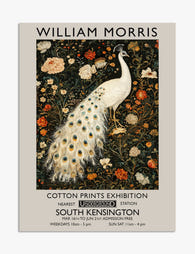
Poster pavone elegante ispirato a William Morris
Translation missing: it.products.product.sale_price A partire da €16,95€23,95 -

Poster pavoni eleganti di William Morris
Translation missing: it.products.product.sale_price A partire da €16,95€23,95 -

Poster pavone bianco di William Morris
Translation missing: it.products.product.sale_price A partire da €16,95€23,95 -

Poster eleganza dei pavoni ispirato a William Morris
Translation missing: it.products.product.sale_price A partire da €16,95€23,95 -

Poster pavone elegante ispirato a William Morris
Translation missing: it.products.product.sale_price A partire da €16,95€23,95 -

Tela pavoni di William Morris
Translation missing: it.products.product.sale_price A partire da €64,95€92,95 -

Poster pavone elegante di William Morris
Translation missing: it.products.product.sale_price A partire da €16,95€23,95 -
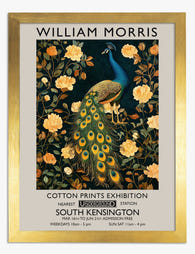
Poster pavone floreale ispirato a William Morris
Translation missing: it.products.product.sale_price A partire da €16,95€23,95 -
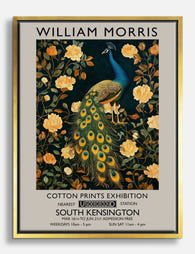
Tela pavone elegante di William Morris
Translation missing: it.products.product.sale_price A partire da €64,95€92,95 -

Poster pavone elegante in stile William Morris
Translation missing: it.products.product.sale_price A partire da €16,95€23,95 -

Tela con pavone di William Morris
Translation missing: it.products.product.sale_price A partire da €64,95€92,95 -

Tela pavone bianco su sfondo floreale ispirata a William Morris
Translation missing: it.products.product.sale_price A partire da €64,95€92,95 -

Poster pavone bianco ispirato a William Morris
Translation missing: it.products.product.sale_price A partire da €16,95€23,95 -

Poster pavone elegante ispirato a William Morris
Translation missing: it.products.product.sale_price A partire da €16,95€23,95 -

Tela motivo pavone di William Morris
Translation missing: it.products.product.sale_price A partire da €64,95€92,95 -

Tela coppia di pavoni di William Morris
Translation missing: it.products.product.sale_price A partire da €64,95€92,95 -
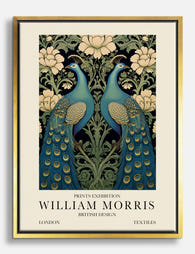
Tela blu pavone ispirata a William Morris
Translation missing: it.products.product.sale_price A partire da €64,95€92,95 -

Poster pavoni eleganti di William Morris
Translation missing: it.products.product.sale_price A partire da €16,95€23,95


Di più da The Frame

Why William Morris Prints Look Brilliant in Mod...
William Morris has been quietly miscategorised for decades. His patterns get filed under "country cottage" or "Arts and Crafts revival" and rarely escape, which is a shame because his tree...

Why Arts and Crafts Nature Prints Are the Antid...
The minimalism hangover: why bare walls stopped feeling calming For about a decade, the aspirational interior was a white box with one boucle chair in it. That look has officially...

Botanical Petal Art: Why Close-Up Prints Feel M...
Full florals have had a long run, and they're not going anywhere. But if you've noticed that the botanical art appearing in design magazines, boutique hotel lobbies, and the better-styled...