
 Ordina oggi, consegna il
 Cosa regalare alla mamma che ha già tutto: perché l’arte da parete è la risposta
The case for wall art as the rare gift that fills a real gap in her home, not a drawer.


È in gamba. Ecco il problema. Compra ciò che le serve nell’istante in cui le serve; così quando arriva il suo compleanno, le credenze sono rifornite, i gadget in cucina sono sistemati e il cassetto delle candele, francamente, sta sfuggendo di mano. Allora tu compri nel panico qualcosa che sembra quasi premuroso e si aggiunge alla pila.
C’è una categoria a cui quasi sicuramente non ha pensato per sé: le pareti. Ed è qui che diventa interessante.
Il problema di fare un regalo alla mamma che ha già tutto
Il motivo per cui tua mamma "ha tutto" non è che è difficile da accontentare. È che è efficiente. Le cose di cui ha bisogno, le prende. Le cose che amerebbe davvero ma può rimandare, le rimanda all’infinito. Hobby, vizi, tutto ciò che richiede di sedersi con una tazza di tè e scegliere per sé.
La maggior parte dei regali prova a competere nella categoria "necessità" e perde. Ha già un bollitore migliore di quello che stai per comprarle. Ha tre plaid. Le pantofole sono a posto. Qualsiasi cosa che viva in una credenza, in un cassetto o in un armadio sta lottando per un ripiano contro oggetti che lei ha già selezionato personalmente.
Il trucco è smettere del tutto di fare shopping nel corridoio dei bisogni. Guarda ai desideri che continua a rimandare e quasi sempre troverai una parete vuota.
Perché l’arte da parete riesce dove gli altri regali falliscono
L’arte da parete è quella rara categoria di regalo che non occupa spazio di stoccaggio, non richiede manutenzione, non scade, non passa di moda se la scegli bene e migliora attivamente il suo ambiente ogni singolo giorno in cui le passa davanti. Non è poco.
È anche un regalo che verosimilmente non comprerebbe mai per sé. Scegliere arte sembra indulgente e un po’ intimidatorio. Non c’è urgenza. Quella parete è vuota da quattro anni e il mondo non è finito. Quindi resta vuota. Una stampa ben scelta rompe questo loop per lei.
Fai due conti. Un elettrodomestico da cucina da £200 si usa due volte al mese e vive in un mobile. Una stampa incorniciata da £110 appesa sopra il divano si vede ogni sera per i prossimi dieci anni. Il costo per occhiata è ridicolmente a favore dell’arte.

L’altra cosa che l’arte da parete fa, in silenzio: le dice che hai fatto attenzione. Hai notato la sua palette di colori, il vuoto sopra la consolle, il fatto che parla di passeggiate sulla costa dal 2019. È la parte che racconterà alle amiche.
Come capire i suoi gusti senza chiedere (e rovinare la sorpresa)
Chiedere è la cosa peggiore che puoi fare. Il punto è la sorpresa, e "che arte ti piacerebbe" è una conversazione che defletterà comunque perché, come detto, non è abituata a scegliere per sé. Devi fare il detective.
Analizza le stanze che ha già
Passa per casa sua con occhi nuovi. Quali colori compaiono davvero sulle pareti, sui cuscini, sulle tende? Cerca le note che si ripetono. Se in soggiorno tutto sta su una palette di salvia, avena e legno caldo, una stampa piena di cobalto e giallo acido sembrerà atterrata da un’altra casa.
Nota anche l’arte che c’è già. Se è attratta dalle stampe botaniche, è attratta dalle stampe botaniche. Se ha un poster da piscina alla Hockney del 2003 nel bagno di servizio, non è il suo gusto: è un cimelio. Guarda cosa ha scelto negli ultimi cinque anni.
Leggi la sua scia digitale
Le sue bacheche Pinterest, se le ha, sono una confessione aperta. I salvataggi su Instagram sono ancora meglio. Le riviste di arredamento sul tavolino ti dicono quale estetica aspira ad avere, spesso leggermente diversa da ciò che possiede adesso, ed è esattamente il vuoto che un regalo può colmare.
Osserva dove si sofferma
Nei negozi, in vacanza, a casa d’altri. La cosa a cui torna a guardare, la cartolina che ha comprato in una galleria, la foto che ha scattato all’ingresso di qualcun altro. Sono indizi. Prendili sul serio.
Individua il grande filone
Non devi azzeccare al millimetro il suo gusto, ti basta restare nella corsia giusta. La maggior parte delle mamme ricade liberamente in uno di pochi filoni: botanico e naturale, astratto e contemporaneo, classico e figurativo, fotografico e atmosferico, oppure grafico e deciso. Scegli il filone in cui è già e difficilmente sbaglierai.
Abbina la stampa alla sua stanza preferita
Stanze diverse chiedono cose diverse dall’arte. Un pezzo che canta sopra il letto cadrà piatto in corridoio e viceversa. Parti da dove passa davvero il tempo, non da dove c’è più parete libera.
Soggiorno: degna di conversazione
Il soggiorno è la stanza pubblica, quella che vedono gli ospiti, quella in cui si siede ogni sera. Qui l’arte deve reggere lo sguardo da lontano e premiare da vicino. Vai più grande di quanto ti sembri comodo. Una stampa incorniciata 70x100 cm sopra un divano tre posti standard risulterà giusta. Una 40x50 cm sembrerà chiedere scusa.
Questa è la stanza per qualcosa con un po’ di presenza. Un paesaggio forte, un astratto sicuro, una botanica con profondità. Le nostre stampe incorniciate funzionano particolarmente bene qui perché la cornice finisce davvero la parete, e la lastra acrilica protettiva UV fa sì che i colori restino fedeli anche se il divano prende il sole del pomeriggio.

Camera da letto: calmante e personale
L’arte in camera dovrebbe abbassarle il battito, non alzarlo. Non è il posto per il mare in tempesta drammatico o per il grafico urlato. Palette morbide, forme astratte, fiori gentili, fotografia atmosferica. Pensala come l’equivalente visivo di un lungo sospiro.
Le coppie funzionano benissimo sopra il letto. Due stampe 50x70 cm, appese con uno spazio di una mano tra loro, riempiono lo spazio sopra un matrimoniale o un king senza dominarlo. Se dorme con le tende aperte, scegli qualcosa che stia bene anche con poca luce. I pezzi della nostra collezione di stampe floreali sono affidabili qui, soprattutto quelli in rosa polveroso, salvia o ocra tenue.
Corridoio e ingresso: più audaci, più sperimentali
I corridoi sono le stanze che nessuno sovrapensa, il che li rende perfetti per osare. Nei corridoi si passa. Non ci si siede a studiarli. Quindi l’arte può essere più rumorosa, più grafica, più "ma è proprio lei?" di qualsiasi cosa metterebbe in soggiorno.
È anche la stanza in cui una stampa piccola si guadagna il posto. Una 30x40 cm incorniciata su una parete stretta d’ingresso sembra intenzionale e chic. Una gallery wall di tre o quattro pezzi più piccoli lungo un corridoio più lungo trasforma uno spazio morto in un momento. Se ti mette ansia il suo gusto, il corridoio è lo spazio sperimentale più sicuro.
Cucina e sala da pranzo: calde e in tema, ma senza essere letterali
Evita il letterale. Una stampa di una baguette non è la risposta. Cerca toni caldi, scene di mercato, nature morte con un tocco contemporaneo o botaniche che strizzino l’occhio alla stanza senza dirlo a chiare lettere. Le cucine sono ambienti umidi: vale la pena ricordarlo. La tela gestisce l’umidità meglio della carta, una considerazione piccola ma reale se la sua cucina fa vapore.
La fascia di prezzo ideale per regalare arte
Troppo poco e sembra un riempitivo. Troppo e diventa imbarazzante. La fascia giusta per un regalo che arriva come "pensato e importante" senza sconfinare in "scomodo da ricevere" è indicativamente tra £80 e £180.
Ecco i conti grossolani. Una stampa d’arte non incorniciata in A2 o 50x70 cm sta tra £30 e £60. La versione incorniciata della stessa stampa di solito si colloca tra £100 e £160 a seconda della misura. Un pezzo più grande e d’impatto, 70x100 cm incorniciato, sale verso £180–£220.
Per confronto: è meno della maggior parte dei piccoli elettrodomestici "premium", meno di una borsa di buona qualità, meno di un weekend in hotel. E a differenza di tutti e tre, cresce nel suo affetto nel tempo invece di deprezzarsi.
Se stai comprando per una suocera o per qualcuno con cui il rapporto chiede un tocco più misurato, una stampa non incorniciata presentata bene (vedi sotto) intorno alle £50 risulta comunque curata, soprattutto se è chiaro che l’hai scelta proprio per lei.
Perché una buona cornice trasforma una stampa in un vero regalo
Qui è dove sbagliano in molti. Una stampa arrotolata in un tubo, per quanto bella, arriva come compito a casa. Ora deve trovare un corniciaio, portarci la stampa, scegliere il profilo, pagare altri £80–£150 e appenderla. Le hai consegnato un progetto, non un regalo.
Una stampa incorniciata a regola d’arte, montata, protetta e pronta da appendere, è un oggetto finito. La scarta, la alza al muro e quel pomeriggio è già appesa. Questo è il regalo.

Anche l’incorniciatura deve essere buona, ed è proprio qui che molti regali d’arte inciampano. Cornici imbarcate, stampe che ballano dietro al vetro, profili in MDF che si scheggiano solo a guardarli. Noi incorniciamo tutto in legno massello certificato FSC, montiamo la stampa in modo che non possa muoversi e spediamo tutto in un’unica scatola già assemblata. La lastra acrilica (più leggera del vetro, niente riflessi, protettiva UV) elimina l’ansia del vetro che si rompe in viaggio e mantiene i colori fedeli per decenni.
L’effetto pratico: apre la scatola, dentro c’è un regalo finito, e l’unica decisione che deve prendere è su quale parete metterlo.
Festa della mamma, compleanni e perché-sì
L’occasione cambia leggermente il brief. Vale la pena saperlo.
Festa della mamma: punta al sentimentale, ma non al letterale
La Festa della mamma premia un piccolo filo emotivo. Qualcosa che faccia cenno a un ricordo condiviso, a un posto in cui siete stati insieme, ai fiori che ha sempre sul tavolo della cucina. Non stai cercando una stampa che dica "MAMMA" a grandi lettere. Stai cercando qualcosa che, quando lo vede, le ricordi silenziosamente te.
Le floreali sono un punto fermo facile e davvero delizioso, soprattutto se nello spirito dei fiori che coltiva o compra davvero. Stampe botaniche, acquerelli morbidi, composizioni di peonie o fiori di campo. Dai un’occhiata alla nostra collezione regali per la mamma se vuoi un punto di partenza più mirato.
Nota pratica: le stampe incorniciate sono realizzate su ordinazione, quindi per la Festa della mamma concediti tre o quattro settimane. Ordinare la settimana prima è una ricetta per lo stress.
Compleanno: i suoi gusti hanno la priorità
I compleanni riguardano lei, non il tuo rapporto con lei. Spingiti più a fondo nei suoi gusti reali, anche se non sono i tuoi. Se ama la fotografia atmosferica e un po’ cupa e tu la trovi deprimente, compra la fotografia cupa e atmosferica. Il regalo non è per te.
Il compleanno ti dà anche il permesso di andare più in grande, sia letteralmente sia stilisticamente. Un pezzo statement per il soggiorno, un vero centrotavola. Quest’anno si gioca sul serio.
Perché-sì: via libera a sperimentare
Il regalo non richiesto è, paradossalmente, il più facile da azzeccare, perché le aspettative sono zero. Puoi prenderti un piccolo rischio. Qualcosa di un po’ più audace, più "l’ho visto e ho pensato a te". Sfoglia la nostra collezione novità per pezzi dal sapore più fresco. Le poste più basse ti permettono di scegliere qualcosa che suoni personale invece che prudente.

Presentazione, piani di riserva e la questione dello scontrino
Qualche dettaglio pratico per farla atterrare al meglio.
Se la stampa è grande, non provare a impacchettarla come un regalo normale. Appoggiala a una parete con un nastro e un biglietto. Oppure avvolgila morbida in tessuto o carta kraft con un solo legaccio. Il reveal deve essere rapido, non una lotta di quindici minuti con la carta.
Resisti alla tentazione di appenderla di nascosto come sorpresa, a meno che tu non sia molto sicuro sia della parete sia dei suoi gusti. La maggior parte delle mamme vuole scegliere dove vivrà. Lasciarle decidere fa parte del regalo.
Includi lo scontrino regalo. Anche se sei sicurissimo. Comunica sicurezza, non dubbio, e le dà un’uscita elegante se i suoi gusti sono cambiati in una direzione che non hai colto. La nostra finestra di reso di 99 giorni dà un vero respiro qui, e conta più di quanto si pensi per un regalo comprato settimane prima dell’occasione.
E se l’hai proprio sbagliata? L’arte è una delle categorie più facili da cambiare. Non è personalizzata, non è incisa, non è monogrammata. L’uscita di sicurezza esiste.
La cosa da ricordare
La mamma che ha tutto ha tutto perché è brava a mettere in ordine la propria vita. Il vuoto in casa sua non è una cosa che le manca. È una cosa che sta rimandando. L’arte da parete è quasi sempre su quella lista in sospeso, e mettere qualcosa di ben scelto e ben incorniciato sulla sua parete è un modo per prendere una decisione che sta evitando in silenzio da anni.
Fai il detective, scegli la stanza giusta, incorniciala bene, includi lo scontrino. Tutto qui.

Prodotti Fab presentati in questo blog
-

Poster ritratto femminile con abito a righe verdi e fiore
Prezzo scontato A partire da £11.95£19.95 -

Poster insegna, sogna, ispira – citazione di Madre Teresa
Prezzo scontato A partire da £11.95£19.95 -

Poster legami significativi
Prezzo scontato A partire da £11.95£19.95 -

Poster ritratto sognante del mattino
Prezzo scontato A partire da £11.95£19.95 -

Tela citazione di Madre Teresa in bianco e nero
Prezzo scontato A partire da £49.95£74.95 -

Tela musa pensierosa del pomeriggio
Prezzo scontato A partire da £49.95£74.95 -
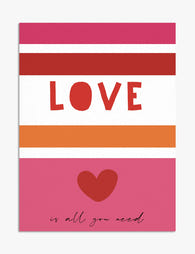
Poster 'All You Need Is Love' rosa e rosso
Prezzo scontato A partire da £11.95£19.95 -

Poster ritratto di musa moderna
Prezzo scontato A partire da £11.95£19.95 -

Tela scritta 'Music Is the Answer' bianco e nero
Prezzo scontato A partire da £49.95£74.95 -

Tela abbraccio mamma orsa e cucciolo con sfondo floreale di Morris
Prezzo scontato A partire da £49.95£74.95 -
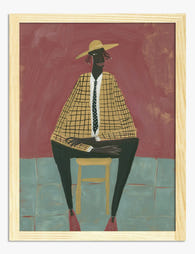
Poster ritratto di musa moderna
Prezzo scontato A partire da £11.95£19.95 -

Poster citazione momenti preziosi verde salvia
Prezzo scontato A partire da £11.95£19.95 -

Tela musa in fiore con cappotto floreale
Prezzo scontato A partire da £49.95£74.95 -

Poster musa delicata con crisantemo
Prezzo scontato A partire da £11.95£19.95 -

Tela non sono le cose, sono le persone
Prezzo scontato A partire da £49.95£74.95 -

Poster ritratto di musa moderna in rosa e bianco
Prezzo scontato A partire da £11.95£19.95 -

Tela tutto ciò di cui hai bisogno è amore
Prezzo scontato A partire da £49.95£74.95 -

Poster musa di campagna
Prezzo scontato A partire da £11.95£19.95 -

Poster qui gli abbracci sono benvenuti
Prezzo scontato A partire da £11.95£19.95 -

Tela musa minimalista ed elegante
Prezzo scontato A partire da £49.95£74.95


Di più da The Frame

Guida completa per creare una gallery wall feli...
Una gallery wall felina vive o muore per la sua meccanica, non per il soggetto. L’uniformità delle cornici, la spaziatura precisa e un pezzo-ancora ben ponderato faranno più per la...

I nostri set preferiti per pareti galleria con ...
Sei è il punto di equilibrio per una parete galleria a tema uccelli. Abbastanza cornici da sembrare curata e importante, ma abbastanza poche da poter appendere tutto in un pomeriggio...

Incorniciare le stampe di William Morris: legno...
Morris progettava motivi per intere stanze, non per cartoline. Questo conta quando incornici le sue opere, perché la cornice sbagliata può trasformare un capolavoro del design botanico vittoriano in rumore...