
 Bestel vandaag, levering vóór
 Decoreren met huisprints: ideeën die in elke kamer werken
How to decorate with the prints you actually love without turning your lounge into a property brochure.


Je kocht een prachtige print van een Georgisch herenhuis, of misschien een rij pastelkleurige Lissabon-gevels, omdat je oprecht van architectuur houdt. Zes maanden later heb je er twee aan toegevoegd, en nu lijkt je gang verdacht veel op de etalage van een makelaarskantoor. De oplossing is niet: minder huisprints. Het is: slimmere keuzes, beter geordend, gemixt met andere dingen.
Waarom huisprints werken (en waarom soms niet)
Huisprints hebben een directe emotionele aantrekkingskracht. Ze roepen vakanties op, ouderlijke huizen, de dagdroom om ooit een scheef, knus huisje in Cornwall te bezitten. Architectonische onderwerpen doen ook iets wat de meeste kunst niet doet: ze geven het oog houvast. Ramen, daklijnen, deurpartijen, al die geometrie maakt een print op de muur aards en doordacht aanvoelen.
Maar ze kunnen ook heel letterlijk aanvoelen. Een huis is een huis. Hang er drie op een rij en je brein stopt met kunst kijken en begint een woningadvertentie te lezen. Deze categorie kantelt sneller richting thema dan landschappen of botanische werken, omdat het onderwerp zo specifiek en zo huiselijk is.
Daar zit de spanning die deze gids oplost. Je hoeft de prints die je mooi vindt niet op te geven. Je moet ze alleen niet als een verzameling behandelen en ze gaan zien als onderdeel van een bredere visuele conversatie.

Kies de juiste uitwerkingsstijl voor het karakter van je kamer
Niet alle huisprints lezen hetzelfde. De weergavestijl is veel belangrijker dan het onderwerp zelf, en precies daar gaat het bij de meesten mis.
Lijntekeningen en inktillustraties
Strak zwart-wit lijnwerk voelt eigentijds, bijna grafisch. Past bij moderne interieurs, thuiskantoren en ruimtes met veel witte muren. Ze gaan prachtig naast typografieprints of minimalistische abstracten. Een in lijnen getekend Parijs appartementsblok kan net zo cool aanvoelen als elk abstract werk, mits je het goed inlijst.
Aquarel en gouache
Zachtere, schilderachtige huisprints neigen naar knus en persoonlijk. Ze werken in slaapkamers, zit- of tv-hoeken en leesplekken waar je warmte wilt in plaats van een statement. Combineer ze met vintage botanicals of gedempte landschappen en ze gaan zingen.
Fotografie
Architectuurfotografie is de lastigste stijl om te gebruiken zonder in makelaarssferen te belanden. Het werkt het best wanneer het beeld ongewoon is: een strakke uitsnede van een gekleurde deur, een enkel raam met wasgoed dat uithangt, een luchtbeeld van pastelkleurige daken. Brede, recht van voren geschoten gevels van complete huizen zijn de gevarenzone.
Abstract en gestileerd
Kubistisch aandoende, vlakkleurige of geometrische interpretaties van gebouwen zijn onze favoriet voor grotere formaten. Ze geven je het onderwerp dat je liefhebt zonder de letterlijkheid. Een abstract stadsgezicht van 70 x 100 cm leest eerst als kunst, architectuur pas als tweede.
Browse architectonische kunstprints met een kritische blik op de weergavestijl, niet alleen het onderwerp. Dezelfde Toscaanse villa in aquarel versus fotografie landt totaal anders op je muur.
De gouden regel: mix huisprints met andere onderwerpen
Hier is de formule waar we steeds op terugkomen: in elke wandopstelling of in één enkele kamer mag hooguit de helft van de prints huizen zijn. Liever minder.
Een werkbare verhouding voor een galerijwand met drie prints is één huisprint en twee niet-huisprints. Voor een compositie met vijf prints: maximaal twee huisprints. De niet-huisprints doorbreken het visuele patroon, voorkomen dat je oog huizen gaat catalogiseren, en laten de huisprint juist bewonderd worden.
Waarmee je ze mengt:
- Botanische werken. Bladeren, geperste bloemen en herbariumstudies zijn het natuurlijke tegengewicht voor architectonische lijnen. De organische vormen verzachten de geometrie. Een pothos-studie naast een gevel van een herenhuis is een perfecte combinatie.
- Abstracte vormen of kleurvlakken. Een gedempte abstract in tinten die uit je huisprint zijn gehaald bindt de opstelling tot één geheel zonder het onderwerp te herhalen.
- Landschapsprints. Brede horizonten en open landschap geven het oog rust. Ze spelen ook conceptueel met het idee van het huis: beschutte structuur tegenover open natuur.
- Stillevens of objectstudies. Een enkele vaas, een schaal citroenen, een stapel boeken. Rustig, huiselijk en een briljante tonale partner.
Wat je beter niet met huisprints mixt: nóg meer huisprints in een andere stijl. Twee aquarel-cottages en een in lijnen getekende Brooklyn brownstone samen oogt als besluiteloosheid. Kies binnen elke opstelling één richting.
Botanische prints en landschapsprints zijn de twee collecties waarnaar we mensen sturen als ze ons berichten met de vraag wat ze bij hun huisprints moeten hangen. Ze falen nooit.
Indelingen voor een opstelling met twee of drie prints (met afmetingen)
Vage raad om ‘formaten te mixen’ is niet behulpzaam. Hier zijn indelingen die echt werken, met concrete maten die je kunt bestellen.
De blikvanger plus twee
Eén grotere huisprint geflankeerd door twee kleinere, aanvullende onderwerpen. Dit is de meest vergevingsgezinde indeling die er is.
- Centraal: huisprint van 50 x 70 cm (iets gestileerds of aquarel werkt op dit formaat het best)
- Links en rechts: botanische studies van 30 x 40 cm, opgehangen op dezelfde hoogte als de middellijn van de middelste print
- Tussenruimte: 5-7 cm tussen elk frame
De flankerende prints moeten rustiger zijn dan het middenstuk. Is je huisprint kleurrijk, ga dan aan de zijkanten voor monochroom. Is hij zwart-wit, dan kun je aan weerszijden gedempte kleur introduceren.
Het asymmetrische trio
Drie prints in verschillende formaten, off-centre gerangschikt. Beter voor smallere muren en meer eigentijdse ruimtes.
- Grootste: 60 x 80 cm abstract of landschap, iets links van het midden gehangen
- Middelgroot: 40 x 50 cm huisprint, rechts op grotere hoogte gehangen
- Kleinste: 30 x 40 cm botanisch of stilleven, rechtsonder onder de middelste gehangen
De huisprint zit in het midden van de visuele hiërarchie, niet aan de top. Dat is bewust. Zo voorkom je dat de kamer leest als ‘huisplaat, plus wat ander spul’.
Het paar
Twee prints, naast elkaar, hetzelfde formaat. Simpel en ingetogen zelfverzekerd.
- Twee prints van 50 x 70 cm, één huis en één niet, met 8 cm ertussen
- Hang het midden tussen de twee lijsten op ongeveer 145 cm van de vloer (lager dan je instinct zegt, maar op ooghoogte voor de meeste kijkers)
Werkt boven een dressoir, een consoletafel of een lage bank in de hal.

Boven de bank
De meest gestelde vraag die we krijgen: welk formaat kunst boven een bank? De gezamenlijke breedte van je kunst moet ongeveer twee derde van de bankbreedte zijn. Voor een driezits van 200 cm wil je rond de 130–140 cm totale kunstbreedte. Dat is één huisprint van 100 x 70 cm in liggende oriëntatie, of een trio van 40 x 50 cm met tussenruimte.
Hang de onderrand 15–20 cm boven de rug van de bank. Dichterbij en hij zweeft; verder weg en hij verbreekt de connectie.
Kleurpaletten die huisprints naar een hoger niveau tillen
Kleur is waar huisprints óf doorstijgen naar echte kunst óf verzinken in kitsch. Een paar regels waar we bij zweren.
Blijf tonaal binnen de opstelling
Heeft je huisprint saliegroene luiken en terracotta dakpannen, trek die exacte tonen dan door in de prints eromheen. Een botanische met saliekleurig blad, een abstract met terracottablokken. De opstelling leest als één compositie in plaats van drie losse beslissingen.
Demp de omgeving
Huisprints komen het meest verheven over tegen zachte, teruggenomen muurtinten: warm wit, leem, paddenstoel, stoffig pleisterroze, diep salie. Snelwit kan architectuurprints klinisch doen aanvoelen. Bonte accentmuren kunnen ermee vechten. Mik op een wandkleur die de print laat ademen.
Beperk je palet tot drie
Beperk je op één wand tot drie dominante kleuren plus neutralen. Heeft je huisprint marineblauw, oker en crème, dan zijn dat jouw drie. Al het andere op die wand, inclusief lijsten, moet die ondersteunen.
De lijstkleur doet meer dan je denkt
Een smalle zwarte lijst laat een huisprint voelen als een grafisch kunstwerk. Een lijst van naturel eiken laat dezelfde print zachter en meer geleefd overkomen. Een witte lijst kan zelfs een prachtige illustratie doen lijken alsof hij bij de kamer hoorde. Onze voorkeur bij huisprints is meestal een slanke zwarte of warme eiken lijst, afhankelijk van of de kamer meer modern of meer natuurlijk aanvoelt. Vermijd brede witte lijsten voor dit onderwerp.
Ruimtes waar huisprints schitteren: gangen, slaapkamers en thuiskantoren
Sommige ruimtes kunnen meer huisbeelden dragen dan andere. De regel is simpel: hoe minder tijd je in een ruimte doorbrengt, hoe meer thema ze kan hebben.
Gangen
Gangen zijn overgangsruimtes. Je loopt erdoorheen. Je zit er niet een uur naar de muren te kijken. Dat betekent dat ze een thematischere opstelling aankunnen zonder benauwd te worden. Een gang is de ene plek waar we met plezier drie huisprints op een rij hangen, mits ze dezelfde weergavestijl en kleurfamilie delen.
Lange gangen zijn geschikt voor een serie van even grote prints (bijvoorbeeld vier 30 x 40 cm ingelijste lijntekeningen van Europese deurportalen), gelijkmatig gespatieerd. Het voelt doordacht, bijna galerieachtig.
Slaapkamers
Slaapkamers willen zachtheid. Eén grote aquarel-huisprint boven het bed, gecombineerd met een kleine botanische op een zijmuur, is ruim voldoende. Vermijd hier fotografie. De realistische benadering van een fotografisch huis kan in een slaapruimte opdringerig voelen.
Thuiskantoren
Werkruimtes profiteren van de structuur die huisprints brengen. Architectonische lijnen versterken focus en orde. Een paar lijngetekende architectuurprints boven een bureau, of één groot abstract stadsgezicht op de tegenoverliggende muur, geeft de kamer intentie zonder afleiding.
Woonkamers en keukens
Die vragen om de meeste terughoudendheid. Eén huisprint, maximaal, goed verankerd binnen een bredere mix van onderwerpen. De woonkamer is waar gasten zitten en kijken. De keuken is waar je uren doorbrengt. Beide belonen subtiliteit.

Veelgemaakte fouten en hoe je de makelaarslook vermijdt
De makelaarslook is een specifieke beeldtaal: meerdere fotografische huisprints, allemaal ruwweg even groot, netjes in een raster gehangen, allemaal hele huizen frontaal in beeld. Vermijd elk van die elementen en je zit goed.
Fout één: alles is fotografie
Fotografische huisprints zijn de meest letterlijke versie van het onderwerp. Gebruik er hooguit één per kamer en kies liever voor een krappe dan een brede uitsnede. Een close-up van een boogvenster wint het altijd van een complete voorgevel.
Fout twee: gelijke formaten in een raster
Vier huisprints van identieke grootte in een 2x2-raster is de aller snelste manier om een wand op een woningcatalogus te laten lijken. Varieer de formaten, doorbreek het raster, of ga anders voluit voor één lange lijn.
Fout drie: alleen letterlijk, geen abstractie
Als elke huisprint in je huis een herkenbaar, natuurgetrouw gebouw laat zien, wordt het geheel documentair in plaats van decoratief. Mix er minstens één gestileerde of abstracte interpretatie doorheen.
Fout vier: schaal omkeren
Tegenintuïtief maar waar: grotere huisprints mogen abstracter zijn, kleinere mogen gedetailleerder. Een fotografische huisprint van 100 x 70 cm domineert een kamer met zijn letterlijkheid. Een abstract stadsgezicht van 100 x 70 cm claimt dezelfde ruimte als kunst. Bewaar de gedetailleerde, illustratieve huisprints voor 30 x 40 of 40 x 50 cm.
Fout vijf: de vraag naar persoonlijke betekenis negeren
Een print van je eigen ouderlijk huis, of van het vakantiehuisje waar je trouwde, kan meer letterlijkheid dragen omdat er betekenis aan hangt. Een generiek stock-cottage kan dat niet. Wees eerlijk tegen jezelf over welke van de twee jij hebt.
Fout zes: te hoog hangen
De meeste mensen hangen kunst 15–20 cm te hoog. Het midden van je opstelling hoort op circa 145–150 cm vanaf de vloer te zitten; dat voelt laag tot je er een week mee leeft. Daarna voelt het voor altijd goed.

De snelkoppeling voor al het bovenstaande: behandel huisprints als één ingrediënt, niet als het recept. Browse huisprints voor het stuk waar je écht van houdt en bouw de rest van de wand daaromheen om die te temperen. De beste architectonische opstellingen die we bij klanten thuis hebben gezien, hebben één sterke huisprint die het woord doet en al het andere speelt ondersteunende rollen. Dat is het verschil tussen een thuis dat van architectuur houdt en een thuis dat te koop lijkt te staan.

Fab-producten in dit blog
-

Poster zeilboot bij zonsondergang aan zee
Aanbiedingsprijs Vanaf €19,95€33,25 -

Poster pastelroze herenhuis in Londen
Aanbiedingsprijs Vanaf €16,95€23,95 -

Poster welkom in het gekkenhuis – zwart-wit
Aanbiedingsprijs Vanaf €19,95€33,25 -

Poster moderne geometrische vormen in warm geel en diep groen
Aanbiedingsprijs Vanaf €19,95€33,25 -

Poster mi casa su casa welkom in zwart-wit
Aanbiedingsprijs Vanaf €19,95€33,25 -

Poster welkom in het gekkenhuis
Aanbiedingsprijs Vanaf €19,95€33,25 -
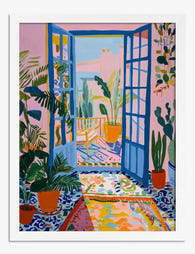
Poster zonnige serre in Matisse-stijl
Aanbiedingsprijs Vanaf €19,95€33,25 -

Poster kleurrijke rijtjeshuizen in Londen
Aanbiedingsprijs Vanaf €19,95€33,25 -

Poster typografie 'House of Fun' – blauw
Aanbiedingsprijs Vanaf €19,95€33,25 -

Canvas modern bauhaus met geometrische architectuur
Aanbiedingsprijs Vanaf €65,95€93,95 -

Poster pastel Parijse huizen
Aanbiedingsprijs Vanaf €19,95€33,25 -
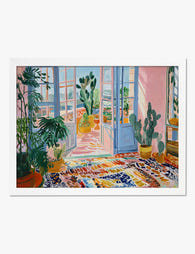
Poster Matisse-geïnspireerde zonnige serre
Aanbiedingsprijs Vanaf €19,95€33,25 -

Poster kleurrijke pop art woonkamer
Aanbiedingsprijs Vanaf €19,95€33,25 -

Poster kleurrijke stadse rijtjeshuizen
Aanbiedingsprijs Vanaf €19,95€33,25 -

Poster modern interieur in zonlicht
Aanbiedingsprijs Vanaf €19,95€33,25 -

Poster blauwe deur met planten en zwarte kat
Aanbiedingsprijs Vanaf €16,95€23,95 -

Poster pastelkleurige rijtjeshuizen
Aanbiedingsprijs Vanaf €19,95€33,25


Meer van The Frame

Onze favoriete vogel-galeriewanden met zes lijsten
Zes is het perfecte aantal voor een galeriewand met vogelprints. Genoeg lijsten om doordacht en substantieel te voelen, maar weinig genoeg om het geheel in één middag op te hangen...

William Morris-prints inlijsten: keuzes voor ho...
Morris ontwierp patronen voor volledige kamers, niet voor ansichtkaarten. Dat is belangrijk bij het inlijsten van zijn werk, want met de verkeerde lijst verandert een meesterwerk van Victoriaans botanisch design...

Bloemenkunst aan de muur: ideeën voor elke kamer
Bloemenkunst heeft een imagoprobleem. Doe je het goed, dan voelt een kamer doordacht, warm en levendig. Doe je het verkeerd, dan kijk je naar het bloemetjesgordijn van je oma, wedergeboren...