
 Glimlach gegarandeerd
 Bestel vandaag, levering vóór
 Wall Art for Renters: How to Decorate Without Drilling (and Keep Your Deposit)
The renter's engineering guide to weight limits, wall prep, and clean removal, so your art stays up and your deposit comes back.


Your tenancy agreement says no holes. Your bare walls say something tragic about your inner life. The good news: you can hang almost anything on almost any wall without a drill, if you understand which method holds what weight, and how to remove it cleanly six months later.
This is the practical guide. Specific products, real weight limits, and the bit nobody tells you about wall prep.
The renter dilemma
Renters lose deposits over two things: holes and adhesive damage. Both are avoidable. The trick is matching the hanging method to the weight of the art, the type of wall, and the climate of the room. Get those three right and you can build a proper gallery wall in a flat you don't own, then take it down in twenty minutes when you move.
A quick note on weight, because everything below depends on it. A 30x40cm unframed canvas print weighs around 400g. The same image as a glass-framed print can weigh 2 to 3kg. That difference decides which method you can use.

Command strips: weight limits, wall prep, and what actually works
Command Picture Hanging Strips are the default for renter-friendly wall art, and they work brilliantly when used properly. They fail spectacularly when they aren't. Here are the actual numbers from 3M:
- Small strips: hold up to 1.4kg per pair (good for A4 and A3 prints)
- Medium strips: hold up to 5.4kg per set of four (good for 50x70cm framed prints)
- Large strips: hold up to 7.2kg per set of four (good for 70x100cm framed prints or canvas)
Note "per set," not per strip. Large frames need multiple sets distributed across the back.
There are three Command products worth knowing:
- Picture Hanging Strips (velcro-style, two halves snap together). Best for flat-backed framed prints.
- Canvas Hangers. Designed specifically for the wood frame of a stretched canvas. Use these for canvas, not the regular strips.
- Poster Strips. Lightweight only. For unframed paper, not framed art.
Wall prep is where everyone fails
Command's instructions are specific and most people ignore them. Read them.
Clean the wall with isopropyl alcohol, not a household spray. Multi-surface cleaners leave a silicone or wax residue that destroys adhesion. Wipe, let it fully dry, then press the strip on for 30 seconds. Hang the art, take it back off, and let the strip cure on the wall for one hour before reattaching.
Three more rules competitors skip:
- Don't hang on freshly painted walls. Paint takes 7 days to fully cure. Adhesive on uncured paint pulls the paint off when you remove it.
- Avoid textured walls. Anything with a stipple, popcorn or heavy orange-peel finish has too little contact area. The strips will fall.
- Mind the temperature. Below 10°C and above 40°C, adhesion drops. Don't install in a freezing flat in January or a sun-baked conservatory in July.
The test square method
If you're unsure about your wall, stick a single Command strip in an inconspicuous corner, wait 48 hours, then pull it off using the proper technique. If it removes cleanly, your wall is fine. If it takes paint with it, you've found out cheaply.
Picture ledge shelves: the zero-commitment gallery wall
Picture ledges are the most underrated renter solution. One ledge holds eight to ten prints, swaps in seconds, and only needs two screws or, if you're cunning, two heavy-duty Command strips rated for the ledge weight plus the art on it.
The ubiquitous IKEA Mosslanda comes in 55cm and 115cm lengths and costs almost nothing. If you want something better, look for solid oak or walnut floating ledges from independent makers on Etsy or homeware shops. The deeper the ledge, the more layers you can stack.
The look works best when you overlap. Put a larger framed piece at the back, lean a smaller one in front at an angle, add a small object (a ceramic, a candle, a postcard). It feels considered without being matchy.
Wall art sets are designed for exactly this kind of layered arrangement, so you don't have to source coordinated pieces individually.
Leaning art: mantelpiece, shelf, floor
Leaning art is the laziest brilliant idea in interior design. No fixings, instant change, looks intentional.
- Mantelpiece. Best for one large piece (60x80cm or bigger) leaned against the wall, with a small object offset to one side. Avoid centring everything.
- Sideboard or chest of drawers. Two pieces, overlapping, different heights. Easy.
- Floor leaning. Reserved for big art (90x120cm and up). Anything smaller looks like you forgot to hang it.
Floor leans need a stop. Put a small piece of museum putty between frame and skirting board to keep it from sliding when the radiator turns on. We've written more on this in our guide to leaning art, which goes deeper on proportions and pairings.

Adhesive hooks: what they hold and what they drop at 3am
Adhesive hooks are tempting because they look like normal hooks. They are not normal hooks. The wire on the back of a frame concentrates the entire weight onto a single point, and most adhesive hooks can't take it.
The honest weight limits:
- Command Medium hook: 1.3kg
- Command Large hook: 2.2kg
- Command Jumbo hook: 3.4kg
These numbers assume perfect installation. In practice, derate by 30% for safety. A 3.4kg hook should carry a 2.4kg frame, not a 3.4kg one.
The 3am crash usually comes from one of three things: a humid bathroom, a textured wall, or art that was hung within the one-hour cure window. If your art falls in the night, leave it on the floor, replace the strips entirely the next day (don't reuse them), reclean the wall with isopropyl alcohol, and wait the full hour before rehanging.
Canvas vs framed: why canvas is the renter's friend
Stretched canvas is the format renters should default to. Same image, a fraction of the weight, and no glass to crack if it falls.
A 50x70cm framed print with acrylic glaze weighs roughly 2.5 to 3kg. The same size canvas weighs around 1kg. That moves you from needing four large Command strips to two medium ones, and from "this might fail" to "this will hold."
Canvas also handles humidity better than framed art with paper backing. Bathrooms, kitchens, and old flats with damp issues are kinder to canvas. The poly-cotton weave doesn't ripple the way mounted paper can.
Framed prints still win on formality. A bedroom with a framed botanical print above the bed reads more grown-up than the canvas equivalent. The trade-off is weight and removal risk. Decide per room.
One thing worth flagging: cheap framed prints often arrive with the frame and print packaged separately, or with the print floating loose inside the frame. Fab framed prints ship fully fitted in one box with hanging fixtures attached, so you're not assembling anything on a wobbly kitchen table.

Washi tape and poster putty: the budget options
For unframed paper prints, washi tape and poster putty (sometimes called Blu Tack, though the proper white museum putty is better) are genuinely fine.
Washi tape works for prints up to A3. Frame the print with four small lengths of tape at the corners, or run continuous lengths along the top and bottom edges for a clean look. It removes without residue from most painted walls. Test first.
Poster putty is for paper prints only, never framed. Roll a small ball, press it to each corner of the back of the print, then press the print to the wall. It will leave faint oil marks on porous paint over time, so keep a Magic Eraser handy for move-out day.
Neither method works for canvas or framed art. Don't try.
The deposit-saving checklist
The whole point. Six weeks before you move out, do this:
1. Remove Command strips properly. This is where deposits are lost. Pull the tab straight down, slowly, parallel to the wall. Stretch it to about three times its original length. The strip will let go cleanly. Do not pull outwards, away from the wall, ever. That's what tears paint.
2. If a strip breaks off in the wall, warm it with a hairdryer for 30 seconds, then try again. Heat softens the adhesive. If it still won't release, dab a tiny amount of rubbing alcohol or eucalyptus oil on the edge with a cotton bud and wait two minutes.
3. Clean residue with a Magic Eraser used gently. Aggressive scrubbing dulls paint sheen. Test in a hidden spot first.
4. Inspect at eye level and at an angle. Hold a torch parallel to the wall. Raking light reveals dents, scuffs, and adhesive ghosts you'd otherwise miss.
5. Touch-up paint is only needed if you have actual damage (a torn-out fleck, a deep scuff). For minor marks, cleaning is enough. Match paint by checking the tin in the cupboard under the stairs, or take a 2cm chip to a paint shop for colour matching.
6. Spackle is for nail holes only. If you've followed this guide, you don't have any. If you experimented with a hammer at some point, fill with lightweight spackle, sand flush when dry, paint over.
7. Document with photos before the inventory clerk arrives. Date-stamped images of clean walls are your defence if anything is disputed.

Final thought
Renting doesn't mean living with bare walls or settling for posters held up with chewing gum. It means matching weight to method, prepping the wall properly, and being patient on removal day. Pick canvas where you can, use the right Command product for the weight, and test before you commit. Your walls will look considered, and your deposit will come back intact.

Fab-producten in dit blog
-

Canvas vier wandelaars op grashelling – zwart-wit lijntekening
Translation missing: nl.products.product.sale_price Vanaf £44.95£74.95 -

Canvas abstract rood met geometrische lijnen op donkerblauw
Translation missing: nl.products.product.sale_price Vanaf £44.95£74.95 -

Canvas vrouw in groene jurk met brede strepen
Translation missing: nl.products.product.sale_price Vanaf £44.95£74.95 -

Canvas minimalistische lijnen in zandkleur
Translation missing: nl.products.product.sale_price Vanaf £44.95£74.95 -
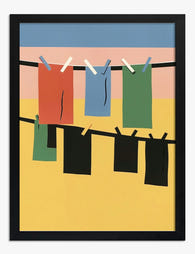
Poster kleurrijke waslijn
Translation missing: nl.products.product.sale_price Vanaf £11.95£19.95 -

Canvas chique lounge-avond met retro sfeer
Translation missing: nl.products.product.sale_price Vanaf £55.99£79.99 -

Canvas typografie: thuis klaar om te dansen
Translation missing: nl.products.product.sale_price Vanaf £44.95£74.95 -

Canvas subtiele spanning van Kandinsky
Translation missing: nl.products.product.sale_price Vanaf £44.95£74.95 -

Canvas kleurrijke boekenkast met strakke lijnen
Translation missing: nl.products.product.sale_price Vanaf £44.95£74.95 -
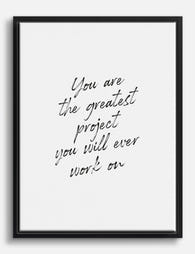
Canvas handgeschreven quote – jij bent je meesterwerk
Translation missing: nl.products.product.sale_price Vanaf £44.95£74.95 -

Canvas portret van vrouw met bloem en gestreepte jurk
Translation missing: nl.products.product.sale_price Vanaf £44.95£74.95 -

Canvas gestreept met dieprode hoed
Translation missing: nl.products.product.sale_price Vanaf £44.95£74.95 -

Canvas minimalistische lijnen en bogen in zwart-wit
Translation missing: nl.products.product.sale_price Vanaf £44.95£74.95 -

Canvas portret met elegante strepen
Translation missing: nl.products.product.sale_price Vanaf £44.95£74.95 -

Poster op tafel dansen – breek de regels
Translation missing: nl.products.product.sale_price Vanaf £11.95£19.95 -
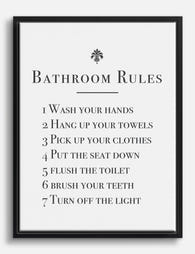
Canvas badkamerregels in zwart-wit
Translation missing: nl.products.product.sale_price Vanaf £44.95£74.95 -

Canvas zonovergoten strepen aan zee
Translation missing: nl.products.product.sale_price Vanaf £44.95£74.95 -

Poster Kandinsky - Delicate Tension
Translation missing: nl.products.product.sale_price Vanaf £11.95£19.95 -
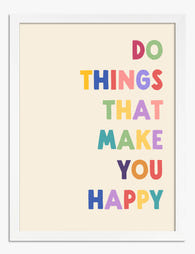
Poster herinnering aan gelukkig leven
Translation missing: nl.products.product.sale_price Vanaf £11.95£19.95


Meer van The Frame

Trending Art Prints: What People Are Actually B...
Trend reports and actual purchase behaviour rarely tell the same story. We've spent the last year watching what gets added to baskets, what gets reordered, and what people quietly take...

Canvas Prints vs Framed Art Prints: Which One B...
You're stuck between two formats, the internet keeps telling you "it depends on personal preference," and you still don't know what to buy. Let's fix that. This is an opinionated...

Giclée Print vs Original Watercolor: What Actua...
The question everyone asks: can a print really capture watercolour? Watercolour is the trickiest medium to reproduce. The translucent washes, the soft bleeds where two colours meet, the visible grain...