
 Beställ idag, leverans senast
 Gula botaniska och blomstertryck: det tidlösa motivet som fungerar överallt
Why florals in yellow feel current rather than chintzy, and how to style them so they actually look considered.


Botanisk konst har hängt på väggar i över fyra århundraden, och gula blommor har varit den tysta stjärnan i genren nästan lika länge. Skälet är enkelt: gula florala motiv bär med sig värme utan tyngd, och botaniska ämnen känns jordade utan att någonsin bli plottriga. När de görs rätt är de den sällsynta väggkonsten som fungerar lika självklart i ett georgianskt radhus, en nyproducerad lägenhet eller en köksutbyggnad.
Varför gula botaniska motiv och blomstertryck aldrig riktigt går ur tiden
Gult intar en märklig men användbar position i inredning. Det uppfattas som värme, optimism och morgonljus, men till skillnad från orange eller rött dominerar det inte rummet. Kombinera det med botaniska motiv, som har ansetts tidlösa sedan de tidigaste vetenskapliga illustrationerna på 1600-talet, och du får något genuint trendtåligt.
Anledningen till att blomstertryck i gult åldras så väl är att de refererar till naturen snarare än till ett visst decennium. En solrosstudie eller en tulpanillustration låser dig inte vid en stilera på samma sätt som ett abstrakt verk från en specifik designrörelse kan göra. Du kan hänga samma tryck över ett sideboard i mid-century-stil eller på en nyputsad stugvägg – och det förtjänar sin plats i båda.
Det finns också en praktisk psykologi. Gula toner reflekterar ljus, vilket gör dem idealiska i rum som inte badar i naturligt solljus. Ett blekt, smörigt gult i en norrvänd matsal gör något inget riktat ljus kan: det lurar rummet att kännas ljusare utan att överväldiga. Därför rekommenderas gula konsttryck så ofta i rum som behöver lyftas snarare än lugnas.

Vintage kontra modern botanisk illustration: vad passar ditt hem
Botanisk konst delar sig grovt i två läger, och att veta vilket du dras till sparar mycket beslutsvånda. Vintage botaniska illustrationer, av den typ som förknippas med 1700- och 1800-talens vetenskapliga tidskrifter, är detaljerade, lager på lager och något dämpade. De visar ofta ett enskilt exemplar med rötter och fröställningar synliga, ibland märkta med handskriven latin, mot åldrade elfenbens- eller pergamentfärgade bakgrunder.
Moderna botaniska motiv skalar bort det mesta av detta. Du ser ren linjeteckning, fält av platt färg, generöst negativt utrymme och återhållsamhet. Gult är vanligtvis renare, kompositionen mer grafisk och helhetsintrycket lugnare.
Så avgör du vad som passar hemma hos dig
Om din inredning drar åt det traditionella, lager på lager eller maximalistiska (tänk antika mattor, mässingsdetaljer, många böcker) landar vintage botaniska illustrationer naturligt. Detaljrikedomen belönar närläsning och de åldrade bakgrunderna mjukar upp livliga väggar.
Är ditt hem mer avskalat (vita väggar, ekgolv, enkelt linne, några väl valda föremål) är moderna minimalistiska botaniska motiv ett smartare val. De ger dig värmen i gult och mjukheten i ett floralt motiv utan att konkurrera med disciplinen i resten av rummet. Båda stilarna ryms fint i vår kollektion med botaniska konsttryck, och vi vågar påstå att det sämsta du kan göra är att blanda dem i samma hängning. Håll dig till ett spår.
De populäraste gula blommotiven (solros, ranunkel och mer därtill)
Alla gula blommor läses inte likadant på en vägg. Arten du väljer sätter en ton, och att matcha den med rummet avgör om ett tryck försvinner i bakgrunden eller blir det gästerna kommenterar.
Solrosor är de mest avspända i gänget. De är generösa, vänliga och lite rustika – perfekta i kök, uterum och familjerum. De passar inte i en formell matsal, och försöker inte heller göra det.
Ranunkler är den sofistikerade kusinen. De lagerlagda kronbladen och mjukare gula tonerna känns mer förfinade, särskilt i modern illustration. De sitter vackert i sovrum, klädkammare och lugnare hörn av ett vardagsrum.
Tulpaner är grafiska och arkitektoniska. En ensam tulpanstjälk mot en ren bakgrund läses nästan som ett stycke mid-century-design, och de paras särskilt väl med samtida möbler.
Påskliljor bär en tydlig säsongskänsla (tidig vår, nystart) som kan vara antingen charmig eller begränsande beroende på om du vill att konsten ska kännas evigt aktuell. Vi lutar åt dem i hallar och entréer snarare än i hemmets huvudrum.
Tagetes och mimosa är de underutnyttjade valen. Tagetes ger ett djupare, varmare gult som funkar fint i rum med terrakotta eller brända orangea accenter. Mimosa, med sina små klasade blommor, har en skirhet som passar mjukare, mer romantiska interiörer.
Att styla gula botaniska som ett par eller en trio
Enstaka tryck fungerar, men gula botaniska kommer verkligen till sin rätt i par och trios. Det är något med upprepningen som förvandlar konsten till en medveten designmarkering.
Paret
Två tryck sida vid sida är den mest förlåtande formeln för väggkonst. Häng dem på samma höjd, med ungefär 5–10 cm mellanrum, och centrera paret över det som står under (soffa, säng, konsol). För ett par gillar vi tryck som tydligt är besläktade men inte identiska: två olika blommor i samma illustrationsstil, eller samma blomma i två olika stadier.
Två på höjden fungerar lika bra i smala utrymmen, särskilt mellan fönster eller intill en dörröppning. Behåll samma mellanrum (5–10 cm) och linjera dem noggrant på en vertikal axel. Den här hängningen drar blicken uppåt, vilket är användbart i rum med låg takhöjd.
Trion
Tre tryck introducerar rytm. Den klassiska hängningen är horisontell, jämnt placerad, med alla tre i samma storlek. För botaniska motiv föreslår vi 40 x 50 cm eller 50 x 70 cm, inramade, hängda 6–8 cm isär.
Vill du ha något mindre symmetriskt, prova ett stort centralt tryck flankerat av två mindre. Ögat läser detta som en avsiktlig komposition snarare än en rad, och det ger dig mer flexibilitet på väggen bakom en soffa eller ett sideboard. Färdigkomponerade väggkonstset tar bort allt gissande, eftersom proportioner och palett redan är balanserade.

Bygga en tavelvägg kring gula blomstertryck
En tavelvägg är där de flesta kör fast, delvis för att det finns mycket dåliga råd om att göra det ”organiskt”. Organiska tavelväggar ser oftast röriga ut. Genomtänkta ser ut som i ett magasin.
Knepet med gula botaniska är att använda ett som ankare. Välj det största verket (60 x 80 cm eller 70 x 100 cm fungerar bra som ankare) och behandla det som tyngdpunkten. Allt annat ordnas runt det.
Blanda gula botaniska med andra färger och motiv
En vägg med bara gula floraler blir monoton. För att undvika att en tavelvägg känns endimensionell, balansera dina gula verk med:
- Ett eller två svartvita tryck (linjeteckningar, fotografi, arkitektoniska skisser) för visuell vila
- Ett enstaka verk i en kompletterande färg: djup marinblå, salviagrön, terrakotta eller varm creme
- Ett typografiskt eller abstrakt verk som bryter av realismen
Vår rekommenderade fördelning är ungefär 50 % botaniskt, 30 % neutralt, 20 % accentfärg eller kontrast. Lägg ut allt på golvet först, fotografera, och justera innan du börjar slå i något i väggen.
Avstånd och layout
Håll mellanrummen konsekventa: 5 cm för tätt grupperade väggar, upp till 10 cm för mer andrum. De nedersta kanterna på de lägsta verken bör ligga ungefär 15–20 cm över eventuell möbel. Blanda orienteringar (stående och liggande) men håll ramstilarna konsekventa. Mismatched ramar i en tavelvägg ser nästan alltid ut som ett misstag snarare än ett val.
Ramar och passepartouter som lyfter botanisk konst
Det är i inramningen de flesta botaniska tryck faller. Ett vackert tryck i en ranglig ram, eller en ram som skickas separat och monteras hemma, saboterar allt verket försöker göra. Den enskilt bästa uppgraderingen du kan ge ett botaniskt tryck är en riktigt inpassad ram i massivt trä, färdig att hängas direkt ur kartongen.
Ramfärg och gula toner
Ramfärgen påverkar på riktigt hur gult i ett tryck uppfattas. Så här brukar det falla ut:
Naturlig ek eller ljus träton mjukar upp gult och plockar fram de varmare, honungstonerna. Bäst för vintage-botaniska på åldrade bakgrunder och i rum med trägolv eller trämöbler.
Svarta ramar skärper gult och gör det mer grafiskt och modernt. Utmärkta för samtida illustrationer och i rum med starka arkitektoniska linjer.
Vita ramar känns lätta och luftiga och fungerar särskilt bra i sovrum och badrum. De kan tvätta ur mycket bleka gula toner, så spara vita ramar till tryck med starkare pigment.
Valnöt eller mörk träton ger botaniska tryck en lätt antik, bibliotekskänsla. Vackert till vintageillustrationer i arbetsrum, matsalar och traditionella vardagsrum.
Passepartout – ja eller nej?
En passepartout (papperskanten mellan tryck och ram) ger botanisk konst andrum. För gula floraler rekommenderar vi:
- Krämfärgade eller brutet vita passepartouter till vintage-botaniska, eftersom kritvitt kan få åldrade bakgrunder att se smutsiga ut i jämförelse
- Kritvita passepartouter till moderna illustrationer, där kontrasten är poängen
- Undvik färgade passepartouter till botaniska motiv. De förminskar nästan alltid intrycket
En passepartout på 5–8 cm är lagom. För tunt ser oavsiktligt ut, för tjockt ser tillgjort ut. Våra inramade tryck levereras med tryck, passepartout och ram korrekt inpassade i en låda, med akrylglas med UV-skydd som hindrar gula toner från att blekas även i direkt solljus. Den sista punkten är viktigare än många tror: gula pigment är historiskt de första att blekna, och ett UV-glas är skillnaden mellan ett tryck som ser strålande ut i decennier och ett som ser trött ut efter fem år.

Var du ska hänga dem: rum där gula botaniska trivs
Gula botaniska är mångsidiga, men inte oändligt flexibla. Vissa rum får dem att sjunga, andra får dem att kännas malplacerade.
Kök och matsalar
Det här är gula floraliers naturliga hem. Färgen ekar mat, ljus och samvaro, och det botaniska motivet känns rätt i rum där saker växer och äts. Solrosor och tagetes fungerar särskilt bra här. Häng trycken i ögonhöjd när du sitter vid matbordet, inte när du står, för det är därifrån du kommer att betrakta dem.
Vardagsrum
Gula botaniska fungerar i vardagsrum när de balanseras av tillräckligt med neutralt utrymme. Ett par ovanför en soffa, eller en tavelvägg på en fondvägg, fungerar båda. Undvik att hänga dem på samma vägg som en starkt mönstrad gardin eller matta. Det botaniska motivet ska vara rummets mönster – inte ett av tre.
Sovrum
Gult kan upplevas som för energiskt i ett sovrum, vilket är varför motiv och ton spelar roll. Håll dig till mjukare gula (ranunkel, mimosa, bleka tulpaner) snarare än kraftfulla, och luta åt moderna minimalistiska stilar snarare än livliga vintageillustrationer. Ett enskilt större tryck ovanför sängen, eller ett stilla par, är mer rogivande än en tavelvägg.
Hallar, trapplan och hemmakontor
Dessa genomgångsytor mår utmärkt av gult. Hallar är ofta underbelysta och underdekorerade, och en vertikal duo med gula botaniska gör på riktigt skillnad. Hemmakontor är också en bra matchning, eftersom gult förknippas med fokus och optimism i lika delar.
Badrum
Canvas är ett bättre val här, eftersom polybomullen hanterar luftfuktighet bättre än pappersbaserade tryck. En ensam botanisk canvas i badrummet känns genomtänkt utan att vara det minsta präktigt. Utforska blomstertryck för kompositioner som lämpar sig för canvas.
Ljus att tänka på
En sista not om ljus. Varma gula (honung, senap, ockra) glöder under glödljus och varma LED:er, men kan se grumliga ut under kalla dagsljuslampor. Kalla gula (citron, blekt smörgult) står sig bättre under dagsljus-LED och i norrvända rum. Om ditt rum har en mix av naturligt och artificiellt ljus, välj tryck med gula i mellanregistret som läses väl i båda.
En avslutande tanke
Gula botaniska fungerar eftersom de vägrar låsa sig vid en trend. De refererar till något äldre och mer bestående än inredningsmode, och färgen ger dem precis lagom lyft för att kännas aktuella. Välj motiv efter rummet (avspända solrosor, förfinade ranunkler, grafiska tulpaner), rama in dem ordentligt i massivt trä och häng dem där du faktiskt kommer att titta på dem. Det är hela formeln.


Fab-produkter som visas i denna blogg
-

Poster lila blommotiv i vintage-stil
Försäljningspris Från €16,95€23,95 -

Poster gröna krukväxter på gul bakgrund
Försäljningspris Från €16,95€23,95 -
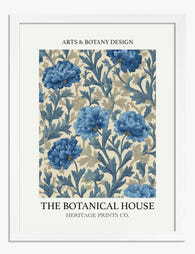
Poster blå botaniska blommor
Försäljningspris Från €16,95€23,95 -

Poster blommor i vaser
Försäljningspris Från €16,95€23,95 -

Canvastavlor botanisk bukett i vintage stil
Försäljningspris Från €65,95€93,95 -

Canvastavlor botaniska blommor i linjeteckning
Försäljningspris Från €65,95€93,95 -

Poster botaniska blommor i rosa och gult
Försäljningspris Från €16,95€23,95 -

Poster krukväxter på hylla
Försäljningspris Från €16,95€23,95 -

Poster botanisk bukett i vintage-stil
Försäljningspris Från €16,95€23,95 -

Canvastavlor moderna vaser med blommor
Försäljningspris Från €65,95€93,95 -

Poster abstrakt botanisk med mjuka former
Försäljningspris Från €16,95€23,95 -

Poster botanisk plansch i vintagestil
Försäljningspris Från €16,95€23,95 -

Poster botaniskt porträtt av kvinna med tennisracket
Försäljningspris Från €16,95€23,95 -

Poster vintage trädgårdsblommor
Försäljningspris Från €16,95€23,95 -

Poster lila pion – botaniskt motiv
Försäljningspris Från €16,95€23,95 -

Canvastavlor med eviga blommor mot blå bakgrund
Försäljningspris Från €65,95€93,95 -

Poster botanisk popkonst – grafiskt blommotiv i grönt
Försäljningspris Från €16,95€23,95 -

Poster botanisk elegans
Försäljningspris Från €16,95€23,95


Mer från The Frame

Den kompletta guiden till att skapa en sofistik...
En tavelvägg med kattmotiv står och faller med själva mekaniken, inte med motiven. Konsekventa ramar, exakta avstånd och ett genomtänkt ankare gör mer för din komposition än hur mycket konst...

Våra favoritset för fågeltavelväggar i sex ramar
Sex är den gyllene mittpunkten för en fågeltavelvägg. Tillräckligt många ramar för att kännas genomtänkt och rejält, men få nog för att du ska kunna hänga upp allt på en...

Inramning av William Morris-tryck: val av trä, ...
Morris ritade mönster för hela rum, inte för vykort. Det spelar roll när du ramar in hans verk, för fel ram kan förvandla ett viktorianskt botaniskt mästerverk till visuellt brus....