
 Beställ idag, leverans senast
 Konsttryck med recept
Recept som tavlor: familjens surdegsinstruktioner, mormors pajmetod, en cocktail uppmätt i prydlig handstil. Vissa är typsatta som en sida ur en gammal kokbok, andra ligger närmare handtextade poster med ingredienser som slingrar sig längs kanterna. Häng en nära spisen där du faktiskt läser den, eller kombinera med poster med matillustrationer för en köksvägg som verkligen säger något.


Inga produkter hittades
Fler Fab konstkureringar




Idéer för köksväggen från The Frame
Läsning om receptväggar, handtextade stilar och hur du hänger tavlor i kök from The Frame, Fab's blog.
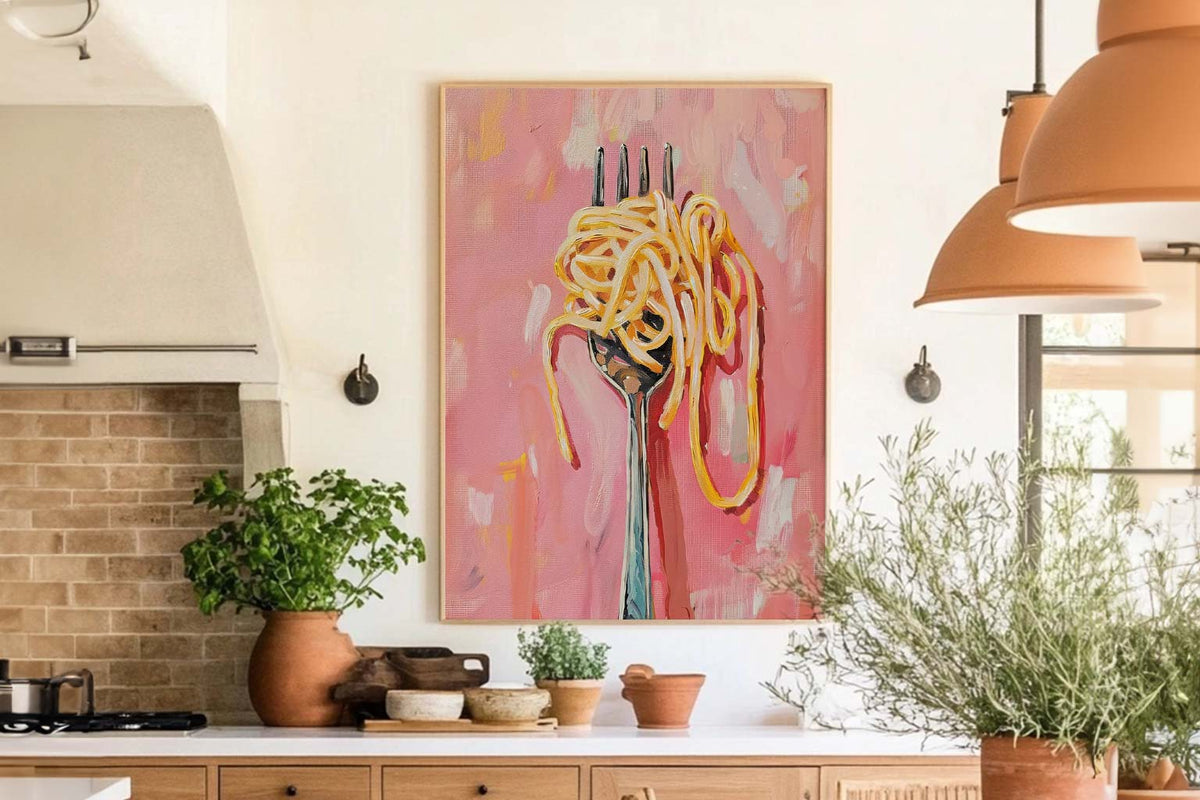
Den bästa väggkonsten för kök och matplatser
Välj konst till kök och matplats som speglar din relation till mat och umgänge. Färg, placering, storlek och ramar – här är tipsen som gör rummen varma, praktiska och personliga.
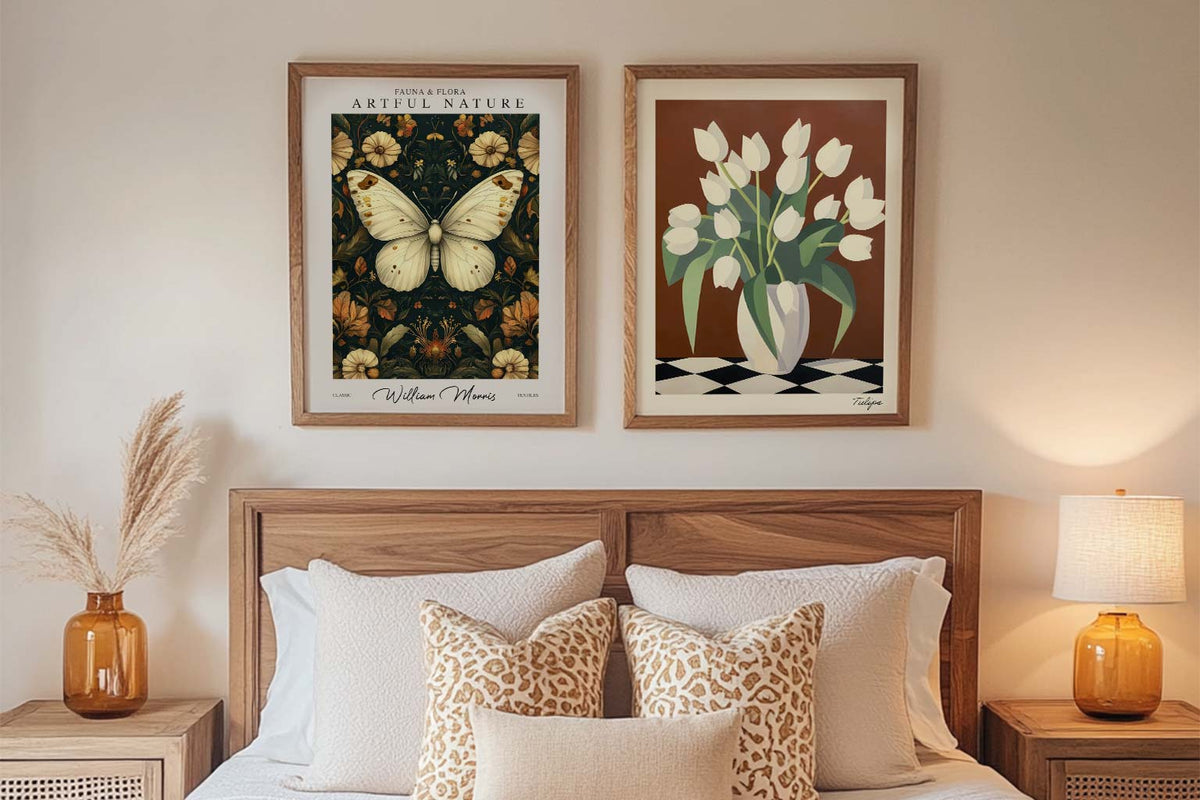
Starta med konsttryck: guide för förstagångsköpare
En enkel guide till hur du väljer dina första konsttryck – färg, motiv, storlek, placering och budget – så att ditt hem börjar kännas som ditt.
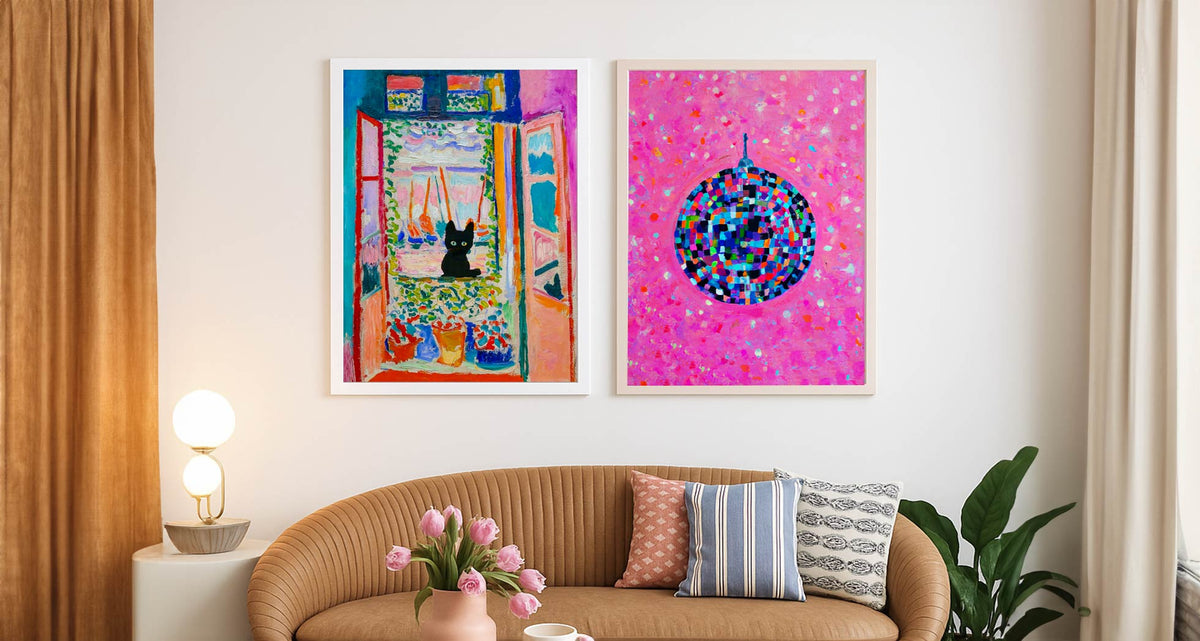
Så gör du en hyresbostad personlig med väggkonst
Få din hyresbostad att kännas som din – med väggkonst som går att flytta, hänga utan borr och styla smart utan att riskera depositionen.
 Frågor om receptposter



Korta svar om inramning, placering nära matlagningsytor och hur du väljer mellan handskrivna och typsatta stilar