
 Beställ idag, leverans senast
 How to Create a Boho Gallery Wall: A Practical, No-Nonsense Guide
The hidden structure behind every boho gallery wall that looks curated instead of chaotic.


Boho gallery walls fail for one reason: people interpret "eclectic" as "anything goes." It isn't. The walls you save on Pinterest look effortless because someone made deliberate decisions about frames, colour, and proportion before a single nail went in. This guide gives you that framework, so you can finish a wall this weekend that looks collected over years.
Why boho gallery walls go wrong (and the one rule that fixes it)
Most boho gallery walls look cheap because they have too much variety and not enough structure. Five different frame finishes, eight competing colours, prints in wildly different styles, and spacing that drifts between two and ten centimetres. The eye reads it as noise, not curation.
The fix is simple. Pick one unifying element and hold the line on it. That element is usually the frame finish, the colour palette, or the tonal range of the prints themselves. Vary everything else. Constrain that one thing.
This is the paradox of good boho. The look feels casual and collected, but underneath there is always a rule the designer refused to break. Once you accept that, the rest of this article becomes a checklist.

Choosing your frame finish: why consistency beats variety
If you only follow one piece of advice in this guide, make it this: pick one frame finish and stick to it across every print on the wall.
We know the popular advice says to mix brass, black, walnut, and unfinished wood for a "collected" feel. In practice, that mix is incredibly hard to pull off and almost always tips into messy. Three or four finishes on one wall means the eye never settles. You notice the frames, not the art.
A single finish does the opposite. It creates an invisible grid that lets the prints inside vary wildly without the wall losing coherence. You can mix a botanical line drawing, a vintage figurative piece, an abstract earth-tone painting, and a black and white photograph, and they will read as one collection because the frames agree.
For boho specifically, three finishes work best:
- Natural oak or light wood: warm, casual, plays beautifully with rattan, jute, and linen.
- Black: graphic and grounding, works when your room already has black metalwork or dark furniture.
- Off-white or limewash: softer than black, lifts a wall in a darker room.
Avoid gold and brass for boho unless your entire scheme leans that way. They tend to drag the wall toward maximalist or art deco rather than bohemian. Whatever you choose, make sure the frames are solid wood rather than veneered MDF. Cheap frames warp, sag at the corners, and announce themselves from across the room. All of Fab's framed prints use solid FSC-certified wood with UV-protective acrylic glaze, which means they ship and hang flat and stay that way.
The two-thirds rule and how to measure for your specific wall
The two-thirds rule is the single most useful proportion guide in interior design, and it is the reason some gallery walls look right and others look stranded.
What is the two-thirds rule for wall art?
The total width of your art arrangement should be roughly two-thirds the width of the furniture beneath it. Sofa is 220cm wide? Your gallery wall should span around 145cm. Console table is 150cm? Aim for around 100cm of art width.
This works because the human eye reads the furniture and the art as a single visual block. When the art is too small, the wall looks empty above the sofa and the furniture looks beached. When the art runs past the edges of the furniture, the composition feels top-heavy and unsettled.
Measuring for your wall
Grab a tape measure and write down three numbers:
- The width of the furniture below (or the wall itself, if there is no furniture).
- The height available between the top of the furniture and the ceiling, minus 15-20cm for breathing room at the top.
- The bottom of your gallery wall should sit 15-25cm above the furniture. Closer feels more grounded and collected, which suits boho.
Multiply your furniture width by 0.66 for your target gallery width. That is the box your arrangement needs to roughly fill.
When boho can break the rule
Boho is one of the few styles where you can push slightly beyond two-thirds, up to about 75% of the furniture width, especially if you are layering in baskets or a small wall shelf. The asymmetry reads as intentional rather than awkward. Going under two-thirds, however, almost always looks like a mistake.
How many prints you actually need (spoiler: fewer than you think)
Most beginners overestimate how many pieces they need and end up with a cluttered wall full of small prints fighting each other.
Here are realistic counts based on common wall sizes:
- Small wall (around 120cm wide, above a console or armchair): 3-5 pieces, with one anchor piece around 50x70cm.
- Medium wall (180cm, above a two-seater sofa or bed): 5-8 pieces, with one anchor at 60x80cm or 70x100cm.
- Large wall (240cm+, above a three-seater sofa): 7-13 pieces, with one or two anchor pieces at 70x100cm.
The anchor piece is non-negotiable. Without one large print pulling the eye, a gallery wall reads as a scattered collection of postage stamps. Pick your anchor first, ideally a piece you genuinely love, and build the rest of the arrangement around it.
Supporting pieces should range between A4 and 50x70cm. Avoid going smaller than A4 unless you are tucking a tiny print into a tight corner of the layout. Tiny prints on a big wall are the single most common reason gallery walls look cheap.
If you want to skip the agonising and start from a tested combination, browse pre-curated wall art sets where the proportions and palette are already balanced.

Picking a colour palette that holds the whole thing together
If you do not unify by frame finish, you must unify by colour. And even if you do unify by frame finish, a tight palette will sharpen the result.
The rule: limit yourself to three or four colours total across the entire wall. That means three or four hues you keep coming back to, not three or four colours per print.
A boho-friendly palette might look like:
- Warm earth: terracotta, cream, sage, soft black.
- Desert neutral: sand, rust, ochre, off-white.
- Coastal boho: oat, dusty teal, bone, faded indigo.
- Jungle boho: olive, cream, deep brown, brass-cream highlights.
Pick one of these or build your own using the rule of one warm tone, one cool tone, one deep accent, and one neutral. Then audit every print you are considering. If a piece introduces a fifth strong colour, it goes back in the box.
This is where botanicals earn their reputation as boho workhorses. They tend to share a quiet, leafy palette that slots into almost any earth-tone scheme. A few well-chosen botanical art prints can act as palette anchors, with figurative or abstract pieces filling in around them. If your scheme leans cooler or you want something very pared-back, our neutral wall art collection is built around exactly this kind of restrained palette.
For broader inspiration across earth tones, abstract figures, and desert motifs, the boho art prints collection is a sensible starting point.
Layout on the floor: the low-tech method professionals use
Do not start hanging. Start on the floor.
Clear a section of floor roughly the size of your target wall area. Lay down a bedsheet or some kraft paper to mark the boundaries if it helps you visualise. Then place your anchor piece first, slightly off-centre, usually about a third of the way in from one edge.
Build outward from the anchor. The standard rule is 2-3cm of spacing between frames, but boho can go tighter, around 1-2cm, for a more collected look. Whatever spacing you choose, hold it consistent across the whole wall. Inconsistent gaps are one of the fastest ways to make a wall look amateur.
Three layout patterns work for boho:
- Loose grid: roughly aligned rows and columns with slight variation. Calmest option.
- Asymmetric cluster: anchor piece off-centre with smaller pieces flowing around it organically. Most common boho layout.
- Salon style: tightly packed, edges roughly aligned along an invisible top and bottom line. Best for larger walls.
Once the floor layout looks right, take a photo from directly above. Walk away for ten minutes. Come back and look at the photo on your phone. Problems jump out instantly when you see the layout in miniature.
The paper template trick is worth the extra fifteen minutes. Trace each frame onto kraft paper or newspaper, cut them out, and tape them to the wall in your planned arrangement. Live with it for an evening. Adjust before any holes go in the wall.
Spacing, hanging hardware, and getting it level first time
Hang your anchor piece first, dead centre of where you want the cluster to sit. Use a spirit level. Phone apps work for a quick check, but a real spirit level is more reliable.
For frame height, the centre of the anchor piece should sit roughly at eye level for an average standing adult, around 145-150cm from the floor. If the wall sits above a sofa, you can drop this so the bottom of the anchor is 15-20cm above the sofa back.
Once the anchor is up, work outward. Measure spacing between frames with a ruler, not by eye. Eye-balling is the second fastest way to a wall that looks off. Pencil a small mark on the wall for each nail position and double-check with the level before you hammer.
Hardware that actually works
Adhesive strips are tempting and often disappointing. They work for very light prints on perfectly clean, painted walls, and they fail spectacularly on textured walls, freshly painted walls, or anything heavier than a small unframed print.
For framed prints up to 50x70cm, a single picture hook rated for 5-10kg is fine. For larger framed pieces, use two hooks for stability and to keep the frame level over time. Solid wood frames are heavier than veneered ones, which is a feature rather than a bug, but plan your hardware accordingly. All Fab framed prints arrive with fixtures already attached, which removes one of the more annoying steps.
If you are hanging on plasterboard, use proper plasterboard fixings rather than nails alone for anything over a couple of kilos.

Common boho gallery wall mistakes and how to avoid them
A quick audit. If your wall has any of these problems, the fixes are straightforward.
Too-small art. The most common mistake. If your largest piece is smaller than 50x70cm on a sofa wall, you need a bigger anchor. Scale up rather than adding more small pieces.
More than four frame finishes. Edit. Pick one finish for at least 70% of the frames and let the rest be deliberate accents, or unify the lot.
More than four colours. Pull pieces that introduce a fifth strong hue. Replace with something in your existing palette.
Inconsistent spacing. Take everything down. Re-measure. Re-hang. There is no shortcut here, and it is the single biggest difference between curated and chaotic.
Floating arrangement. If your gallery is hanging too high above the furniture, drop it. The bottom of the lowest frame should sit close to the furniture, not float twenty centimetres above it.
Cluttered 3D layering. Baskets, macrame, and small shelves are great boho additions, but they need to obey the same two-thirds rule as the overall silhouette. Treat dimensional pieces as part of the composition, not extras stuck on at the end. Limit yourself to one or two 3D elements on a medium wall.
Cheap framing. Warped frames, prints that bubble inside the mount, glass that catches every reflection. These are all symptoms of poorly made framing. Solid wood frames with anti-glare acrylic glaze and properly fitted prints solve all three problems at once.

Where to start this weekend
Measure your furniture width, multiply by 0.66, and write down your target gallery dimensions. Pick your frame finish and your three or four colours before you choose a single print. Choose your anchor piece first, then build outward on the floor. Hold your spacing consistent to the millimetre. Hang the anchor, then work out from the centre.
The wall does not need to be finished by Sunday night, but it can be. Boho rewards intention more than time, and the framework above is the same one designers use whether they have a weekend or a year.

Fab-produkter som visas i denna blogg
-

Canvastavlor abstrakt boho-geometri i marinblå, persika och korall
Translation missing: sv.products.product.sale_price Från £44.95£74.95 -

Poster botanisk harmoni i boho-stil
Translation missing: sv.products.product.sale_price Från £11.95£19.95 -

Canvastavlor i modern boho-stil med geometriskt mönster
Translation missing: sv.products.product.sale_price Från £44.95£74.95 -

Canvastavlor boho botaniskt bladverk i terrakotta och grönt
Translation missing: sv.products.product.sale_price Från £44.95£74.95 -

Canvastavlor boho svartvita linjer
Translation missing: sv.products.product.sale_price Från £44.95£74.95 -

Poster modern boho i balans
Translation missing: sv.products.product.sale_price Från £11.95£19.95 -

Canvastavlor minimalistiskt boho-valv i jordtoner
Translation missing: sv.products.product.sale_price Från £44.95£74.95 -

Poster boho botanisk harmoni
Translation missing: sv.products.product.sale_price Från £11.95£19.95 -

Canvastavlor abstrakta svarta former i bohostil
Translation missing: sv.products.product.sale_price Från £44.95£74.95 -
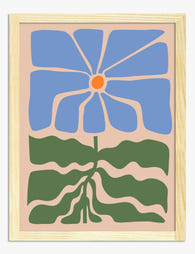
Poster blå blommor i boho-stil
Translation missing: sv.products.product.sale_price Från £11.95£19.95 -

Canvastavlor boho med abstrakta former i jordnära toner
Translation missing: sv.products.product.sale_price Från £44.95£74.95 -

Poster boho prästkragar på ockragul bakgrund med mjuka vågor
Translation missing: sv.products.product.sale_price Från £11.95£19.95 -

Poster bohemisk botanisk oas med krukväxter
Translation missing: sv.products.product.sale_price Från £11.95£19.95 -

Canvastavlor boho i jordtoner, minimalistiskt motiv
Translation missing: sv.products.product.sale_price Från £44.95£74.95 -

Canvastavlor bohemiska vaser och grönska
Translation missing: sv.products.product.sale_price Från £44.95£74.95 -

Poster sol och måne – boho harmoni
Translation missing: sv.products.product.sale_price Från £11.95£19.95 -

Canvastavlor boho minimalistiska ögon i svartvitt
Translation missing: sv.products.product.sale_price Från £44.95£74.95 -

Canvastavlor boho blomsterflöde
Translation missing: sv.products.product.sale_price Från £44.95£74.95 -

Canvastavlor bohemiska trappor och frodig grönska
Translation missing: sv.products.product.sale_price Från £44.95£74.95 -

Canvastavlor boho botaniska blommor
Translation missing: sv.products.product.sale_price Från £44.95£74.95


Mer från The Frame

What Makes a Typography Print Worth Hanging? 6 ...
Typography prints are the most overdone, undervalued category in wall art. Most are mass-produced rubbish destined for a charity shop within a year. A few are genuinely brilliant. This guide...

Building a Bauhaus Gallery Wall: Layouts, Sizin...
Bauhaus prints look effortless on a single wall but turn chaotic the moment you start grouping them. The bold shapes, primary colours, and high contrast that make Kandinsky and his...

The Only Street Scene Gallery Wall Guide You'll...
Street photography is the trickiest genre to hang as a gallery wall. The subject matter is inherently chaotic: strangers, signage, weather, light, accidents of timing. Get the curation wrong and...