
 Beställ idag, leverans senast
 Klimt vid sjön: landskapen som förändrade vår syn på naturkonst
The painter of gold portraits spent every summer obsessing over forests, lakes, and meadows. Here's why that matters.


Klimts andra sida: från gyllene porträtt till gröna skogar
De flesta känner bara en Klimt. Guldblad, omfamnande par, en viss konsthistorisk affisch som har hängt i stort sett varje studentlägenhet sedan 1985. Men flera månader varje år, från omkring 1900 fram till sin död 1918, lade Gustav Klimt guldet åt sidan och målade träd.
Han gjorde omkring 50 landskap, ungefär en fjärdedel av hela hans produktion, och de liknar nästan inte alls verken som gjorde honom berömd. Inga allegorier. Ingen symbolik. Inga beställda grevinnor som stirrar ut från skimrande mosaikarbete. Bara fruktträdgårdar, björkstammar, en damm igenvuxen av näckrosor, hörnet av en bondgård sedd genom högsommarens lövverk.
Det här är Klimt-målningarna att känna till när du är trött på de självklara.

Attersee och den österrikiska landsbygd som inspirerade honom
Varje sommar lämnade Klimt Wien för Salzkammergut, sjödistriktet öster om Salzburg, och i synnerhet Attersee. Han reste med Emilie Flöge, hans livslånga följeslagare och designern som drev ett hyllat wienskt modehus. De rodde. De simmade. Han bar en lång blå arbetsrock och tofflor och nästan inget annat, vilket är varför lokalbefolkningen gav honom smeknamnet ”Waldschrat”, skogsdemonen.
Det här var inte semester i modern mening. Det var Sommerfrische, en österrikisk tradition där den urbana borgarklassen flyttade ut på landet i månader i sträck för att undkomma stadens hetta och förväntningar. För Klimt betydde Sommerfrische något mer specifikt: inga beställningar, inga mecenater, inga societetsporträtt. Bara att måla vad han ville, hur han ville, hela dagarna.
Den friheten syns. Hans landskapsmålningar känns fria där hans porträtt känns koreograferade. De är honom som målar för sig själv, vilket är en del av varför de har åldrats så väl. Det finns ingen inbyggd publik i dem.
Särskilt Attersee-målningarna har en kvalitet av ren närvaro. En bondgårdsvägg. En rad solrosor. Vattnets glitter sett från en båt. De känns som den visuella motsvarigheten till ett djupt andetag.
Hur Klimt använde ett teleskop för att komponera sina landskap
Här är detaljen som får Klimts landskap att klicka i fokus när du väl vet om den: han komponerade dem genom ett teleskop.
Eller ibland en sökare urklippt i kartong, hållen på armlängds avstånd, som ramar in utsnitt av landskapet som om han tog ett fotografi. Han låste blicken på ett enda parti av skogen eller ett hörn av en åker och målade bara det som syntes inom den tajta rektangeln, med allt utanför kanterna avskuret.
Det är därför hans landskap ser ut som de gör. Horisontlinjen saknas ofta helt. Himlen syns knappt. Du tittar på en vägg av träd, eller en dammyta, eller en tapet av ängsblommor, utan tydlig känsla för var scenen slutar. Det plattar till allt. Blicken har ingenstans att fly, så den måste sakta in och läsa ytan.
Tekniken påverkades av piktorialismen inom fotografi, då en moderörelse i Wien, och av japanska träsnitt, som Klimt samlade på. Båda traditionerna föredrog beskurna, tillplattade kompositioner framför det djupa perspektiv som västerländska målare hade jagat sedan renässansen. Klimts landskap är i det här avseendet stillsamt avantgardistiska. De ser dekorativa och vackra ut, men under ytan gör de något formellt radikalt.
Kvadratformatet och vad det gör med betraktaren
Nästan alla Klimts landskap är kvadratiska. Inte en lätt rektangel. Riktigt kvadratiska: 110 × 110 centimeter, mer eller mindre.
Fyrkantiga målningar var ovanliga i europeisk konst före 1900-talet. Formatet har ingen inbyggd riktning, ingen porträttlik vertikalitet eller landskapslik horisontal svepning. Ditt öga vet inte var det ska börja, så det tenderar att spiralisera in mot mitten och sedan driva över hela ytan i slingor. Resultatet är kontemplativt. Du tittar längre på en kvadratisk målning än på en rektangulär. Den låter sig inte avläsas på en gång.
Det är också, praktiskt nog, därför Klimts landskap fungerar briljant i moderna interiörer. Kvadratiska format har ett riktigt moment i samtida inramning och tavelväggar. De sitter elegant ovanför skänkar, konsolbord, sängar och badkar där ett högt porträttformat skulle kännas fel och ett brett landskap skulle kännas utdraget. Ett enskilt 70x70cm kvadratiskt tryck kan förankra en vägg utan att dominera den.
Om du bygger en tavelvägg gör en enda kvadrat bland rektanglar att helheten ser mer genomtänkt ut direkt. Den bryter rutnätet på ett bra sätt.

Pointillism, mosaik och texturen i Klimts naturkonst
På nära håll ser Klimts landskap inte ut som landskap alls. De ser ut som pärlbroderi.
Han målade i tusentals små punkter, duttar och korta penseldrag, och byggde upp ytor nästan som när han byggde de gyllene mosaikbakgrunderna i sina porträtt. Ett enda träd kan bestå av hundratals separata beröringar av grönt, ockra, violett och rosa, som ligger sida vid sida i stället för att blandas. Backa och det blir till lövverk. Gå närmare och det löses upp i ren ornamentik.
Detta påverkades delvis av de franska pointillisterna, särskilt Seurat och Signac, vars verk Klimt bör ha sett i Wien. Det påverkades också av Van Gogh, vars tjocka, expressiva penselföring Klimt absorberade in i sitt eget språk av punkter och fläckar. Du ser kopplingen tydligt i till exempel Klimts äppelträd, som har samma hetta och densitet som Van Goghs fruktlundar men med mer dekorativ återhållsamhet.
Det mosaikartade är det som ger Klimts naturkonst en ovanlig närvaro på väggen. Det belönar både avstånd och närhet. Från andra sidan rummet ser du ett landskap. Från en meter ser du abstrakt mönster. Från trettio centimeter ser du något som liknar broderi eller ett textilprov.
Det är också, ärligt talat, därför tryckkvalitet är så viktig med Klimt-landskap. Billiga reproduktioner plattar till all den där texturen till en enda grumlig yta. Du vill ha ett tryck som håller punkterna, lagren, de små skiftningarna i färgtemperatur. Gicléetryck i museiklass på tjockt matt papper bevarar ytans komplexitet på ett sätt som glansiga tryck helt enkelt inte gör.
Varför Klimts landskap trendar i moderna interiörer
Några designströmmar möts just nu, och Klimts landskap råkar ligga i skärningspunkten.
Den första är biofilisk design, den numera väletablerade idén att interiörer känns bättre när de refererar till naturen. Klimts landskap är natur utan att vara bokstavliga. Det är inte fotografier av skogar eller generiska botaniska planscher. Det är skogar filtrerade genom ren dekorativ intelligens, vilket betyder att de ger naturbilders lugnande effekt utan den lätt intetsägande känsla som botaniska tryck kan ha.
Den andra är den långsamma reträtten från kall minimalism. Interiörer blir varmare, mer lager på lager, mer taktila. Salviagrönt, terrakotta, ockra, rost, djup petrol. Klimts landskapspaletter går rakt in i detta. Hans äppelträd är i princip en färgreferens för en modern varm interiör.
Den tredje är aptiten på konst som känns personlig snarare än självklar. Kyssen har tryckts på så många muggar och tygkassar att den har blivit en designgenväg för ”jag gillar konst i allmänhet”. Ett Klimt-landskap signalerar något annat. Det säger att du vet att det finns en annan sida hos honom, och att du tycker att den är mer intressant. Det är ett tystare och tryggare val.
Klimts trädmålningar i synnerhet har blivit inkörsporten. Birch Forest, Apple Tree, Beech Grove. Det här är verken som översätts lättast till samtida rum eftersom de läses som både konsthistoria och modern dekoration samtidigt.
Våra favorittryck av Klimts landskap och var de passar bäst
Här ska du faktiskt sätta dem på väggarna.
Birch Forest (1903)
En vägg av ljusa, smala björkstammar som reser sig ur en skogsbottens matta av fallna orange blad. Kompositionen består nästan helt av vertikala linjer med en horisontell matta av varm färg längst ner.
Den här hör hemma i ett minimalistiskt sovrum, helst ovanför en låg säng med linnesängkläder i kräm eller ljust grått. Stammarnas vertikala rytm gör något stilla arkitektoniskt med rummet. Ett inramat 70x70cm-tryck i en smal ram av naturlig ek är rätt val här. Den ljusa trätonen ekar björkstammarna utan att konkurrera.
Apple Tree I (1912)
Tät, nästan kvävande lövverk i toner av grönt, gult och orange, med röda äpplen spridda som juveler genom kronan. Ingen himmel, ingen mark, bara mönster.
Häng den i ett vardagsrum som behöver mer färg och textur. Den fungerar särskilt bra ovanför en sammetssoffa i mossgrönt eller bränt orange. Målningens maximalism ger dig tillåtelse att lägga lager modigare på andra ställen. Det här är ett tryck som mår bra av att vara stort. En 100x100cm canvas omsluter dig på ett sätt som mindre format inte kan.
Park at Kammer Castle (1909)
En vy genom en skärm av höga, mörka träd mot en skymt av gul slottsvägg och gräsmatta. Kompositionen är i princip ett vertikalt galler av stammar med små ljusa färgpartier som bryter igenom.
Detta är en print för matsalen. Den kontemplativa djupkänslan, sättet du måste titta mellan träden för att se strukturen bakom, belönar den långsamhet som matsalar bjuder in till. Matcha med en stämningsfull väggfärg, djup skogsgrön eller en ler-tonad putsad finish.
Farm Garden with Sunflowers (1907)
Ett fyrverkeri av sommarblommor, med solrosor som reser sig över en gobeläng av zinnior, dahlior och prästkragar. Den mest glädjefyllda av hans landskap.
Sätt den där den kan lyfta stämningen: köket, en liten hall, ett arbetsrum. Den fungerar vackert i utrymmen som inte får så mycket dagsljus eftersom målningen i sig själv lyser. Inramad i varm valnöt eller svart trä läses den som medvetet konsthistorisk snarare än enbart dekorativ.
Beech Grove I (1902)
En mer abstrakt målning. Höga bokstammar som tonar bort i en disig höstmatta av rosa och gyllene blad, med väldigt lite detalj och mycket atmosfärisk färg.
Detta är valet för badrum eller sovrum. Särskilt ett mjukt belyst rum där du vill ha en känsla av upplösning snarare än skärpa. Canvas fungerar särskilt bra här eftersom den matta ytan förstärker målningens mjukhet, och canvas är dessutom mer förlåtande i rum med varierande luftfuktighet.

Ett tips om att blanda stilar
Klimts landskap är ovanligt flexibla över olika inredningsstilar. De sitter gärna i ett bohemiskt rum fullt av textilier och växter eftersom mönsterspråket matchar. De passar skandinaviska interiörer som har gått bortom kritvitt mot varmare jordtoner. De är en självklar match för all slags jugendrenässans eftersom det bokstavligen är där de hör hemma. Och de tillför precis lagom dekoration till moderna maximalistiska rum utan att tippa över i plotter.
Det som inte riktigt fungerar är hård industriell minimalism. Texturen och färgen behöver en omgivning som kan ta emot dem. Om dina väggar är betong och din soffa är stål, titta någon annanstans.

En sista tanke
Njutningen med Klimt-landskapstryck är att de fortsätter att avslöja saker. Teleskopbeskärningen. Kvadratformatet. De tusentals små penseldragen. Sättet han använde färg som han brukade använda guld. Inget av detta syns vid första ögonkastet, vilket betyder att målningen på din vägg förblir intressant i åratal i stället för att försvinna in i bakgrunden efter en månad.
Köp den du inte kan sluta titta på. Häng den där du spenderar verklig tid. Gå sedan tillbaka och titta ordentligt, på nära håll, från trettio centimeters avstånd. Det är där Klimt faktiskt bor.

Fab-produkter som visas i denna blogg
-

Canvastavlor Gustav Klimts frodiga landskap
Försäljningspris Från £49.95£74.95 -

Canvastavlor sjön Attersee av Gustav Klimt
Försäljningspris Från £49.95£74.95 -

Poster livfullt landskap av Gustav Klimt
Försäljningspris Från £11.95£19.95 -

Poster grönskande landskap av Gustav Klimt
Försäljningspris Från £11.95£19.95 -

Canvastavlor Gustav Klimts rofyllda landskap
Försäljningspris Från £49.95£74.95 -

Poster Klimts blomstersymfoni
Försäljningspris Från £11.95£19.95 -

Poster Attersee av Gustav Klimt
Försäljningspris Från £11.95£19.95 -

Poster solbelyst skog av Klimt
Försäljningspris Från £11.95£19.95 -

Poster solbelyst skog av Gustav Klimt
Försäljningspris Från £11.95£19.95 -

Canvastavlor Klimts vilda trädgård
Försäljningspris Från £49.95£74.95 -

Poster solbelyst skog – inspirerad av Klimt
Försäljningspris Från £11.95£19.95 -

Poster Klimts förtrollade skog
Försäljningspris Från £11.95£19.95 -

Poster Klimts solbelysta skog
Försäljningspris Från £11.95£19.95 -

Poster solbelyst skog av Gustav Klimt
Försäljningspris Från £11.95£19.95 -

Poster vild trädgård av Gustav Klimt
Försäljningspris Från £11.95£19.95 -
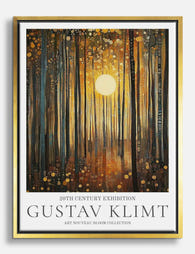
Canvastavlor solbelyst skog av Klimt
Försäljningspris Från £49.95£74.95 -

Poster Klimts solbelysta skog
Försäljningspris Från £11.95£19.95 -

Canvastavlor Klimts skogsretreat
Försäljningspris Från £49.95£74.95 -
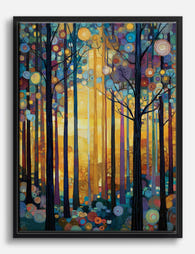
Canvastavlor solstänkt skog – inspirerad av Klimt
Försäljningspris Från £49.95£74.95 -

Poster solbelyst skog inspirerad av Gustav Klimt
Försäljningspris Från £11.95£19.95


Mer från The Frame

Den kompletta guiden till tavelväggar med Rom‑m...
Rom är en av få städer som ger dig tre helt olika visuella språk att arbeta med: monumental antik arkitektur, varma terrakottatak och den grafiska knycken i resaffischer från mitten...

Den kompletta guiden till att skapa en William ...
En William Morris-gallerivägg står och faller med återhållsamhet. Mönstren gör redan mycket av jobbet, så din uppgift är att ge dem utrymme, struktur och en konsekvent ram runt dem. Får...

Det största misstaget med hundkonst på väggen –...
Det största misstaget med hundkonst på väggen är att behandla den som en egen kategori. Du skulle inte ägna en hel vägg åt "människoporträtt" eller "bilder på byggnader", så varför...