
 Sonrisas garantizadas
 Pide hoy, entrega el
 Vintage, Retro, or Antique? What the Labels Actually Mean for Wall Art
A practical guide to three of the most misused words in wall art, and what they actually mean for your walls.


Browse any online art shop and you'll find the same poster described as "vintage" on one site, "retro" on another, and "antique-style" on a third. The labels have become almost meaningless in product listings. This guide cuts through the confusion so you can shop with intent, not guesswork.
Vintage, retro, antique: the actual definitions (and why most people get them wrong)
For collectibles and furniture, these words have strict definitions tied to age. Antique means at least 100 years old. Vintage typically means 20 to 100 years old. Retro means a modern reproduction of an older style. Auctioneers and dealers care a lot about these distinctions because they determine value.
For wall art, almost none of that applies. The print you're buying online was almost certainly made yesterday. When a shop calls a print "vintage," they're describing the aesthetic, not the age of the paper. The image might be a faithful reproduction of a 1930s travel poster, but the print itself rolled off a giclée printer last week.
This is the bit nobody explains clearly: for wall art, vintage, retro, and antique describe style, not age. Once you accept that, shopping becomes much easier. You're choosing a look, not collecting an artefact.
So what is vintage art style, in practical terms? It's an aesthetic that draws on roughly the 1920s to the 1980s. Faded colour, period typography, mid-century photography, hand-painted advertising, botanical illustrations from old field guides. The difference between vintage and antique prints, in this context, is mostly era and tone. Antique-style prints reach further back, into 18th and 19th century engravings, classical illustration, and natural history plates. Retro is the most modern of the three, channelling the bold graphic punch of the 1950s through the 70s.
If you actually want an authentic period piece, original printing and all, you need a specialist dealer and a much bigger budget. For everyone else, decorating with the look is the point.

How each style looks on a wall: colour palettes, subjects, and mood
The fastest way to tell these styles apart is to look at the colour palette and the subject matter. Each one has a recognisable signature.
Vintage leans muted. Think faded ochres, dusty teals, warm browns, soft cream backgrounds, and the slightly washed-out feel of paper that has aged in the sun. Subjects tend to be aspirational or everyday: travel destinations, food and drink advertising, botanical studies, old film stills, sepia photography. The mood is nostalgic and lived-in.
Retro is loud. Saturated mustard, hot pink, electric blue, avocado green, orange. Geometric patterns, bold sans-serif type, abstract shapes, atomic age motifs, disco era graphics. The subjects are often playful: roller skates, vinyl records, vintage tech, surf culture, cocktails. The mood is fun and confident, never quiet.
Antique-style is detailed and restrained. Cream or ivory backgrounds, sepia ink, fine cross-hatching, scientific precision. Subjects pull from classical territory: anatomical drawings, celestial maps, architectural studies, mythological scenes, hand-coloured botanical and zoological plates. The mood is scholarly and timeless.
You can usually identify which camp a print belongs to within two seconds. If you can't, it's probably one of the hybrid "vintage-inspired" pieces we'll get to later.
Vintage art prints: what makes them enduringly popular
Vintage works because it feels familiar without being specific. A 1960s travel poster of the Amalfi Coast doesn't pin your room to a decade the way a piece of mid-century furniture does. It just adds warmth and a sense that the room has been lived in by someone with taste.
The colour palettes are forgiving. Muted tones sit easily next to almost any wall colour, from off-white to deep navy, and they don't fight with patterned textiles. If you've ever struggled to find art that doesn't clash with your sofa, vintage style art prints are a low-risk place to start.
The subjects also age well. Travel posters from the golden age of rail and air travel, food and wine advertising from old Parisian bistros, botanical illustrations, faded film noir stills. None of this looks dated in the bad sense. It looks intentional.
A practical note on size. Vintage travel posters were originally printed at roughly 60x90cm or larger, designed to be read from across a station concourse. Reproducing them at A4 robs them of their impact. If you're going vintage, go bigger. 50x70cm is the sensible minimum for most rooms, and 70x100cm is where these prints really sing.
Retro art prints: when you want personality and punch
Retro is the style you choose when you want the room to have a point of view. Vintage whispers. Retro talks loudly with its hands.
The hallmark of retro wall art prints is colour confidence. A single retro print, well placed, can carry an entire wall. You don't need a gallery wall of seven pieces. You need one bold graphic at proper scale and the room sorts itself out.
This makes retro a great option if you've been staring at empty walls for months because you can't decide what to put up. The genre rewards decisive, single-statement choices.

A few things to know. Retro prints are colour-heavy, which means they need breathing room on the wall. Crowding a retro print with smaller pieces tends to overwhelm the eye. Give it space and let it work. They also pair best with relatively clean, modern interiors, where the print provides the personality and the rest of the room stays calm.
The other thing about retro is that it's almost always proudly modern. Nobody pretends a retro print is an original 1972 advertising poster. The style is the product, full stop. That honesty is part of why it works.
Antique-style prints: the fine art and illustration end of the spectrum
Antique-style prints are the most formal of the three. We're talking botanical illustrations in the style of 18th century field guides, anatomical engravings, celestial charts, architectural elevations, classical figure studies. The colour palette is restrained: ivory, sepia, occasional hand-colouring in soft watercolour washes.
These prints suit rooms with a bit of architectural character. Period flats, country cottages, studies, libraries, formal dining rooms. They look at home next to dark wood, panelled walls, leather, and books. They look slightly lost in a glossy new-build with white walls and laminate flooring, although a thoughtful frame choice can bridge that gap.
A common shopping mistake here is assuming antique-style means valuable. Almost all antique-style prints sold for decorating are modern reproductions of public domain images, which is fine. The original engravings of, say, Ernst Haeckel's marine life illustrations are in archives. The reproductions are widely available and look beautiful at a fraction of the cost.
When you're shopping, the thing that separates a good antique-style reproduction from a poor one is print quality. These images live or die by fine detail. Cheap printing on thin paper destroys the cross-hatching that makes the original engraving beautiful in the first place. Look for giclée printing on heavyweight matte paper. The whole point of these prints is the detail.
For antique-style work, framing matters more than for any other category. A black slim frame or a warm oak frame transforms the piece. A glossy plastic frame ruins it. If you want to skip the framing decision entirely, our art prints come ready-framed in solid FSC-certified wood, properly fitted and ready to hang from the box.
Which style works in which room: a straightforward recommendation
There aren't strict rules, but there are sensible defaults.
Living rooms suit vintage best. The muted palette works with most sofas, the subjects (travel, food, music, classic film) are conversational, and the scale of the genre suits the wall space you usually have. If you want one place to start, this is it. We've put together more thoughts on living room wall art if you want to dig in.
Bedrooms also lean vintage, though you can go softer. Faded botanicals, dreamy travel scenes, soft photography. Nothing too loud. You don't want bold geometric retro shouting at you when you're trying to sleep.
Kitchens and dining areas are where retro really earns its keep. Kitchens are functional, often a bit cluttered with appliances, and benefit from a single confident piece of colour to anchor the room. A bold retro food or drink print over a breakfast bar does more work than three timid pieces ever could.
Home offices, studies, and hallways are antique-style territory. Botanical plates running down a hallway, a single celestial chart over a desk, a grid of anatomical drawings in a study. These spaces reward detail and a slightly more serious mood.
Bathrooms are tricky for any framed art because of humidity. Canvas tends to handle steam better than framed paper prints, but a well-sealed framed print in a downstairs loo (less steam) is generally fine. Antique-style botanicals and vintage travel prints both work well here at smaller scale.
Children's rooms and playrooms are the home of retro. Bold colour, fun subjects, no preciousness about it.

Can you mix all three? Yes, but here's how to do it well
Mixing vintage, retro, and antique on the same wall, or across the same room, is genuinely effective when it's done with intent. Done carelessly, it looks like a charity shop. The difference is having a thread that ties everything together.
The three threads that work most reliably:
Shared colour palette. Pick two or three colours that appear across all your prints, regardless of style. A vintage travel poster with mustard and teal, a retro graphic in mustard and pink, an antique botanical with hand-coloured teal leaves. Different eras, same palette. The eye reads it as intentional.
Consistent framing. This is the easiest fix. If every print is in the same frame (same wood, same colour, same width), you can mix wildly different styles and the wall still looks composed. Black frames are the most forgiving. Natural oak comes a close second. Avoid mixing frame colours unless you're very confident.
Shared subject matter. A wall of botanical work, where one is a faded 1950s seed packet (vintage), one is a bold 1970s graphic of a houseplant (retro), and one is an 18th century engraving of a fern (antique-style). Different decades, same subject. This is the most sophisticated way to mix and the one designers reach for most often.
What doesn't work: throwing in a single bold retro print to a wall of muted vintage and antique-style pieces with no shared colour. The retro piece will pull all the focus and the rest will look washed out next to it. If you're going to include something loud, balance it with at least one other piece that echoes its colour or energy.
A final practical point. Mixing styles requires confidence in your framing and finishing because nothing exposes a cheap frame like sitting it next to a more expensive piece. Warped frames, poor fittings, prints that bubble after a week on the wall, all of this becomes very obvious in a mixed gallery wall. If you're going to commit to the mix, commit to good framing too.

The takeaway
Stop worrying about whether something is technically vintage, retro, or antique by age. For wall art, those words describe a look. Decide which look fits the room you're decorating, pick prints with strong colour palettes and good detail, and frame them properly. That's the whole game.
If you're still hesitating between styles, default to vintage for living rooms and bedrooms, retro for kitchens and playrooms, and antique-style for studies and hallways. You can break those rules later, once you know what you actually like on your wall.

Productos Fab destacados en este blog
-

Lámina estilo retro
Translation missing: es.products.product.sale_price Desde £11.95£19.95 -

Lámina muebles mid-century en tonos cálidos
Translation missing: es.products.product.sale_price Desde £11.95£19.95 -

Lámina discos de vinilo retro
Translation missing: es.products.product.sale_price Desde £11.95£19.95 -

Lámina de vinilos retro
Translation missing: es.products.product.sale_price Desde £11.95£19.95 -

Lámina carrera ciclista vintage
Translation missing: es.products.product.sale_price Desde £11.95£19.95 -

Lámina discos de vinilo retro
Translation missing: es.products.product.sale_price Desde £11.95£19.95 -

Lámina discos de vinilo retro
Translation missing: es.products.product.sale_price Desde £11.95£19.95 -

Lámina vinilo retro
Translation missing: es.products.product.sale_price Desde £11.95£19.95 -
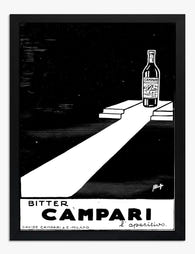
Lámina Campari retro chic
Translation missing: es.products.product.sale_price Desde £11.95£19.95 -

Lienzo retro de la colección Retro Charm
Translation missing: es.products.product.sale_price Desde £44.95£74.95 -

Lámina de arte pop con discos de vinilo retro
Translation missing: es.products.product.sale_price Desde £11.95£19.95 -

Lámina carrera ciclista vintage
Translation missing: es.products.product.sale_price Desde £11.95£19.95 -

Lámina de rosa estilo vintage japonés
Translation missing: es.products.product.sale_price Desde £11.95£19.95 -

Lámina discos de vinilo retro
Translation missing: es.products.product.sale_price Desde £11.95£19.95 -

Lámina Campari retro en blanco y negro
Translation missing: es.products.product.sale_price Desde £11.95£19.95 -

Lámina disco de vinilo retro en blanco y negro
Translation missing: es.products.product.sale_price Desde £11.95£19.95 -

Lámina bicicleta vintage de madera
Translation missing: es.products.product.sale_price Desde £11.95£19.95 -

Lámina bicicleta azul retro Le Vélo
Translation missing: es.products.product.sale_price Desde £11.95£19.95 -

Lámina flores de jardín vintage
Translation missing: es.products.product.sale_price Desde £11.95£19.95 -

Lámina etiquetas de sardinas antiguas
Translation missing: es.products.product.sale_price Desde £11.95£19.95


Más de The Frame

Building a William Morris Gallery Wall: Layouts...
Gallery walls go wrong when people guess. With William Morris prints, where every design is already busy with leaves, vines and birds, guessing gets expensive. This guide gives you specific...

Arts and Crafts Botanical Art: Why Morris's Lea...
Trends in wall art now turn over faster than ever. A pattern goes viral in spring, floods every feed by summer, and looks dated by Christmas. Morris's leaf designs, drawn...

William Morris Patterns Explained: What Each Ga...
If you've ever scrolled through a Morris collection and felt all the patterns blur into one botanical haze, you're not alone. The differences between Honeysuckle, Jasmine and Bower are genuinely...