
 Commandez aujourd'hui, livré le
 Comment accrocher vos Affiches encadrées sans faux pas
The measurements, methods, and small fixes that separate art that looks intentional from art that looks improvised.


Une affiche mal accrochée est rarement une affaire de goût. Le plus souvent, c’est un problème de hauteur, d’espacement ou de quincaillerie — trois points que l’on corrige avec un mètre et dix minutes de préparation. Ce guide part du principe que vos Affiches sont prêtes, et que vous voulez les poser au mur correctement du premier coup.
La règle des 145 cm (57 pouces) et pourquoi elle existe
La règle des 145 cm dit que le centre de votre œuvre doit se trouver à 145 cm du sol. C’est à peu près la hauteur moyenne du regard, et c’est aussi celle utilisée par les galeries et musées. Votre art s’aligne ainsi avec le champ de vision naturel : il paraît ancré dans la pièce, au lieu de « flotter » vers le plafond.
L’erreur la plus courante : accrocher trop haut. On a tendance à viser le haut du mur parce que l’espace au-dessus du canapé semble vide, mais on déconnecte alors l’œuvre du reste de la pièce. S’il ne vous reste qu’un seul chiffre en tête, retenez 145 cm au centre.
Exemple chiffré. Vous avez une Affiche encadrée de 60 × 80 cm, en format portrait. Le centre se situe à 40 cm du bord supérieur du cadre. Vous souhaitez ce centre à 145 cm : le haut du cadre devra donc être à 145 + 40 = 185 cm du sol.
Il reste une variable : la fixation au dos. La plupart des cadres se suspendent par un câble ou des anneaux en D placés quelques centimètres sous le bord supérieur. Câble tendu, il peut se trouver à 5 cm sous le haut du cadre. Votre clou ou crochet doit donc être à 185 − 5 = 180 cm du sol, et non à 185 cm. Tendez toujours le câble, mesurez la « chute » et soustrayez-la.

Au-dessus d’un meuble : l’écart de 15–20 cm qui change tout
La règle des 145 cm connaît une grande exception : au-dessus d’un canapé, d’un buffet/enfilade, d’une console ou d’une tête de lit, c’est le meuble qui prime. Laissez un intervalle de 15 à 20 cm entre le haut du meuble et le bas du cadre.
Pourquoi cela passe avant les 145 cm : l’art doit sembler ancré au meuble, pas flotter au-dessus. Si vous appliquez mécaniquement 145 cm au centre au-dessus d’un buffet haut, l’œuvre finit trop proche du meuble… ou bizarrement détachée. Les 15–20 cm créent une relation visuelle nette, où l’art « appartient » au meuble qu’il surplombe.
Priorité simple : mur nu ? 145 cm au centre. Au-dessus d’un meuble ? 15–20 cm d’écart, et le centre tombe où il tombe. En pratique, cela place souvent le centre légèrement au-dessus de 145 cm au-dessus d’un canapé — et c’est très bien ainsi.
Petit bémol : une petite Affiche au-dessus d’un meuble haut peut, avec cette règle, monter trop haut visuellement. Dans ce cas, changez d’échelle. Un 30 × 40 cm au-dessus d’un canapé paraîtra presque toujours trop petit. Pour les murs de canapé, regardez des grands formats muraux autour de 70 × 100 cm ou plus.
Pièce forte unique ou mur de cadres : choisir la bonne composition
La pièce forte, c’est un grand cadre qui tient la scène à lui seul. Le mur de cadres est un ensemble de formats pensés comme une composition. Les deux fonctionnent très bien ; ils répondent à des besoins différents.
Choisissez une pièce forte si le mur est large, l’ambiance épurée, et que vous voulez un point focal unique. C’est l’option la plus simple à réussir, car il n’y a qu’un seul alignement. Au-dessus d’un canapé ou dans une chambre, une grande pièce unique paraît presque toujours plus aboutie que trois formats moyens.
Choisissez un mur de cadres si le mur est compliqué (étroit, coupé par des portes ou des prises), si vous avez une collection à montrer ensemble, ou pour rythmer une cage d’escalier. Les murs de cadres récompensent la patience et sanctionnent les raccourcis. Si vous n’aimez pas planifier, optez pour la pièce forte.
Une règle utile pour dimensionner une pièce forte : l’œuvre devrait occuper environ les deux tiers de la largeur du meuble en dessous. Un canapé de 200 cm appelle une œuvre d’environ 130 à 150 cm de large — c’est l’intérêt des formats XL en Toile. En dessous de la moitié de la largeur du meuble, l’ensemble paraît timide.
Pour vous inspirer sur ce qui fonctionne au-dessus de l’assise, nos affiches pour le salon brillent lorsqu’elles sont soit audacieuses et singulières, soit réunies en un ensemble cohérent plutôt qu’éparpillées.
Méthode pas à pas pour un mur de cadres (commencez au centre, construisez vers l’extérieur)
L’erreur qui gâche la plupart des murs de cadres : démarrer par un coin et dérouler. On se retrouve déséquilibré et, quand on s’en rend compte, on a déjà percé quatre trous. La solution : commencer par le centre et construire vers l’extérieur.
1. Planifiez au sol
Disposez tous vos cadres au sol devant le mur. Déplacez-les jusqu’à obtenir une composition équilibrée. La pièce la plus grande — ou visuellement la plus « lourde » — se place souvent près du centre, légèrement décalée pour éviter la rigidité. Prenez une photo quand la disposition vous plaît.
2. Faites des gabarits en papier
Reportez chaque cadre sur du papier kraft ou du journal, découpez les formes et étiquetez-les. Indiquez l’emplacement de la fixation sur chaque gabarit (câble tendu, ou position des anneaux en D). C’est l’astuce qui transforme un mur de cadres en processus net plutôt qu’en jeu de devinettes.
3. Scotchez les gabarits au mur
Fixez les gabarits avec un ruban de masquage peu adhésif, en commençant par la pièce centrale. Utilisez un niveau. Reculez, regardez d’en face, ajustez. L’ensemble doit sembler ancré autour de 145 cm pour son centre visuel, avec des écarts de 5 cm entre cadres comme base de départ.
4. Clouez à travers les gabarits
Une fois satisfait, plantez votre clou ou votre crochet directement sur le repère de chaque gabarit. Déchirez le papier. Accrochez les cadres. Parce que vous avez mesuré la chute de chaque fixation sur les gabarits, chaque cadre tombe exactement au bon endroit.
Les 5 cm d’écart font consensus pour les murs de cadres. À moins de 3 cm, cela paraît tassé ; au-delà de 8 cm, la composition se disloque en pièces séparées. Une cale de carton découpée à 5 cm fait un excellent entretoise pendant la pose.

Si vous travaillez avec un ensemble coordonné plutôt qu’avec des cadres dépareillés, nos ensembles muraux vous simplifient la tâche : les proportions sont déjà pensées pour fonctionner ensemble.
Les outils et fixations vraiment utiles (et ce que vous pouvez oublier)
Pas besoin d’une mallette complète. Il vous faut cinq choses.
- Un mètre ruban
- Un crayon à papier
- Un niveau à bulle (une appli niveau sur smartphone dépanne pour les petits cadres ; un vrai niveau est préférable dès 60 cm de large)
- Un marteau ou une petite perceuse
- La fixation adaptée à votre mur (voir ci-dessous)
Épargnez-vous le niveau laser, les gabarits coûteux, les tampons en caoutchouc des kits « débutants ». Ils répondent à des problèmes que vous n’avez pas. Le seul accessoire qui vaut l’achat : un petit lot de pastilles en feutre autocollantes à coller sur les coins inférieurs des cadres pour qu’ils plaquent bien au mur et ne bougent plus.
Les Affiches encadrées arrivent-elles prêtes à être accrochées ?
Oui, si vous les achetez déjà encadrées. Nos Affiches encadrées arrivent avec toute la quincaillerie posée, prêtes à aller au mur. Inutile d’acheter des fixations séparées ou de les monter vous-même.
Au dos d’une Affiche encadrée, on trouve généralement :
- Anneaux en D avec câble : deux anneaux métalliques vissés à l’arrière du cadre, reliés par un câble tendu. On suspend sur un ou deux crochets ; le câble offre un léger auto-nivelage. Le plus courant sur les cadres moyens et grands.
- Attache dentelée (« sawtooth ») : une petite bande métallique crantée au centre du dos du cadre. Elle se pose directement sur un seul clou. Fréquente sur les petits cadres.
- Deux crochets sans câble : certains grands cadres utilisent deux anneaux en D sans câble, suspendus sur deux clous distincts. Plus stable, mais plus exigeant côté alignement.
Connaître votre système change la manière de mesurer. Avec un câble, mesurez la chute câble tendu, pas au repos. Avec une attache dentelée, le point d’accrochage est fixe et facile à relever. Avec deux crochets, mesurez précisément l’entraxe et marquez les deux points au mur : le niveau à bulle devient indispensable.
Accrocher sur des murs « difficiles » : placoplâtre, brique, béton et cimaises
Le mur compte autant que la mesure.
Placoplâtre (BA13)
La majorité des cloisons modernes. Pour des cadres de moins de 5 kg, un crochet à tableau avec petit clou planté en biais dans le placo suffit. Au-delà, utilisez des chevilles spéciales plaque de plâtre (plastique à visser) ou des chevilles métalliques autoperceuses type Molly. Un simple clou dans le placo nu finira par s’arracher sous le poids.
Brique et maçonnerie
Murs anciens et nombreux murs extérieurs. Il vous faut une perceuse avec foret à maçonnerie, une cheville et une vis. Percez doucement, enfoncez la cheville affleurante, vissez le crochet ou la patte. C’est un peu plus d’effort, mais cela tient pratiquement tout ce que vous accrocherez.
Béton
Même principe que la brique, en plus dur. Utilisez un perforateur si vous en avez un, et évitez de forcer avec un foret standard. Prenez des chevilles adaptées au béton.
Cimaises
Si votre logement ancien possède des cimaises en haut de mur, profitez-en. Les crochets de cimaise se posent par-dessus, et vous suspendez les cadres à des fils ou cordelettes. Pas de perçage, pas de traces, et vous réorganisez à volonté. Idéal aussi en location.
Location et options sans trous
Les bandes adhésives conviennent pour des cadres jusqu’à environ 2–3 kg, ce qui couvre la plupart des formats A3 et plus petits. Respectez la charge indiquée sur l’emballage. Surchargées, elles lâchent — et sans prévenir.

Réglages express pour erreurs fréquentes (trop haut, trop écarté, de travers)
Vous avez accroché. Quelque chose cloche. Voici comment diagnostiquer et corriger sans tout repercer.
Trop haut (effet flottant)
L’erreur n° 1. L’œuvre semble dériver vers le plafond, déconnectée de la pièce. Reculez et regardez : si le bas du cadre est nettement au-dessus de votre regard en position assise, c’est trop haut.
Correction : baissez par paliers de 10–15 cm jusqu’à ce que l’ensemble paraisse ancré. Au-dessus d’un canapé, contrôlez l’écart : s’il dépasse 25 cm depuis le dossier, descendez le cadre.
Trop écarté (mur de cadres décousu)
Vous avez accroché quatre cadres, et ils ressemblent à quatre décisions séparées, pas à une composition. Les écarts dépassent sans doute 8 cm.
Correction : identifiez les deux cadres les plus éloignés et rapprochez-en un. Inutile de tout reprendre : déplacez seulement les éléments « hors cadre ». Visez 5 cm d’écart : la composition se resserre aussitôt.
De travers
Ce que tous vos invités verront, et que personne ne dira. Les cadres suspendus par câble se mettent facilement de biais, le câble glissant sur le crochet.
Correction : collez une petite pastille de feutre ou un peu de pâte de fixation (type museum putty) sur chaque coin inférieur au dos du cadre. Cela adhère au mur et empêche la rotation. Pour les cadres sur deux crochets, vérifiez au niveau que les deux clous sont exactement à la même hauteur. Un écart de 2 mm sur 60 cm se voit nettement.
Décalé par rapport au meuble
L’accrochage est bon, mais il n’est pas centré sur le canapé ou l’enfilade. C’est toujours plus visible qu’on ne le croit.
Correction : mesurez le meuble, trouvez son milieu, marquez-le au mur d’un léger trait de crayon. Déplacez l’œuvre pour aligner son centre sur ce repère. Si le meuble est placé de façon asymétrique dans la pièce (contre un angle, près d’une porte), centrez l’art sur le meuble, pas sur le mur.
Bien accrocher, puis n’y plus penser
Accrochez à 145 cm au centre sur les murs nus. Laissez 15–20 cm au-dessus des meubles. Espacez de 5 cm vos murs de cadres et commencez par le centre. Choisissez la fixation adaptée à votre type de mur. Vous tenez l’essentiel.
Le reste tient aux détails qui font passer un accrochage d’« approximatif » à « intentionnel » : tendre le câble avant de mesurer, mettre chaque cadre parfaitement de niveau, poser des patins en feutre pour éviter les dérives. Dix minutes d’attention en plus font la différence entre un accrochage qui s’oublie et un accrochage que l’on remarque… pour les mauvaises raisons.


Produits Fab présentés dans cet article
-

Affiche règles de salle de bain classique en noir et blanc
Prix promotionnel À partir de €14,95€24,95 -

Affiche portrait femme aux rayures colorées
Prix promotionnel À partir de €14,95€24,95 -
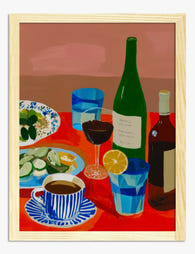
Affiche table rouge et conviviale
Prix promotionnel À partir de €14,95€24,95 -
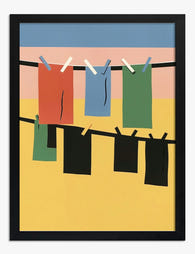
Affiche vêtements colorés sur corde à linge
Prix promotionnel À partir de €14,95€24,95 -

Affiche moment de lecture cocooning sur canapé
Prix promotionnel À partir de €16,95€23,95 -
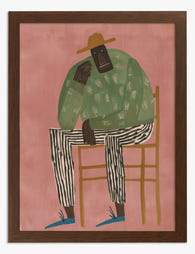
Affiche portrait à rayures
Prix promotionnel À partir de €14,95€24,95 -

Affiche règles de cuisine noir et blanc
Prix promotionnel À partir de €14,95€24,95 -

Affiche refuge chaleureux inspirée de Matisse
Prix promotionnel À partir de €14,95€24,95 -

Affiche portrait moderne à rayures
Prix promotionnel À partir de €16,95€23,95 -

Affiche élégance à rayures
Prix promotionnel À partir de €14,95€24,95 -

Affiche son histoire, ses règles à elle
Prix promotionnel À partir de €14,95€24,95 -

Toile géométrique Bauhaus bleu et blanc
Prix promotionnel À partir de €54,95€91,95 -
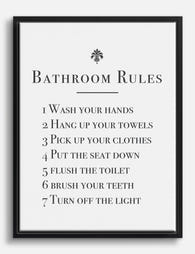
Toile rappels élégants pour la salle de bain
Prix promotionnel À partir de €54,95€91,95 -

Affiche minimaliste noir et blanc équilibre et grâce
Prix promotionnel À partir de €14,95€24,95 -

Affiche table conviviale
Prix promotionnel À partir de €16,95€23,95 -

Affiche librairie vintage chaleureuse
Prix promotionnel À partir de €14,95€24,95 -

Toile randonneurs en montée noir et blanc
Prix promotionnel À partir de €54,95€91,95 -

Toile portrait à rayures bleu marine et beige
Prix promotionnel À partir de €65,95€93,95 -

Toile défilé de chaises colorées
Prix promotionnel À partir de €65,95€93,95


Plus de The Frame

Au-delà de la cuisine : 5 pièces inattendues où...
L’art du citron souffre d’un problème d’image. Cherchez-le en ligne et vous serez noyé sous les cuisines : pancartes esprit maison de campagne, corbeilles de fruits, torchons à slogans. Pourtant, une...

Affiches de citrons pour la cuisine : où les ac...
Les affiches de citrons se sont discrètement imposées comme le sujet le plus plébiscité pour la cuisine ces dernières années, et ce n’est pas un hasard. Oublions les étagères parfaitement...

Pourquoi les affiches de palmes fonctionnent si...
Les affiches de palmes traînent une réputation injuste. Dites « palmes » et beaucoup imaginent aussitôt des bars tiki, des cartes postales de vacances et des flamants roses flashy. Bien...