
 Commandez aujourd'hui, livré le
 Affiches Amsterdam : idées d’accrochage et compositions qui fonctionnent
Professional gallery techniques applied to canals, bicycles and gabled rooftops, with the measurements that actually matter.


Les affiches d’Amsterdam ont un écueil bien à elles. On en achète trois ou quatre, on les accroche à peu près au bon endroit, et soudain le mur dit moins « appartement européen pensé » que « boutique de souvenirs près de la gare d’Amsterdam-Centraal ». Ce guide corrige le tir avec des mesures, des plans d’accrochage et quelques convictions sur les raisons pour lesquelles la plupart des conseils que vous avez lus sont subtilement à côté.
La règle des deux tiers expliquée (et pourquoi le conseil « à hauteur des yeux » est souvent faux)
La règle des deux tiers est l’unique nombre le plus utile pour l’art mural. Votre œuvre (ou la largeur combinée d’une paire ou d’un ensemble) doit occuper environ les deux tiers de la largeur du meuble en dessous. Ni égal, ni plus étroit que la moitié. Deux tiers.
Petit calcul. Un canapé 3 places standard mesure environ 220 cm de large ; votre affiche ou ensemble devrait donc s’étendre sur 140–150 cm. Une console de 180 cm appelle une œuvre d’environ 120 cm de large. Une enfilade de 90 cm réclame plutôt 60 cm. Voilà pourquoi une seule affiche 30 × 40 cm qui flotte au-dessus d’un grand canapé paraît toujours perdue : elle couvre à peine un cinquième de la largeur.
Passons au mythe de la « hauteur des yeux ». On lit partout que le centre des œuvres doit se situer à 145–152 cm du sol. C’est vrai dans des galeries vides. C’est faux au-dessus d’un meuble. Au-dessus d’un canapé, d’une console ou d’un lit, placez le bord inférieur de l’œuvre à 15–20 cm au-dessus du meuble lui‑même. Ancrez à la pièce de mobilier, pas au sol. Si vous mesurez depuis le sol à chaque fois, vous finirez avec une affiche flottant 40 cm au‑dessus du dossier du canapé, comme expulsée.

Une affiche d’Amsterdam en pièce maîtresse : où et comment l’accrocher
Opter pour une seule pièce maîtresse est la voie la plus nette vers des affiches d’Amsterdam réussies — et, honnêtement, celle que nous recommandons si vous débutez. Une affiche bien choisie, à la bonne échelle, bat toujours quatre pièces moyennes.
Au‑dessus d’un canapé ou d’un lit, voyez grand. Choisissez du 70 × 100 cm encadré, ou 100 × 150 cm si vous optez pour la toile. En‑dessous, au‑dessus d’un 3 places, paraîtra timide. L’orientation doit faire écho au meuble : paysage au‑dessus d’un canapé, portrait au‑dessus d’un fauteuil ou d’une console étroite.
Le sujet compte aussi. Une large vue de canal bordée de maisons à pignons fonctionne magnifiquement à l’horizontale au‑dessus d’un canapé. Un vélo seul appuyé contre un mur de brique, ou un cadrage en contre‑plongée dans une ruelle étroite, se prête au vertical dans les espaces resserrés. Faites correspondre la géométrie de l’affiche à celle de l’espace, puis laissez la règle des deux tiers décider de la taille.
Un avis : évitez le cliché évident du vélo sur un pont si c’est votre seule pièce. Pour une affiche‑statement, il faut du poids. Un canal au petit matin dans la brume, l’illustration graphique d’une maison de canal, ou un détail architectural fort tiendra mieux le mur que la carte postale attendue.
Composer un mur de cadres Amsterdam : mise en page, dimensions et espacement
À partir de trois affiches, beaucoup se perdent. La solution, c’est la structure, et elle repose sur trois règles.
La règle de l’affiche « ancre »
Tout mur de cadres d’Amsterdam a besoin d’une pièce dominante. Visez 50 × 70 cm minimum, et considérez le reste comme la distribution. Sans ancre, l’œil ne sait pas où se poser et le mur lit « album de souvenirs ». Choisissez l’ancre selon la palette existante de la pièce : toits rouge brique si vos tons sont chauds, eau des canaux bleutée si la pièce tire vers le froid, architecture en noir et blanc si vous préférez la neutralité.
Espacement
Laissez 5–7 cm entre les cadres. Plus serré, l’ensemble paraît à l’étroit. Au‑delà de 10 cm, les affiches cessent de se lire comme un tout pour devenir des pièces isolées qui partagent juste un mur. Gardez le même espacement sur tous les côtés pour les compositions symétriques. Pour un accrochage façon salon, même si les formats varient, conservez des écarts horizontaux et verticaux constants.
La règle des deux tiers reste valable
Mesurez l’empreinte totale de votre mur de cadres, pas les affiches une à une. Six pièces disposées dans un rectangle de 180 × 120 cm au‑dessus d’un canapé de 220 cm ? Vous atteignez 80 % de la largeur : légèrement trop. Resserrez ou retirez une pièce.
Côté mise en page, trois formats fonctionnent à coup sûr. Une grille de quatre ou six affiches aux mêmes dimensions (inratable, un brin formel). Un alignement horizontal de trois pièces à la même hauteur (propre, esprit galerie). Un cluster asymétrique autour d’une ancre (plus décontracté, plus délicat à réussir). Si vous hésitez, commencez par la grille. Vous pouvez parcourir des ensembles d’affiches murales si vous préférez éviter les calculs.

Mixer photos et affiches illustrées d’Amsterdam
C’est souvent là que les murs thématiques sur Amsterdam déraillent. La photo de canaux est en général nuancée et tonale : bleus, gris, brique douce. Les affiches illustrées penchent graphiques et saturées : oranges vifs, bleus primaires, aplats. Jetées ensemble au hasard, elles se battent.
La solution : un élément commun. Choisissez‑en un et tenez‑vous‑y.
Couleur partagée. Si vos photos mettent en avant l’eau bleue des canaux, sélectionnez des illustrations où ce même bleu domine. Les styles peuvent diverger tant qu’une couleur se répète. C’est l’option la plus facile.
Catégorie de sujet partagée. Tout architecture, ou tout transport (vélos, trams, bateaux), ou tout scènes de rue. Les différences de style deviennent intéressantes plutôt que chaotiques quand le sujet reste cohérent.
Poids tonal partagé. Soit toutes vos pièces sont contrastées, soit toutes sont douces et délavées. Une affiche vintage très contrastée à côté d’une aquarelle pastel paraîtra toujours dissonante, aussi soigné que soit le cadre.
Notre recette préférée : deux ou trois photographies en noir et blanc, une illustration graphique avec une touche de couleur qui fait écho à un élément de la pièce, un détail architectural. L’illustration devient le point focal précisément parce que c’est la seule pièce saturée. Parcourez nos affiches photo si vous construisez d’abord l’ossature photographique.
Cohérence des cadres : pourquoi des cadres assortis unifient des œuvres disparates
À retenir avant tout : des cadres assortis sont le levier le plus puissant pour transformer un ensemble varié d’affiches d’Amsterdam en collection maîtrisée.
Mélangez librement les sujets. Mélangez les époques (affiches de voyage vintage à côté de photos contemporaines). Mixez illustration et photographie. Mais utilisez une même finition de cadre pour tout le mur, et l’ensemble lira « collection ». Trois finitions différentes pour six affiches ? On lira « vrac rapporté de vacances ».
Trois finitions fonctionnent particulièrement bien pour Amsterdam. Le noir, graphique, qui sied aux photos contrastées et aux illustrations audacieuses. Le chêne naturel, plus chaleureux et doux, idéal si votre pièce intègre déjà du bois ou si vous aimez la tradition néerlandaise des matériaux sobres. Le blanc, le plus net et moderne, qui fait ressortir les affiches illustrées colorées.
Choisissez. Et tenez la ligne sur tout le mur. C’est aussi pourquoi nous vous orientons vers des affiches encadrées prêtes à accrocher, livrées déjà montées correctement, plutôt que d’acheter des cadres séparément et tenter d’assortir des finitions de sources différentes. Le désastre le plus courant : six cadres « noirs »… de six noirs légèrement différents.
Un mot sur les matériaux. Les cadres en bois massif gardent leur finition et restent d’équerre. L’alternative économique, le MDF habillé d’un décor imprimé, s’ébrèche aux angles et le « veinage » fait plastique de près. Si vous investissez dans un mur de cadres que vous garderez des années, la qualité du cadre compte autant que l’affiche.

Le couloir, l’astuce sous‑estimée : exploiter les formats étroits d’Amsterdam
Les couloirs sont les murs les plus sous‑exploités de la maison, et les affiches d’Amsterdam leur vont étonnamment bien. La raison est géométrique. Amsterdam est verticale : hautes maisons de canal, ruelles fines, silhouettes de vélos dressées sur la brique. Ces compositions se traduisent parfaitement sur les longs murs étroits d’un couloir.
Quelques règles pour les couloirs.
Misez sur le vertical, pas l’horizontal. Un format portrait en 30 × 40 cm ou 50 × 70 cm fonctionne bien mieux dans un passage qu’un panorama de canal. Gardez les panoramas pour le dessus du canapé.
Alignez en rang à la même hauteur. Dans un couloir, l’angle de vue est toujours oblique, car on passe devant ; une ligne horizontale nette, au centre des cadres, se lit parfaitement. Visez des centres autour de 150 cm.
Comptez 3–4 pièces minimum. Une seule affiche dans un long couloir paraît esseulée. Trois ou quatre, espacées régulièrement, transforment le passage en promenade.
Choisissez des sujets serrés. Un gros plan de roue de vélo, une fenêtre avec volets, un détail de pignon. Les vues larges se perdent dans les espaces étroits parce qu’on ne peut pas assez reculer. La même logique s’applique aux autres affiches de villes si vous mixez les destinations.
Erreurs d’accrochage courantes et comment les éviter
Une courte liste des erreurs les plus fréquentes — et leurs correctifs.
Accrocher trop haut. De très loin la plus répandue. On traite ses souvenirs de voyage comme de l’art de galerie et on les accroche « hauteur musée » quel que soit le meuble. Ancrez à ce dernier : 15–20 cm au‑dessus du dossier du canapé, de la console ou de la tête de lit.
Trop de finitions de cadre. Déjà dit, mais à répéter. Une seule finition sur tout le mur. Si vous devez mixer, faites‑le avec au moins trois cadres identiques et un accent, pas du deux‑deux.
Sous‑dimensionner. Une affiche 30 × 40 cm au‑dessus d’un canapé 3 places semblera toujours insuffisante. Si le budget n’autorise que des petits formats, composez un ensemble plutôt que d’isoler une petite pièce.
Le test de l’aéroport de Schiphol. Avant de fixer, posez‑vous trois questions. Y a‑t‑il de la variété dans les sujets ? (Pas que des vélos, pas que des canaux.) Mélangez‑vous plans serrés et vues plus larges ? Quelque chose dans l’ensemble casse‑t‑il le cliché touristique évident ? Si, honnêtement, la réponse est non trois fois, remplacez une affiche.
Compositions identiques. Trois vues de canal prises sous le même angle, avec des rangées de maisons fuyant vers le fond, feront doublon. Variez le cadrage : une large, une moyenne, un détail serré.
Oublier la pièce. L’inspiration « déco Amsterdam » montre souvent les affiches isolées ; chez vous, elles dialoguent avec un canapé précis, une lampe précise, une couleur de plafond précise. Prélevez une couleur des affiches dans un coussin ou un plaid, et le mur cesse d’avoir l’air d’un projet séparé : il s’intègre.
Encadrements bas de gamme qui vrillent. Affiches gondolées, cadres fendus aux angles, vitrage rayé au transport. Le remède : choisir des affiches encadrées, bien montées en bois massif et expédiées prêtes à accrocher, en un seul ensemble. Cela paraît évident. Ce n’est pas la norme.

Par où commencer
Si tout cela vous paraît beaucoup, commencez par le plus simple. Choisissez une affiche ancre en 70 × 100 cm, encadrez‑la en noir ou en chêne naturel, et accrochez‑la à 18 cm au‑dessus de votre canapé. Vivez avec pendant quinze jours. Puis ajoutez une deuxième pièce, puis une troisième, en gardant la même finition de cadre et un espacement de 6 cm. Un grand mur Amsterdam se construit presque toujours pas à pas, une pièce choisie avec soin après l’autre, plutôt que commandé d’un coup puis monté dans la précipitation.

Produits Fab présentés dans cet article
-
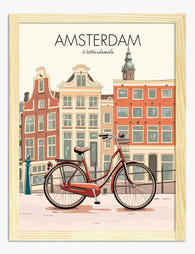
Affiche Amsterdam, vélo et maisons des canaux
Prix promotionnel À partir de €14,95€24,95 -

Toile charme urbain d'Amsterdam
Prix promotionnel À partir de €54,95€91,95 -

Toile charme d'Amsterdam
Prix promotionnel À partir de €54,95€91,95 -

Affiche reflets d'Amsterdam
Prix promotionnel À partir de €14,95€24,95 -
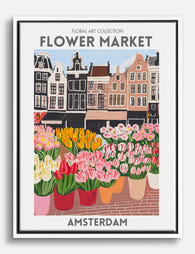
Toile marché aux fleurs d'Amsterdam
Prix promotionnel À partir de €54,95€91,95 -

Affiche reflets des canaux d’Amsterdam
Prix promotionnel À partir de €14,95€24,95 -

Affiche charme d'Amsterdam
Prix promotionnel À partir de €14,95€24,95 -

Affiche maisons colorées d'Amsterdam
Prix promotionnel À partir de €14,95€24,95 -
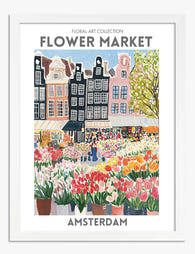
Affiche tulipes du marché aux fleurs d'Amsterdam
Prix promotionnel À partir de €14,95€24,95 -

Toile champ de tulipes et silhouette d'Amsterdam
Prix promotionnel À partir de €54,95€91,95 -

Toile charme d'Amsterdam
Prix promotionnel À partir de €54,95€91,95 -

Affiche charme des tulipes d'Amsterdam
Prix promotionnel À partir de €14,95€24,95 -

Toile reflets d'Amsterdam
Prix promotionnel À partir de €54,95€91,95 -

Affiche paysage urbain d'Amsterdam
Prix promotionnel À partir de €14,95€24,95 -
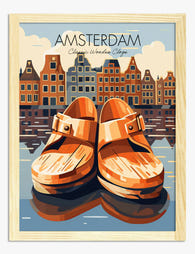
Affiche reflets d’Amsterdam
Prix promotionnel À partir de €14,95€24,95 -
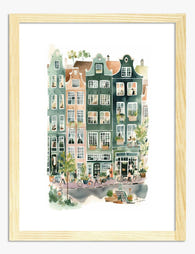
Affiche façades pittoresques d'Amsterdam
Prix promotionnel À partir de €14,95€24,95 -

Toile charme des canaux d’Amsterdam
Prix promotionnel À partir de €54,95€91,95 -

Affiche charme des maisons de canal d'Amsterdam
Prix promotionnel À partir de €14,95€24,95 -

Affiche marché aux fleurs d'Amsterdam
Prix promotionnel À partir de €14,95€24,95 -

Toile charme des canaux d’Amsterdam
Prix promotionnel À partir de €54,95€91,95


Plus de The Frame

L’erreur n°1 avec l’art mural sur les chiens — ...
La plus grande erreur avec l’art mural autour des chiens, c’est d’en faire une catégorie à part. Vous ne consacreriez pas un mur entier aux « portraits d’humains » ou...

Le guide complet pour créer une galerie murale ...
Une galerie murale de chats se joue dans sa mécanique, pas dans son sujet. Des cadres assortis, un espacement précis et une pièce maîtresse bien choisie feront davantage pour votre...

Galerie murale d’oiseaux en 6 cadres : nos ense...
Six, c’est le juste milieu pour une galerie murale d’oiseaux. Assez de cadres pour une composition réfléchie et présente, pas trop pour pouvoir tout accrocher en une après-midi sans s’arracher...