
 Beställ idag, leverans senast
 Varför nostalgiska konsttryck träffar djupare än statement-konst
Why the quiet print of a corner shop will outlast the loud abstract every time.


Det djärva abstrakta du köpte för arton månader sedan. Tittar du faktiskt på det fortfarande, eller har det blivit till tapet? De flesta 'statement'-verk har kortare hållbarhet än en krukväxt, och det finns en anledning till att trycken människor behåller i decennier brukar vara tystare, mjukare och mer känslomässigt specifika.
Det här är ett försvar för nostalgiska konsttryck framför det högljudda. Inte som stilkategori utan som formgivningsprincip.
Problemet med 'statement'-konst: det djärva bleknar, det stillsamma består
Statement-konst är gjord för en sak: att bli sedd. Stora former, mättade paletter, överdimensionerad typografi, något som annonserar sig självt i samma ögonblick du kliver in. Det fungerar briljant på en showroom-vägg och ännu bättre på Instagram.
Problemet är att det där anslaget landar bara en gång. Efter tredje veckan slutar ögonen registrera det. Efter sex månader möblerar du rummet mentalt runt det. Efter ett år letar du tyst efter ersättare.
Vi har sett den här cykeln hos kunder som kommer tillbaka för sin andra och tredje tavla. Det djärva abstrakta var impulsköpet. Trycket de köpte sedan, det de fortsätter att köpa varianter av, är nästan alltid stillsammare. En kustscen. En nött bok. Ett köksfönster i eftermiddagsljus. Konst som inte ropar eftersom den inte behöver.
Det är inget fel på att göra ett statement. Men statement blir gamla. Känslor gör det inte.

Varför nostalgi är den mest pålitliga känslan i inredning
Inredningstrender rör sig i ungefär tvåårscykler. Salviagrönt, sedan terrakotta, sedan krom, sedan svamptoner. Det du köpte på trendens topp känns ofta smått pinsamt när nästa våg kommer.
Nostalgi följer ingen cykel eftersom det inte är en trend. Det är en känslomässig reaktion. Hjärnan tröttnar inte på att känna sig tröstad på samma sätt som den tröttnar på att stirra på en färg.
Det är därför nostalgiska konsttryck håller genom renoveringar, flyttar och hela livsfaser. Verket som påminde dig om mormors hall när du var 28 kommer att göra det även när du är 45. Det neonrosa Bauhaus-trycket du köpte samma år följer troligen inte med vid andra flytten.
Formgivare vet det här. De verk som går i arv, de som överlever dödsbon och hamnar på någon annans vägg, är nästan aldrig de högljuddaste i rummet. Det är de med känslan inbakad.
Därför fungerar ett nostalgiskt tryck: vardagliga motiv, ovanligt stark känsla
Här är det många missar: nostalgisk konst handlar sällan om stora ämnen. Den handlar om vardagliga scener återgivna så att du känner något specifikt.
En kaffekopp på ett träbord. Ett par stövlar vid en groventré. En skål med citroner. En cykel som lutar mot en stenmur. Inget av detta är dramatiskt. Allt kan, när det görs väl, få dig att stanna upp.
De visuella beståndsdelarna brukar vara desamma:
- Välbekanta motiv: föremål, rum eller scener du känner igen från verkligheten snarare än från en moodboard
- Mjuk fokus eller målerisk behandling: kanter som känns lätt ihågkomna snarare än knivskarpt fotograferade
- Vintage- eller dämpade paletter: varma ockror, blekta blå, dammiga rosa – färgerna som minnet brukar lägga på gammalt filmat material
- Tyst komposition: en eller två fokuspunkter, gott om andrum, inget visuellt ropande
- Ofullkomlighet: lätt korn, mjukade linjer, antydan om något handgjort
Motsatsen till allt detta – hypersaturerat, perfekt symmetriskt, grafiskt djärvt – kan vara vackert. Men det uppfattas oftare som dekoration än som minne.
Här är det också värt att dra en gräns mellan nostalgiskt och sentimentalt. Sentimental konst talar om exakt hur du ska känna och lägger känslan på ytan, ofta i skrivstil. Nostalgisk konst lämnar utrymme för att du ska fylla i din egen känsla. Det ena åldras väl. Det andra blir 2027 års 'Live Laugh Love'.
Så funkar det: varför välbekanta motiv skapar trygghet hemma
Nostalgi sågs en gång som ett medicinskt tillstånd. Läkare på 1600-talet diagnosticerade det hos hemlängtande soldater. Under större delen av modern tid betraktades det som något nära depression.
Det ändrades till stor del tack vare forskning ledd av Constantine Sedikides och hans team vid University of Southampton, som omtolkade nostalgi som en psykologiskt användbar känsla. Deras forskning har kopplat nostalgiska återblickar till förbättrat humör, ökad självkänsla, starkare känslor av social samhörighet och en större känsla av mening i livet. Nostalgi, visar det sig, är något hjärnan söker sig till när den vill ha tröst.
Vilket är precis vad du vill få från ditt hem.
Väggarna du lever med är ingen gallerivägg. De är den visuella miljö som ditt nervsystem marineras i varje kväll. Konst som tyst puffar dig mot känslor av tillhörighet, värme och kontinuitet gör något genuint användbart – inte bara dekorativt.
Detta förklarar också varför många beskriver ett bra nostalgiskt tryck som 'lugnande' utan att kunna säga varför. Bilden gör inget dramatiskt. Den triggar en lågintensiv känsloreaktion som hjärnan kopplar till trygghet.

Barndomsnostalgi i konsttryck: personligt kontra kollektivt minne
All nostalgi fungerar inte likadant, och skillnaden spelar roll när du väljer var du ska hänga den.
Personlig nostalgi är specifik för dig. Den exakta nyansen på din mormors kökskakel. Den specifika bilmodell din pappa körde. En kuststad bara du har varit i. De här verken träffar hårdast för den som levt minnet och kan kännas något otydliga för alla andra.
Kollektiv nostalgi är delad. Gott-och-blandat i burkar. En röd telefonkiosk. Ett stationskafé. En sommar på en brittisk kust som miljoner minns ungefär likadant. De här verken fungerar eftersom minnet känns igen över en generation.
Båda är giltiga. De passar bara i olika rum.
Kollektiv nostalgi fungerar oftast bättre i gemensamma ytor, vardagsrum, hallar, kök, där gäster ser den. Den delade referensen skapar en liten stund av samhörighet. Personlig nostalgi fungerar bättre i privata rum, sovrum, hemmakontor, myshörnor, där publiken är du och de som redan kan dina berättelser.
Många vintage-konsttryck hamnar någonstans på den här skalan. De starkaste lyckas vara tillräckligt specifika för att kännas äkta och tillräckligt universella för att bjuda in vem som helst.
Så väljer du ett nostalgiskt tryck du fortfarande älskar om fem år
Det svåra är inte att hitta nostalgisk konst. Det är att välja verk som fortsätter fungera långt efter den första känslokicken.
Här är ramen vi använder i grova drag.
Börja med känslan, inte rummet
Börja inte med 'Jag behöver något för tomrummet ovanför skänken'. Börja med känslan du vill att väggen ska ge dig när du går förbi en tisdag kväll. Lugn? Vemod? Mys? Nyfikenhet? Briefen blir mycket enklare därifrån.
Gör 'tråkiga samtalet'-testet
Föreställ dig att du blivit fast i ett hörn på en fest av någon som i detalj berättar om sin vindsvåningsrenovering. Du sneglar på konsten på väggen bakom. Om du uppriktigt hellre fortsätter titta på trycket än att återgå till samtalet har det uthållighet. Om trycket bara är bakgrundsbrus förtjänar det inte sin plats.
Kolla färgtemperaturen
Nostalgiska paletter tenderar att dra åt varmt och lätt avmättat. De känns som minne, det vill säga lite urblekta. Om ett verk skriker av färgmättnad kan det vara ett fantastiskt tryck, men troligen inte ett nostalgiskt. Det diskvalificerar det inte. Det betyder bara att det beter sig annorlunda på din vägg över tid.
Fråga om det överlever trendkyrkogården
Om varje visuellt element i verket kunde ha funnits i en tidning från 1972, 1992 eller nu, gör det sannolikt något tidlöst. Om det lutar tungt mot en nuvarande visuell trend (specifik typografi, aktuella Pantone-årets paletter, hyperstyliserade digitaleffekter), räkna med kortare livslängd.
Var ärlig med skillnaden mellan 'jag älskar det här' och 'det skulle se bra ut i mitt flöde'
Båda är giltiga skäl att köpa konst. De är bara olika. Instagram-verket byts ofta ut. Verket du verkligen älskar följer oftast med när du flyttar.
Ta inramningen på allvar
Här faller många nostalgiska tryck. En vackert vald bild i en skev ram, eller ett tryck som levereras separat från ramen och inte passar ordentligt, saboterar hela känslan. Vi ramar våra tryck i massivt FSC-certifierat trä (ingen MDF, ingen faner), använder UV-skyddande akrylglas i stället för glas för att motverka blekning och minska vikten, och skickar tryck och ram tillsammans i en låda, korrekt monterade och klara att hänga. Ramen ska försvinna så att bilden får göra jobbet.

När statement-konst fortfarande vinner
För att vara rättvis mot det högljudda: det finns rum där ett stillsamt nostalgiskt tryck faktiskt är fel val.
Kommersiella miljöer, restauranger, kliniker, kontor, behöver ofta konst som registreras snabbt och läses på håll. Maximalistiska interiörer, där vägghängen ska vara en del av en medveten sensorisk crescendo, kan bära upp djärva verk som skulle ta över i ett lugnare rum. Vissa människor gillar genuint att rotera sina väggar vartannat år och ser konst mer som en säsongsgarderob än en lång relation. Allt detta är okej.
Poängen är inte att nostalgisk konst är universellt bättre. Det är att för de flesta, i de flesta hem, ger valet av det som rör dig snarare än det som 'gör ett statement' något som håller.
Våra favoriter: nostalgiska konsttryck som får folk att stanna mitt i meningen
Några kategorier värda att kika på om du ska bygga (eller bygga om) en vägg utifrån känslomässig resonans snarare än visuellt brus.
Kust- och strandscener. Brittiska somrar, blekta strandpromenader, däckstolar, fyrar. Stark kollektiv nostalgi, och de fungerar lika bra i vardagsrum, kök och badrum. Helst i större storlekar (60x80 cm och uppåt) där de kan andas.
Stilleben från hemmet. En fruktskål, en kopp med fat, en vas med trädgårdsblommor, en bokstapel. Tyst, måleriskt, lätt att leva med. Särskilt effektfullt i kök, matsalar och läshörnor. Mindre storlekar fungerar i kluster.
Vintage res- och järnvägsmotiv. Gamla järnvägsaffischer och reseillustrationer har en inbyggd nostalgisk kvalitet eftersom formspråket tillhör en viss era. Bra i hallar och trapphus där de belönar en närmare blick.
Lantliga och pastorala scener. Häckar, skördefält, stenkåkar, lantbruksdjur. De fungerar oavsett om du bott på landet eller inte – vilket avslöjar stark kollektiv nostalgi. Briljanta i väggkonst för vardagsrum-arrangemang tillsammans med mjukare textilier.
Tysta interiörscener. Fönster, dörröppningar, tomma stolar, halvdrukna koppar te. 'Någon har just lämnat rummet'-genren. Några av de mest känslomässigt hållbara verken du kan hänga. Perfekta för sovrum och hemmakontor.
Urblekta blomstermotiv och botaniska studier. Särskilt äldre botaniska illustrationer eller verk återgivna i dämpade, lätt urtvättade paletter. De smiter förbi trendcykeln som fångar mer grafiska blomsterverk.
Om du bläddrar i det större utbudet av konsttryck med det här filtret i bakhuvudet är frågan enkel: gör den här bilden något med mig, eller ser den bara bra ut?

Slutsatsen
Köp konst som betyder något. Inte för att det är det säkrare valet (det är det inte alltid), utan för att känslomässig resonans är den enda designkvalitet som inte tappar i värde. En vägg full av verk du faktiskt känner något för överlever varje trendcykel, varje flytt och varje välmenande vän som föreslår att du ska 'ta i lite mer'. Statementet finns redan där. Det är bara tystare än folk förväntar sig.

Fab-produkter som visas i denna blogg
-
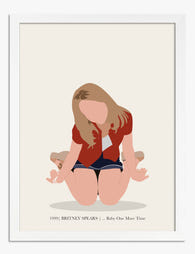
Poster 90-tals popnostalgi
Försäljningspris Från €16,95€23,95 -
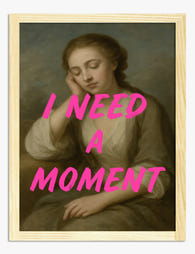
Poster vilsam eftertanke
Försäljningspris Från €16,95€23,95 -

Poster tidlös reflektion
Försäljningspris Från €16,95€23,95 -

Poster meningsfulla relationer
Försäljningspris Från €16,95€23,95 -

Poster eftertänksam ro – kvinnoporträtt i oliv och blått
Försäljningspris Från €16,95€23,95 -

Poster meditativt uttryck i Jawlensky-stil
Försäljningspris Från €16,95€23,95 -

Poster hemkär – röd typografi med hjärta
Försäljningspris Från €16,95€23,95 -

Poster abstrakt stilleben i mjuka neutrala toner
Försäljningspris Från €16,95€23,95 -

Poster eftertänksam i ränder
Försäljningspris Från €16,95€23,95 -

Poster mjuka reflektioner i neutrala och blå toner
Försäljningspris Från €16,95€23,95 -

Canvastavlor porträtt av eftertänksam kvinna bland blommor
Försäljningspris Från €65,95€93,95 -

Canvastavlor musa vid vägg med vintagetallrikar
Försäljningspris Från €65,95€93,95 -

Poster eftertänksam morgonmusa
Försäljningspris Från €16,95€23,95 -

Poster stilleben med skålar i mjuka neutrala nyanser
Försäljningspris Från €16,95€23,95 -

Canvastavlor med Cézanne-citat i handskriven stil
Försäljningspris Från €65,95€93,95 -

Poster van Goghs reflektion
Försäljningspris Från €16,95€23,95 -

Poster själens tillflykt
Försäljningspris Från €16,95€23,95


Mer från The Frame

Våra favoritkonsttryck med Van Goghs trädgårdar...
Varför Van Goghs trädgårdstryck fungerar i modern inredning (inte bara i det traditionella) Det finns en envis föreställning om att Van Goghs trädgårdsmålningar hör hemma i stugkök och i mormors...

Fransk lantlig väggdekor: så får du stilen utan...
De flesta guider till fransk lantlig inredning utgår från att du äger en gård i Provence, har budget för antikviteter och får riva upp köket. Den här gör inte det....

Varför misslyckas de flesta tavelväggar med par...
De flesta tavelväggar misslyckas på papperet, inte på väggen. Man köper printar man älskar, chansar på avstånd, slår i en spik – och hoppas. Den här guiden går igenom de...