
 Beställ idag, leverans senast
 Så inreder du ett hemmabibliotek som känns genomtänkt – inte rörigt
A design intervention for anyone whose books look beautiful but whose room still feels like a showroom.


De flesta hemmabibliotek misslyckas på samma sätt. Hyllorna är fantastiska, ryggarna står prydligt ordnade, och ändå känns rummet märkligt livlöst – mer som en kuliss än en plats där du faktiskt vill sitta i tre timmar med en roman. Problemet är nästan aldrig böckerna. Det är allt runt omkring dem.
Det största hemmabiblioteksmisstaget: att behandla det som en bokhandel, inte som ett rum
En bokhandel är gjord för att visa upp lager. Ett bibliotek är gjort för att levas i. I samma stund du börjar behandla varje yta som en chans att addera mer bokligt innehåll, fler tematiska accessoarer, mer ”det här rummet handlar om läsning”-signalering, har du klivit från genomtänkt till scenografi.
Riktiga bibliotek – den sorten du hittar i gamla hus och välredigerade lägenheter – andas. De har tomma väggar. De har en stol som inte matchar något annat. De har en enda bra lampa som gör det mesta av jobbet. Böckerna bär rummet, och allt annat håller sig ur vägen.
Om du redan gjort det svåra (fixat hyllor, organiserat böckerna, hittat möbler du faktiskt gillar), handlar resten mest om subtraktion. Bestäm vad som ska hållas fritt. Bestäm var blicken ska vila. Lägg sedan till konst och belysning bara där rummet faktiskt behöver det.

Väggar kontra hyllor: så avgör du vilka ytor som får konst och vilka som ska vara fria
I ett bibliotek gör hyllorna redan det väggkonst gör i andra rum: de skapar textur, färg och visuellt intresse. Så regeln skiftar. Du inreder inte väggar – du identifierar de få ytor som behöver en motvikt till all bokryggsdensitet.
Gå in i rummet och hitta det negativa utrymmet. Negativt utrymme är varje vägg, eller väggparti, som inte bär hyllor. Det kan vara väggen mittemot din största bokhylla. Det kan vara en remsa ovanför en dörröppning, partiet bredvid ett fönster eller ytan mellan två platsbyggda sektioner. Det här är dina kandidater.
Eliminera sedan skoningslöst. Varje tom vägg behöver inte konst. Väggen bakom din läsfåtölj fungerar till exempel ofta bättre bar eller sparsamt dekorerad, eftersom blicken behöver någonstans att vila när den lyfter från sidan. Väggen mittemot hyllorna, däremot, ropar ofta efter ett enda starkt verk som balanserar den visuella tyngden.
Ett användbart test: ställ dig i mitten av rummet och kisa. De väggar som läser som för tunga, för röriga eller för symmetriska med hyllorna behöver ingenting. De väggar som läser som platta eller dött tomma är där konsten hör hemma.
När hyllor täcker allt
Om ditt bibliotek faktiskt är från golv till tak på alla väggar har du tre alternativ som inte kräver att du borrar i snickerierna. Häng konst ovanför dörröppningar, där det nästan alltid finns en oanvänd remsa. Luta ett större inramat verk ovanpå en låg bokhylla för att addera höjd utan att göra något permanent. Eller använd bakstyckena på öppna hyllor som minigalleri och stöd mindre tryck mot böckerna.
Det sista greppet är det mest underutnyttjade. Ett inramat tryck i 30×40 cm som vilar på en hylla framför en rad pocketböcker adderar ett lager utan att ta bort något.
Välja litterär väggkonst som kompletterar färgpaletten i din boksamling
Här går de flesta fel. De väljer väggkonst till ett bibliotek utifrån tema (skrivmaskiner, fjäderpennor, uppslagna böcker, vintagekartor) utan att kolla om den faktiskt fungerar med böckerna de äger.
Gå fram till hyllorna och titta på de dominerande ryggfärgerna. Har du mycket Penguin Classics jobbar du med krämvitt, svart och orange. Har du seriösa inbundna samlingar tittar du troligen på djupgrönt, oxblodsrött, marinblått och guldbokstäver. Modern skönlitteratur i storpocket tenderar att vara ljusare och stökigare – knallrosa, gult och syrligt grönt.
Välj konst som plockar ur den befintliga paletten i stället för att konkurrera med den. En botanisk plansch i dämpad salvia och rost sitter vackert mot en vägg av klotband. En stämningsfull arkitekturetsning i sepia och kräm känns självklar bredvid vintageinbundna böcker. Ett modigare abstrakt verk i juveltoner kan fungera tillsammans med samtida fiktion om du låter det dominera en vägg och håller allt annat stilla.
Kollektionen med vintagekonsttryck är en bra start om dina böcker drar åt det klassiska, eftersom tonomfånget (blekta guldtoner, biblioteksgrönt, bläcksvart) utvecklades parallellt med samma epok av bokformgivning.
Färgpalettens paradox
Vad händer om dina favoritböcker har ryggar som verkligen skär sig? Du älskar dem, du läser om dem, men den där skrikgula ryggen slåss med allt. Svaret är inte att vända dem bak och fram (en trend som gärna får dö i tysthet). Det är att ge rummet tillräcklig sammanhållning i övrigt så att en eller två avvikande ryggar läses som personlighet, inte kaos. Stark väggkonst hjälper, eftersom den ger blicken en avsiktlig landningsplats.

Storlek och placering: var du hänger tavlor när varje vägg har hyllor
Instinkten i ett boktungt rum är att gå litet med konsten, i tron att mindre verk känns mindre påträngande. Det är nästan alltid fel. Små tryck utspridda i ett bibliotek ser ut som eftertankar och bidrar till det plottriga uttryck du försöker undvika.
Gå större än vad som känns bekvämt. Ett inramat verk i 70×100 cm på huvudväggen gör mer jobb än fyra A4-tryck utspridda över tre väggar. Skalan signalerar självförtroende och ger ögat en tydlig destination.
För placering bör mitten på verket hamna ungefär 145–150 cm från golvet, vilket är standard i gallerier. I ett bibliotek, där du ofta sitter, kan du sänka detta något till cirka 140 cm så att verket läses naturligt från en läsfåtölj.
Om du vill ha flera verk, behandla dem som en avsiktlig serie snarare än en ackumulation. Ett par tryck som flankerar en dörröppning, eller tre i identisk storlek staplade vertikalt bredvid en hög bokhylla, kommer alltid att läsas som mer kuraterat än en fri tavelvägg som slåss om uppmärksamheten med hyllorna. Utforska set med väggkonst om du vill ha verk som är gjorda för att hänga tillsammans.
Att samspela med arkitekturen
Gamla hus för in listverk, tavelräls, paneler och öppna spisar i ekvationen. Dölj inte dessa detaljer bakom konst. Häng verk så att de sitter bekvämt inom de arkitektoniska indelningarna: ovanför tavelrälsen om det finns en, centrerade inom väggfälten eller ovanför eldstaden på en höjd som respekterar spiselkransen. Arkitekturen gör gratis designjobb åt dig. Använd den.
Ljussätt konsten i biblioteket utan att plana ut rummet
Biblioteksbelysning har två jobb som drar åt motsatta håll. Du behöver varmt, lågt omgivningsljus för läsning och du behöver riktat ljus för konsten. De flesta rum gör fel genom att försöka använda en stark taklampa till allt, vilket plattar till böckerna, blänker i glasade ramar och ger rummet mötesrumskänsla.
Jobba i lager i stället. Börja med lågt omgivningsljus (ett par varma 2700 K-lampor i bords- eller golvlampor nära sittplatser). Lägg sedan till tavelbelysning eller små riktbara spotlights specifikt för konsten. Kontrasten mellan dämpat omgivningsljus och starkare accentljus är det som gör att ett bibliotek känns filmiskt snarare än kliniskt.
Blänk är det praktiska problemet. Vanliga glasfrontade ramar studsar ljus tillbaka mot dig från alla vinklar, vilket är varför vi använder UV-skyddande akrylglas på inramade tryck. Det minskar reflektioner avsevärt och bleker inte trycket även om väggen får direkt sol på eftermiddagen. Om du någon gång har kisat mot ett vackert upplyst verk och bara sett ditt eget tak förstår du varför det spelar roll.
Placera tavelbelysningen så att den faller ned i ungefär 30 grader mot verket. Närmare lodrätt får du hotspots. Längre bort ljussätter du väggen i stället för motivet. Om du använder takspots, vinkla dem mot konsten – inte rakt ned.
När det gäller sittplatser, håll läslampan på motsatt sida av rummet från din huvudvägg med konst så att de två ljuskällorna inte stör varandra. En läslampa riktad mot sidan ska aldrig samtidigt belysa en inramad tavla på andra sidan rummet.

Vanliga fallgropar: svävande hyllor, citatplanscher och den alltför tematiska fällan
En kort lista över sådant som konsekvent puttar ett bibliotek från sofistikerat till utklätt.
Citatplanscher. ”She is too fond of books, and it has turned her brain.” Det är en utmärkt rad. Den behöver inte sitta på din vägg. Typografiska litterära citatplanscher är den snabbaste vägen till att rummet känns som en presentbutik. Om du älskar en särskild rad, skriv in den i början av boken den kommer ifrån.
Svävande hyllor arrangerade som bildhyllor med böcker vända framåt. En eller två gånger i ett rum – fint. Som huvudsaklig inredningsstrategi skriker det stylist. Böcker är gjorda för att stå i hylla, inte visas som skivomslag.
Alltför bokstavliga teman. Gamla skrivmaskiner på varje yta, minijordglober, fejkat läderinbundna rekvisitaböcker, bokstöd formade som Sherlock Holmes. Välj en eller två genuina föremål du faktiskt älskar och rensa bort resten.
Missmatchade litterära referenser. En Moby-Dick-val, en siluett från Stolthet och fördom och en tekopp från Alice i Underlandet i samma rum är inte ”litterärt”. Det är tre olika fanposter som konkurrerar.
Tavelväggar av små tryck. I ett bibliotek konkurrerar de med hyllorna – och förlorar. Ett stort verk gör mer jobb än tolv små.
Grundprincipen: dina böcker säger redan att du älskar böcker. Allt som upprepar budskapet börjar kännas ängsligt.
En enkel formel för ett hemmabibliotek som faktiskt känns som du
Om du vill ha en användbar ram är det den här vi skulle ge en vän.
En fondvägg, ett starkt verk. Identifiera den vägg i rummet med mest negativt utrymme och häng ett stort inramat tryck där. Låt det plocka färger från din boksamling utan att bokstavligen handla om böcker. Botaniskt, arkitektoniskt, abstrakt, landskap. Återhållsamhet läses som smak.
En övergångsyta, ett set eller par. En sekundär yta (ovanför en dörröppning, bredvid ett fönster, mellan hyllsektioner) får ett mindre par eller en trio. Håll inramningen konsekvent med huvudverket.
En vägg lämnas bar. Välj en vägg och lova att inte hänga något där. Det här är din visuella vilopunkt, och rummet blir lugnare av det.
Två ljuslager. Varmt omgivningsljus från lampor nära sittplatser. Riktad accent på konsten. Aldrig en stor takbelysning som försöker göra båda.
Ett personligt objekt som bryter mot reglerna. En udda keramik, en ärvd jordglob, ett tryck som inte riktigt går med något annat. Rummet behöver ett bevis på att en verklig person bor här.
Läsrum eller vardagsrum?
Formeln skiftar lite beroende på vilken typ av bibliotek du bygger. Ett dedikerat läsrum kan luta mörkare, murrigare och mer fokuserat, med konst som känns kontemplativ. Ett bibliotek som är del av ett vardagsrum behöver spela snällt med resten av hemmet, så färgpaletter bör bygga broar mellan rummen snarare än deklarera självständighet.
Om du börjar från noll i konsturvalet är kollektionen med böcker och litterära konsttryck ett självklart ställe att titta – men begränsa dig inte dit. Den bästa bibliotekskonsten är ofta inte boklig alls.

Det viktigaste
Dina böcker är det högsta i rummet – och de ska förbli det. Allt annat (konsten, ljuset, objekten på hyllorna) finns där för att få böckerna att se bättre ut och rummet att kännas mer beboeligt. När du tvekar: ta bort något. Ett bibliotek som andas kommer alltid att kännas mer kuraterat än ett som försöker bevisa något.

Fab-produkter som visas i denna blogg
-

Poster färgstark retrovilla
Försäljningspris Från 185,00 kr264,00 kr -

Canvastavlor mysig bokhörna i vardagsrum
Försäljningspris Från 738,00 kr1 054,00 kr -

Poster mysigt hemmabibliotek med gul soffa
Försäljningspris Från 185,00 kr264,00 kr -

Poster mysigt bibliotek med böcker och blommor
Försäljningspris Från 185,00 kr264,00 kr -

Poster mysig bibliotekshörna
Försäljningspris Från 185,00 kr264,00 kr -

Canvastavlor mysigt hemmabibliotek med gul soffa
Försäljningspris Från 738,00 kr1 054,00 kr -
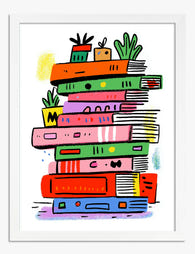
Poster färgglad boktrave med växter
Försäljningspris Från 185,00 kr264,00 kr -

Canvastavlor färgglad bokhylla i grafisk stil
Försäljningspris Från 738,00 kr1 054,00 kr -

Poster ombonat bibliotek
Försäljningspris Från 185,00 kr264,00 kr -
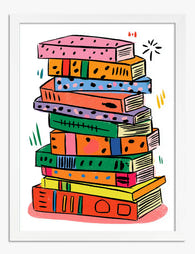
Poster färgstark bokstapel
Försäljningspris Från 185,00 kr264,00 kr -

Canvastavlor mysigt bibliotek med bokhyllor
Försäljningspris Från 738,00 kr1 054,00 kr -

Poster mysig bokhandel i varma toner
Försäljningspris Från 185,00 kr264,00 kr -

Canvastavlor charmig bokhandel i akvarell
Försäljningspris Från 738,00 kr1 054,00 kr -
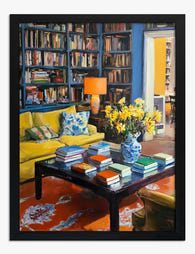
Poster mysig läshörna
Försäljningspris Från 185,00 kr264,00 kr -

Canvastavlor färgglad bokstapel
Försäljningspris Från 738,00 kr1 054,00 kr -

Canvastavlor mysig läshörna i varma toner
Försäljningspris Från 738,00 kr1 054,00 kr -
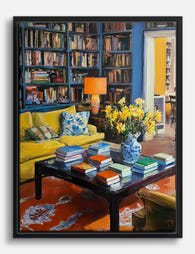
Canvastavlor mysig läshörna
Försäljningspris Från 738,00 kr1 054,00 kr -
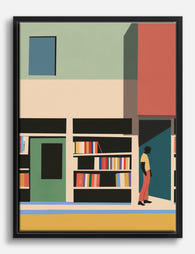
Canvastavlor livfull läshörna
Försäljningspris Från 738,00 kr1 054,00 kr


Mer från The Frame

Bermda Rom-m0e5lningar: fr0e5n Piranesis ruiner...
Sf6ker du p0e5 "famous paintings of Rome" f0e5r du ett sammelsurium: Caravaggior i romerska kyrkor, pompejanska fresker m0e5lade av antikens romare och generiska moderna tryck av Colosseum i solnedg0e5ng. Inget...

Antika romerska fresker förklarade: De fyra sti...
I ungefär tre århundraden täckte förmögna romare sina väggar med målade illusioner: fejkad marmor, fejkade fönster, fejkade trädgårdar, fejkade tempel svävande i luften. När Vesuv begravde Pompeji och Herkulaneum år...

Våra favoritkonsttryck med Van Goghs trädgårdar...
Varför Van Goghs trädgårdstryck fungerar i modern inredning (inte bara i det traditionella) Det finns en envis föreställning om att Van Goghs trädgårdsmålningar hör hemma i stugkök och i mormors...