
 Order today for delivery by
 How to Hang Art on Brick Walls Without Damage Guide


How to Hang Art on Brick Without Damaging Your Walls
Exposed brick looks incredible until you're standing in front of it holding a frame, wondering how you're supposed to hang anything without destroying the wall. It's one of those home decor challenges that stops people in their tracks.
The good news is that brick walls are far more hangable than they appear. Whether you go damage-free with clips and adhesives or commit to drilling, the right approach depends on your art's weight and how permanent you want the setup to be.
Why hanging artwork on brick walls feels intimidating
Hanging art on brick without damage comes down to matching your method to your wall and your art's weight. For lightweight pieces, brick clips and heavy-duty adhesive hooks work without any drilling. For heavier frames, hardwall hangers or drilling into mortar with proper anchors provides a secure hold while keeping marks minimal.
Brick looks permanent, and that's exactly what makes it feel so daunting. Unlike drywall, where you can patch a hole in minutes, brick feels unforgiving. One wrong move and you're staring at a crack that seems impossible to fix.
The texture creates its own challenges too. Brick is porous and uneven, so standard picture hooks won't grip and regular adhesives struggle to stick. But once you understand what actually works on brick, the whole process becomes surprisingly straightforward.
Uneven and porous surfaces
Brick's rough texture means adhesives can't make full contact with the surface. All those tiny holes and bumps reduce holding power significantly.
Porous simply means the brick absorbs moisture and air, which weakens adhesive bonds over time. Standard Command strips often fail on brick because they're designed for smooth, sealed surfaces—not something with the texture of a cobblestone street.
Risk of permanent damage
The fear of cracking brick or leaving visible holes keeps a lot of people from ever hanging anything. It's a valid concern, especially in rentals or historic homes where you want to preserve the original character.
With the right methods, though, you can hang art without leaving any trace. And even when drilling is involved, going into mortar rather than brick makes repairs much simpler down the road.
Difficulty repositioning later
Unlike drywall, you can't just spackle over a mistake and start fresh. Every hole in brick is a commitment, which is why planning your placement matters more here than anywhere else.
This is actually a good reason to start with damage-free methods. You can live with your art placement for a while, make sure you love it, and then decide if you want something more permanent.
Damage-free methods for hanging art on brick
If avoiding damage is your priority, several methods let you hang art confidently without picking up a drill. Each one works differently depending on your brick type and what you're hanging.
Brick clips
Brick clips are small metal hooks that grip the lip of exposed brick—the raised edge where one brick meets the mortar line. They clamp onto that ledge without any tools required.
Brick clips work best on brick with clearly defined edges. If your brick sits flush with the mortar or has rounded edges, clips won't have anything to grab onto. They're ideal for lightweight framed prints under 15 pounds.
Adhesive hooks and strips
Heavy-duty adhesive hooks designed for rough surfaces can work on brick, especially painted or smoother brick. The key is surface prep: wipe down the area thoroughly and let it dry completely before applying.
Adhesive options work better for small to medium pieces. Keep in mind that repositioning is limited—once you remove them, you'll likely need fresh adhesive for the next attempt.
Hardwall hangers
Hardwall hangers offer a clever middle ground. They're small hooks with thin, hardened pins that you tap into mortar joints with a hammer. The pins are fine enough that they leave minimal marks.
Hardwall hangers hold more weight than adhesive options and work well for medium-weight frames. They're not truly damage-free, but the marks they leave are barely noticeable.
Picture rail systems
Picture rails mount once at ceiling height, then let you hang art from adjustable cables or hooks. It's a more involved initial installation, but after that, you can move and swap art endlessly without touching the wall again.
Picture rails are perfect for renters who want flexibility or anyone who likes to restyle their walls seasonally. One-time effort, unlimited creative freedom afterward.
| Method | Best for | Damage level | Repositionable? |
|---|---|---|---|
| Brick clips | Lightweight prints | None | Yes |
| Adhesive hooks | Small to medium art | Minimal | Limited |
| Hardwall hangers | Medium weight frames | Very low | No |
| Picture rail | Gallery walls, frequent changes | One-time install | Yes |
When drilling into brick is worth it
For heavier pieces—large canvas art, oversized frames, or mirrors—drilling gives you the secure hold that other methods can't match. It sounds intimidating, but with the right tools, it's more manageable than you'd expect.
Step 1. Mark your placement
Use painter's tape to mark exactly where you want your art. Hold the frame up or cut a paper template to the same size and tape it to the wall. This lets you visualize the placement before committing to anything permanent.
Step back and look from different angles. Check it from where you'll actually be sitting or standing most often in the room.
Step 2. Choose brick or mortar
Here's a decision that matters: drill into the brick itself or into the mortar between bricks?
- Mortar: Softer, easier to drill, and much simpler to repair if you ever want to fill the hole. Works well for most framed art.
- Brick: Holds more weight but is harder to work with and nearly impossible to patch invisibly. Reserve for very heavy pieces.
For most wall art, mortar is the better choice.
Step 3. Drill with a masonry bit
A masonry bit is a drill bit specifically designed for stone, brick, and concrete. It has a carbide tip that can handle hard materials without overheating.
Drill slowly and steadily. Rushing creates heat that can crack the surrounding material. A drop cloth underneath catches the dust, and there will be plenty of it.
Step 4. Insert wall anchors
Wall anchors are plastic or metal sleeves that expand inside the hole when you drive a screw into them. They prevent the screw from pulling out over time, which is essential for anything with weight.
Match your anchor size to your drill bit size—the packaging will tell you what works together. Tap the anchor in gently until it sits flush with the surface.
Step 5. Hang your art
Screw your hook or bracket into the anchor, then hang your piece. Use a level to make sure everything sits straight—brick's texture can play tricks on your eyes.
Step back and take it in. That exposed brick wall just went from unfinished to intentional.
Tools you need for hanging art on brick
Having the right supplies on hand makes the whole process smoother. Here's what to gather before you start:
For no-drill methods:
- Brick clips or heavy-duty adhesive hooks
- Level
- Painter's tape
- Pencil
- Clean cloth for surface prep
For drilling:
- Masonry drill bit
- Hammer drill or standard drill
- Wall anchors and screws
- Hooks or brackets
- Level
- Drop cloth
- Safety glasses
How to find the perfect height and placement
The standard rule is to hang art so the center sits at eye level—roughly 57 to 60 inches from the floor.
When hanging above furniture like a sofa or console, adjust accordingly. The bottom of the frame typically looks best about 6 to 8 inches above the furniture's top edge.
Before committing, hold the art up and have someone step back to check the placement. What looks right up close often needs adjusting when you see it from across the room.
What art styles look best on brick walls
Brick has so much character on its own—warm tones, interesting texture, that industrial-meets-cozy vibe. The art you choose can either complement that character or create striking contrast against it.
Bold colors and high contrast prints
Brick's earthy reds and browns make vibrant colors pop beautifully. Saturated hues, graphic prints, and black-and-white photography all create striking contrast against that textured backdrop.
Framed prints and canvas art
Frames add a layer of polish that balances brick's raw texture. The clean lines of a well-made frame create a nice tension with the organic irregularity of the wall behind it.
Canvas works particularly well because it's lighter than glass-framed pieces and has its own visual presence. Art that arrives already framed and ready to hang—like pieces from Fab's collection—eliminates the extra step of finding the right frame.
Curated gallery wall sets
Gallery wall sets are especially effective on brick because they transform a single statement wall into a true focal point of the room.
A large brick wall can feel overwhelming to fill, which is where pre-curated sets become incredibly useful. Someone else has already figured out which pieces work together, so you get a cohesive look without the guesswork.
Gallery wall ideas for exposed brick
Brick's texture gives you permission to be a little more eclectic with your arrangements. A few layouts work particularly well:
- Grid layout: Clean rows and columns with matching frames. The geometric precision creates beautiful contrast against brick's organic texture.
- Salon style: An eclectic mix of sizes and orientations clustered together. This approach feels collected over time and complements brick's lived-in character.
- Vertical stack: Three pieces arranged in a column. Perfect for narrow walls or the space between windows.
Starting with a coordinated set makes any of these layouts easier to pull off. You're working with pieces designed to hang together rather than trying to curate from scratch.
Ready to transform your brick wall
Hanging art on brick is simpler than it looks once you know your options. Start with damage-free methods for lighter pieces, and don't be afraid of drilling when you want something more secure.
The right art transforms exposed brick from an architectural feature into a finished, intentional space. That wall that's been sitting empty? It's ready to become the room's best feature.
Explore Fab's collection of framed prints and gallery wall sets—all made to order and ready to hang the moment they arrive.
FAQs about hanging art on brick walls
Will command strips stick to brick?
Standard Command strips struggle on rough brick because they can't make full contact with the uneven surface. Heavy-duty outdoor or extreme-hold adhesives designed for textured surfaces work better, though results vary depending on your specific brick type and texture.
How much weight can brick clips hold?
Brick clips typically hold between 10 and 25 pounds depending on the brand and your brick's edge depth. They're best for lighter pieces like small framed prints. For heavier art, hardwall hangers or drilling with anchors provides more reliable support.
Can I hang a heavy mirror on brick without drilling?
Heavy mirrors generally require drilling with masonry anchors for safety. Adhesive methods aren't reliable enough for substantial weight on vertical surfaces, and the consequences of a falling mirror make it worth doing properly.
How do I remove adhesive residue from brick?
Gently scrape off residue with a plastic scraper, then wipe with a damp cloth. Avoid harsh chemicals that could discolor the brick. For stubborn residue, a bit of rubbing alcohol on a cloth can help without damaging the surface.
Is it better to drill into brick or mortar for hanging art?
For most framed art, drilling into mortar is easier and simpler to repair if you ever want to fill the hole. Mortar is softer and more forgiving to work with. Reserve drilling into brick itself for very heavy pieces that require maximum holding strength.
Fab products featured in this blog
-

Modern Archway Lines Art Print
Translation missing: en.products.product.sale_price From £11.95£19.95 -

Pomegranate Branch Art Print
Translation missing: en.products.product.sale_price From £11.95£19.95 -
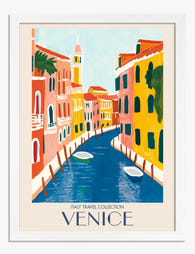
Venetian Canal Charm Art Print
Translation missing: en.products.product.sale_price From £11.95£19.95 -

Minimal Shapes Gallery Wall Art Print Set
Translation missing: en.products.product.sale_price From £49.95£82.95 -
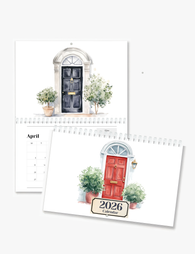
2026 Wall Art Calendar Painted Doors
Translation missing: en.products.product.sale_price From £24.95£39.95 -

Italian Bruschetta Delight Art Print
Translation missing: en.products.product.sale_price From £11.95£19.95 -

Bold Linear Statement Art Print
Translation missing: en.products.product.sale_price From £11.95£19.95 -

2026 Wall Art Calendar - Cute Shops
Translation missing: en.products.product.sale_price From £24.95£39.95


More from The Frame

Going Big: How to Use Large Vintage Sea Art Pri...
A large vintage seascape does something a cluster of small prints never can: it stops you at the doorway. The trick is choosing the right print, hanging it at the...

Why Matching Frames Make Botanical Gallery Wall...
Botanical gallery walls have a higher failure rate than almost any other style. Too many leaf varieties, mismatched frames, and guesswork spacing turn what should feel like a calm indoor...

Why Seafood Art Works in Every Room (Not Just K...
Seafood art has a reputation problem. Mention an octopus print or a vintage lobster illustration and most people picture a fish market, a beachside diner, or someone's nautical-themed bathroom. That...