Solid wood. Professionally framed. Arrives ready to hang.
Make your print ready to hang.
Abstract & Geometric Art
4.8
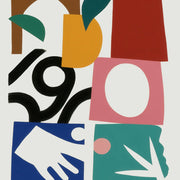
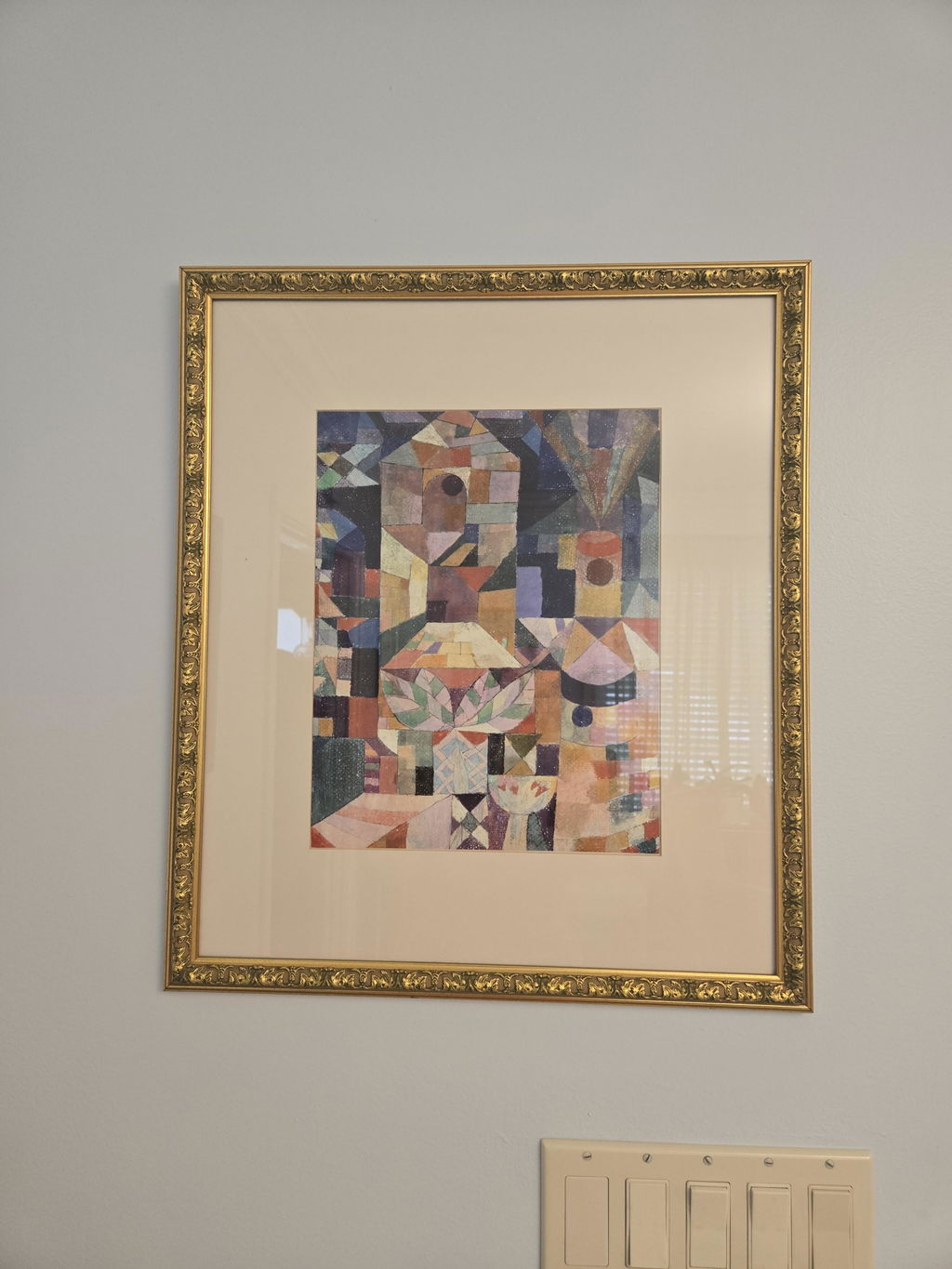
Two instincts run through this collection. One is loose and painterly, poured colour, blurred edges, shapes that suggest rather than state. The other is built from clean lines, circles and repeating angles. If you want the room to stay calm, minimalist abstract art prints keep the palette quiet; for something warmer and more retro, mid-century geometric art prints lean into ochre, rust and teal. Start with the mood your wall is missing.
Absolutely stunning, I ordered 3 prints and have hung 2 in my lounge and 1 in my kitchen and can honestly say they have transformed the rooms. My sister loved them so much she ordered one of them and now has it pride of place. I'm about to order another one for my bedroom because they are so beautiful.
I Googled the Colors I Wanted and Found my Perfect Print
I just moved from a three-bedroom, two story house to a two bedroom ground floor apartment. This is the start of my new life and I want new things in my new place. I stumbled across Fab by Googling, "Print, gold, teal, brown" and they popped up. I found the perfect picture in the perfect orientation with the perfect frame. My anal-retentive brother came over and hung it for me--Perfectly level! It looks perfect. I'm already eyeballing another print for my bedroom that has yet to be decorated. I'll definitely buy from them again.
The colors are vibrant and the quality of the print is excellent. The paper it is printed on is very good quality, too. Will definitely buy more prints from you, I've very impressed with overall.
I was very happy with the quality of the paper the prints were on
I was very happy with the quality of the paper the prints were on. Colors were nice & bright. The only aspect that I was not happy with, was that prints did not have an edge around them. I bought a 11x14 cause mat's opening was that size & I basically had to tape it to the mat. I've never encountered this. You should do better in this area.
recently purchased this print and I couldn't be happier with it. The quality is outstanding — the colors are vibrant, the details are crisp and sharp, and it looks even better in person than in the photos. It arrived quickly and well-packaged, with no creases or damage at all.
The print has brought so much life and personality to my wall. It's beautifully designed and really fibishes the look off.
What Makes Art Feel Mid-Century Modern (and What Just Looks Retro) Mid-century modern refers to a specific window: roughly 1945 to 1969. It's not a vibe. It's a design movement...
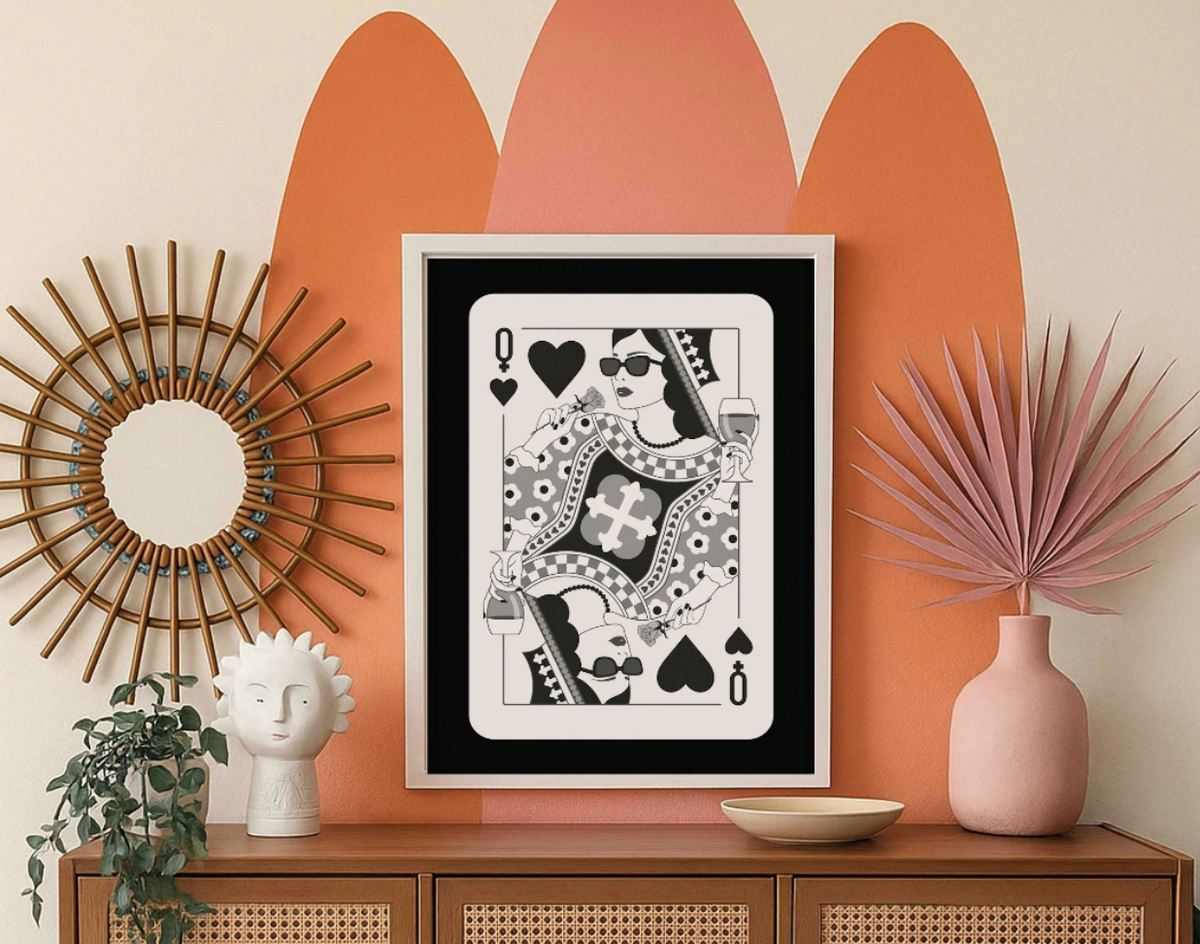
You love the look of black and white art, but you're worried it might make your home feel like a doctor's office. Or maybe you think it's too safe, too...
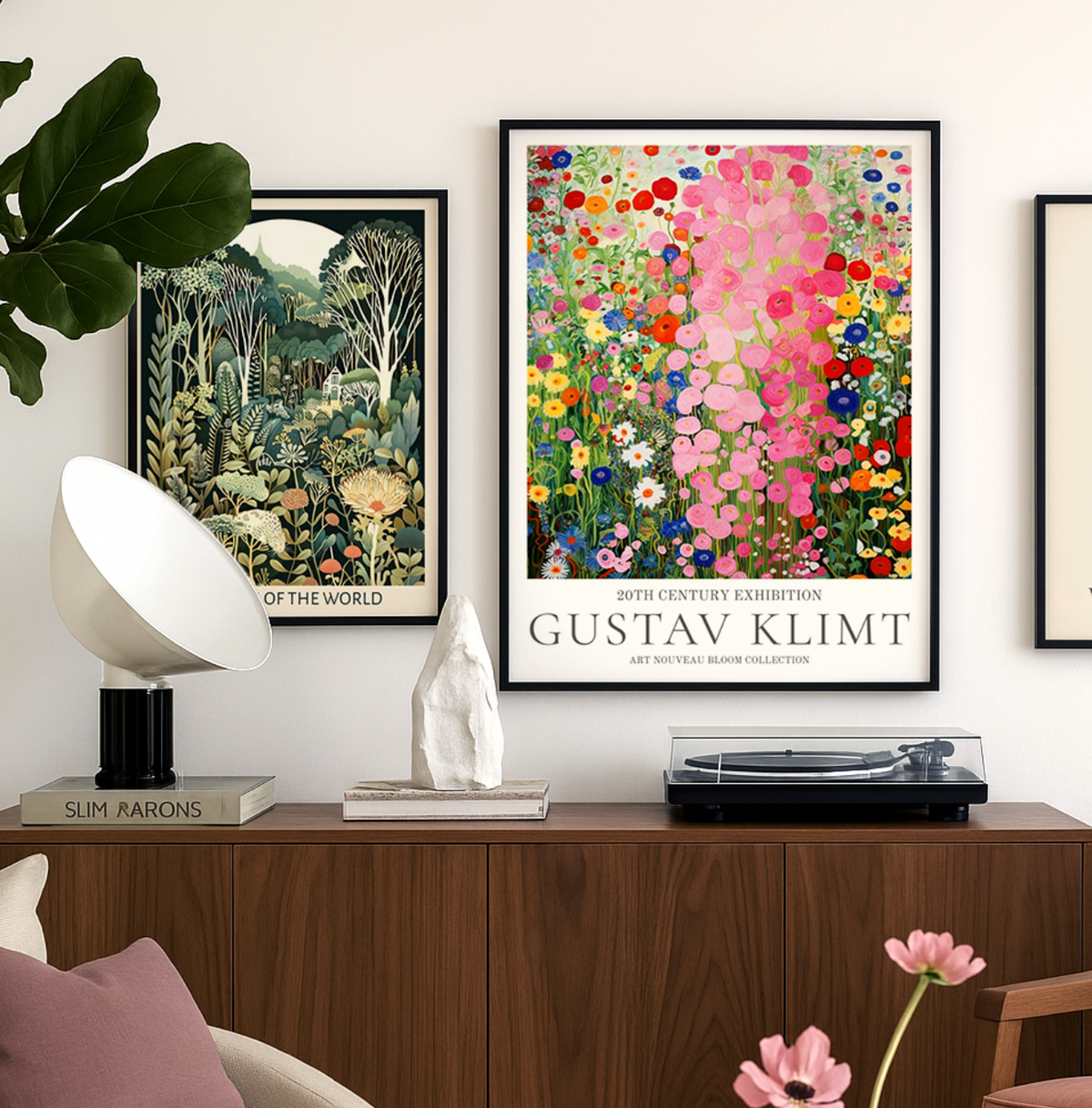
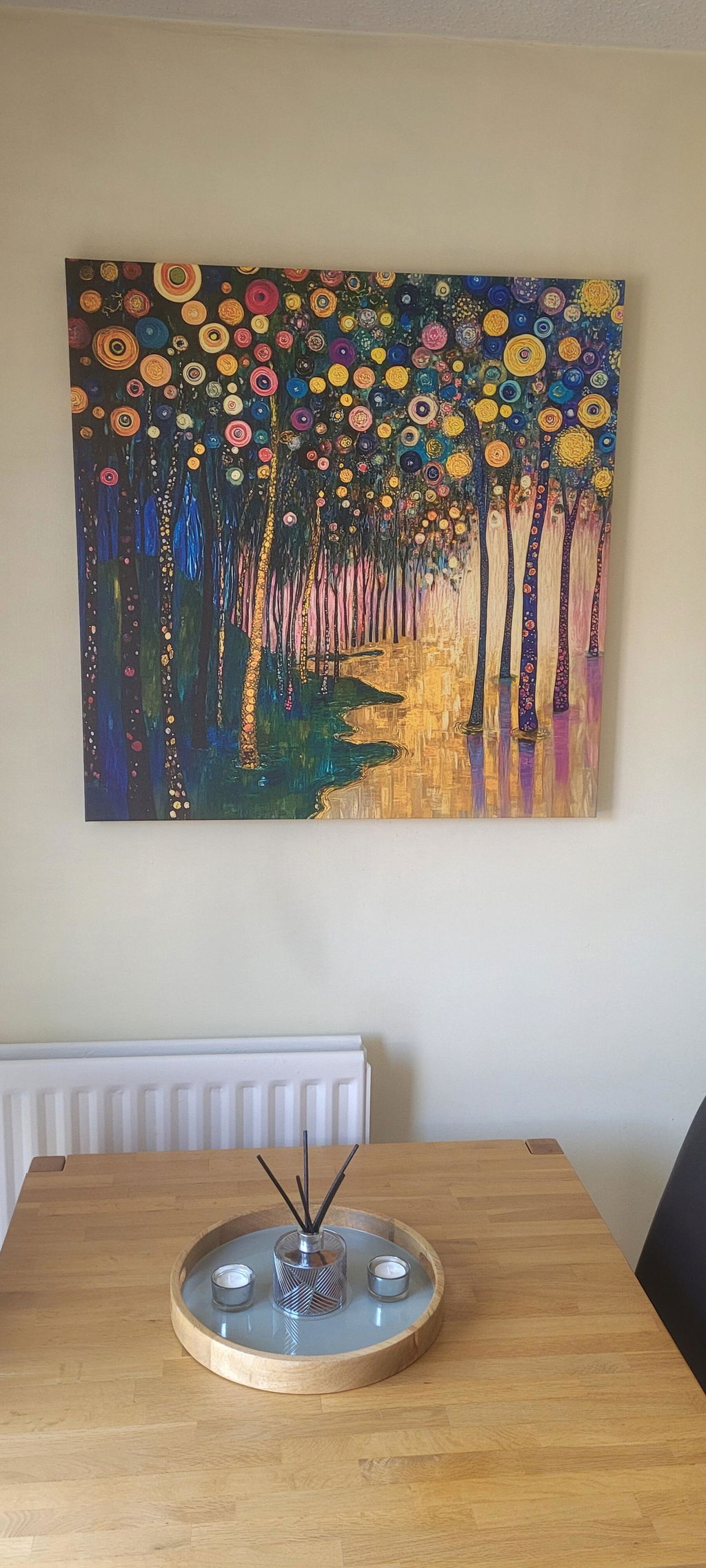
Gustav Klimt wasn’t just an artist — he was a master of seduction through pattern, color, and symbolism. At Fab, we celebrate his work not just as art history, but...
How do you pick an abstract print
Short answers on colour, scale, framing and where abstract or geometric work tends to sit best
What's the difference between Bauhaus, mid-century modern, and Scandinavian geometric prints?
The difference is mostly era, palette, and mood. Bauhaus style traces to the German school founded in 1919 and leans on strict geometry, circles, squares and triangles in primary red, yellow and blue with black and white anchors. Mid-century modern grew from those ideas in postwar America, softening into curved and organic forms with warmer earthy tones like mustard, olive and burnt orange. Scandinavian geometric work, rooted in Nordic design, stays the quietest: pared-back shapes, lots of white space and soft neutrals or muted pastels. Choose by palette first, then by how bold you want the shapes. You may also like our Modern Art Prints.
What are the most common shapes and patterns in geometric art prints?
Circles, squares, rectangles, triangles and straight lines are the core building blocks, arranged into grids, stripes, arcs, chevrons and concentric or overlapping forms. Repeating patterns are usually built from tessellation, where a shape such as a triangle, square or hexagon tiles a surface with no gaps, plus chequerboards, diamonds, zigzags and symmetrical motifs echoing Islamic tilework. Mid-century and Bauhaus-influenced designs favour flat blocks of colour and clean edges, while contemporary versions add curves, soft arches and layered transparency for a calmer look. For a related option, explore our Geometric Pattern Art Prints.
Should I choose one large geometric print or a set of two or three smaller ones?
Choose based on the geometry itself: bold, single-focus compositions with strong lines or one dominant shape usually read best as one large print, while repeating grids, colour blocks or rhythmic shapes look intentional split across two or three pieces. Either way, size the whole arrangement to about two thirds of the furniture below it, roughly 140 to 165 cm of art above a 215 cm sofa, and keep gaps in a set tight and even, around 5 to 10 cm. Oversized single statements are especially popular right now.
Which artists shaped geometric abstract art, and how do their styles differ?
Geometric abstraction was shaped by a handful of pioneers with very different aims. Kazimir Malevich stripped painting to floating shapes on open ground in his Suprematist work, while Piet Mondrian built strict black grids filled with primary colour in pursuit of universal balance. Wassily Kandinsky kept geometry loose and musical, and Josef Albers used nested squares to study how colours shift one another. Later voices like Agnes Martin favoured quiet grids, and Victor Vasarely pushed optical vibration. For decor, hard-edge styles read crisp and modern, softer grids feel calmer. For another take, browse our Abstract Art Prints.
Which geometric art prints work best in a living room?
For a living room, we'd go bold. A large geometric wall art print in the 70x100cm range sits perfectly above a standard sofa and gives the room an instant focal point without needing a gallery wall. Stick to prints with two or three colours that pick up tones already in your cushions or rug. Warm neutrals with a hit of terracotta or ochre work brilliantly in most living rooms, while black and white geometric prints suit cooler, more minimal spaces. All our framed prints arrive ready to hang with fixtures already attached, so you can have it on the wall within minutes of opening the box.
How do I style geometric prints without making a room feel busy?
The trick is to treat your geometric print as the room's loudest voice and let everything else play backup. Place one statement piece on your most visible wall and keep surrounding decor simple: solid-colour cushions, plain textiles, unfussy shelving. If you're mixing patterns elsewhere in the room, stick to organic textures like linen or boucle rather than competing prints. Minimalist geometric prints with plenty of white space are especially forgiving and work well in bedrooms or hallways where calm matters more than drama.
Should I choose framed or unframed for geometric abstract prints?
For geometric art specifically, we'd almost always say framed. The clean lines of a solid wood frame echo the structured shapes in the artwork and give it a polished, intentional feel. Our frames are FSC-certified hardwood (no MDF, no veneers) with UV-protective acrylic glazing, so the colours stay true even on a sun-drenched wall. The print and frame ship together, properly fitted in one box, which means no warping, no bubbling, and no Sunday afternoon wrestling match with a separate frame kit. If you've been burned by flimsy frames from elsewhere, this is the upgrade you'll actually notice.
Can I mix geometric prints with other art styles in a gallery wall?
Absolutely, and it usually looks better than an all-geometric grid. Pair one or two abstract geometric art prints with something organic, like a botanical or a landscape photograph, to create contrast that keeps the eye moving. The key is a shared colour palette: pick two or three colours that run through every piece and you can get away with mixing styles freely. We'd suggest anchoring the arrangement with your largest geometric print slightly off-centre, then building outward with smaller pieces. Keep the frames consistent (our natural oak or classic black work well for this) and the whole thing holds together.
How is geometric abstract art different from other abstract art?
Geometric abstraction uses structured shapes like circles, triangles, and grids as its visual language, whereas other abstract styles (think gestural brushstrokes or colour-field painting) lean on emotion and spontaneity. In practical terms for your walls, this means geometric abstract prints tend to feel more ordered and intentional, which makes them easier to pair with modern and Scandinavian interiors. They're also incredibly versatile: a mid-century geometric print can anchor a retro-inspired room just as easily as a colourful geometric piece can energise a neutral space. If you like art that adds structure without being literal, geometric abstraction is the sweet spot.
Choosing a selection results in a full page refresh.