


 Order today for delivery by
Traditional Japanese Canvas Prints
Cranes on gold, breaking waves, quiet mountains under snow, plum branches against flat colour. Traditional Japanese art works on canvas because the compositions are calm and confident, and they hold a wall without shouting. Start broad here, or narrow by artist with Hokusai canvas prints and Ohara Koson canvas prints, where birds and flowers sit well above a bed or in a hallway.


Yin Yang Koi Harmony Canvas Print

Willow and Cherry by Kamisaka Sekka Canvas Print

Two Cranes in Flight Canvas Print

Cock and Flower by Hokusai Canvas Print

Plum Orchard in Winter by Hiroshige Canvas Print

Kyoto Pagoda Lane Canvas Print
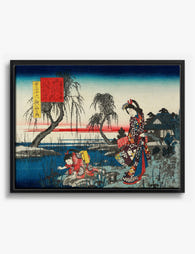
River Dusk by Utagawa Hiroshige Canvas Print

Oxherd by Kamisaka Sekka Canvas Print

Cranes Above the Waves Canvas Print

Sparrow and Lotus by Bijutsu Sekai Canvas Print

Cranes by Ogata Korin Canvas Print

Snowfall at Torii Gate by Hiroshige Canvas Print
More Fab art curations


Japanese Art Reading From The Frame
On ukiyo-e, colour palettes and building a calm wall from The Frame, Fab's blog.
Canvas vs Paper Prints: Pros and Cons
You're looking at the same beautiful image in two different formats. Canvas print or paper print? They look similar in the thumbnail, but you're wondering if one is actually better...
Starter Art Prints for First-Time Buyers
A blank wall can be intimidating. You know you want art, but where do you even start? You scroll through endless options online, walk through galleries feeling lost, or stare...
Art for Bedrooms: Calm, Romantic, or Bold?
Your bedroom is the most personal room in your home. It's where you start and end each day, where you retreat when you need space, where you go to feel...
 Buying Japanese canvas art: the basics



Short answers on framing choices, hanging these prints at home, delivery and sending something back