Fab’s Abstract & Geometric Art Prints use bold form, clean lines, and balanced composition to give your space structure and clarity. Whether you’re styling a modern living room or finishing off a hallway, these framed prints are designed to ground a room, sharpen a wall, and pull your space together in minutes. No guesswork. No clutter. Just crisp, confident design.
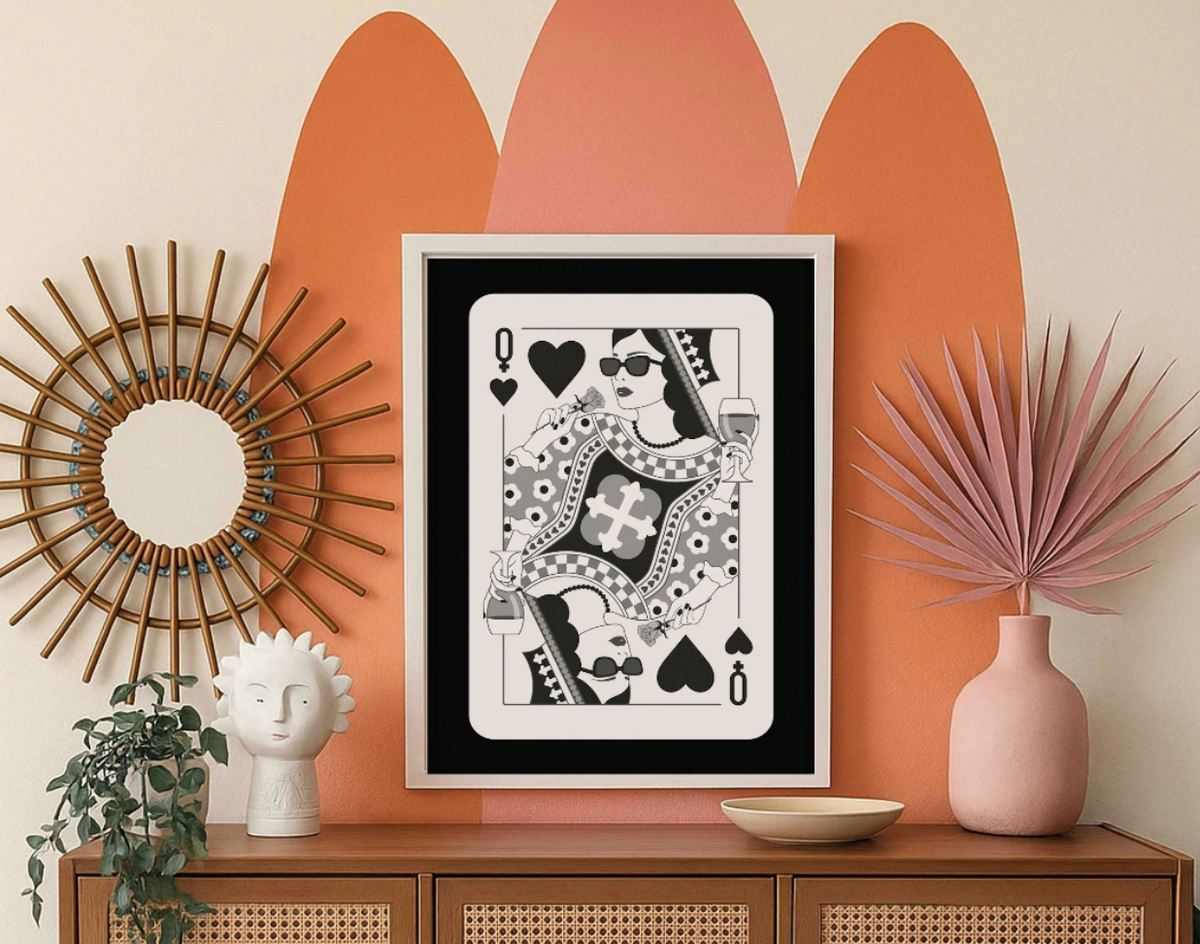
What Makes Art Feel Mid-Century Modern (and What Just Looks Retro) Mid-century modern refers to a specific window: roughly 1945 to 1969. It's not a vibe. It's a design movement...
You love the look of black and white art, but you're worried it might make your home feel like a doctor's office. Or maybe you think it's too safe, too...
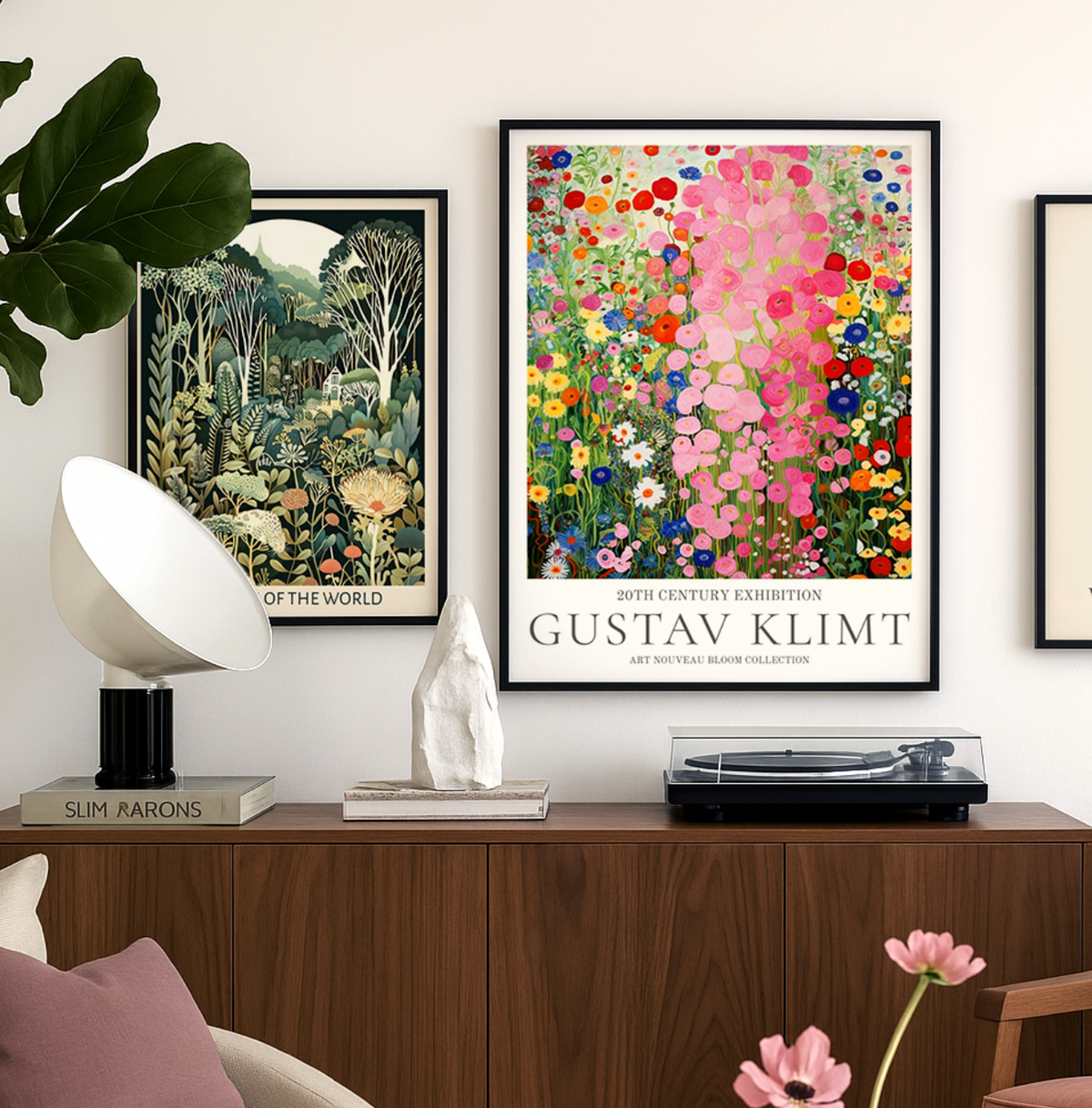
Gustav Klimt wasn’t just an artist — he was a master of seduction through pattern, color, and symbolism. At Fab, we celebrate his work not just as art history, but...
We’re serious about art, ask away
From sizing to framing and print quality, Fab's art experts break it all down—so you can find the right art for your space.
Which geometric art prints work best in a living room?
For a living room, we'd go bold. A large geometric wall art print in the 70x100cm range sits perfectly above a standard sofa and gives the room an instant focal point without needing a gallery wall. Stick to prints with two or three colours that pick up tones already in your cushions or rug. Warm neutrals with a hit of terracotta or ochre work brilliantly in most living rooms, while black and white geometric prints suit cooler, more minimal spaces. All our framed prints arrive ready to hang with fixtures already attached, so you can have it on the wall within minutes of opening the box.
How do I style geometric prints without making a room feel busy?
The trick is to treat your geometric print as the room's loudest voice and let everything else play backup. Place one statement piece on your most visible wall and keep surrounding decor simple: solid-colour cushions, plain textiles, unfussy shelving. If you're mixing patterns elsewhere in the room, stick to organic textures like linen or boucle rather than competing prints. Minimalist geometric prints with plenty of white space are especially forgiving and work well in bedrooms or hallways where calm matters more than drama.
Should I choose framed or unframed for geometric abstract prints?
For geometric art specifically, we'd almost always say framed. The clean lines of a solid wood frame echo the structured shapes in the artwork and give it a polished, intentional feel. Our frames are FSC-certified hardwood (no MDF, no veneers) with UV-protective acrylic glazing, so the colours stay true even on a sun-drenched wall. The print and frame ship together, properly fitted in one box, which means no warping, no bubbling, and no Sunday afternoon wrestling match with a separate frame kit. If you've been burned by flimsy frames from elsewhere, this is the upgrade you'll actually notice.
Can I mix geometric prints with other art styles in a gallery wall?
Absolutely, and it usually looks better than an all-geometric grid. Pair one or two abstract geometric art prints with something organic, like a botanical or a landscape photograph, to create contrast that keeps the eye moving. The key is a shared colour palette: pick two or three colours that run through every piece and you can get away with mixing styles freely. We'd suggest anchoring the arrangement with your largest geometric print slightly off-centre, then building outward with smaller pieces. Keep the frames consistent (our natural oak or classic black work well for this) and the whole thing holds together.
How is geometric abstract art different from other abstract art?
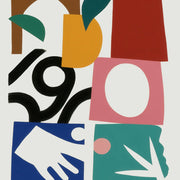
Geometric abstraction uses structured shapes like circles, triangles, and grids as its visual language, whereas other abstract styles (think gestural brushstrokes or colour-field painting) lean on emotion and spontaneity. In practical terms for your walls, this means geometric abstract prints tend to feel more ordered and intentional, which makes them easier to pair with modern and Scandinavian interiors. They're also incredibly versatile: a mid-century geometric print can anchor a retro-inspired room just as easily as a colourful geometric piece can energise a neutral space. If you like art that adds structure without being literal, geometric abstraction is the sweet spot.
Choosing a selection results in a full page refresh.

 Order today for delivery by







 We’re serious about art, ask away