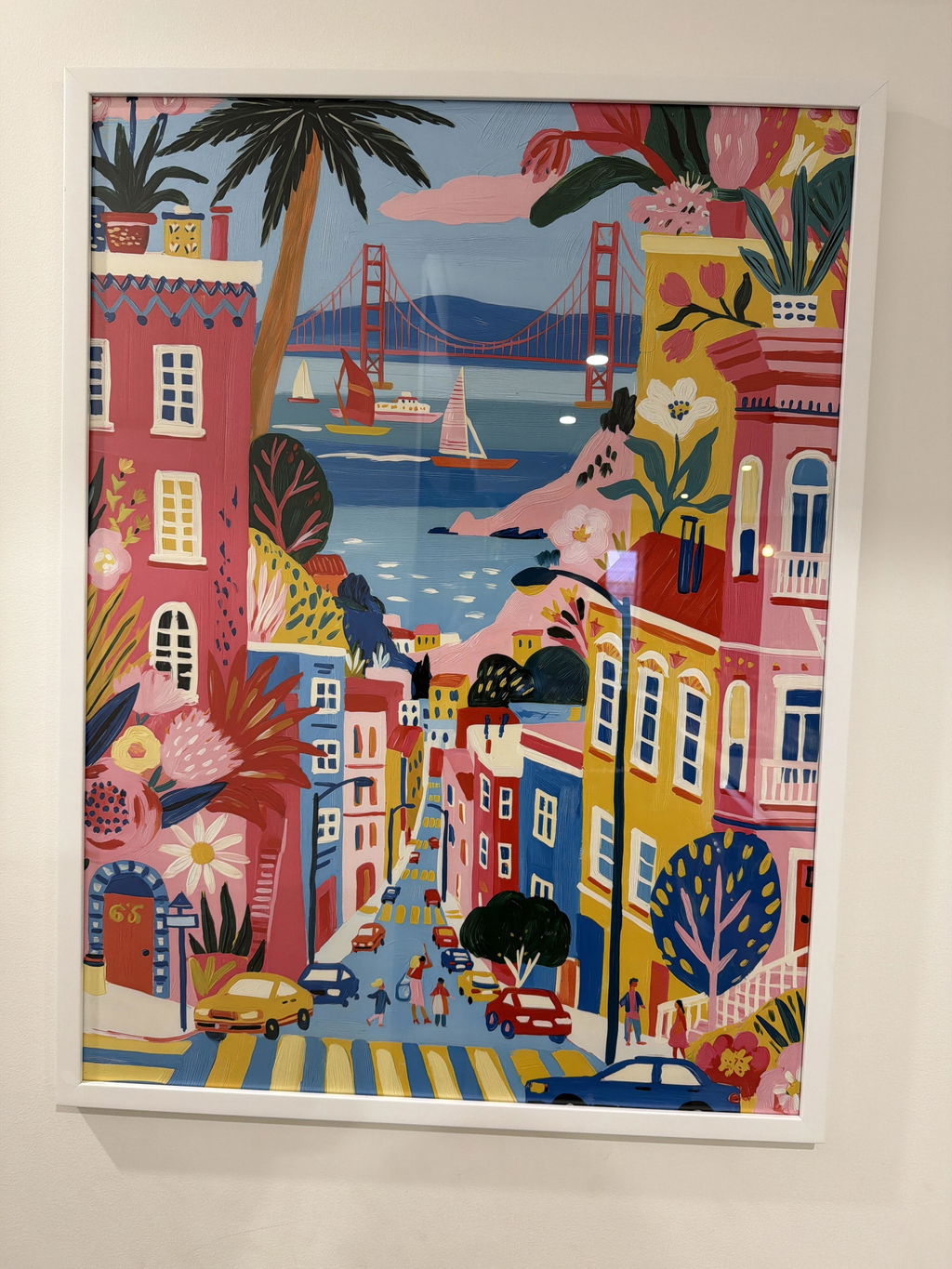
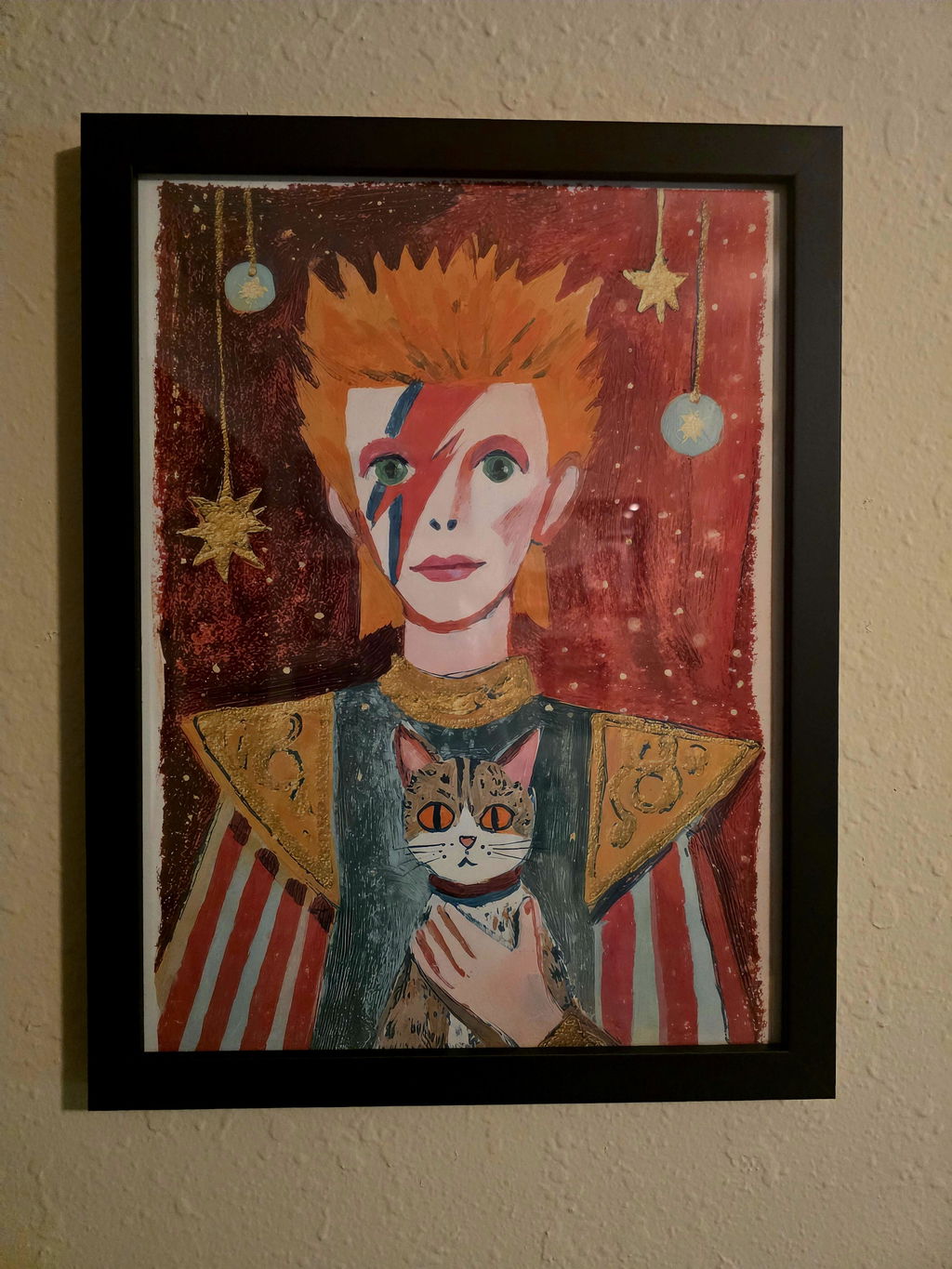
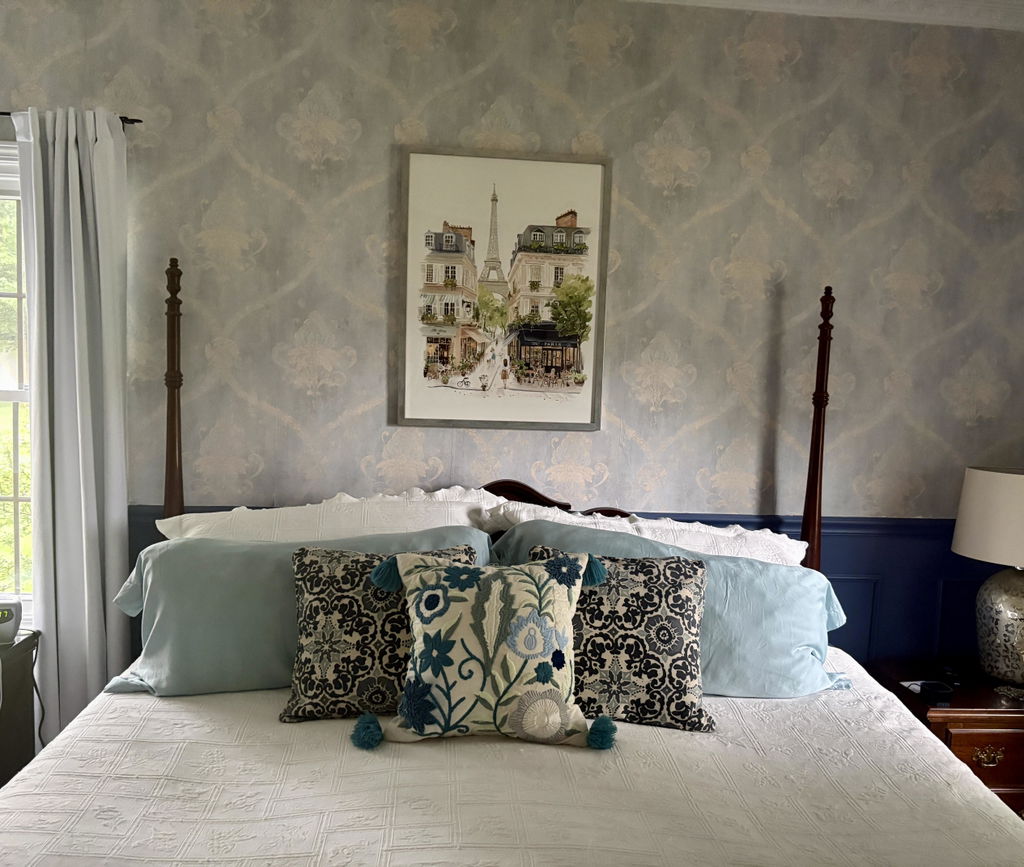
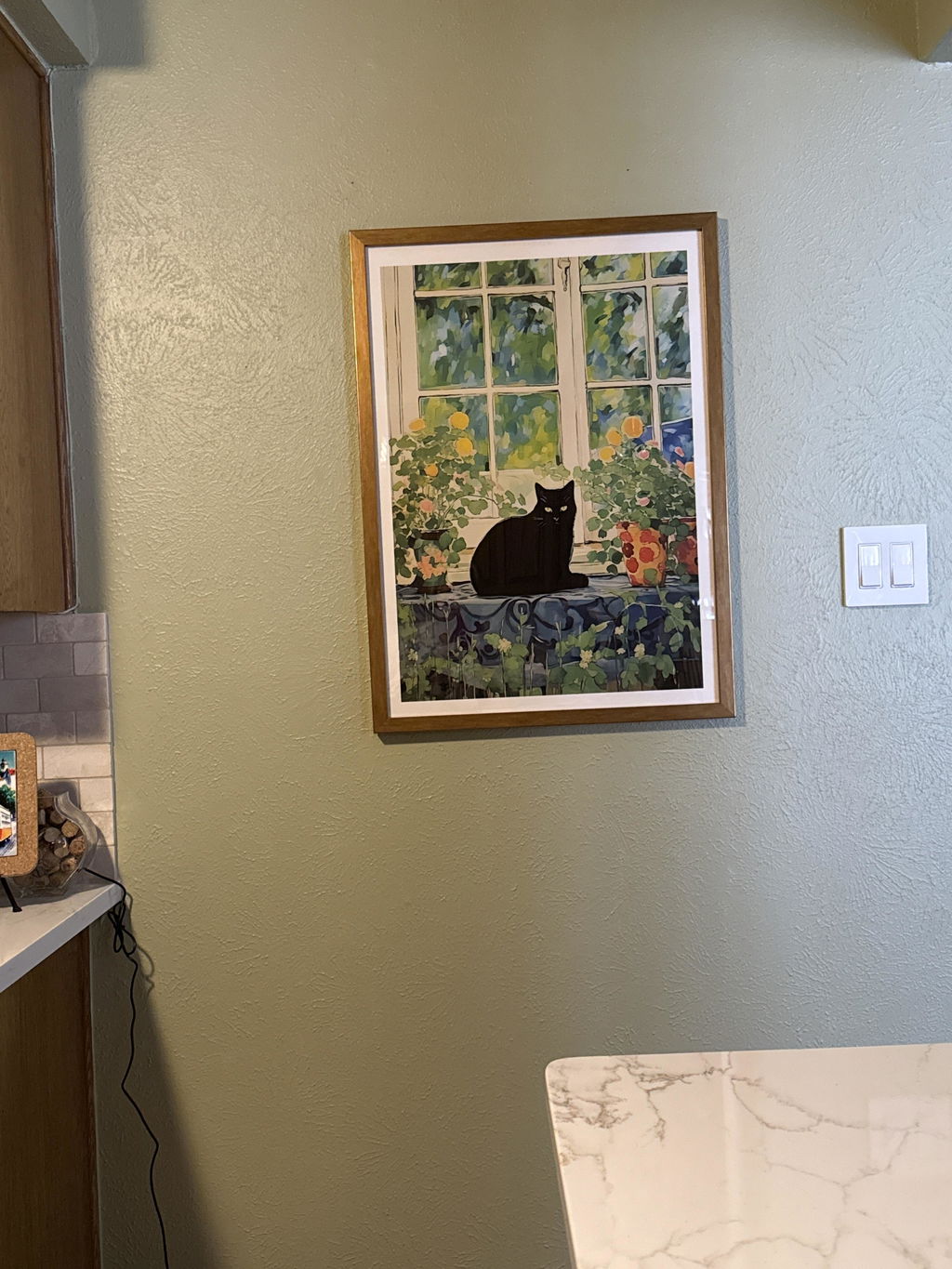
Solid wood. Professionally framed. Arrives ready to hang.
Make your print ready to hang.
Art Prints
4.8
Start wherever your eye goes first. If you know the wall but not the picture, try browsing by room, living room art prints tend to be bolder and more colourful, since that's the wall people look at most. If you know the mood, follow it: botanical art prints for something calm and green, travel prints for places you've loved. Every print comes unframed or framed and ready to hang.
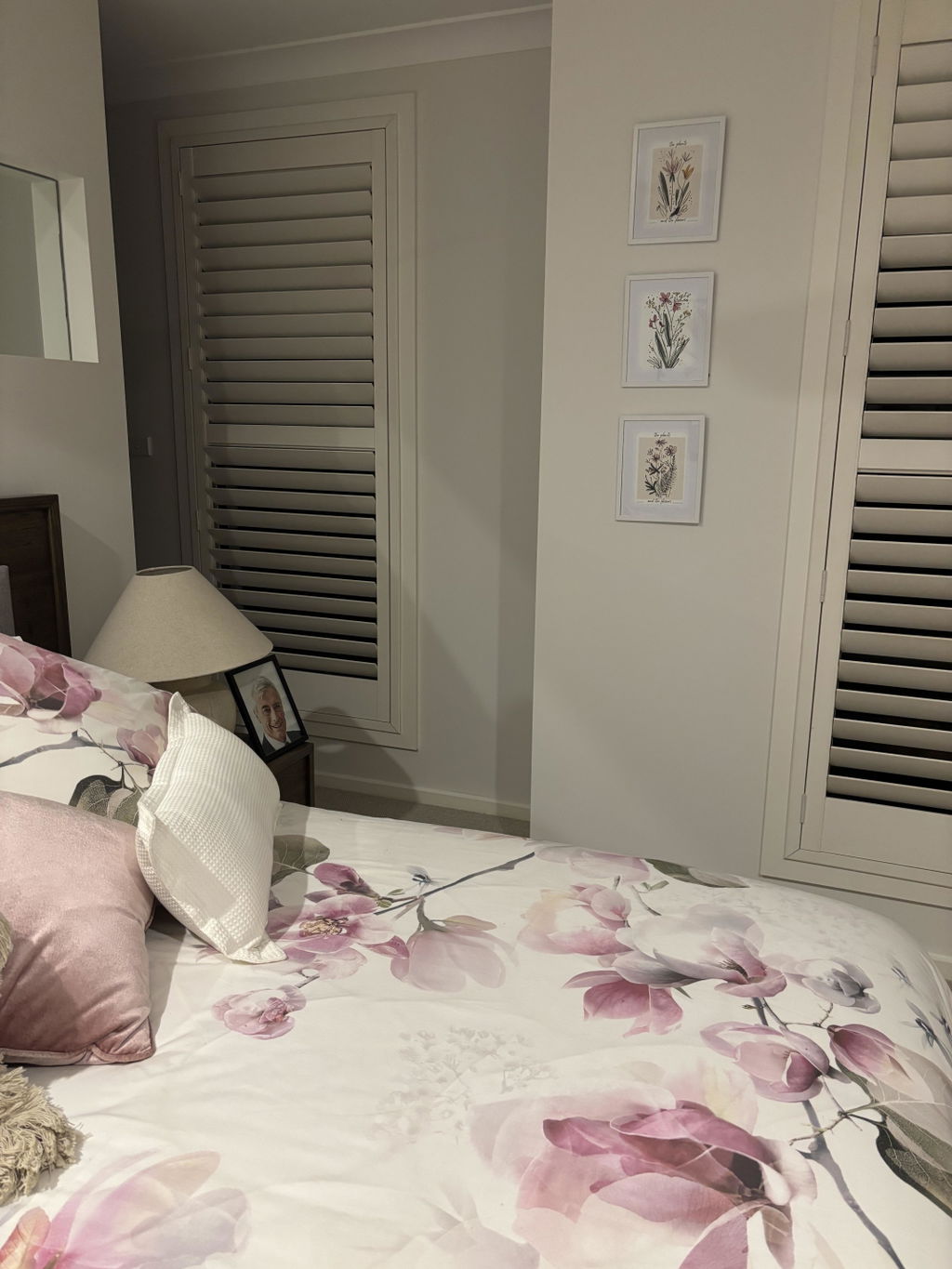
I purchased three botanical sketches and displayed them in white frames. I positioned them one under the other and they look wonderful. Really pleased with the effect.
The colors are vibrant and the quality of the print is excellent. The paper it is printed on is very good quality, too. Will definitely buy more prints from you, I've very impressed with overall.
I Googled the Colors I Wanted and Found my Perfect Print
I just moved from a three-bedroom, two story house to a two bedroom ground floor apartment. This is the start of my new life and I want new things in my new place. I stumbled across Fab by Googling, "Print, gold, teal, brown" and they popped up. I found the perfect picture in the perfect orientation with the perfect frame. My anal-retentive brother came over and hung it for me--Perfectly level! It looks perfect. I'm already eyeballing another print for my bedroom that has yet to be decorated. I'll definitely buy from them again.
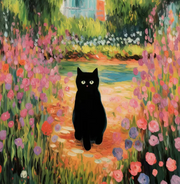
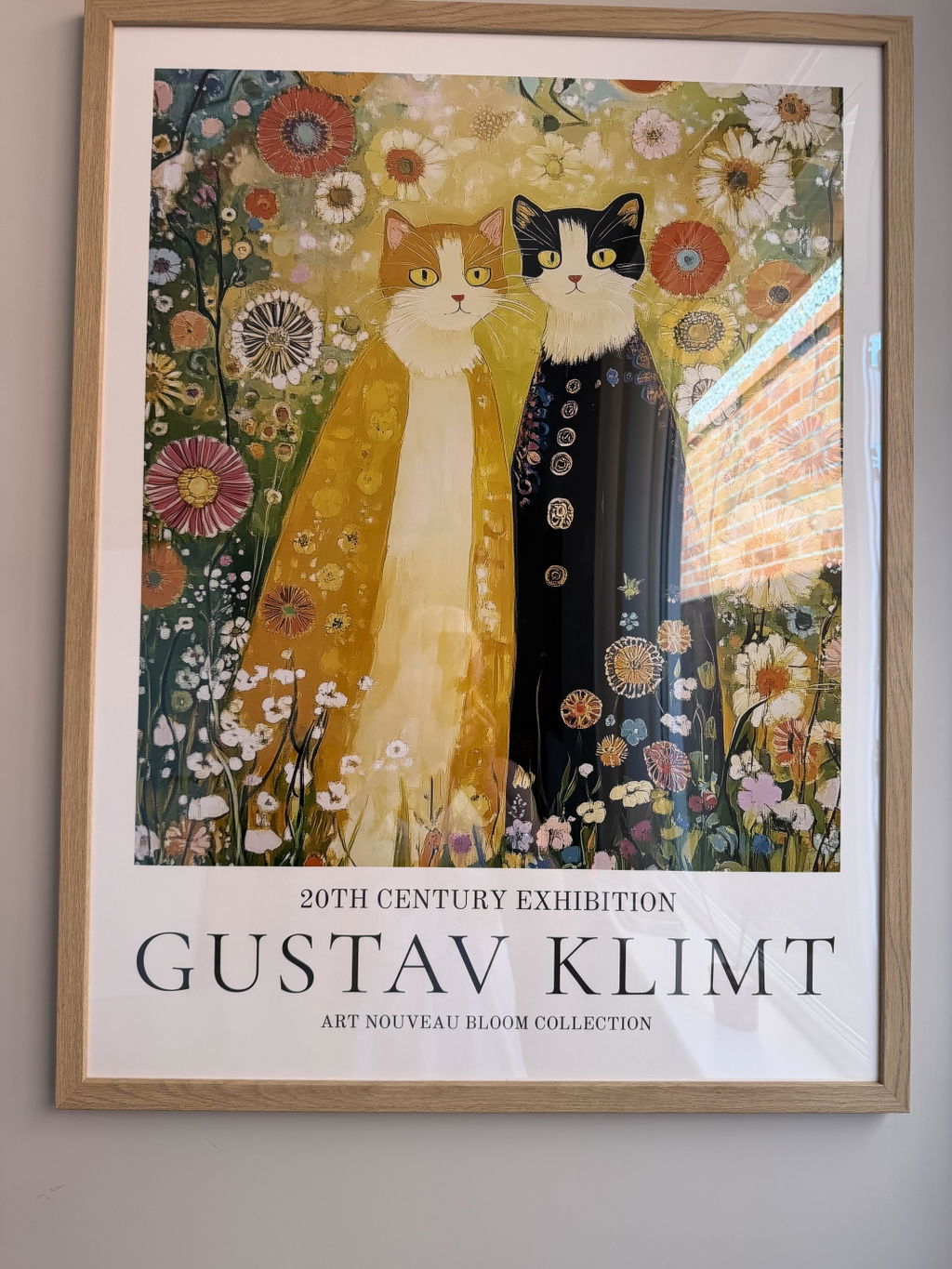
I had no idea that Gustav Klimt painted cats before I visited your site
I had no idea that Gustav Klimt painted cats before I visited your site. The picture is lovely and colourful and the frame goes perfectly with it. It’s very quirky and it’s perfect in the room I put it in. Very satisfied, thank you..
Walk into almost any home and you'll spot the same mistake: a print the size of a placemat floating above a three-seater sofa. Sizing is the single biggest decision you'll...
You've probably owned a poster that looked great for a year, then quietly turned tragic. Yellowed corners, a slight ripple across the middle, colours that have shifted from vibrant to...
"Modern" is one of the most overused words in interiors, and one of the most confusing when you're shopping for art. This guide untangles the terminology, then gives you specific,...
Buying art prints: your questions
Framing choices, picking a size for your wall, delivery and how returns work if it doesn't suit
What's the difference between modern and contemporary art prints?
Modern art prints reproduce work from roughly the 1860s through the 1970s, the era of Impressionism, Cubism, Surrealism, Abstract Expressionism and Pop, so expect bold colour, flattened space and recognisable historical movements. Contemporary art prints come from about 1970 to now and lean more concept driven and open ended, drawing on photography, digital imagery, collage and text. In everyday decorating talk, shoppers often use "modern" to mean clean, minimal and current, which is really closer to contemporary. When choosing, weigh scale, palette and whether you want it framed or unframed over the label.
What are the main types of abstract art prints, and how do I tell them apart?
Most abstract prints fall into four broad families: geometric abstraction (crisp grids, circles, hard edges), gestural or expressionist work (visible drips and sweeping strokes), colour field (broad flat or stained planes where colour itself is the subject), and organic or lyrical abstraction (soft biomorphic shapes and fluid washes). Tell them apart by edges and brushwork: ruled and measured reads geometric, obvious marks read gestural, quiet expanses of tone read colour field. For a living-room focal wall, large gestural or colour field designs carry from a distance, while geometric and minimal styles suit tidy gallery groupings.
How can I display art prints without frames?
Unframed prints look intentional when you give them a simple support system. Magnetic poster hangers or slim wooden rails clamp the top edge and hang from a single hook, keeping paper flat for a clean, minimal look. Bulldog or binder clips on small nails, or clips strung along a taut wire, make a casual, easily swapped gallery. Low-tack washi tape can secure corners or act as a colourful faux border, and a picture ledge lets you lean and layer pieces with no extra holes. Press prints flat before hanging to reduce curling.
Which art print styles are trending in 2026?
Right now the strongest demand is for Neo Art Deco geometry, warm earth tone abstracts in terracotta, ochre, clay and moss, and textured or collage style pieces that read as tactile rather than flat. Botanical and biophilic imagery stays popular, alongside Art Nouveau influenced florals and softly graphic line work. Shoppers are also going bigger, choosing one oversized statement piece or a looser, mixed frame gallery wall instead of matching grids. For a cohesive look, pick prints that share one palette or one frame tone.
How do I choose the right size art print for my wall?
The simplest rule: your print should fill roughly two-thirds the width of whatever sits below it. So above a standard UK sofa (around 200cm wide), a large art print of 100x70cm or a pair of 50x70cm prints side by side will look intentional rather than lost. If you're filling a blank wall with nothing beneath it, go as large as you can. Our prints go up to 70x100cm, which is a genuine statement size and far more impactful than the small frames most people default to. When in doubt, bigger is almost always better.
What's the difference between an art print and a poster?
It comes down to materials and longevity. A poster is typically printed on thin, glossy paper using standard inks that fade within a couple of years, especially near a window. Our art prints use museum-grade giclée printing on thick matte paper with inks rated to last hundreds of years, even in direct sunlight. The finish has zero glare and real depth of colour, which is why so many of our customers say their prints look even better in person than on screen. If you've ever had a poster curl at the corners or fade to a washed-out shadow of itself, you already know the difference.
Should I buy my art prints framed or unframed?
Framed, unless you already own frames you love and know the exact measurements. The biggest reason people end up with disappointing wall art is poor framing: warped MDF, prints that bubble or shift, or the hassle of buying a frame separately and realising it doesn't quite fit. Our framed art prints arrive ready to hang with the print properly fitted into a solid FSC-certified wood frame with UV-protective acrylic glazing. You open the box, hang it, done. It's one of the things our customers comment on most, and honestly, it's where we think we really shine.
Which is better for my space: a canvas print or an art print?
It depends on the look you're going for, but they suit different rooms. Art prints behind glass have a refined, gallery feel that works brilliantly in living rooms, hallways, and bedrooms where you want a polished finish. Canvas prints have a textured, more relaxed presence and can go larger (up to 150x100cm with us), making them ideal for open-plan spaces or above a dining table where you want real visual impact without the formality of a frame. If you're after a contemporary, minimal vibe, canvas is hard to beat. For a classic, curated wall, go with a framed art print.
How do I display art prints so they actually look good together?
The key is committing to a thread that ties them together, whether that's colour palette, subject, or print style. A gallery wall of three to five prints works best when they share at least one of those elements. For example, a set of abstract art prints in muted tones looks cohesive above a sideboard, while mixing vintage and modern styles in the same palette can give a living room real personality. Keep frame styles consistent (all black, all natural oak) and hang the centre of your arrangement at roughly eye level, around 150cm from the floor. Avoid scattering small prints across a large wall; cluster them tightly with 5-8cm gaps for a grouped, intentional look.
Choosing a selection results in a full page refresh.