
 Order today for delivery by
 Chopsticks Canvas Prints
Chopsticks turn up in art as a graphic shorthand for a good meal: two clean lines lifting noodles from a bowl, or resting neatly beside a plate. Expect bold line drawings, painterly close-ups and quiet still lifes that suit a kitchen wall, a dining nook or the gap above a coffee machine. If the food itself is the draw, Ramen Canvas Prints and Sushi Canvas Prints run in the same direction, and Chopsticks Art Prints cover the same subject in another format.


No products found
More Fab art curations




Kitchen Wall Ideas From The Frame
More on food art, hanging heights and building a dining wall from The Frame, Fab's blog.
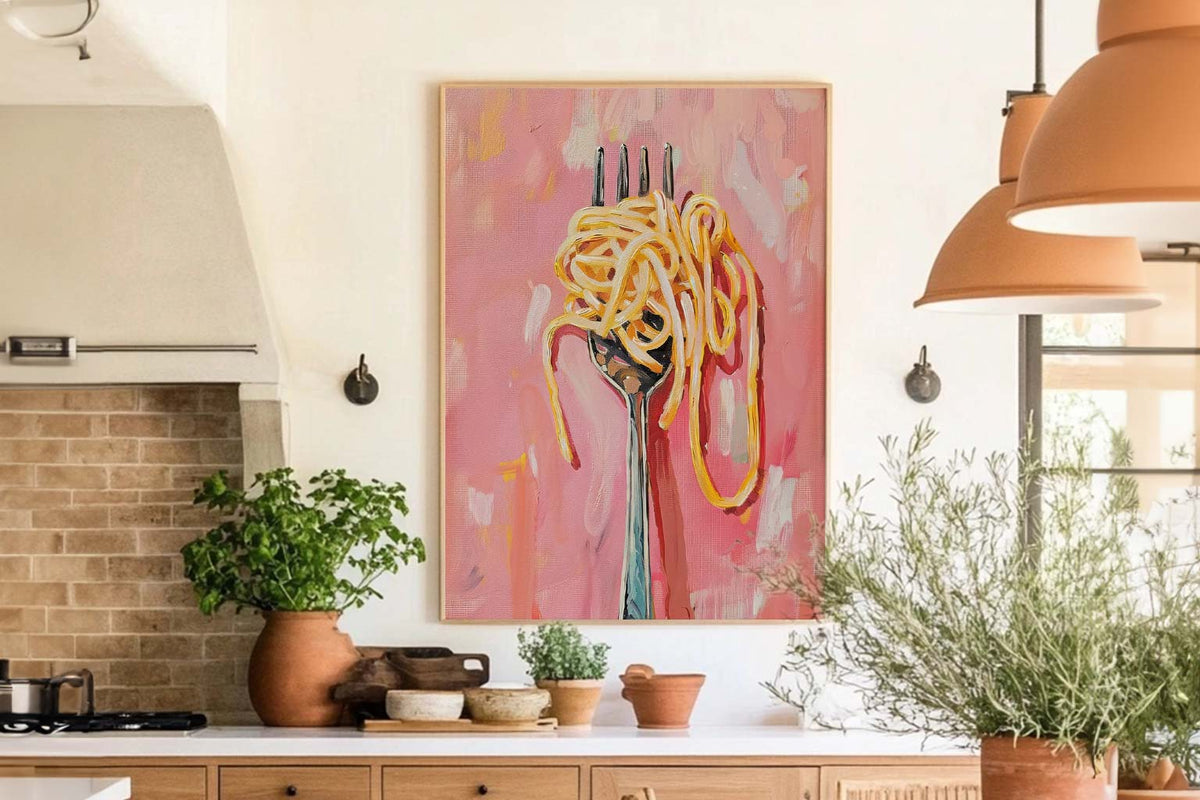
The Best Wall Art for Kitchens and Dining Spaces
Your kitchen isn't just for cooking. Your dining room isn't just for eating. These are the spaces where life happens. Where you have your morning coffee, where friends gather around...
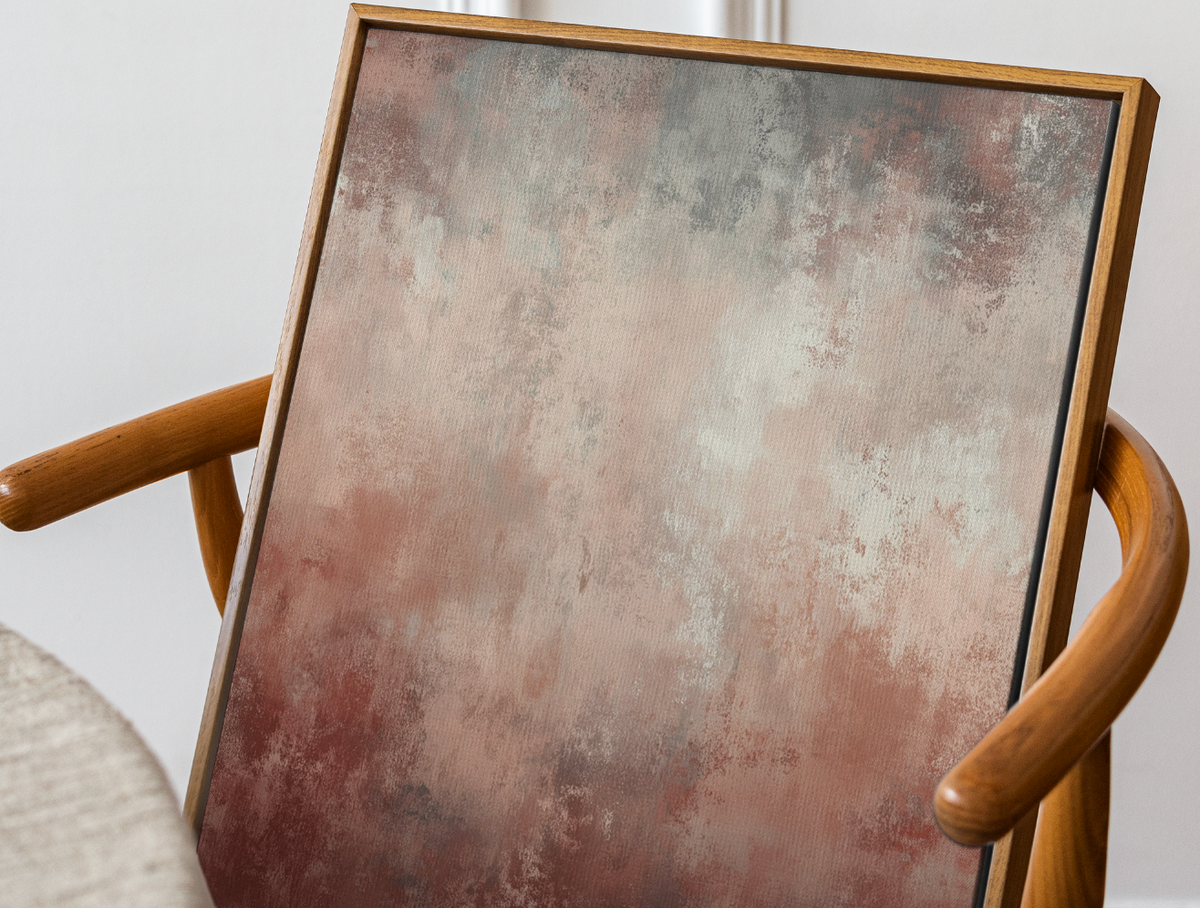
Canvas vs Paper Prints: Pros and Cons
You're looking at the same beautiful image in two different formats. Canvas print or paper print? They look similar in the thumbnail, but you're wondering if one is actually better...
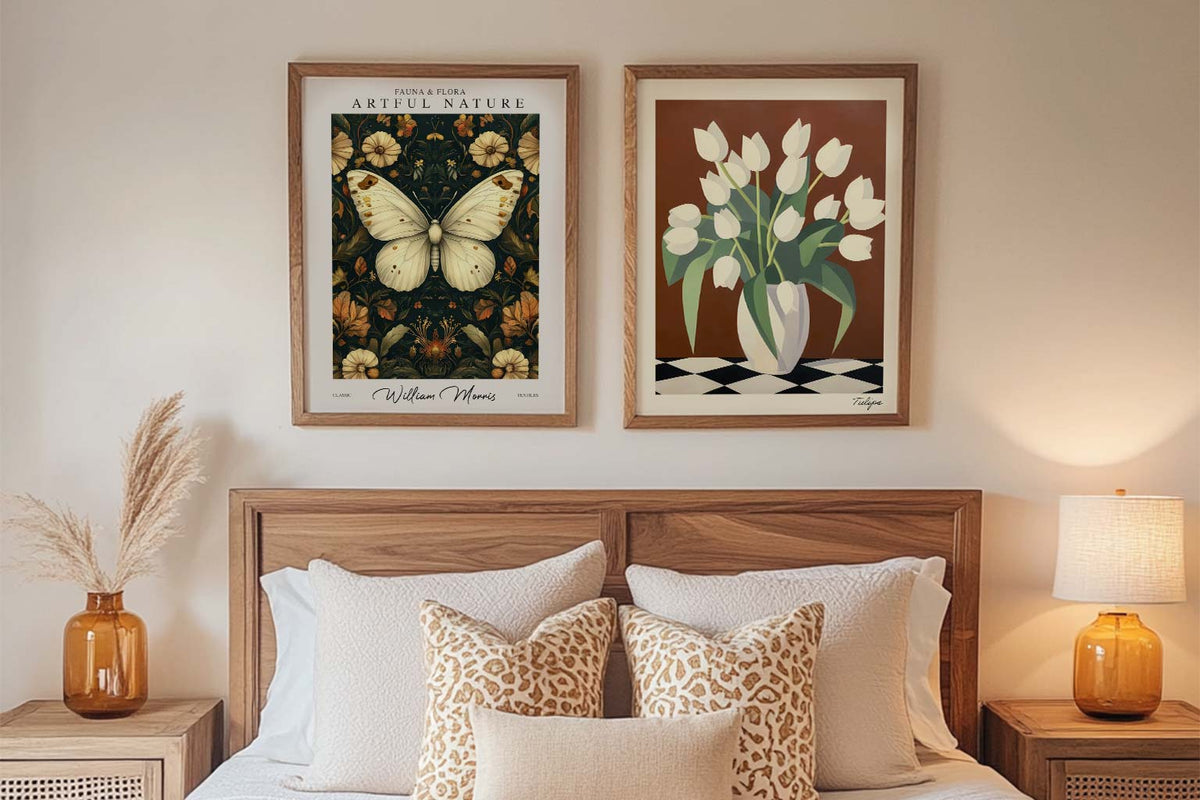
Starter Art Prints for First-Time Buyers
A blank wall can be intimidating. You know you want art, but where do you even start? You scroll through endless options online, walk through galleries feeling lost, or stare...
 Buying chopsticks canvas art



Short answers on framing choices, picking a size for kitchen walls, delivery and sending something back