


 Order today for delivery by
Italian Lemon Canvas Prints
Amalfi lemons on the branch, a bowl of them on a sunlit table, painterly yellows against whitewashed walls. This is the sunny end of fruit art, and it lifts a kitchen, a breakfast corner or a hallway that gets no daylight. Sort by mood: loose brushwork or crisp graphic shapes, one big statement or a pair. For quieter arrangements try lemon still life canvas prints, or widen out into Mediterranean citrus canvas prints.


Amalfi Lemons Art Print
Sale price
From £11.95
£19.95
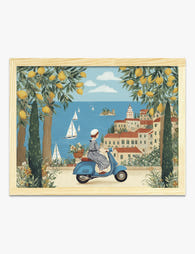
Vespa by the Amalfi Coast Art Print
Sale price
From £11.95
£19.95

Sorrento Lemons Vintage Travel Poster Art Print
Sale price
From £11.95
£19.95
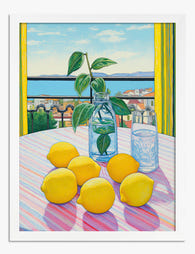
Sunlit Lemons by the Sea Art Print
Sale price
From £11.95
£19.95

Positano Lemons and Bougainvillea Art Print
Sale price
From £19.95
£34.95

La Dolce Vita Italian Summer Art Print
Sale price
From £11.95
£19.95

Il Dolce Far Niente Lemon Tea Art Print
Sale price
From £11.95
£19.95

Amalfi Lemons in Bloom Art Print
Sale price
From £19.95
£34.95

Lake Como Terrace in Bloom Art Print
Sale price
From £11.95
£19.95

Long Lunch in Tuscany Art Print
Sale price
From £19.95
£34.95

Italian Market Still Life Art Print
Sale price
From £11.95
£19.95

Big Amalfi Lemons Art Print
Sale price
From £19.95
£34.95
More Fab art curations





 Lemon art questions, answered



Colour matching, sizing for kitchen walls, framing choices and how ordering from Fab works
Need more help? Contact our team here
Are lemons a symbol of Italy?
Lemons are strongly associated with Italy, especially the sunny south, where citrus groves are part of the everyday landscape and local cooking. That link is why lemon motifs read instantly as Mediterranean or Italian in décor, even without a recognisable place in the picture. In wall art, they usually suggest warmth, summer and coastal living rather than any single region or town.
What do lemons represent in paintings?
In still life painting, lemons have long stood for abundance, freshness and the pleasant-but-fleeting nature of life, with their bright peel and sharp taste offering an appealing contrast. Artists also loved them for practical reasons: the glossy skin, curling rind and translucent flesh let them show off light and texture. In a modern room, that history mostly reads as cheerful, sunlit energy.