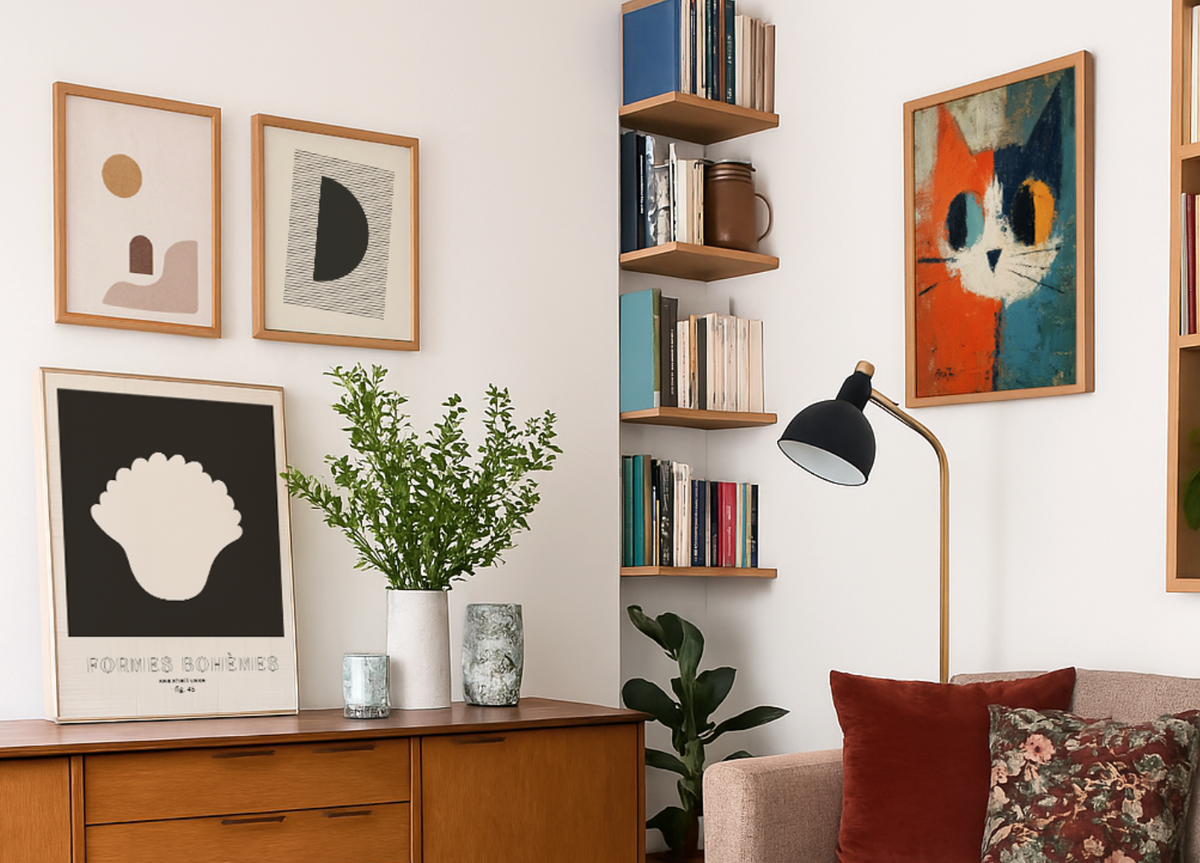
Minimal design works by subtraction: one shape, one line, one colour holding the wall quietly. That restraint is why these prints settle busy rooms and open up small ones. Start with what pulls you in, minimalist geometric art prints for structure, minimal line art for a softer human mark, or minimalist black & white prints when you want contrast without colour. Hang one alone, or three in a steady row.
Gallery walls aren't dead, but cluttered ones are The Pinterest-era gallery wall, the one with seventeen mismatched frames squeezed into every spare centimetre above the sofa, is finished. What's replaced...
A blank wall can be intimidating. You know you want art, but where do you even start? You scroll through endless options online, walk through galleries feeling lost, or stare...
You know you want art on your walls, but you're stuck scrolling through endless options wondering what actually fits your taste. Maybe you love the clean simplicity you see in...
How do you choose a minimal print
Short answers on picking a piece, framed or unframed options, delivery and sending something back
What is minimalist art, and what makes a print "minimal"?
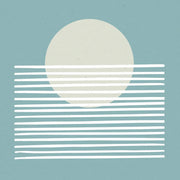
Minimalist art strips an image down to its essentials: simple geometric forms, clean lines, plenty of empty space and a limited color palette, with little narrative or decorative detail. In print form that usually means a single shape, a soft color block or a few confident lines on a mostly bare background. The appeal is calm and clarity, so the artwork adds atmosphere without competing with everything else in the room.
Is minimalist wall art still in style in 2026?
Yes. Minimalism has stayed relevant for decades because it keeps prioritizing simplicity, geometric shapes and restrained color rather than chasing seasonal trends. That timelessness is exactly why it works well as wall decor: clean-lined prints suit modern, Scandinavian and traditional rooms alike, and they tend to survive repainting or new furniture without looking dated. If you redecorate often, minimal prints are among the safest long-term choices.
What is minimalist line art, and where does it work best?
Line art uses clean, deliberate lines, often black on white, with little or no shading, relying on contrast and spacing to suggest a face, figure or form. Because the visual weight is so light, it shines in small or busy spaces such as hallways, home offices and above a desk, and it pairs neatly with soft color-block or abstract minimal prints in a set.
How do I keep a minimalist living room from feeling cold or empty?
A common criticism of minimalism is that it can feel impersonal, so let the prints carry the warmth. Choose pieces with soft tones like sand, clay or warm gray rather than pure black and white, pick one larger statement print instead of many small ones, and repeat a color that already appears in your textiles. Natural wood frames and a little breathing room around each piece soften the look further.
Which frame colour works best with minimal art prints?
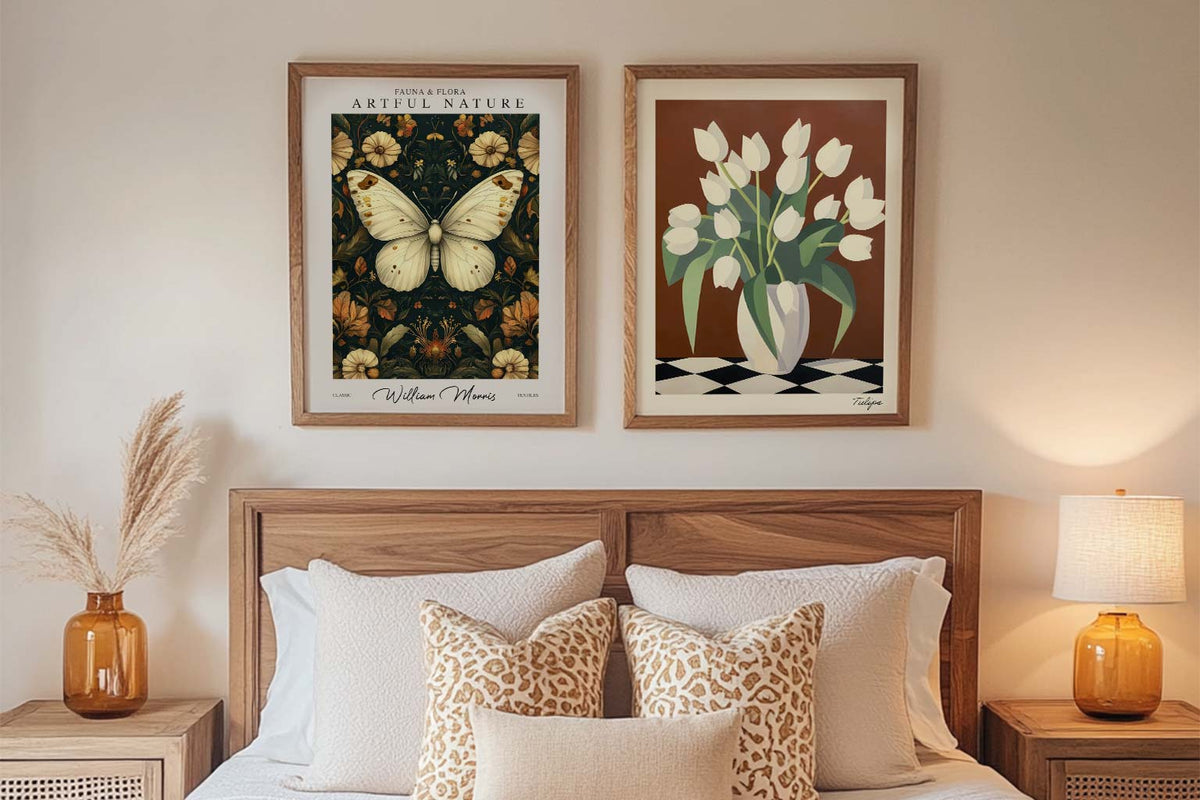
For most minimal design art prints, we'd go with a natural oak frame or a clean white frame. Oak adds just enough warmth to stop a simple composition from feeling clinical, which is exactly what you want if you're finishing off a living room or bedroom that already leans neutral. Black frames work brilliantly for minimal black and white prints where you want graphic punch, but they can feel heavy in a light, airy space. Our frames are solid FSC-certified wood with UV-protective glazing, so the subtle tones in your print won't fade even in a sun-drenched room.
How do I build a minimalist gallery wall without it looking bare?
The trick is restraint with structure. Pick three to five minimalist gallery wall prints that share a consistent palette or line weight, then hang them in a tight grid or a simple horizontal row with no more than 5cm between frames. A classic setup above a sofa is three 30x40cm framed prints in a row, centred at eye level (around 145cm from the floor to the middle of the group). Avoid mixing too many subjects or colours, because with minimal art the cohesion is the statement. All our framed prints arrive ready to hang, so once you've measured up, you're done in minutes.
Are minimalist art prints a good gift if I don't know someone's taste?
Honestly, minimalist wall art is one of the safest bets you can make. A clean line drawing or a simple abstract form works in practically any room, and because the design is pared back, it rarely clashes with existing decor. We'd recommend a 30x40cm framed print in a natural oak frame as a gift sweet spot: it's a generous size, it arrives ready to hang (no awkward "now find a frame" moment), and it looks considered rather than generic. Our 99-day returns policy also gives the recipient plenty of breathing room if they want to swap.
What size minimal print should I choose for a bedroom?
For minimalist art prints for the bedroom, go bigger than you think. A single 50x70cm or 70x100cm print centred above a headboard gives the room a calm focal point without the visual noise of multiple pieces. Minimal designs have a lot of negative space built in, so a small print on a large wall just looks lost. If you're working with a narrower wall, like next to a wardrobe or above a bedside table, a 30x40cm print works perfectly as a quiet accent. Our matte paper has zero glare, so it stays easy on the eyes even in direct morning light.
How is minimalist art different from abstract art?
They overlap, but the intent is different. Minimalist art strips a composition down to its essential elements: clean geometry, limited colour, deliberate empty space. Abstract art can be maximalist, expressive, chaotic. Think of it this way: a single black circle on white paper is minimalist; a Pollock-style splatter painting is abstract but the opposite of minimal. Many of our abstract minimal art prints sit at the intersection, using simple shapes and restrained palettes to create something that feels both modern and deeply calm on your wall.
Choosing a selection results in a full page refresh.

 Order today for delivery by








 How do you choose a minimal print