Solid wood. Professionally framed. Arrives ready to hang.
Make your print ready to hang.
Sea Art Prints
4.8
The sea changes character fast, and so does the art. Deep swells and storm-dark horizons give a room weight; pale shallows, wide skies and low sun keep it quiet. Browse the whole collection here, or narrow it down: waves art prints for movement, seascape art prints for a long open horizon, beach art prints for warmer, sunlit walls. One big piece anchors a wall; a few smaller ones can trace a line above a sofa.
Coastal art has a reputation problem. Done badly, it veers straight into seaside tat: rope-bordered anchor signs, watercolour seagulls, "Live Laugh Lobster". Done well, it's one of the most calming,...
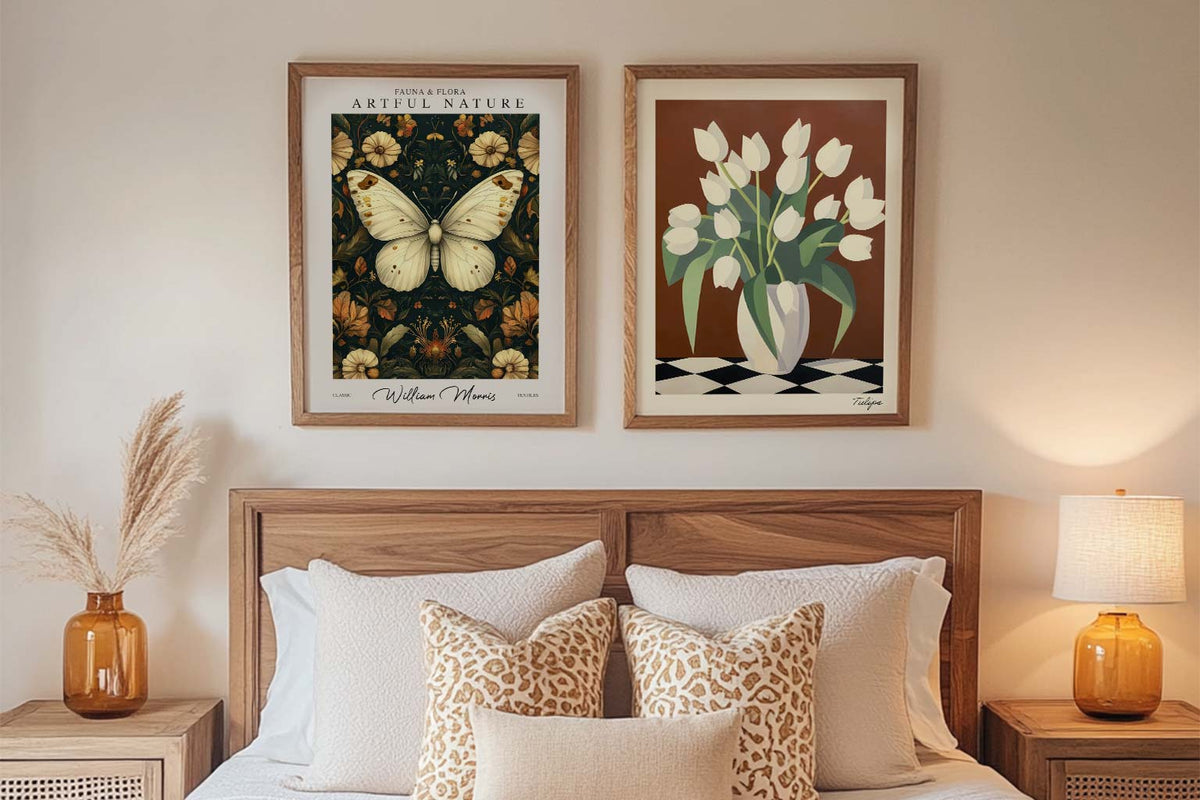
A blank wall can be intimidating. You know you want art, but where do you even start? You scroll through endless options online, walk through galleries feeling lost, or stare...
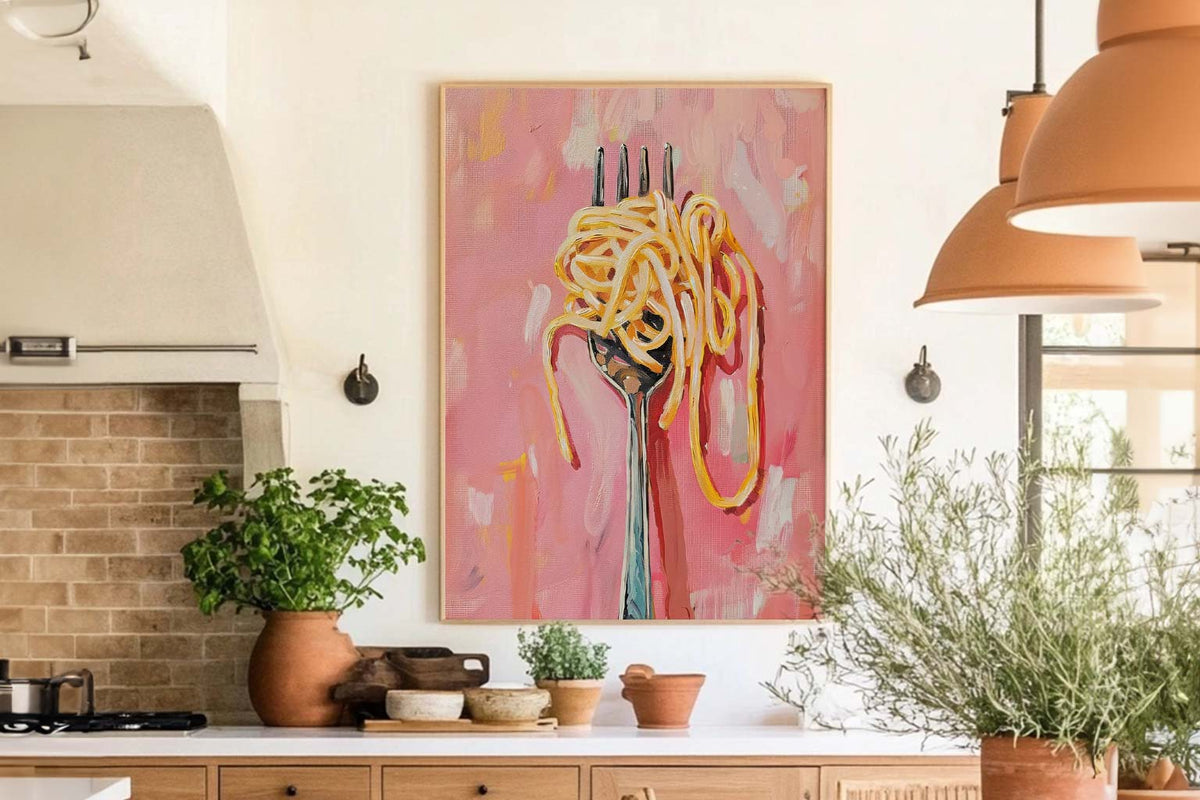
Your kitchen isn't just for cooking. Your dining room isn't just for eating. These are the spaces where life happens. Where you have your morning coffee, where friends gather around...
How do you choose a sea print

Short answers on framing, sizing, matching blues to your room and what happens after you order
What are some of the most famous seascape paintings?
Seascapes have been a favourite subject for centuries, and a few works are recognised worldwide: Hokusai's "The Great Wave off Kanagawa," Turner's storm-lit shipping scenes, Monet's "Impression, Sunrise," Aivazovsky's dramatic ocean swells and Winslow Homer's Atlantic coast watercolours. Reproductions of famous seascapes are popular because the imagery is instantly familiar yet calming, which makes them easy to live with in a hallway, bedroom or living room.
Which artists are best known for painting the sea?
J.M.W. Turner is probably the most celebrated, famous for turbulent skies and light over water. Ivan Aivazovsky painted hundreds of ocean scenes and is known for luminous waves, while Winslow Homer captured working coastlines and surf. Hokusai brought a graphic, stylised approach to the wave, and Claude Monet painted harbours and shorelines in soft Impressionist light. Each gives a very different mood, from stormy drama to quiet stillness.
How do I choose between a calm seascape and a dramatic stormy one?
Match the mood to the room. Soft horizons, pale sand and misty water suit bedrooms and bathrooms where you want the space to feel restful, and they sit easily with neutral or linen-toned décor. Stormy waves, dark skies and crashing surf carry more visual weight, so they work better as a single focal piece above a sofa, sideboard or fireplace in a living room or hallway.
What's the difference between sea, coastal and nautical wall art?
Sea or ocean art focuses on the water itself, such as waves, open horizons and surf. Coastal art widens the view to beaches, dunes, cliffs and harbours, and usually reads brighter and more relaxed. Nautical art leans on maritime objects and history, including ships, sailboats, charts, knots and lighthouses, and often has a vintage feel. Mixing one from each category is an easy way to build a varied but coherent wall.
Which sea art prints work best for a living room with neutral decor?
If your living room is mostly whites, warm greys, or beiges, go for a large seascape print with muted tones rather than a vivid turquoise ocean scene. Think stormy Atlantic blues, soft misty coastlines, or aerial beach photography with sandy neutrals. A framed 70x100cm print centred above a standard sofa gives you a proper focal point without overwhelming the room. Our natural wood or black frames pair perfectly with neutral schemes and won't compete with the art itself.
Can I hang sea prints in a bathroom without them getting damaged?
Yes, and bathrooms are honestly one of the best spots for ocean wall art because you're already in a water-minded headspace. Our framed art prints use UV-protective acrylic glazing (not glass), which handles humid environments far better than a standard frame from the high street. We'd recommend a smaller format like 30x40cm or 40x50cm for most bathrooms, placed on the wall opposite the mirror or above a freestanding bath if you have one. Just avoid hanging anything directly inside a shower enclosure and you'll be fine.
How do I create a gallery wall with different sea and coastal prints?
The trick is to vary the perspective, not the colour palette. Mix an aerial ocean photography print with a close-up wave detail, a coastal landscape, and maybe an abstract seascape. Stick to three or four prints in the same frame finish so the grouping feels intentional rather than chaotic. For a standard UK hallway or stairwell, a set of four framed 30x40cm prints in a grid works brilliantly. All our framed sea art prints arrive ready to hang with fixtures already attached, so you can get the whole wall up in under an hour.
What frame colour should I choose for ocean and beach art prints?
For most sea art prints, we'd steer you towards a natural oak frame or clean white. Black frames look striking with high-contrast ocean photography (think dark stormy seas or black-and-white coastal shots), but they can feel heavy alongside softer beach scenes. If you're going for that relaxed coastal interior vibe, white frames keep things airy. Our frames are solid FSC-certified wood, properly fitted with the print already mounted, so there's no warping or bubbling over time, which is a common problem with cheaper framed prints.
What Colours and materials pair well with sea art prints in a room?
Sea prints love natural textures around them: linen cushions, rattan light shades, pale oak furniture, and jute rugs. For wall colour, a warm white or soft sand tone lets your ocean wall art do the talking, while a deep navy feature wall can work if the print itself is lighter (an aerial beach shot or misty seascape, for instance). Avoid pairing vivid teal or aqua accessories with blue ocean prints because the room ends up feeling like a theme park. Let the art carry the sea tones and keep everything else grounded.
Choosing a selection results in a full page refresh.